Measurement Protocol
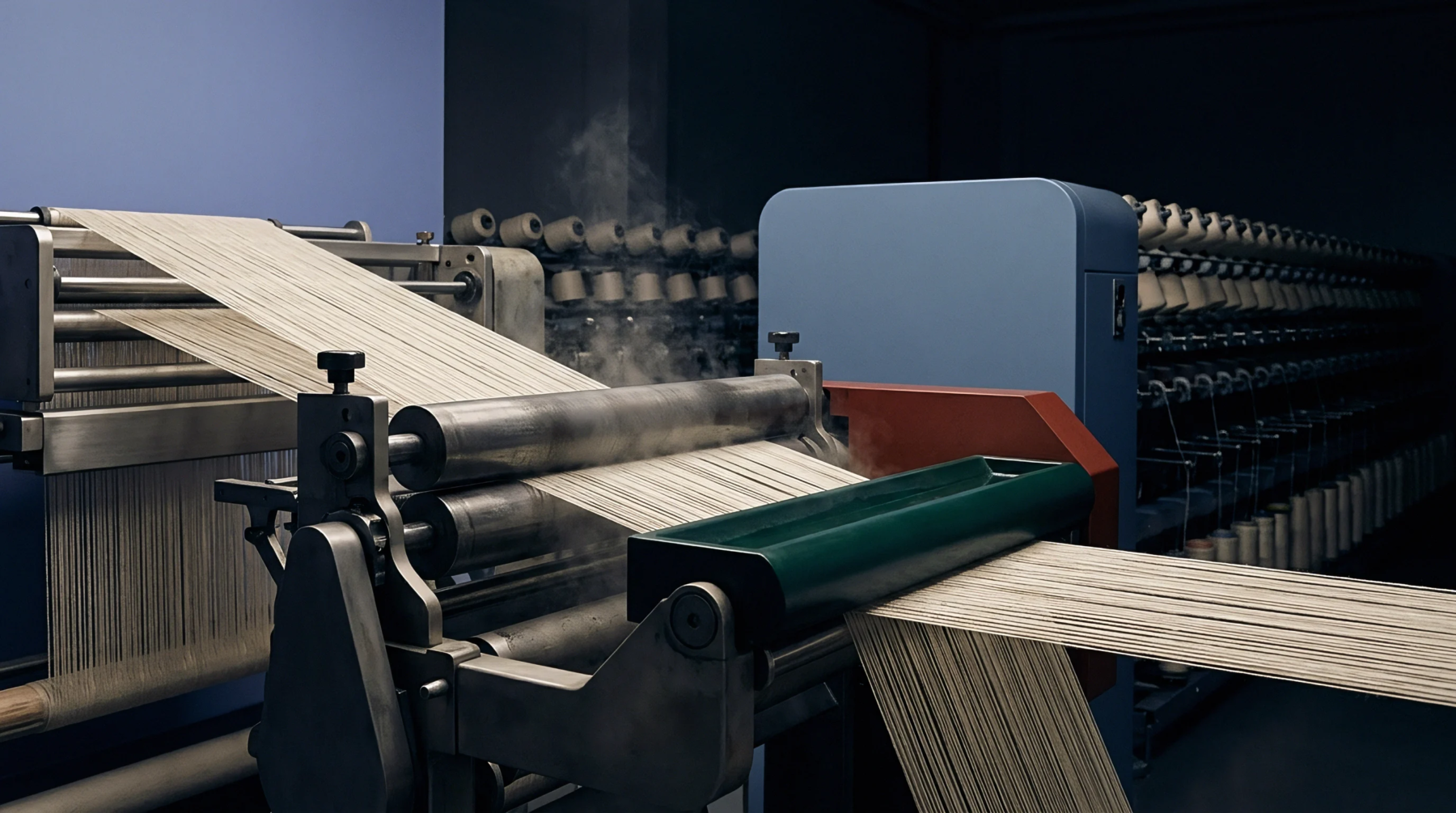
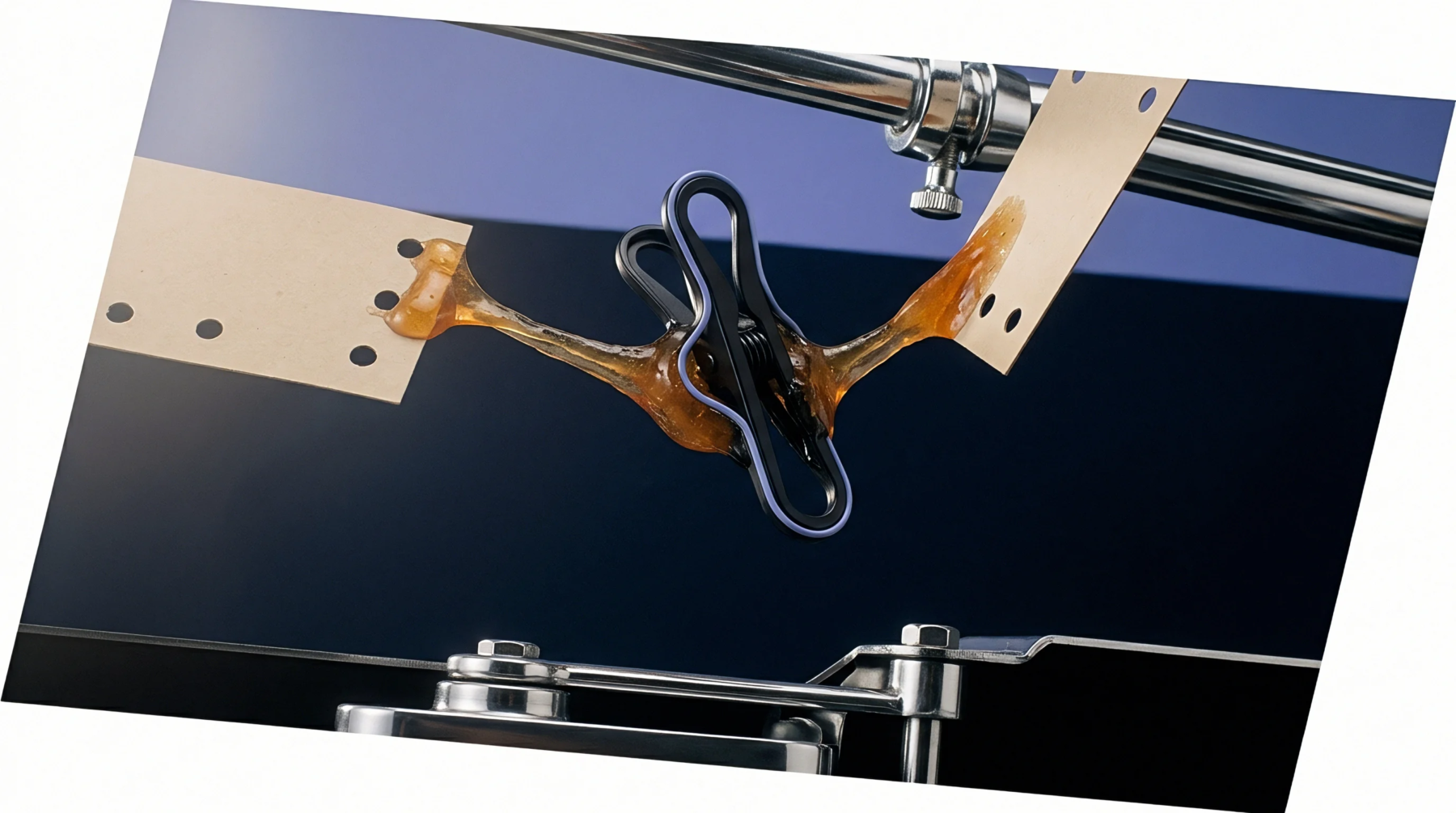
A textile measurement methodology dictates the precise assessment of rubberised fabrics intended for inflatable life-saving equipment through a rigorous test of adhesion strength between the rubber layer and the textile substrate. This iso 2370 procedure establishes the standard conditions for peeling a bonded test piece at a constant speed to determine the force required for separation. Fabric layers subjected to such mechanical tension must maintain integrity under environmental exposure.
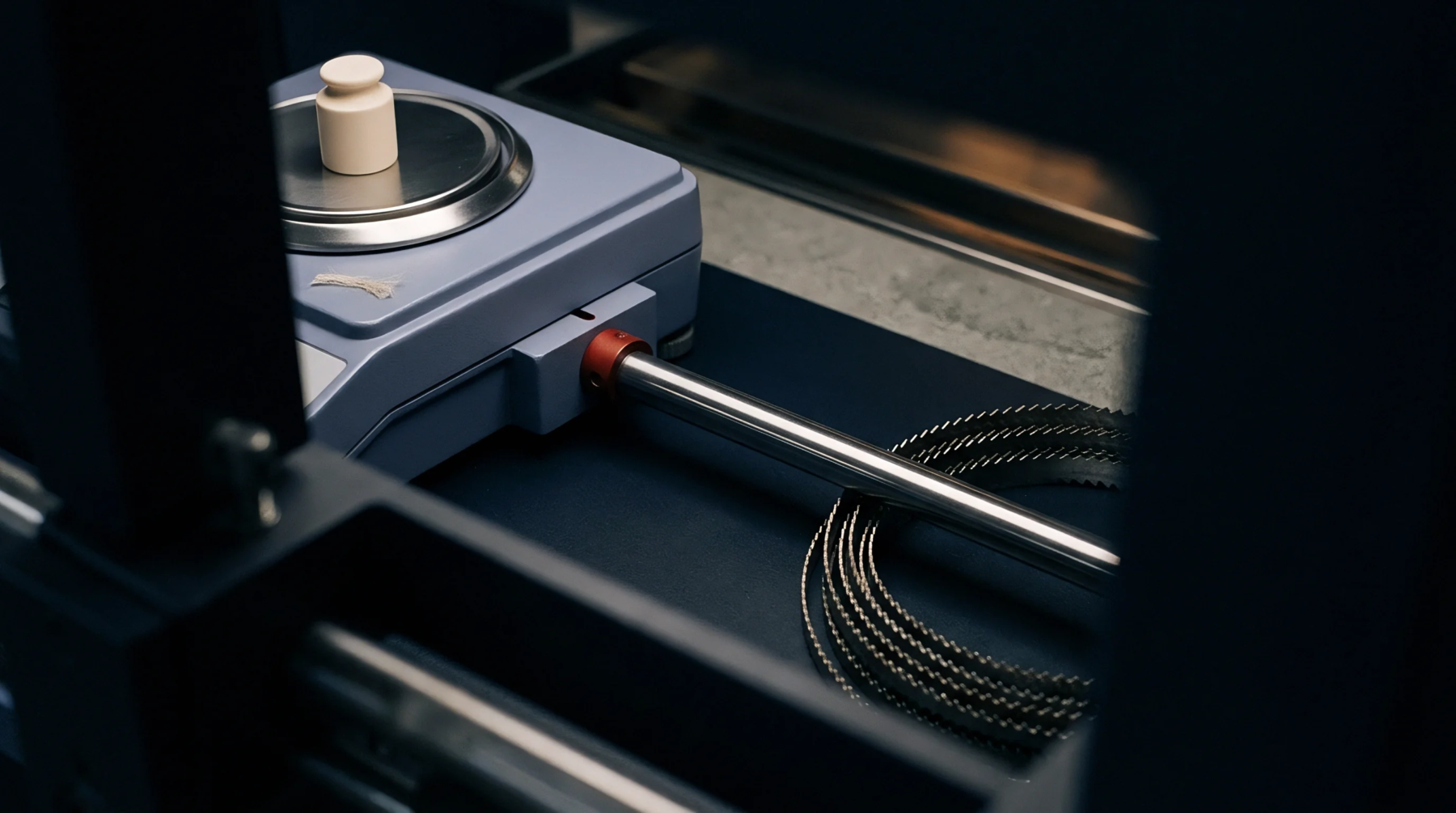
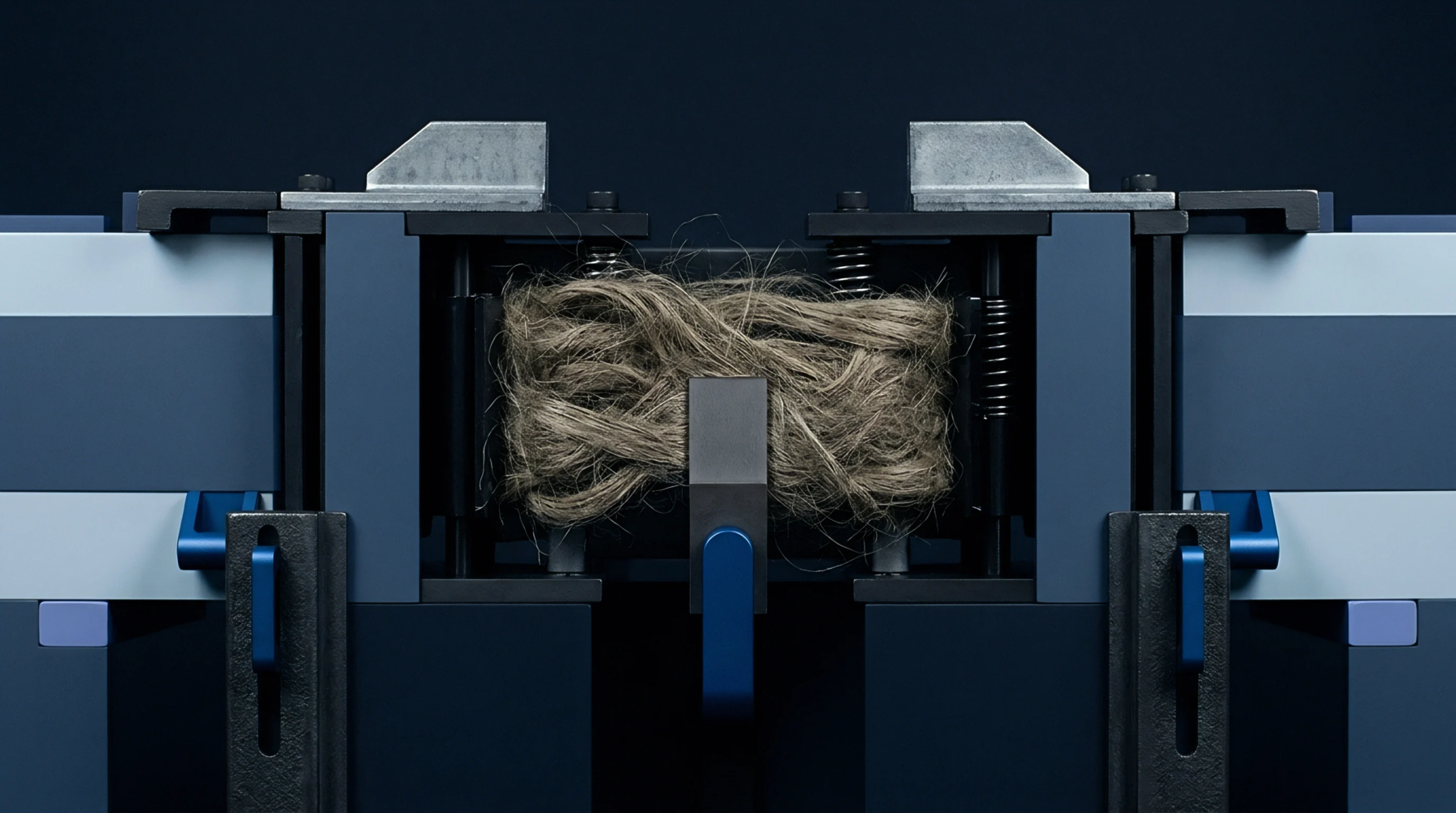
The evaluation focuses on vulcanised materials where the chemical bond determines the life cycle of the finished product. Laboratory technicians mount samples into a universal testing machine to record the average load values exerted until total delamination occurs. Accuracy relies on the calibration of the clamps to prevent slippage during the constant rate of extension.
Material Validation
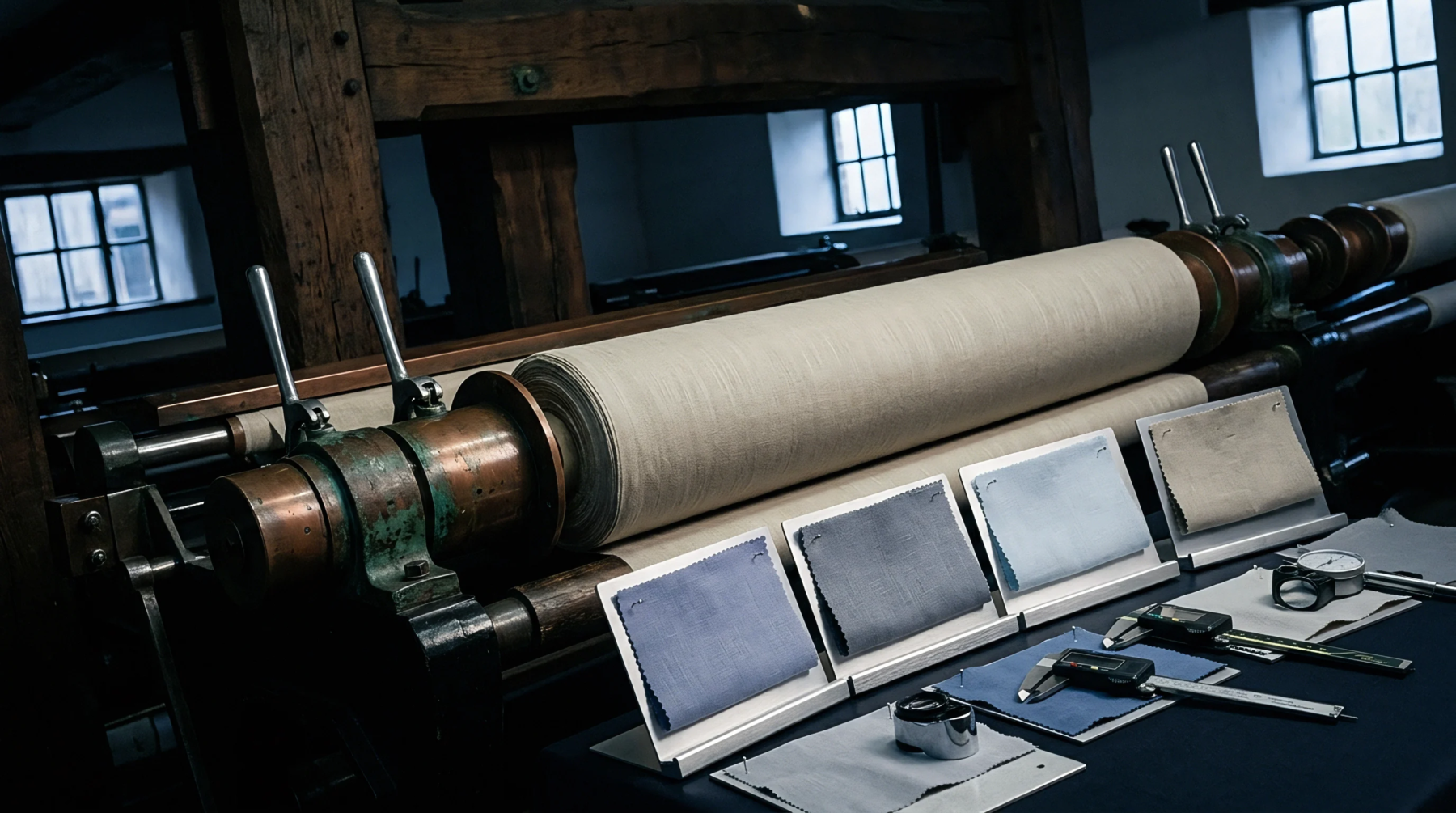
Samples undergo preparation in a controlled atmosphere to standardise moisture content within the cotton or synthetic base before the adhesive application occurs. The laboratory technician cuts test strips to specific dimensions to ensure the force applied during the peel test remains consistent across the width of the specimen. Variations in local thickness might alter the results, so the operator monitors the crosshead movement to detect any irregularity in the vulcanisation process.
If the rubber strips fail to provide sufficient resistance during the test, the batch requires immediate investigation into the priming agents used during production. These results provide the technical data required for quality certificates. Producers confirm the adherence strength meets the minimum Newton threshold defined by the governing safety specifications.
Performance Expectation
Industrial inspectors utilise the recorded peel force to predict how fabric panels withstand internal pressure during maritime deployment. Reliable bonds prevent catastrophic structural separation when the equipment encounters extreme mechanical strain at sea. Consistent readings across multiple test cycles indicate that the manufacturing plant maintains stable control over the heat and duration applied within the vulcanisation press.
Deviations in the observed force expose weaknesses in the chemical bond between the rubber compounds and the fibre structure. High adhesion values indicate a durable finish for inflatable gear.