Fibre Separation
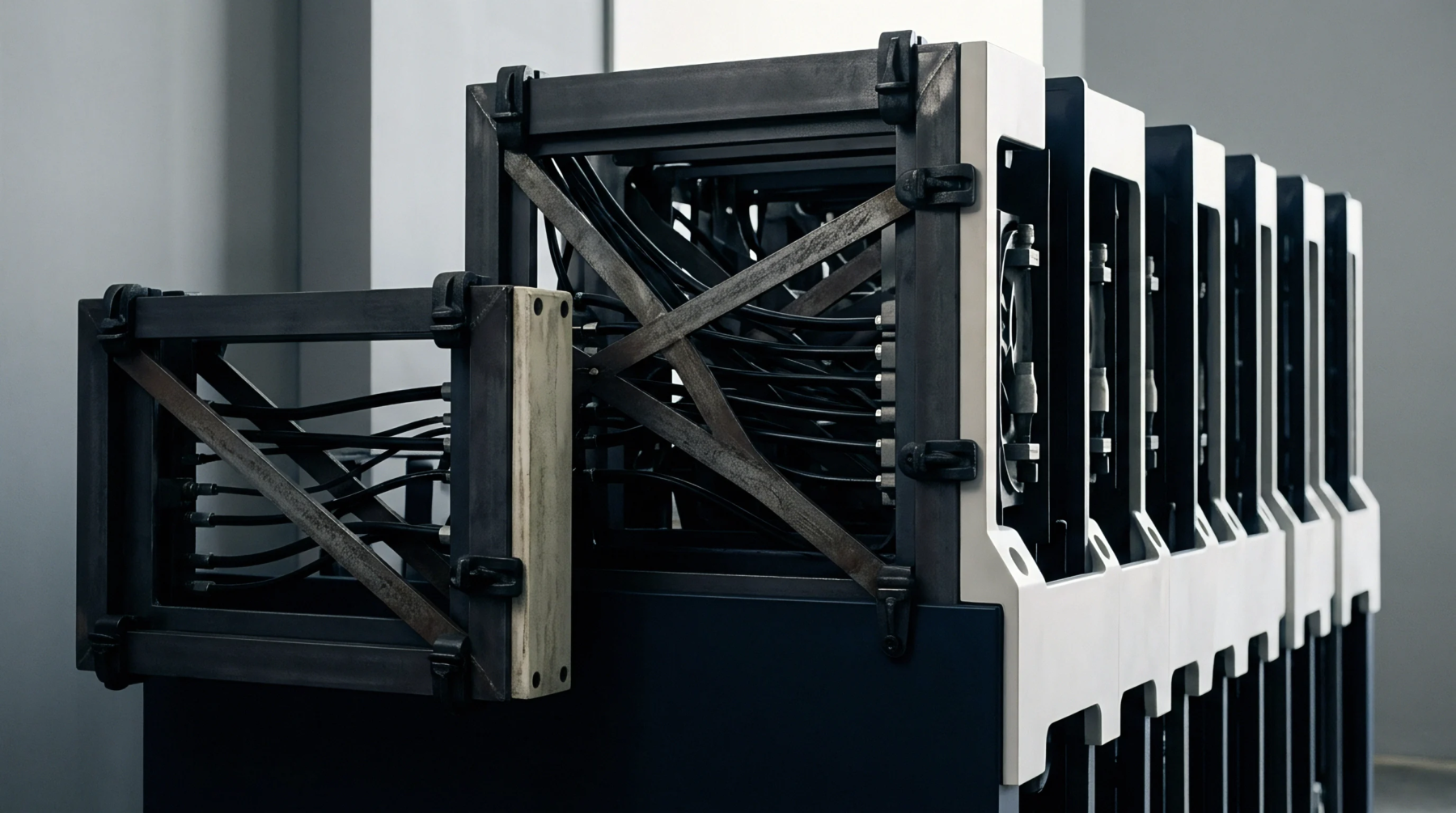
Mechanical decortication governs the initial woody stalk liberation phase inside Chinese flax processing facilities, where high speed fluting rollers break the brittle core into shives without bruising the inner bast ribbons. Industrial hammer mills then beat the fractured material against grid bars to strip away woody fragments, leaving clean technical strands ready for subsequent carding machinery. A technical specification sheet records residual shive content percentages alongside breaking tenacity metrics immediately after this mechanical clearance stage.
Pure fibre grades demand less than one percent non fibrous matter retention, whereas standard spinning lots tolerate higher particulate burdens before wet spinning preparation begins.
Mechanical Calibration
Roller gaps and impact velocities dictate final filament fineness, requiring strict mechanical calibration to prevent excessive fibre breakage during high output runs. Mill engineers adjust striking frequencies according to seasonal straw dryness, because brittle dry stalks fracture prematurely under identical hammer loads. Operators measure output quality through daily tenacity tests, logging tensile strength variations on production control logs before baling the material for wet spinning departments.
Buyer acceptance standards enforce stringent limits on short fibre percentages, distinguishing raw mill yields from export grade thresholds defined in international linen contracts.
Processing Limits
Mechanical separation protocols cease functioning effectively when moisture levels exceed standard storage thresholds, because damp stalks fold around fluting teeth instead of fracturing cleanly. Heavy stem moisture induces gummy residue accumulation on rotating beaters, forcing unscheduled maintenance shutdowns across commercial decortication lines. Final bales undergo moisture meter verification before transport to spinning mills, ensuring compliance with commercial weight dry basis tolerances.