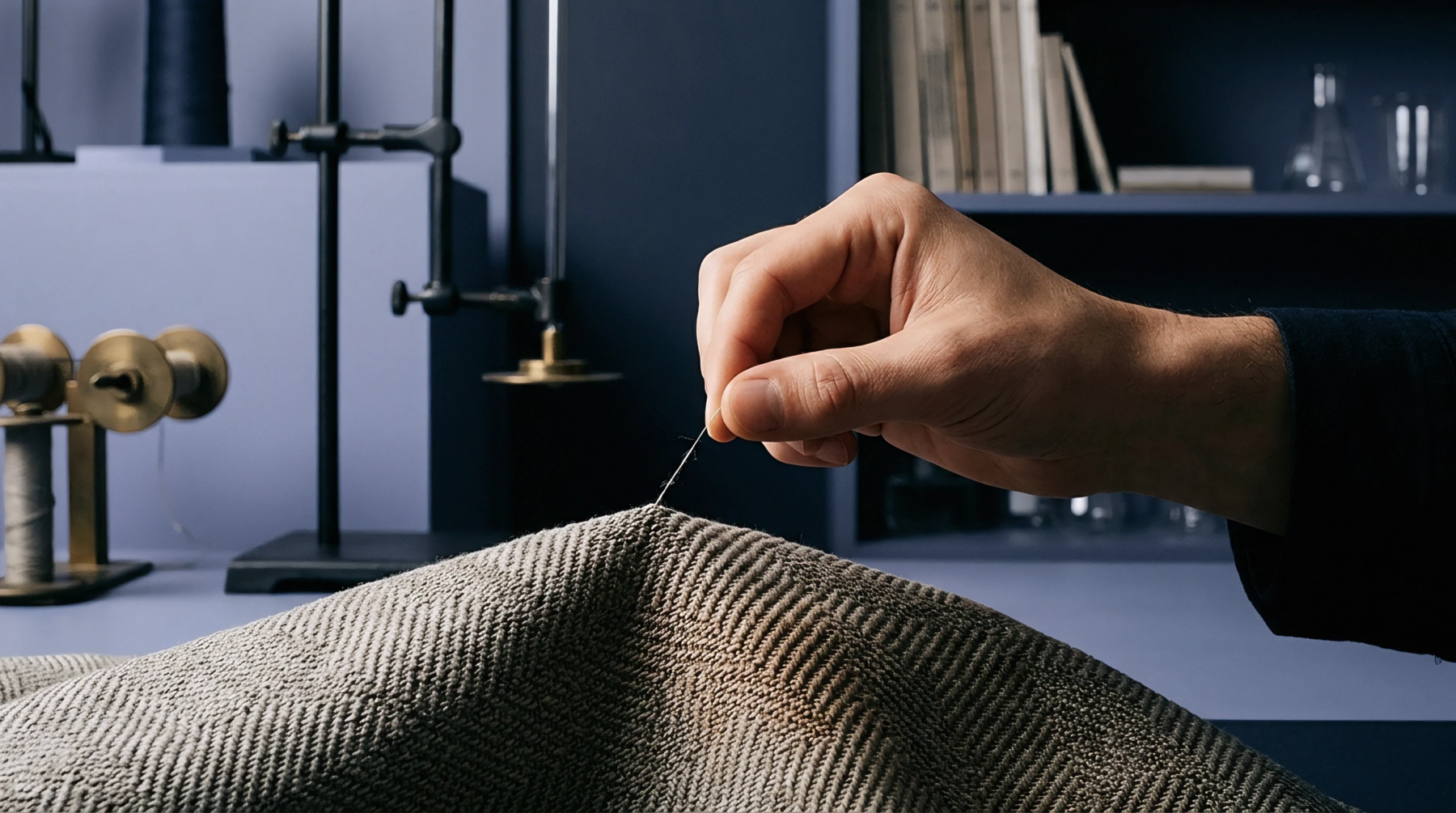
Spinning Operation
High-speed machinery converts attenuated flax sliver into a finer, twisted strand known as roving to prepare the material for the final drafting stage in the spinning frame. A roving frame performs this reduction by drawing the flax through a series of weighted rollers before adding a slight twist to maintain structural integrity during transit to the ring spinning machine. This conversion process defines the point where loose, bulky fibres acquire the density required for high-tension drawing.
Consistent tension across the delivery rollers ensures that the diameter remains uniform throughout the length of the package. Mill operators verify the twist multiplier against the specific fibre fineness grade to prevent breakage during subsequent operations. The resulting roving bobbins move directly to the spinning room for the final transformation into yarn.
If the twist remains too low, the strand snaps under the weight of its own movement, while excessive twist creates friction that hinders the subsequent drafting process in the spinning frame.
Drafting Mechanism
Controlled friction governs the movement of fibres through the drafting zones within the roving frame. Weighted aprons apply pressure to the moving sliver, regulating the speed at which individual fibres travel toward the flyer. This mechanical action reduces the total mass per unit length of the flax strand.
Engineers calculate the total draft ratio by dividing the surface speed of the front delivery rollers by the speed of the back feed rollers. Precise calibration here dictates the evenness of the output roving. Friction coefficients between the rollers and the flax determine the hold applied to the material.
Constant oversight of the weighting pressure prevents slippage or irregular fiber flow.
Quality Control
Inspection protocols focus on the mass per unit length recorded on the production log for each roving frame batch. Mill technicians measure the variance in roving weight to establish the deviation from the target specification agreed upon with the yarn buyer. Acceptance criteria for these packages demand a low coefficient of variation to ensure that the eventual yarn count meets the industrial standard for textile strength.
Regular testing of the twist per inch confirms that the roving maintains its internal coherence during handling. Precise management of this intermediate stage dictates the overall output quality of the spinning line.