Resolving Moisture Regain Disputes in Commercial Linen Yarn Procurement and Greige Invoicing
Verify commercial mass by oven-dry testing under ISO 6741-1 to eliminate excess water billing in commercial linen yarn and greige fabric contracts.
Skein
Flax Hygroscopicity and Fiber Physics
Flax fibers possess a highly amorphous cellulose matrix interweaved with non-cellulosic polymers, including pectin, hemicellulose, and natural waxes. This molecular structure drives rapid moisture absorption from ambient air. Liquid water and water vapor enter the amorphous zones of the primary and secondary cell walls, binding to hydroxyl groups through hydrogen bonding.
Wet-spun linen yarns, processed through a hot water bath that removes soluble pectins and aligns elementary fibers, exhibit different moisture uptake kinetics compared to dry-spun yarns or coarse tow qualities. The official commercial moisture regain allowance for flax yarn stands at twelve percent under standard international specifications such as ISO 6741 and BISFA rules. Commercial yarn shipments, however, encounter wide ambient relative humidity swings during spinning, cone winding, storage, and transit.
A lot packed in high-humidity conditions retains excess water that inflates net weight on the weighbridge without adding textile fiber mass.
Dry-spun line yarn retains higher residual pectin levels, creating a dense hydrophobic barrier that slows initial moisture absorption while increasing moisture retention capacity once saturated. Wet-spun line flax achieves higher packing density in the yarn cross-section. Air channels between elementary fibers in wet-spun yarns are smaller, creating capillarity that pulls ambient humidity into the cone interior.
When a yarn supplier packs packages off the winding frame without standard conditioning, the outer layers reach equilibrium with ambient air while the package core remains at winding moisture levels. Invoicing based on unconditioned net weight causes immediate billing friction when the receiving mill weighs incoming pallets under standard testing conditions.
Wet-spun line flax yarn at sixty-five percent relative humidity reaches twelve percent equilibrium moisture content within forty-eight hours of atmospheric exposure.
The relationship between environmental relative humidity and flax yarn regain is non-linear. Between thirty percent and seventy percent relative humidity, moisture absorption follows a predictable sigmoidal isotherm. Above seventy-five percent relative humidity, capillary condensation within the fiber lumen and interfibrillar pores accelerates weight gain rapidly.
Buyers taking delivery of linen yarn in coastal ports or tropical manufacturing zones face mass increases of three to five percent above billed commercial weight if the seller invoices at actual landed weight without dry-mass adjustment. Conversely, shipping dry-spun tow yarn through arid desert corridors strips moisture from package edges, yielding net weight shortages at destination frame creels.

Fiber Processing Method and Regain Profiles
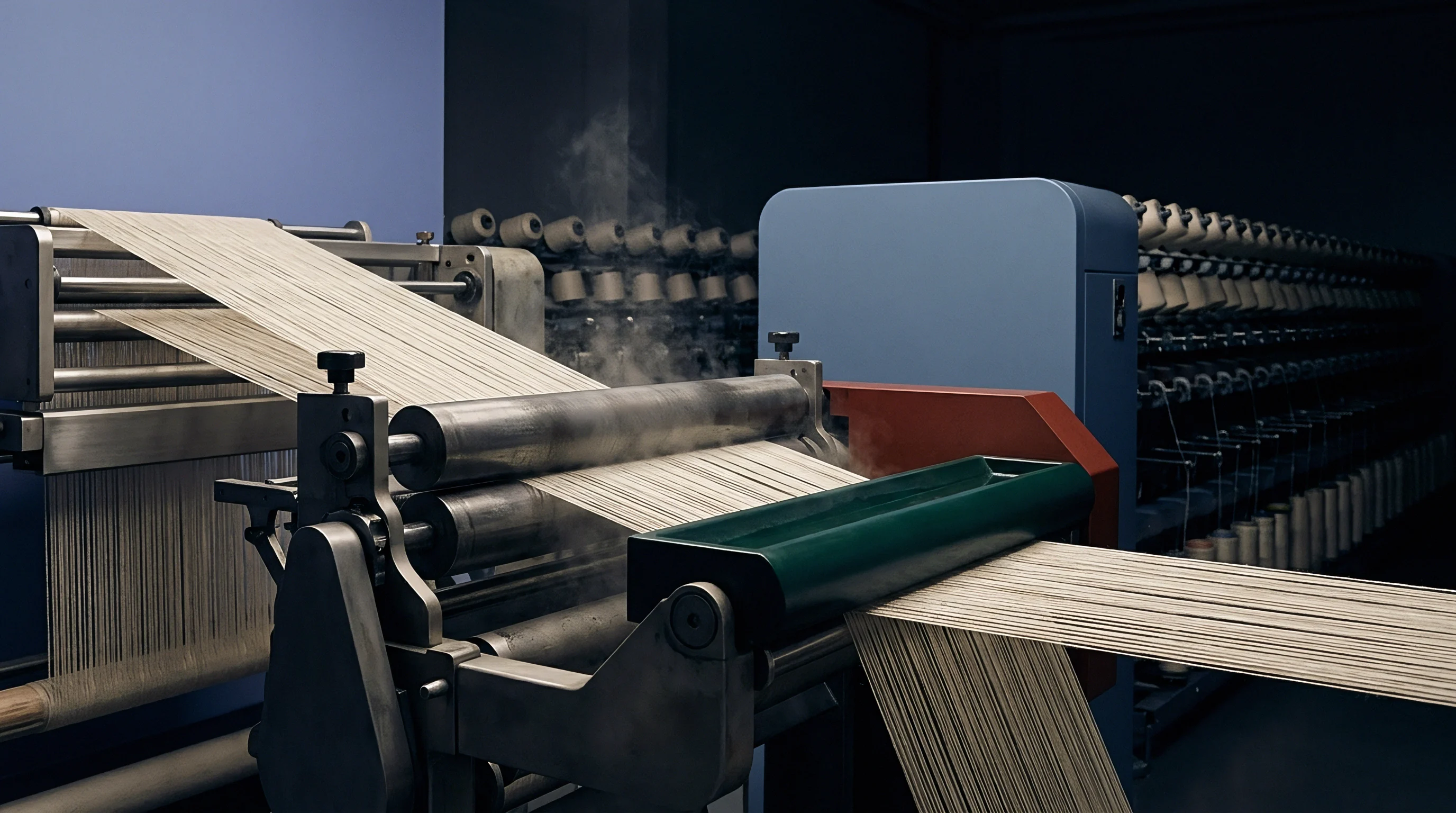
Linen yarn manufacturing routes dictate the total surface area exposed to ambient water molecules. Wet spinning utilizes hot water baths at sixty degrees Celsius to soften pectin encrustations, allowing elementary fibers to draft smoothly into fine yarn counts. This hot-water treatment alters the crystalline ratio of cellulose, rendering the fiber matrix more accessible to moisture vapor than unboiled tow fiber.
Tow yarns, produced from shorter scutching waste fibers through carding and dry spinning, retain coarse bundle structures with intact outer bark fragments and high lignin content. Lignin absorbs less moisture than pure cellulose at low relative humidity, yet retains trapped liquid inside micro-cracks when exposed to high humidity. Yarn spinners using wet-spinning lines must stabilize cone moisture in climate-controlled conditioning rooms prior to weighing and wrapping in polyethylene film.
Unwrapped yarn cones lose or gain up to two hundred grams of water per ten-kilogram package within twenty-four hours of exposure to unconditioned mill floors. When a buyer receives yarn wrapped in permeable film, package weights change during ocean transit. The invoice weight reflects the air conditions of the spinning mill at the moment of packing, not the true dry textile fiber purchased.
A failure to specify commercial mass invoicing tied to oven-dry fiber content results in paying fiber prices for transient ambient water.
| Yarn Type | Spinning Route | Pectin Content (%) | Official Regain (%) | Equilibrium Regain at 65% RH (%) | Equilibrium Regain at 85% RH (%) |
|---|---|---|---|---|---|
| Fine Line Linen (Nm 39-60) | Wet Spun | 1.2 to 1.8 | 12.0 | 11.8 | 16.4 |
| Coarse Line Linen (Nm 10-26) | Wet Spun | 1.8 to 2.5 | 12.0 | 12.2 | 17.1 |
| Tow Flax Yarn (Nm 6-14) | Dry Spun | 3.5 to 5.2 | 12.0 | 11.4 | 18.2 |
| Boiled Line Flax (Nm 26-42) | Wet Spun / Scoured | 0.4 to 0.8 | 12.0 | 12.5 | 15.8 |
Disregard for the differential hygroscopicity between wet-spun line yarn and dry-spun tow yarn distorts raw material cost calculations, leads to warp tension variance across loom beams, and triggers immediate financial claims on high-tonnage contract deliveries.


Oven
Standard Laboratory Oven-Drying Protocols
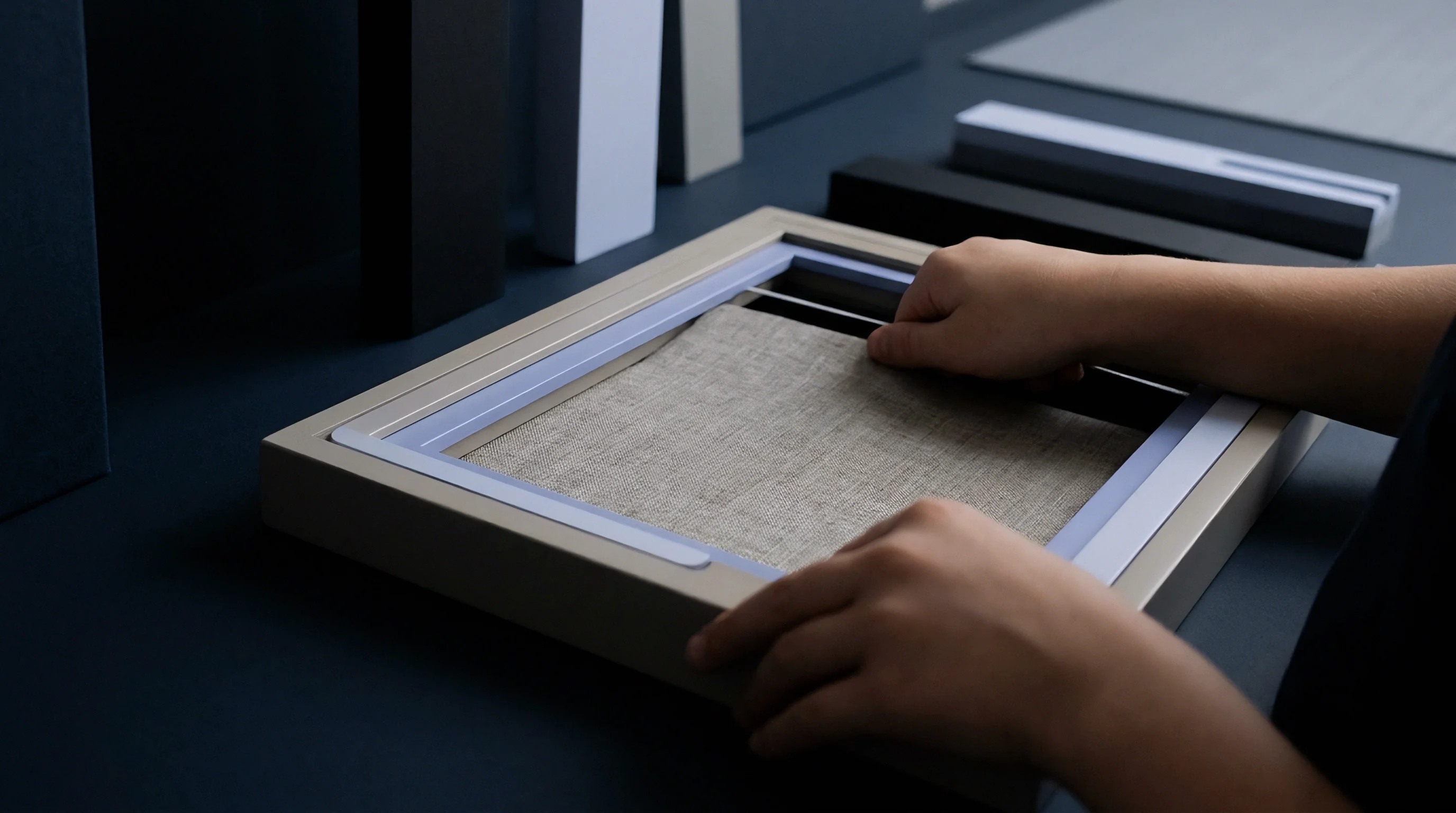
Testing for accurate commercial mass requires absolute drying under controlled thermal conditions. Standard test method ISO 6741-1 defines the reference procedures for determining the mass of yarn lots. Operators sample yarn cones systematically across the delivery lot, taking representative skeins from the outer layers, middle package body, and core yarn near the cardboard tube.
The sampled skeins enter a ventilated drying oven operated at one hundred five degrees Celsius, plus or minus two degrees. Air circulates through the heating chamber at a rate that replaces total chamber volume at least twenty times per hour, driving off free and bound moisture without scorching the cellulosic structure.
Drying continues until consecutive weighings at fifteen-minute intervals show less than 0.05 percent change in sample mass. This state establishes the oven-dry mass of the textile sample. Oven-dry mass excludes all volatile water while retaining natural fats, waxes, and insoluble impurities.
The operator weighs the hot sample inside the oven using an integrated precision balance or transfers the sample to a sealed weighing container to prevent immediate moisture absorption from laboratory air. A balance precision of 0.001 grams is required for test samples weighing between fifty and one hundred grams.
Analytical Calculations and Laboratory Verification
The testing sequence follows a strict analytical progression to guarantee reproducible mass determination.
- Sample selection requires stripping fifty meters of yarn from the surface of ten randomly selected cones to remove surface contamination and localized ambient moisture spikes.
- Initial gross mass measurement occurs on a calibrated balance within thirty seconds of unwinding the sample skeins from their package cores.
- Tare mass determination of the perforated stainless steel sample basket takes place prior to loading the textile specimen into the drying zone.
- Isothermal drying runs inside the forced-air oven at one hundred five degrees Celsius until mass constancy is verified across three successive intervals.
- Standard commercial mass calculation applies the official regain allowance of twelve percent to the oven-dry mass result along with allowable scoured extraction additives.
Oven drying at one hundred five degrees Celsius establishes the absolute baseline mass required to settle commercial invoice disputes.
Handheld electronic moisture meters using electrical resistance or dielectric capacitance provide rapid estimates on the factory floor. They lack official standing in legal and commercial disputes. Capacitance probes read surface moisture density, which shifts based on yarn density, package winding tension, and local chemical finishes.
Resistance meters depend on salt concentrations within residual retting water, causing wide measurement drift between different retting origins. When an incoming yarn lot shows mass discrepancies during weighbridge intake, formal dispute resolution relies exclusively on laboratory oven-drying protocols conducted by an accredited independent testing facility.
| Test Method | Primary Standard | Measurement Principle | Test Duration | Accuracy Range (%) | Dispute Standing |
|---|---|---|---|---|---|
| Forced-Air Oven Drying | ISO 6741-1 / ASTM D2495 | Gravimetric water evaporation at 105°C | 2 to 4 hours | ± 0.05 | Definitive / Contractual |
| High-Frequency Dielectric | Commercial Practice | Capacitance shift in electromagnetic field | 10 seconds | ± 1.50 | Screening Only |
| Electrical Resistance | Commercial Practice | Conductivity through yarn package | 5 seconds | ± 2.00 | Screening Only |
| Infrared Moisture Analyzer | ISO 2060 (Modified) | Infrared thermal evaporation balance | 15 to 30 minutes | ± 0.20 | Internal Audit Only |
Contracts incorporating standard clause ISO 6741-2 bind both buyer and seller to adjust final invoice amounts directly against laboratory oven-dry verification results.

Transit
Why Do Sea Containers Alter Greige Linen Mass?
Linen yarn and greige fabric travel across international trade routes inside steel ocean containers exposed to extreme diurnal temperature shifts. A container loaded in a humid temperate port during autumn experiences internal air warming up to fifty degrees Celsius during tropical transit, followed by rapid cooling at night. Relative humidity inside the sealed container swings between forty percent and ninety-five percent, creating condensation on interior steel walls.
Greige linen fabric rolls placed on wooden pallets absorb condensation water on exposed edges. Water uptake during sea transit increases roll gross weight while inducing structural defects across the woven greige cloth.
Greige linen woven on high-speed air-jet or rapier looms carries starch, polyvinyl alcohol, or carboxymethyl cellulose sizing agents applied during warp preparation. Sizing films absorb moisture at a higher rate than raw flax fiber. As humidity inside the ocean container climbs, the size film softens and swells, bonding adjacent fabric layers on the roll.
When the roll dries in a destination warehouse, the bonded layers pull warp yarns out of alignment, causing tight picks, wavy selvages, and width contraction across the bolt.
Woven greige cloth weight per unit area changes continuously during transit as moisture moves through the fabric roll. A greige fabric specification calling for two hundred twenty grams per square metre at sixty-five percent relative humidity can measure two hundred thirty-five grams per square metre upon container opening at a humid destination port. Invoicing greige cloth on gross scale weight measured directly off the container chassis shifts transit moisture costs entirely onto the buyer.
Receiving mills must unwrap fabric rolls and condition them on inspection tables in standard atmospheric environments of twenty degrees Celsius and sixty-five percent relative humidity for twenty-four hours before taking official weight measurements.
Moisture absorption during storage and shipping generates specific mechanical and visual faults in greige linen rolls.
- Corrugated Roll Edges occur when exposed roll faces absorb moisture faster than the core, expanding fabric width unevenly across the cardboard tube.
- Mildew Bloom Stains form when local moisture content exceeds eighteen percent inside sealed plastic wrapping for more than seven days, causing irreversible fiber discoloration and tensile loss.
- Selvage Tightness Skew results from differential swelling of warp ends in high-density leno selvages compared to the open weave structure of the fabric body.
- Sizing Gel Lock develops when high humidity dissolves water-soluble warp sizing agents, fusing overlapping fabric layers into a rigid block.
Greige linen cloth stored above seventy-five percent relative humidity experiences measurable selvage contraction within seventy-two hours.
Suppliers frequently defend delivery weight surges by claiming that ocean transit naturally adds benign moisture weight that disappears during wet finishing operations.

Tariff

Commercial Invoicing Formulas and Invoiced Mass Math
Invoicing commercial linen yarn on gross weight introduces systematic overbilling whenever moisture levels exceed standard commercial regain thresholds. The correct invoice calculation relies on Commercial Mass, defined by international trade standards as the dry mass of the yarn plus the official moisture regain allowance, plus permissible commercial allowances for processing additives. The mathematical equation governing commercial mass determination is written as:
Commercial Mass = Oven Dry Mass x (1 + Official Regain Rate / 100) x (1 + Commercial Allowance Rate / 100)
For unboiled linen yarns, the official commercial regain rate is twelve percent. The commercial allowance for added spinning lubricants, oils, and waxes is capped at one.five percent under BISFA rules. When a spinner delivers a yarn lot with an actual net weight of ten thousand kilograms, calculating the true landed cost requires laboratory determination of oven-dry mass.
If testing reveals an average moisture regain of fifteen percent across the sampled packages, three percent of the delivered weight consists of excess water above the commercial limit.
Assume a commercial linen yarn order of ten thousand kilograms contracted at fifteen Euros per kilogram. The total contracted value equals one hundred fifty thousand Euros based on twelve percent commercial regain. Upon arrival, scale weight reads ten thousand two hundred kilograms due to high ambient moisture content.
Laboratory testing establishes that the lot contains eight thousand seven hundred kilograms of oven-dry textile mass.
The correct commercial mass calculation proceeds as follows:
Oven Dry Mass = 8,700.00 kg
Official Regain Allowance (12%) = 8,700.00 x 0.12 = 1,044.00 kg
Official Processing Additive Allowance (1.5%) = 8,700.00 x 0.015 = 130.50 kg
Correct Invoiced Commercial Mass = 8,700.00 + 1,044.00 + 130.50 = 9,874.50 kg
Calculated Financial Adjustment = (10,200.00 kg billed – 9,874.50 kg actual commercial mass) x 15.00 Euros/kg = 4,882.50 Euros overcharge.
Invoicing linen yarn without adjusting actual weight to standard commercial regain results in a direct overpayment of nearly five thousand Euros per ten-tonne shipment under high moisture conditions.
A structured commercial adjustment protocol relies on clear documentation steps during intake inspection.
- Gross Scale Recording requires weighing the delivery truck or pallet lot on certified industrial scales prior to package unloading.
- Tare Weight Deduction demands stripping all wooden pallets, cardboard boxes, plastic film, and interior paper cones to establish true net delivery mass.
- Laboratory Core Sampling calls for extracting ten sample packages per five tonnes of yarn across top, middle, and bottom pallet positions.
- Oven-Dry Determination calculates the absolute dry fiber mass per sample according to ISO 6741-1 testing parameters.
- Invoice Credit Issuance enforces a mandatory financial credit note from the supplier whenever delivered commercial mass falls below billed mass by more than 0.5 percent.
Greige Fabric Invoicing Adjustments
Greige linen cloth transactions introduce added complexity because warp sizing materials add mass to the woven structure. Sizing content varies between three percent and eight percent of total dry fabric weight depending on loom settings, yarn count, and warp density. A mill purchasing greige linen on a weight basis must account for both size percentage and moisture regain.
If a supplier invoices greige fabric based on off-loom weight without specifying dry fiber content, the buyer pays full cloth prices for temporary warp starches and ambient moisture.
Greige fabric specifications must state the targeted clean dry fabric weight alongside the maximum allowable size content and official moisture regain. When inspecting incoming greige rolls, laboratory testing measures both desized dry weight and moisture regain. If desizing reveals excess size application above the contract specification limit, the excess weight is deducted from the invoiced mass alongside any moisture regain surcharges.
| Tested Moisture Regain (%) | Delivered Scale Net Mass (kg) | Calculated Oven-Dry Mass (kg) | Billable Commercial Mass (12% Regain) (kg) | Contract Base Price (€/kg) | Adjusted Invoice Value (€) | Net Financial Variance (€) |
|---|---|---|---|---|---|---|
| 10.0 (Dry Lot) | 9,821.43 | 8,928.57 | 10,000.00 | 15.00 | 150,000.00 | 0.00 (Base Target) |
| 12.0 (Standard) | 10,000.00 | 8,928.57 | 10,000.00 | 15.00 | 150,000.00 | 0.00 (Standard) |
| 14.0 (Moist Lot) | 10,178.57 | 8,928.57 | 10,000.00 | 15.00 | 150,000.00 | -2,678.55 (Credit Due) |
| 16.0 (Saturated Lot) | 10,357.14 | 8,928.57 | 10,000.00 | 15.00 | 150,000.00 | -5,357.10 (Credit Due) |
Settling raw material accounts on certified dry mass rather than gross scale weight removes ambient weather volatility from commercial purchasing balances.


Audit
Dispute Resolution Workflows and Acceptance Protocols
Establishing clear audit protocols in master procurement agreements prevents prolonged legal disputes between yarn spinners, greige weavers, and trading houses. When an incoming shipment exhibits mass discrepancies exceeding agreed contract tolerances, the buyer initiates a formal hold protocol. The affected lot is segregated in a climate-controlled warehouse area away from direct sunlight, loading docks, or active mill ventilation units.
The buyer issues a formal notification of discrepancy within five business days of delivery, attaching scale receipts, tare records, and initial conditioning measurements.
The supplier retains the right to inspect the segregated lot and request joint sampling within seven days of notice. Sampling takes place in the presence of technical representatives from both parties. An independent, ISO 17025 accredited textile testing laboratory receives sealed sample sets for definitive oven-dry mass and composition analysis.
The laboratory testing cost is borne by the party whose claims are disproved by the analytical result. If the tested commercial mass falls within plus or minus 0.5 percent of the billed invoice weight, the invoice stands as rendered and the buyer pays testing costs. If the tested commercial mass falls below billed weight by more than 0.5 percent, the seller issues an immediate revised invoice reflecting actual commercial mass and reimburses testing fees.
Contracts specifying greige fabric quality must isolate raw fiber weight from sizing additives, finishing oils, and environmental moisture content. A comprehensive purchasing dossier includes certified scale records, atmospheric logs from the spinning or weaving floor during production, laboratory oven-dry certificates, and signed chain-of-custody forms for test samples. Incorporating automatic mass adjustment formulas into commercial contracts converts complex physical fiber behavior into predictable accounting procedures, safeguarding capital during raw material procurement.
What remaining measurement variations occur when high-capacity air-jet sizing formulations interact with regional retting water mineral residue?