Spun Intermediate
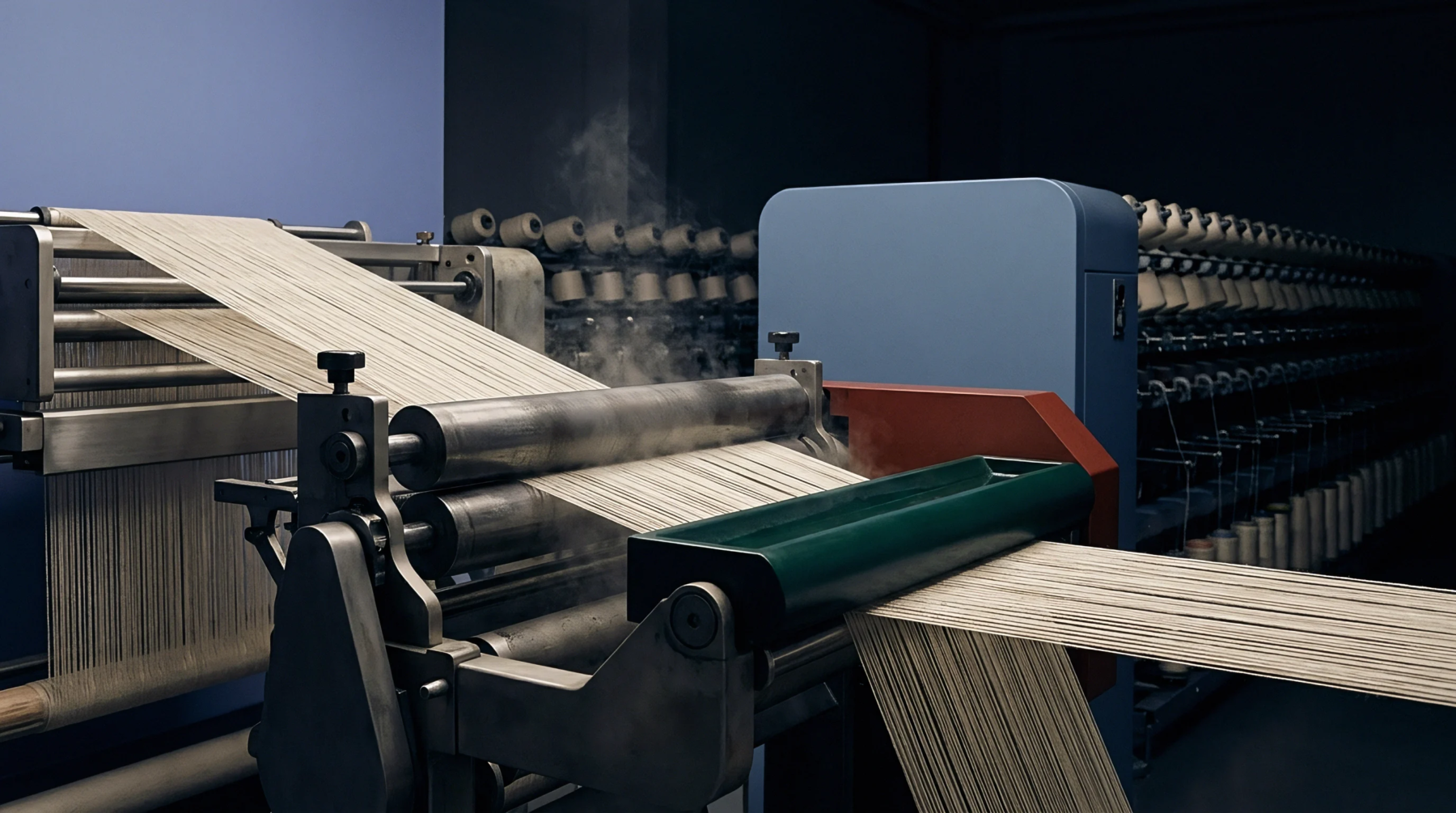
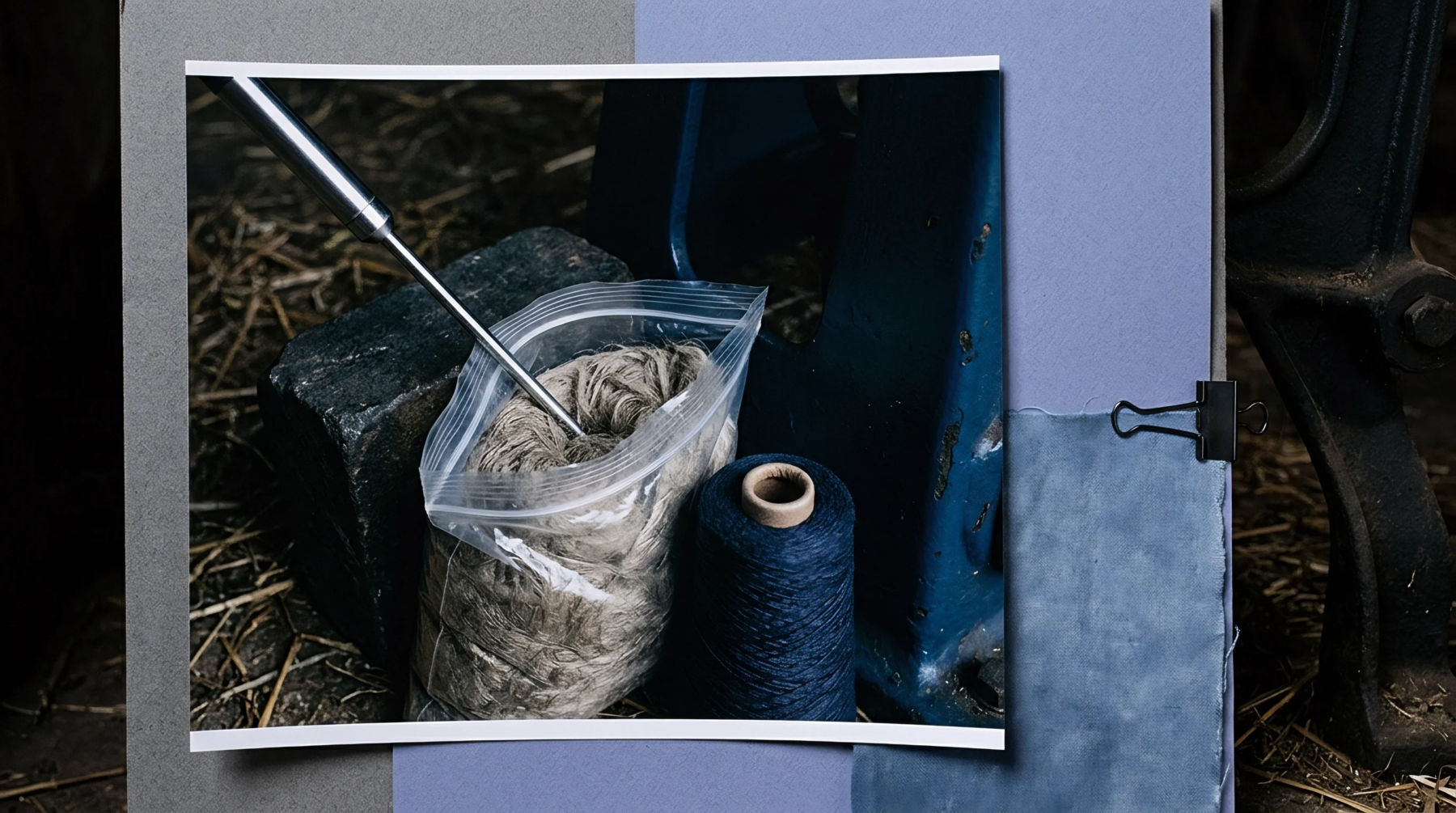
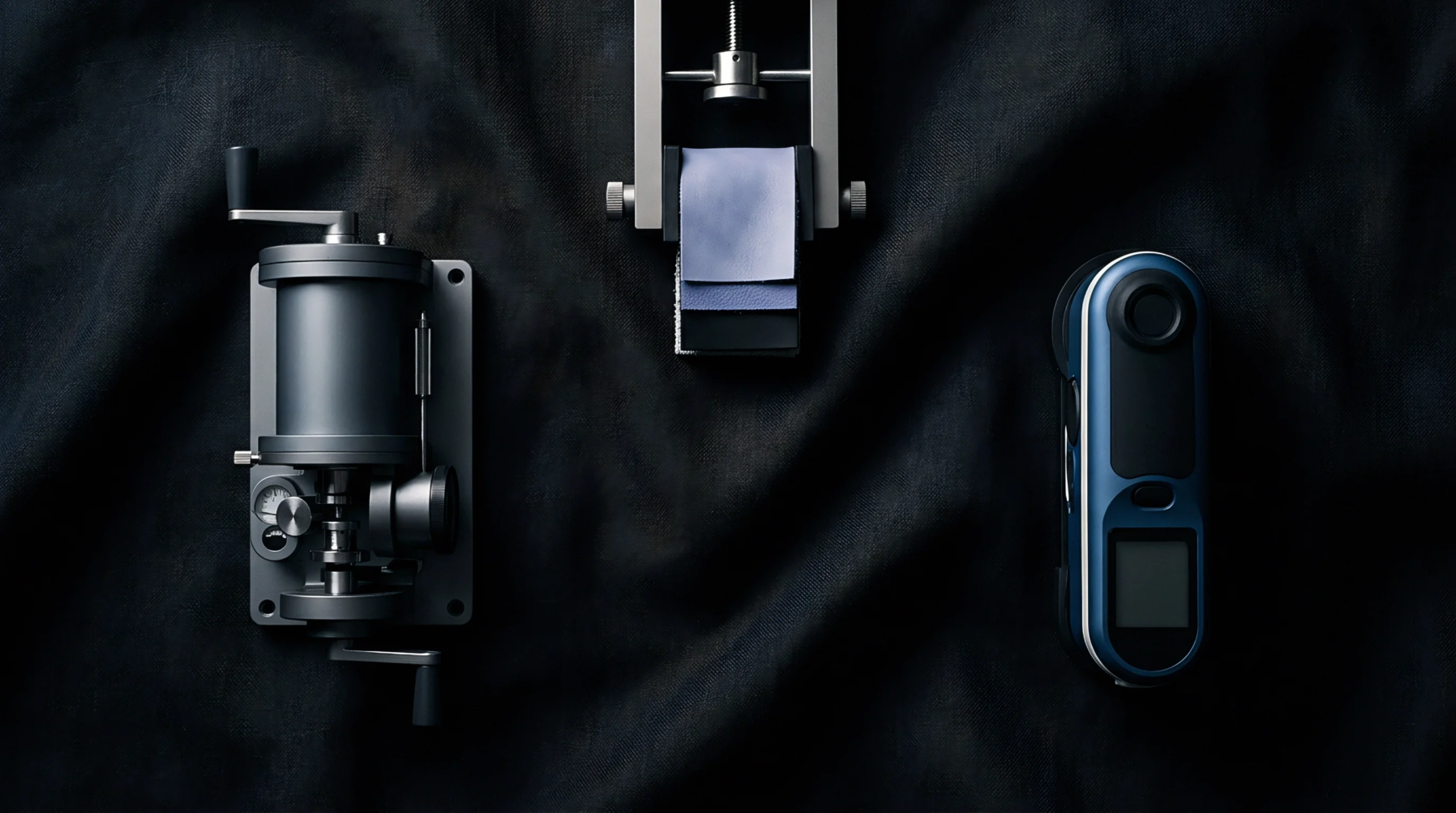
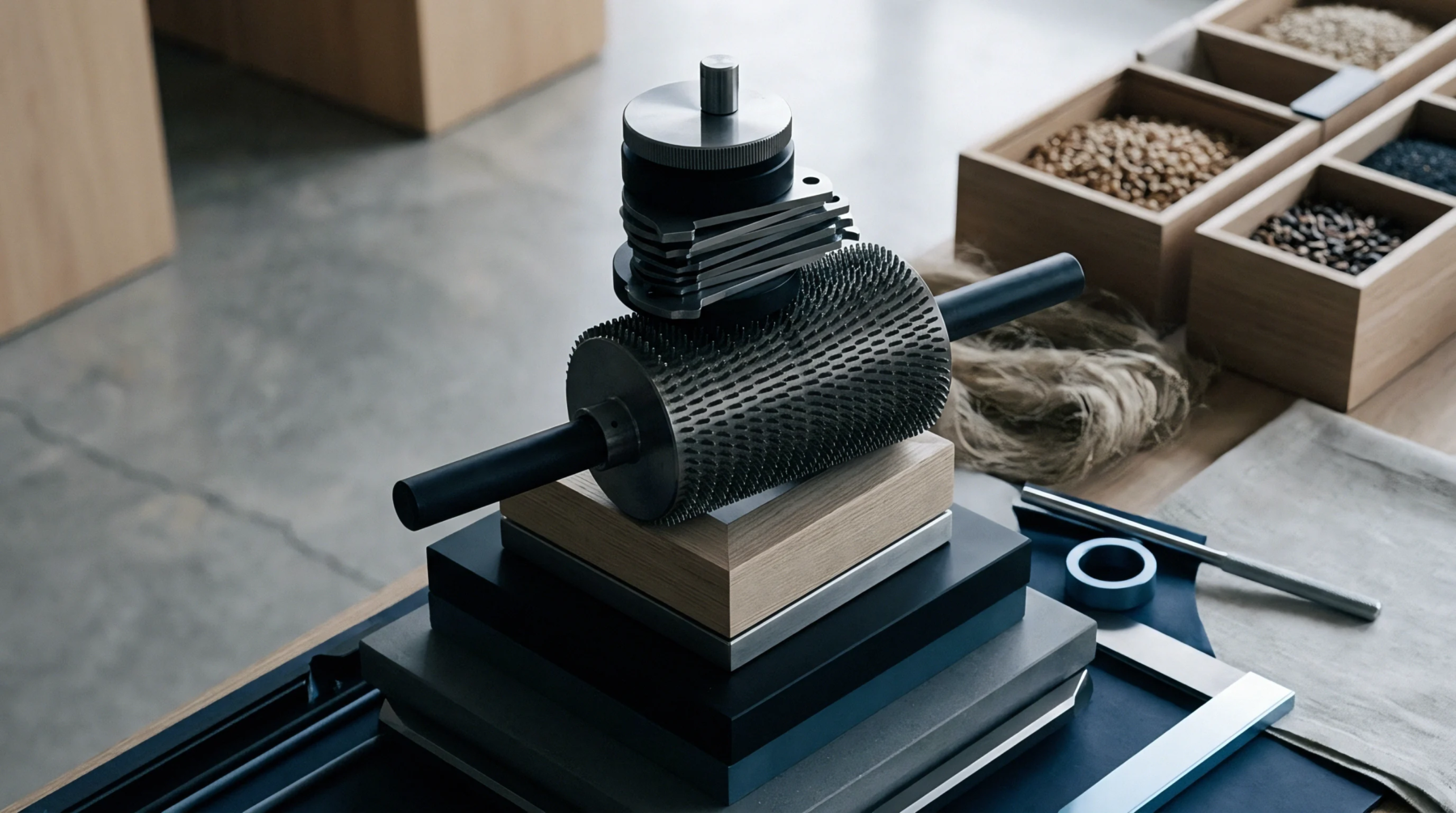
Linear textile strands produced by drawing and twisting combed flax fibres form the essential material for weaving linen fabrics. Spun from long line or short tow fibres, flax yarn is evaluated for its tensile strength and twist per meter at the spinning mill before it is dispatched to the weaving department. Technicians record these physical parameters in the spinning batch certificate to certify that the yarn meets the minimum standards for high-speed weaving.
Weaving Integrity
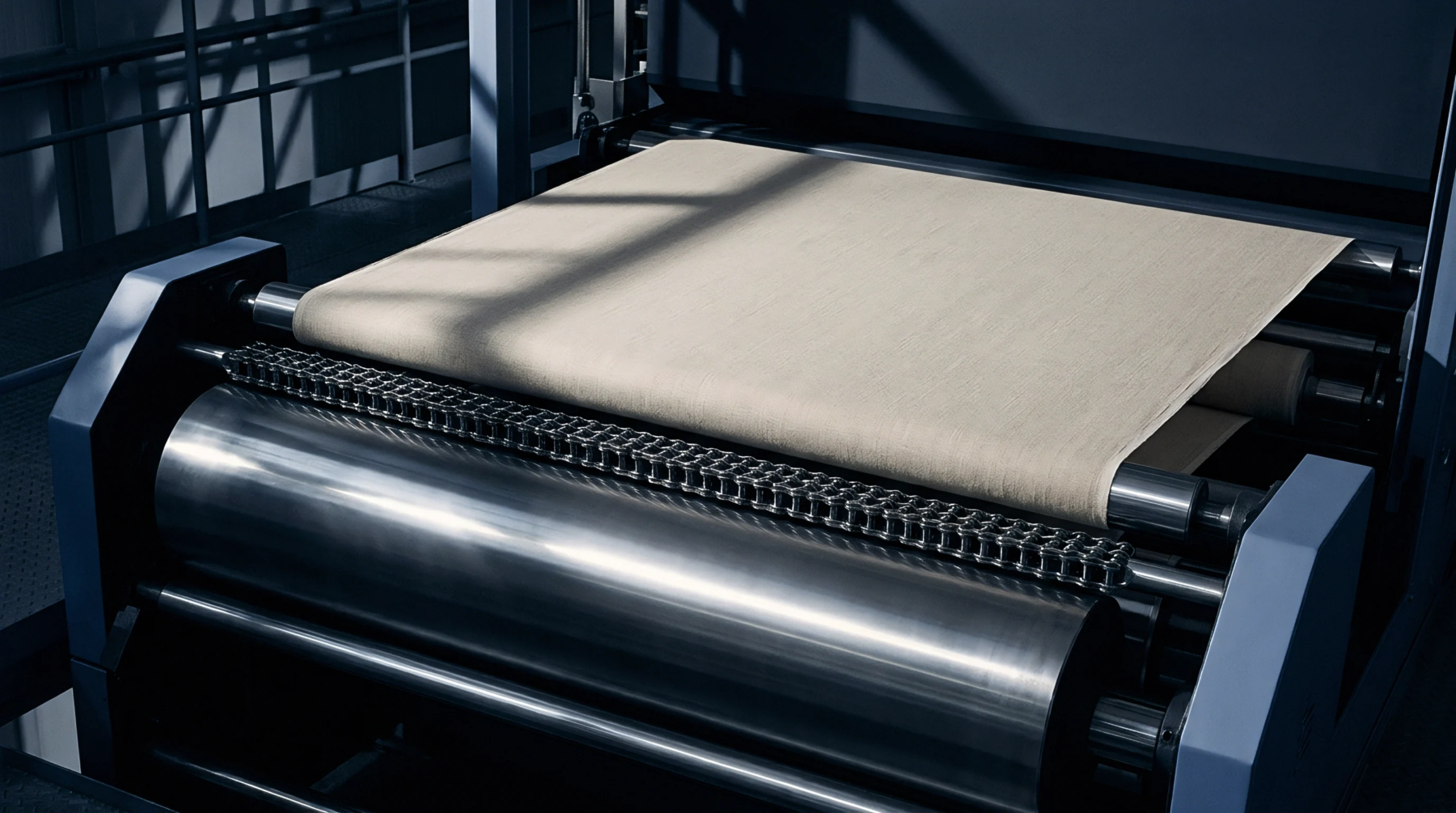
Low-quality yarn with high hairiness or frequent thin places causes repeated warp breaks on the loom, reducing weaving efficiency and creating fabric defects. Applying the correct twist and density to the flax yarn ensures that it can withstand the high mechanical tensions of the shuttleless rapier looms used in modern Chinese mills. Wet-spun yarn yields a smooth, lustrous fabric, while dry-spun yarn produces a coarser texture suited for heavier home textiles.
Commercial Acceptance
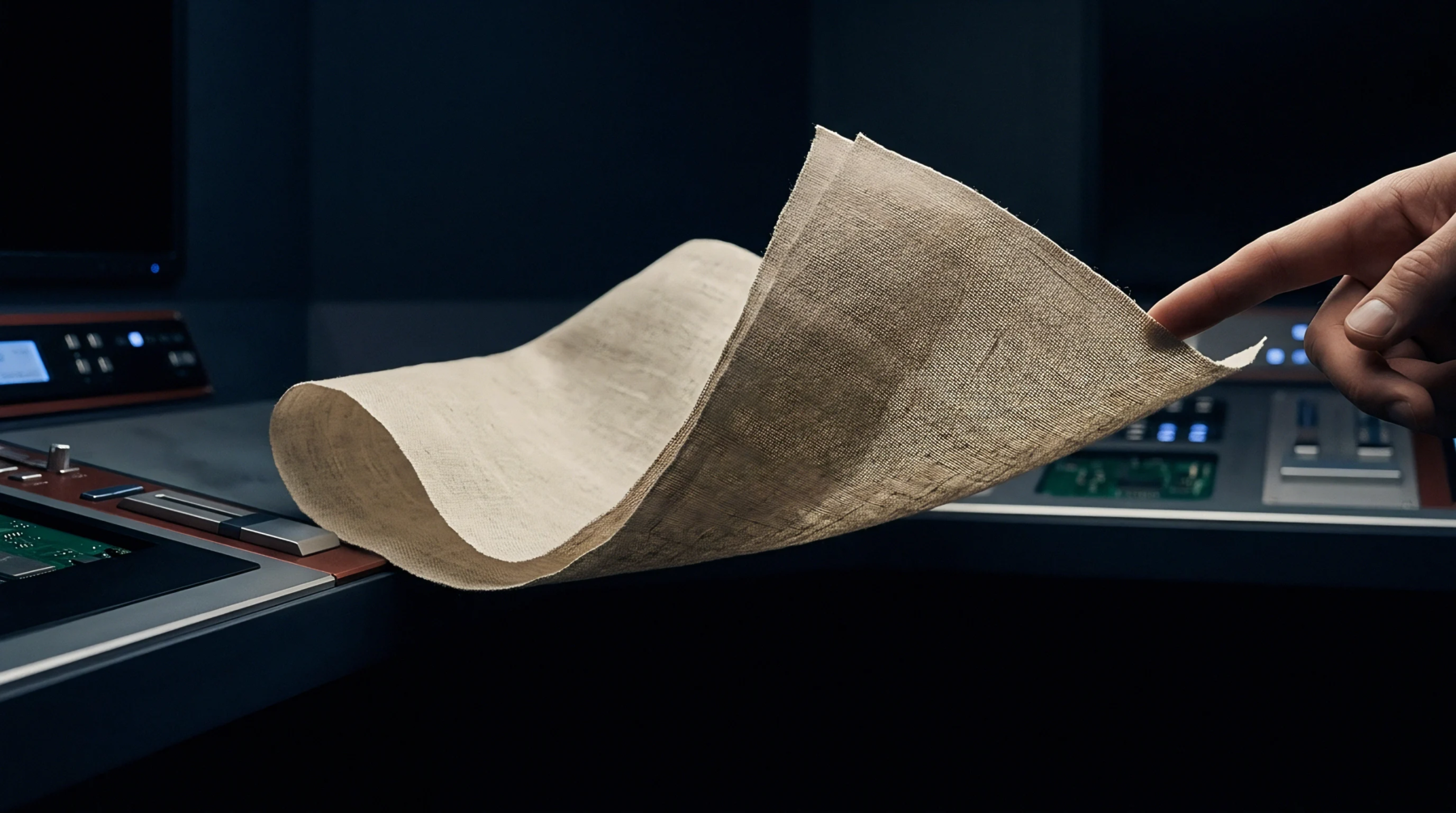
Purchasers of the woven fabric compare the yarn diameter uniformity and strength against the buyer’s acceptance criteria to ensure that the finished linen meets the contract specifications. The mill’s internal standard defines the allowable limits for thick and thin places per kilometer, which are registered on the yarn quality report. This quality document accompanies the yarn shipment to the weaving factory, ensuring that the finished linen export matches the international buyer’s performance expectations.
By adhering to these strict criteria, the mill guarantees that the finished linen maintains its dimensional stability and resists pilling through subsequent industrial laundering processes.