Cellular Binding
Polysaccharide networks known as a hemicellulose matrix anchor cellulose microfibrils inside bast fibre cell walls during flax stalk maturation. Interlocking covalent bonds join xyloglucans and glucuronoroxylans directly to lignin polymers within the secondary wall architecture. Residual gum fractions undergo partial alkaline degradation during alkaline boiling stages in Chinese processing facilities.
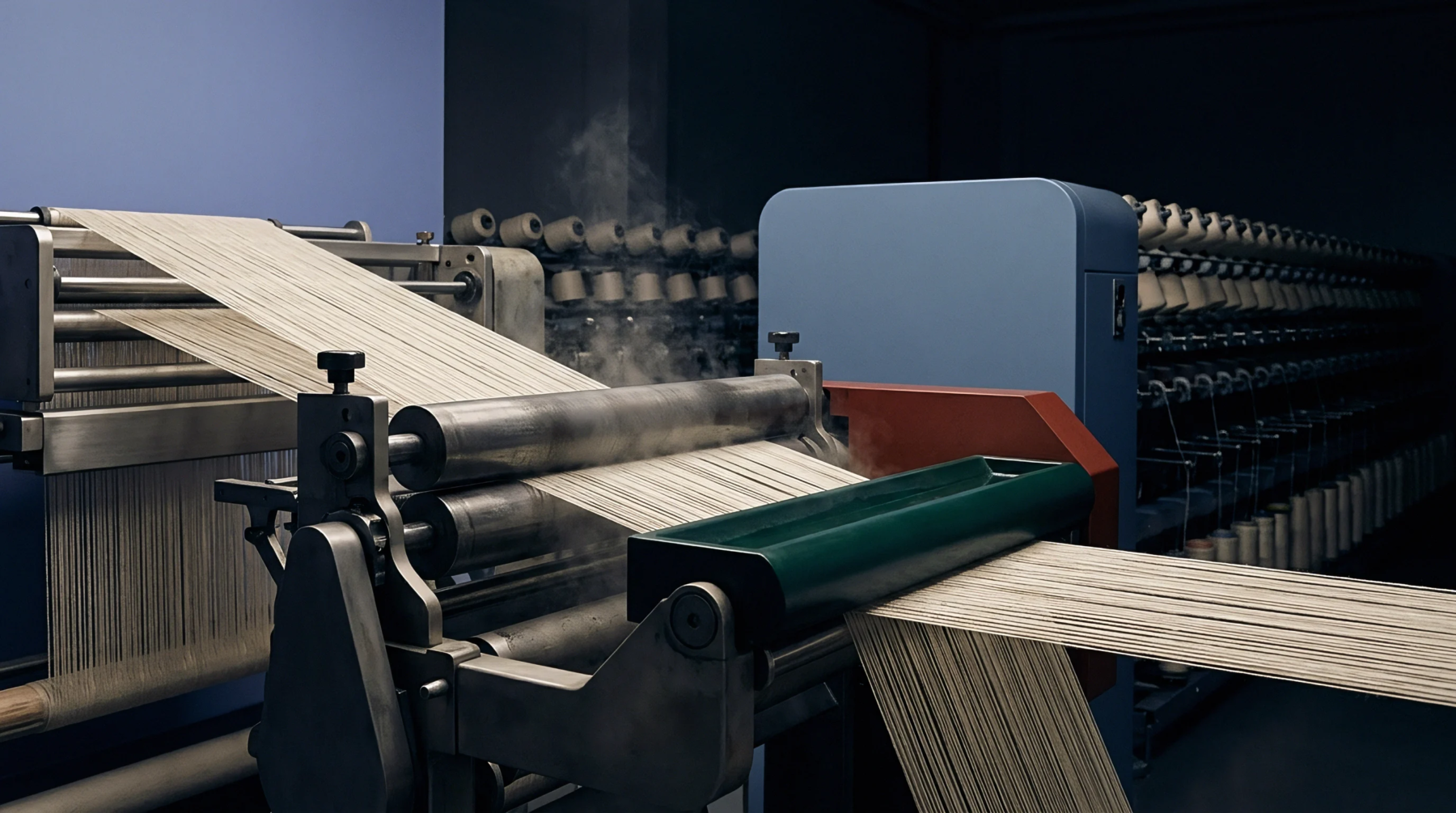
Chemical extraction removes cementing substances to liberate elementary filaments before wet spinning operations commence. Wet spinning mechanics demand precise residual gum percentages to maintain adequate drafting tension without fiber breakage.
Mechanical Resistance
Structural integrity during high speed carding depends heavily upon controlled moisture absorption within polysaccharide binding domains. Tensile stress applied by gill boxes measures the ultimate strength of treated flax ribbons before roving formation. Industrial spinning mills monitor dry tenacity values to verify sufficient hemicellulose removal after alkali scouring vats.
Yarn evenness grading distinguishes premium spun yarn from commercial grades based upon remaining non cellulosic impurities.
Quality Threshold
Buyer acceptance specifications enforce strict maximum limits for residual carbohydrate content in bleached linen fabrics destined for export markets. Laboratory testing protocols quantify pentosan percentages using acid hydrolysis followed by chromatographic separation of liberated monomers. Fabric grading protocols reject materials containing elevated residual gum fractions because excessive matrix compounds impede subsequent dye penetration.
Finishing operations rely upon complete matrix removal to achieve uniform color fastness across woven yardage. Final commercial valuations depend upon absolute adherence to these chemical purity parameters set by international textile standards.