Structural Resistance
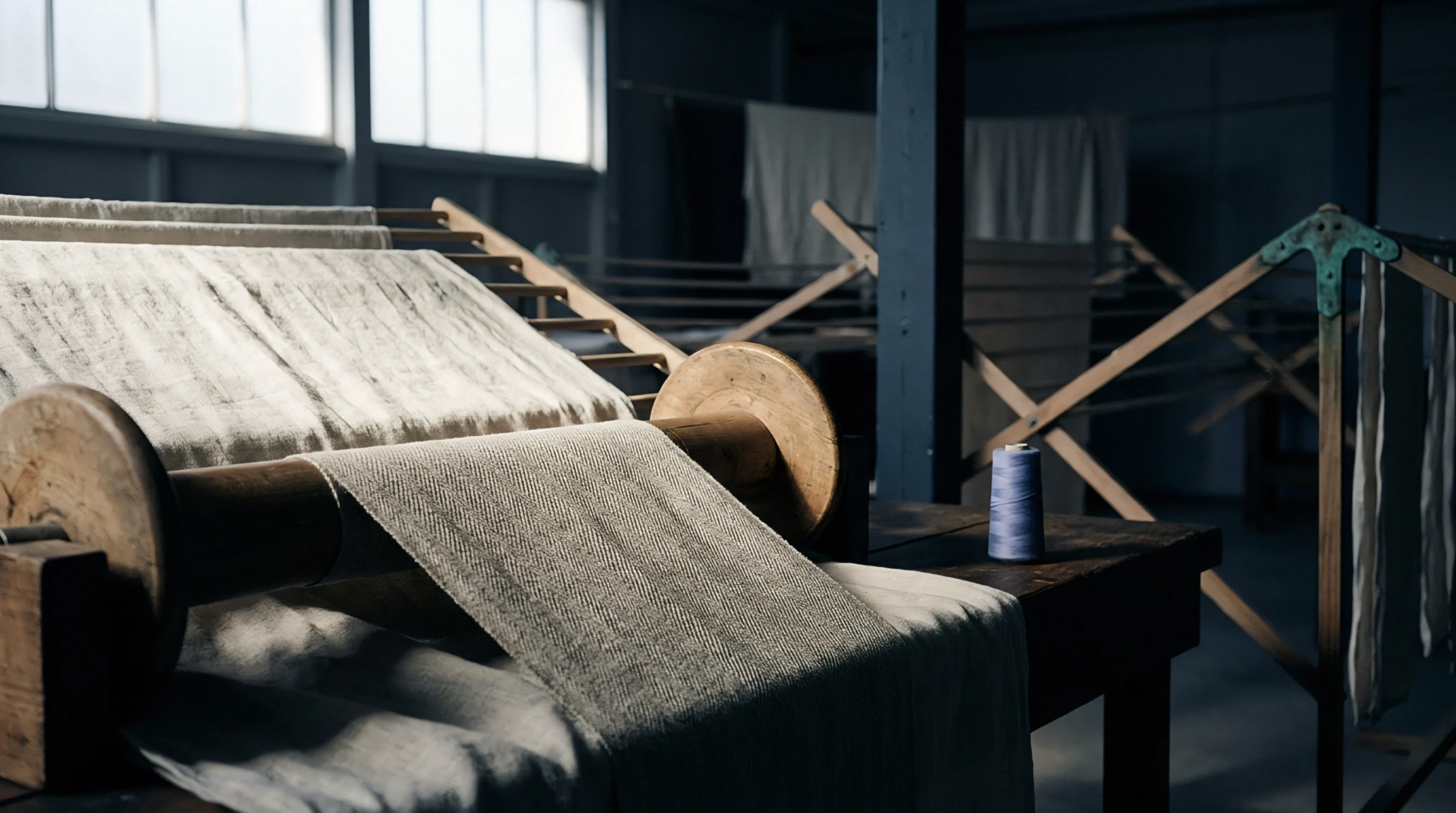
A physical parameter quantifies the internal force required to bend a specific fabric sample under controlled conditions during the final quality assurance audit of finished linen textiles. This flexural rigidity determines how a bolt of bleached cloth drapes over a form or holds a shape in high-end apparel production. Engineers calculate this value by measuring the overhang length of a rectangle of fabric extended horizontally until the tip touches an inclined plane at a forty-five degree angle.
A lower value indicates a supple material suitable for fine garments while a higher value points toward stiffened linens used in technical applications or structured upholstery. Laboratory technicians record these results in the technical data sheet to ensure the textile meets the specific stiffness profile requested by the commercial buyer. Consistency in this metric guarantees that every shipment maintains the tactile properties expected for the intended end product.
Stiffness Mechanism
The interaction between individual flax yarns within the weave pattern governs the resistance encountered during deformation. Friction at the interlacing points prevents the yarns from sliding freely when a force acts upon the surface of the cloth. High density weaving configurations produce a greater count of these contact points per unit area, which increases the cumulative force needed to initiate a bend.
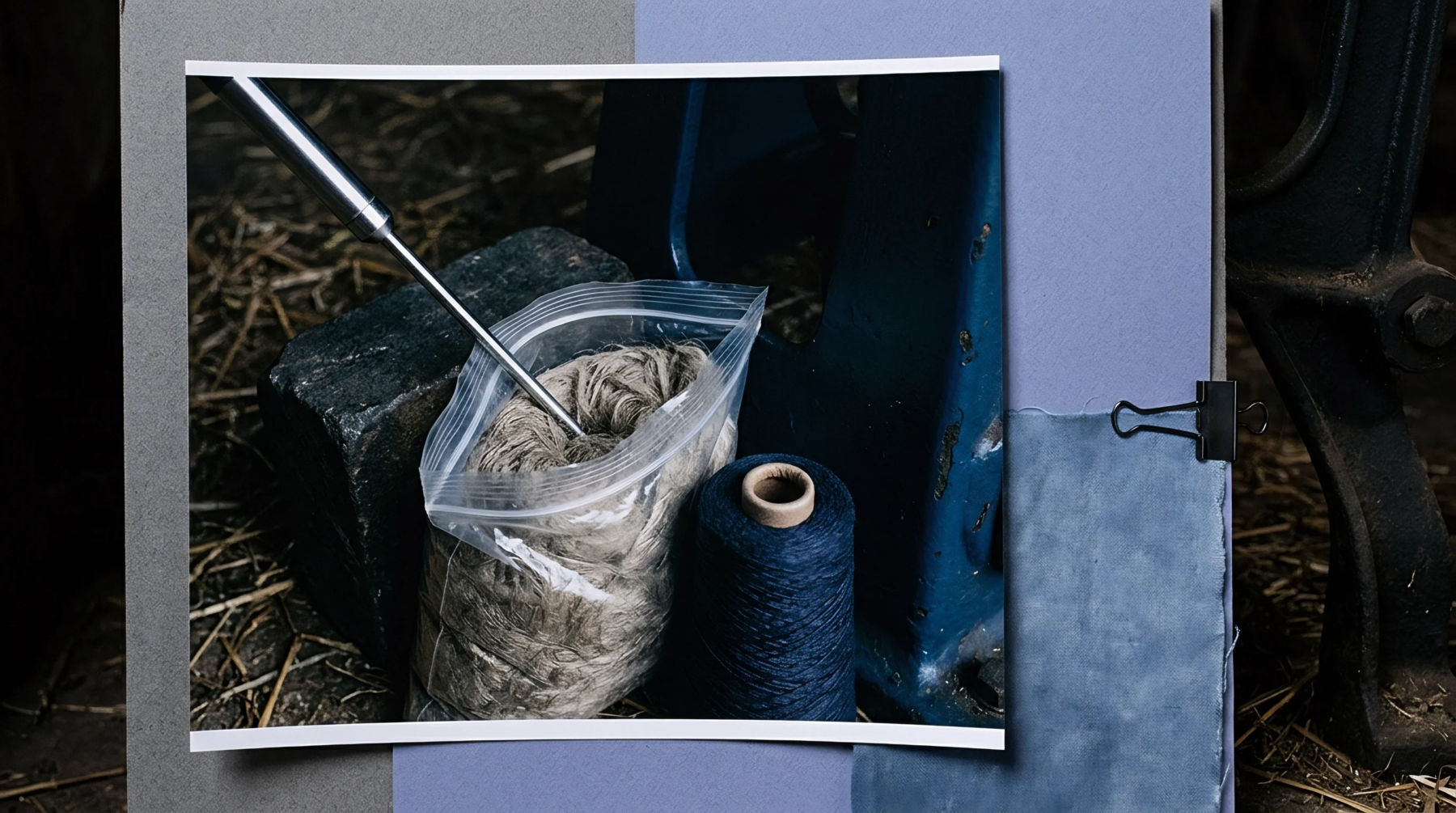
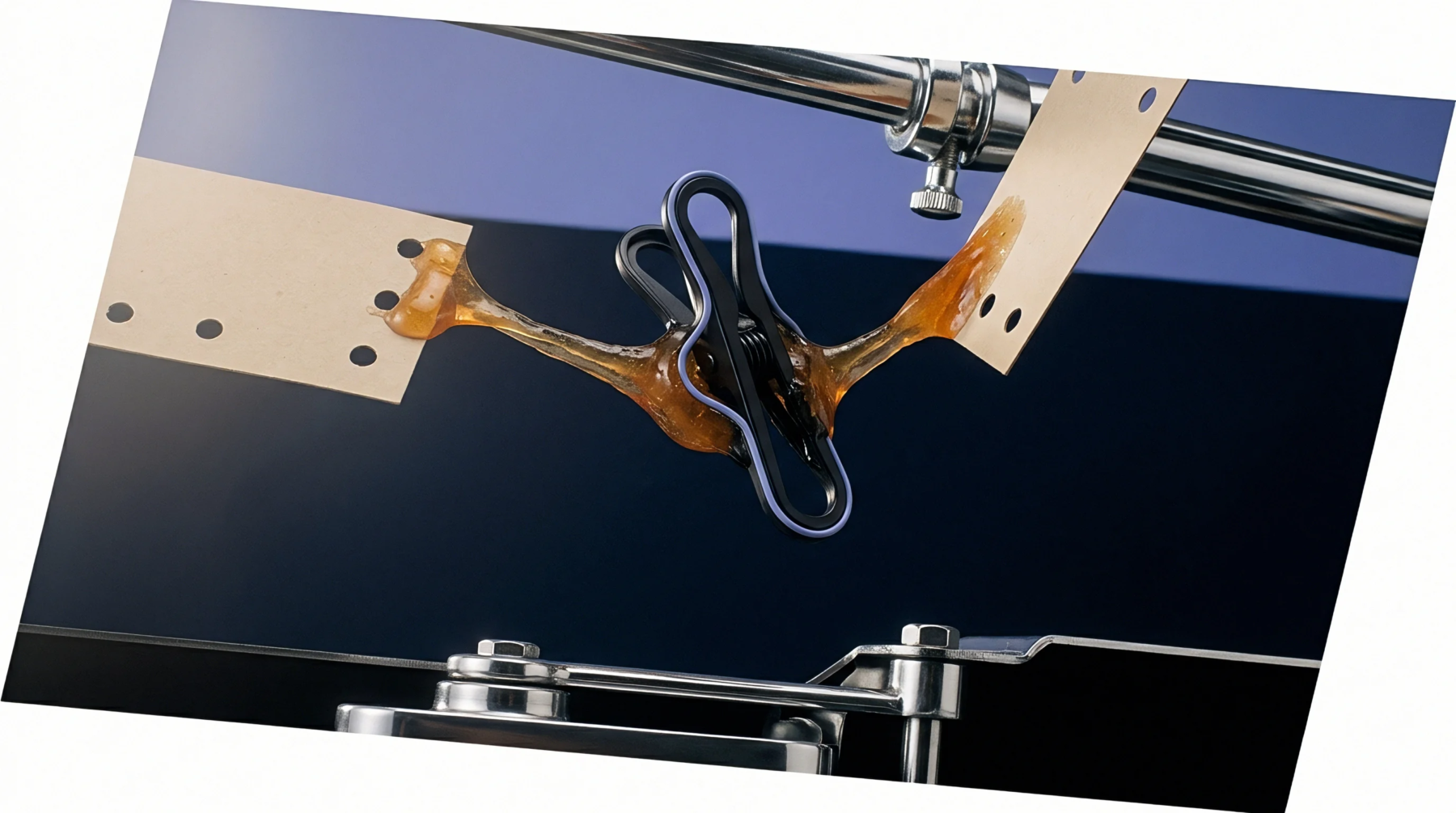
Finishing treatments like resin coating or starch application modify the surface of the fibres to alter this mechanical behaviour independently of the weave structure. Any variance in the moisture content of the fibre affects the internal friction and changes the resulting measurement recorded at the mill.
Measurement Standard
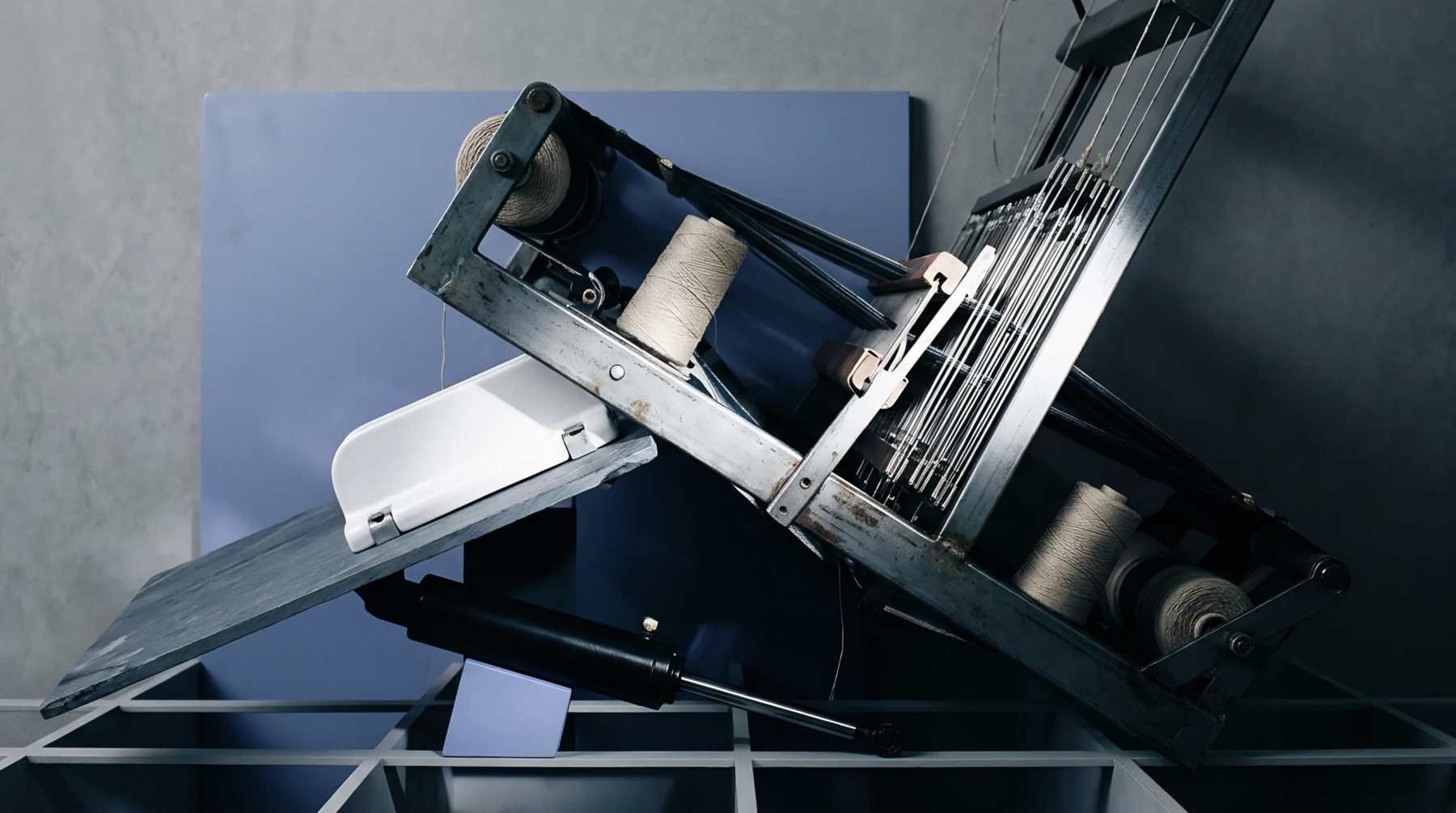
Industrial protocols for testing depend upon the Cantilever Test method to verify that the manufactured output stays within the tolerance limits defined in the purchase contract. Operators place a strip of cloth on a flat platform and move the material forward at a constant rate until the free end drops under its own weight. Precise timing of the movement prevents dynamic effects from skewing the final measurement of the bending length.
Variations in the direction of the warp or weft yarns produce different outcomes because the weave architecture influences the rigidity unevenly. Final fabric grading depends on these calculations to identify batches that fail to reach the stiffness targets required for specific luxury apparel designs. Accuracy in the test ensures that the textile holds the structural integrity demanded by the final design.