
European Flax Fiber Import Verification Procedures for Third Country Spinners
European Flax yarn import verification requires matched scope certificates, lot-tied transaction certificates, and audited mass-balance yield calculations.
European Flax yarn import verification requires matched scope certificates, lot-tied transaction certificates, and audited mass-balance yield calculations.

Off-shore flax spinning mass balance reconciliation demands matching certified fiber import weight to yarn output weight through dry-basis yield adjustments
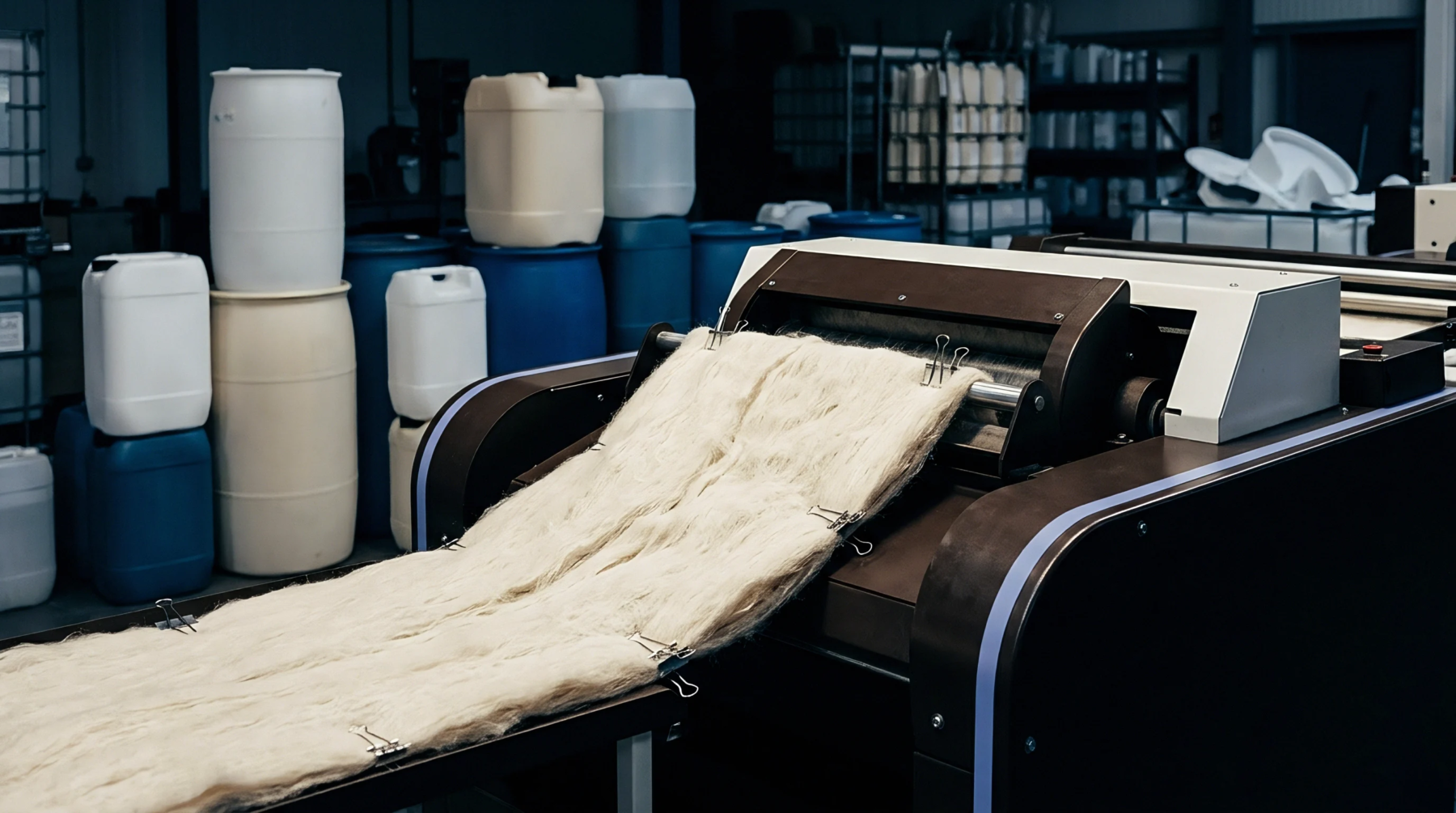
European Flax verification requires matching batch Transaction Certificates with valid supplier Scope Certificates and auditing mill mass-balance yields.

Verify European Flax scutched line through scope certificates, lot-matched transaction certificates, and rigorous hackling-to-spinning mass balance audits.

Reconciling European Flax certificates against Chinese mill intake requires balancing physical bale tags, mass-loss conversion yields, and transaction papers.

Verify physical flax batch identity by reconciling bale barcodes, yield conversion balances, and transaction certificates before approving spun yarn dispatches.

European Flax ring spinning mass balance audits require moisture-adjusted dry fiber weight reconciliation across every transformation stage from raw bale to spun package.

Validate European Flax by cross-referencing certifier portal transaction numbers against mill mass balance yields and physical bale tags before paying yarn invoices.

Auditing scutched flax mass balances requires converting gross delivery weights into oven-dry mass adjusted to the standard twelve percent commercial regain.

Cross-border linen audits require converting all gross transit weights to commercial dry mass under ISO 6741 and applying stage-specific chemical solubilization factors to prevent false yield variance flags.

Substantial transformation audits in multi-country linen supply chains require linking lot-level transaction certificates from European flax fields to Asian spinning and weaving facilities to satisfy customs origin rules.

Proving substantial transformation in cross-border linen finishing requires matching chemical mill execution dockets to exact HS tariff shift rules.

Physical segregation of certified Western European flax at high-speed drawframes demands dedicated creel tracks, line flushes, and mass balance audits.

Reconciling wet-spun long line flax demands subtracting hot-bath pectin extraction loss and comb waste from certified fiber transaction receipts.

Validating European Flax transaction certificates across spinning mills demands reconciling mass balance ratios against certifier lot numbers and invoice weights.

Scutching confers non-preferential origin when mechanical decortication permanently transforms raw straw into clean fiber under verified mass balance audit dockets.

European Flax chain of custody requires batch-level Transaction Certificates for every transfer, separating raw fibre origin from customs manufacturing origin.

Cross-border flax provenance requires batch-level transaction certificates, physical bale segregation, and strict mass-balance waste reconciliation.

Verify raw flax origin by matching field cadastral logs to weighbridge moisture tickets, scope certificates, and scutching mass balance yield ratios.

Mass balance certificates balance inventory on paper but offer zero proof of physical European flax containment in individual fabric bolts.

Raw flax field dockets match scutching intake when weighbridge tares, moisture regain corrections, and lot dockets reconcile under standard ISO dry mass limits.

European Flax verification for Asian spinning mills demands matching annual facility scope certificates with lot transaction certificates and dry mass balance ledgers.

Cross-border linen contracts allocate chain of custody discrepancy risks through lot specific warranties, mandatory mass balance audits, and immediate seller indemnity.

Linen origin rests on Western European raw flax scutching records linked through batch transaction certificates and mill mass-balance audits to finished bolts.
Expertise is a utility, not a secret. sentiention™ publishes its working knowledge as open reference: intelligence layer covering the materials it sources, the markets it enters, and the reference that serves both.