Fibre Consignment
Commercial transport and formal handover of mechanically extracted long flax line fibre and short scutching tow occurs between primary processing stations and spinning facilities. A scutching delivery marks the physical transition point where agricultural transformation yields raw textile material ready for hackling and industrial preparation. The transaction governs the physical shipment, bale condition, and formal documentation of extracted fibres, concluding once receiving mills sign commercial intake tallies and moisture certificates.
Transfer Logistics
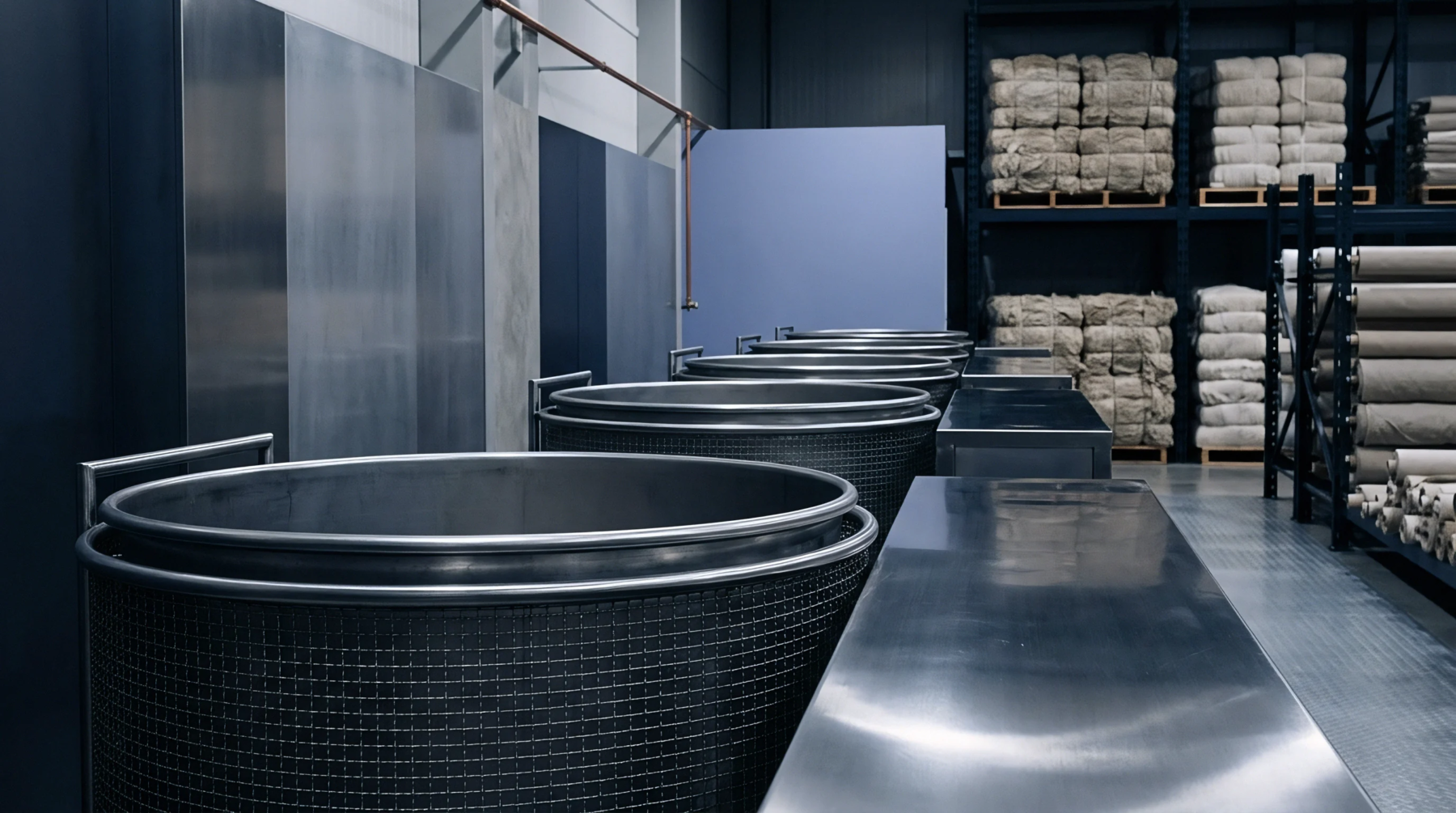
Extracted fibres are compressed into dense, strapped bales wrapped in breathable packaging to prevent condensation build-up and fibre rot during transit. Every shipment carries transport documentation detailing gross delivered mass, tare weights, harvest regions, and baseline quality classifications established at the primary mill. Moisture monitoring devices check fibre moisture content during loading, confirming that consignment humidity tracks closely to standard twelve percent commercial regain baselines.
Deviations above commercial moisture maximums cause bale heating, mold formation, and irreversible cellulosic degradation inside closed shipping containers. Carriers transport bales under covered cargo beds to protect fibres against ambient rain, road grit, and external chemical contamination.
Intake Verification
Spinning plant warehouse teams execute rigorous receiving protocols before moving raw scutching consignments into active spinning reserves. Technicians draw representative core samples across multiple delivery bales to verify moisture equilibrium, mean fibre length, cleanliness, and scutching waste content. Deliveries matching purchase contract specifications receive formal intake approval, clearing delivery documents for supplier payment processing.
Shipments displaying broken bale strapping, diesel exhaust contamination, water damage, or excessive wood core fragments face immediate quarantine or formal rejection at the unloading dock. Delivery documentation remains attached to bale serial numbers to establish origin tracking across subsequent hackling, carding, and wet spinning schedules.