Transaction Certificate Reconciliation across Chinese Wet Spinning Production Ledgers
Reconciling wet spun linen transaction certificates relies on matching fiber intake scope certificates against spindle yield logs, bath waste records, and yarn sales dockets.

Intake
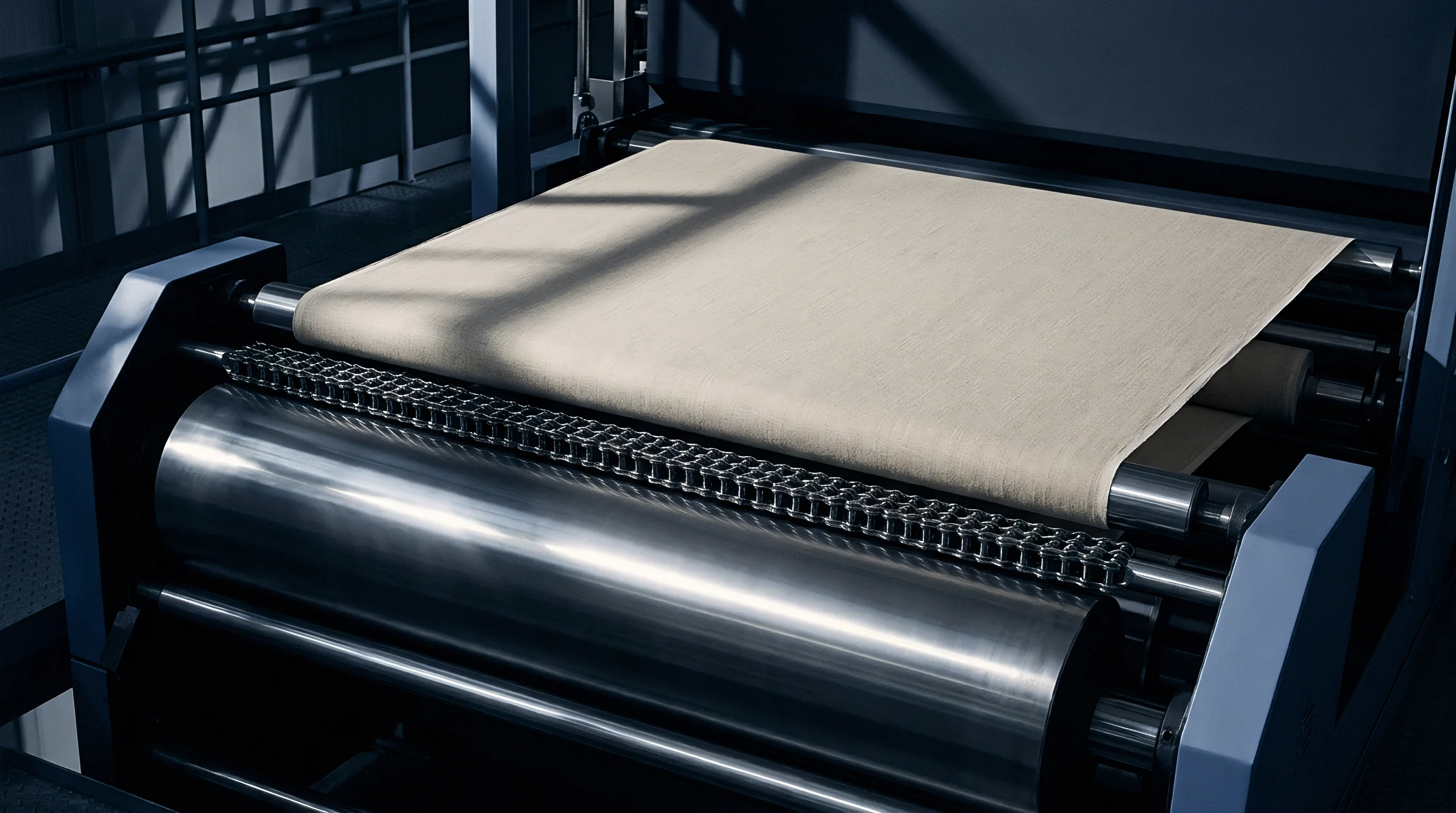
Bale receipts in a wet spinning facility mark the boundary where external provenance claims enter internal inventory ledgers. Raw flax fiber arrives at Chinese spinning mills predominantly as scutched line flax or hackled tow, packed in dense bales weighing between 180 and 220 kilograms. When raw fiber arrives under certified scope claims such as European Flax, Global Organic Textile Standard, or Organic Content Standard, the receiving warehouse generates an entry log that must reconcile with the accompanying seller documentation.
The physical condition of incoming bales directly affects ledger accuracy. Flax fiber absorbs or desorbs atmospheric moisture rapidly, making dry-weight determination the primary benchmark for incoming mass verification. Standard commercial regain for flax fiber is fixed at 12 percent under international trade convention, but actual shipment moisture content frequently fluctuates between 9 percent and 15 percent depending on maritime transit conditions and regional origin.
Discrepancies arise when mill intake clerks log net scale weights without performing moisture regain testing. A 20-tonne consignment of scutched flax delivered at 14 percent moisture content contains 350 kilograms of excess water weight compared to standard commercial dry regain. If the intake clerk enters the gross weighbridge ticket value into the fiber inventory ledger, the mill records an artificially inflated fiber balance.
Subsequent transaction certificate applications built on this raw intake figure will overestimate available certified weight. Auditing Chinese mill fiber intake requires cross-referencing three primary physical documents against the seller scope certificate and transaction certificate: the port bill of lading, the customs entry declaration form, and the mill internal weighbridge slip. Disconnecting the transaction certificate number from the specific inbound batch number on the mill store receipt creates an immediate break in the chain of custody.
Certifier databases mandate that input transaction certificates list the buyer name, raw material net weight, fiber species, and certification body code. Chinese spinning facilities operating dual production lines for certified and conventional yarn often maintain a centralized raw fiber warehouse. In these environments, physical segregation relies on bin assignments, bale tag coding, and floor markings.
Scutched flax lots intended for certified wet spinning require clear physical identification to prevent accidental substitution during blending. Fiber tags attached at the scutching mill in Western Europe carry lot codes that mill warehouse management systems must record upon unbaling.
Raw scutched flax delivered above 12 percent moisture content inflates inbound ledger weights, skewing mass balance ratios before fiber reaches the hackling shop.
Verification at the intake stage demands direct inspection of the mill fiber store logbook, known locally as the material receiving register. The receiving log documents the date of entry, container number, batch number, seller name, physical bale count, measured gross weight, sample moisture reading, and adjusted commercial weight. When an auditor cross-examines this register against the fiber seller transaction certificate, the volume recorded in the mill store logbook cannot exceed the net mass specified on the transaction certificate.
If the store logbook shows a higher volume than the supporting certificate, the unaccounted portion represents uncertified fiber that has entered the certified supply stream.
Mill management frequently explains these inbound inventory gaps by asserting that weight differences represent standard transit weight gains or container packing tolerances acknowledged across the domestic trade.

Bath
Wet spinning transforms prepared flax sliver into fine yarn by passing roving through a heated water bath prior to drafting. The physical bath sits immediately above the drafting zone on the wet spinning frame, operating at liquid temperatures between 60 degrees Celsius and 80 degrees Celsius. This hydrothermal treatment softens the pectic substance binding the flax ultimate cells, allowing the drafting rollers to attenuate the roving bundle into uniform fine yarn counts ranging from Nm 26 to Nm 80.
The process introduces material losses that directly affect ledger reconciliation. As flax roving submerges in the hot water bath, water-soluble substances, residual waxes, and microscopic pectin fragments extract into the liquid medium. This bath extraction loss reduces the dry mass of the fiber by 2.5 percent to 4.5 percent during drafting, depending on water temperature, immersion duration, and fiber retting depth.
Mechanical actions during hackling, carding, gilling, and wet drafting generate distinct waste fractions that mill records must isolate. Scutched line flax undergoes hackling to align long fibers and comb out short fibers. Hackling yields approximately 65 percent to 75 percent long line flax, while 20 percent to 30 percent transforms into hackling tow, and the remainder collects as hackling dust and coarse shive waste.
Tow fiber directs to dry spinning or low-count wet spinning lines, while long line fiber proceeds to sliver formation and roving frames. Wet spinning ledgers must account for these fiber division steps precisely. Mixing tow yield fractions into long-line yarn production ledgers falsifies yarn conversion factors and invalidates mass tracking.
| Process Stage | Input Fiber Form | Primary Output Form | Typical Yield Range (%) | Waste Category Generated |
|---|---|---|---|---|
| Hackling | Scutched Line Flax | Hackled Line Sliver | 68.0 – 74.0 | Hackling Tow, Shive Dust |
| Preparing & Combing | Hackled Sliver | Combed Roving Bobbin | 82.0 – 88.0 | Short Comber Noil, Sliver Ends |
| Wet Drafting & Spinning | Roving Bobbin | Cop / Spindle Yarn | 91.0 – 94.5 | Bath Solubles, Fly, Lapper Scrap |
| Winding & Clearing | Cop Yarn | Cone Yarn Package | 96.5 – 98.2 | Yarn Cuts, Slub Scrap, Knotter Ends |
Roving bobbins mounted on wet spinning frames feed continuously into the hot water trough before entering the drafting rollers. Machine operators monitor roller pressure and trough water flow to maintain draft stability. When yarn breaks occur on high-speed spindles, pneumatic suction tubes draw broken ends into waste collection bins.
This suction waste, known as pneumafil or lap waste, consists of fully wetted fiber that settles in drainage troughs. Mills collect and dry this material for resale into coarse dry-spinning operations. Production ledgers classify lap waste as unrecoverable mass for fine wet-spun yarn production.
Auditor protocols require verifying that lap waste weights are deducted from total certified output capacities rather than rolled back into fine yarn volume figures.
Chemical additives placed in the wet spinning bath alter final yarn weight calculations. Alkaline bath conditioning agents or wetting chemicals facilitate uniform drafting, but residual bath chemicals left on yarn packages require thorough drying. Yarn packages move directly from spinning frames to hot-air drying chambers to remove moisture down to the standard 12 percent commercial regain level.
Incomplete drying creates artificial weight gains on yarn cones weighed at the package winding station. Cones packed and weighed before achieving moisture equilibrium skew final delivery ledgers upward.
Standard ISO 2060 yarn linear density testing establishes moisture equilibrium rules that eliminate bath drying errors from commercial package billing.
Spinning shop floor supervisors track daily fiber flow using paper job sheets known as shift production cards. These cards record roving bobbin consumption by weight, total spindle run hours, frame speed, target yarn count, and gross bobbin package output. Reconciling wet spinning operations requires tracing raw fiber lot numbers from the preparation room batch tag through to the specific frame allocation log.
When a mill runs certified European Flax roving on frame numbers one through eight while running conventional flax on frame numbers nine through sixteen, shared bath water channels or mixed waste bins create cross-contamination points that invalidate segregation protocol.
Fine yarn wet spinning always creates higher bath extraction losses and suction waste volumes than coarse yarn processing.

Balance
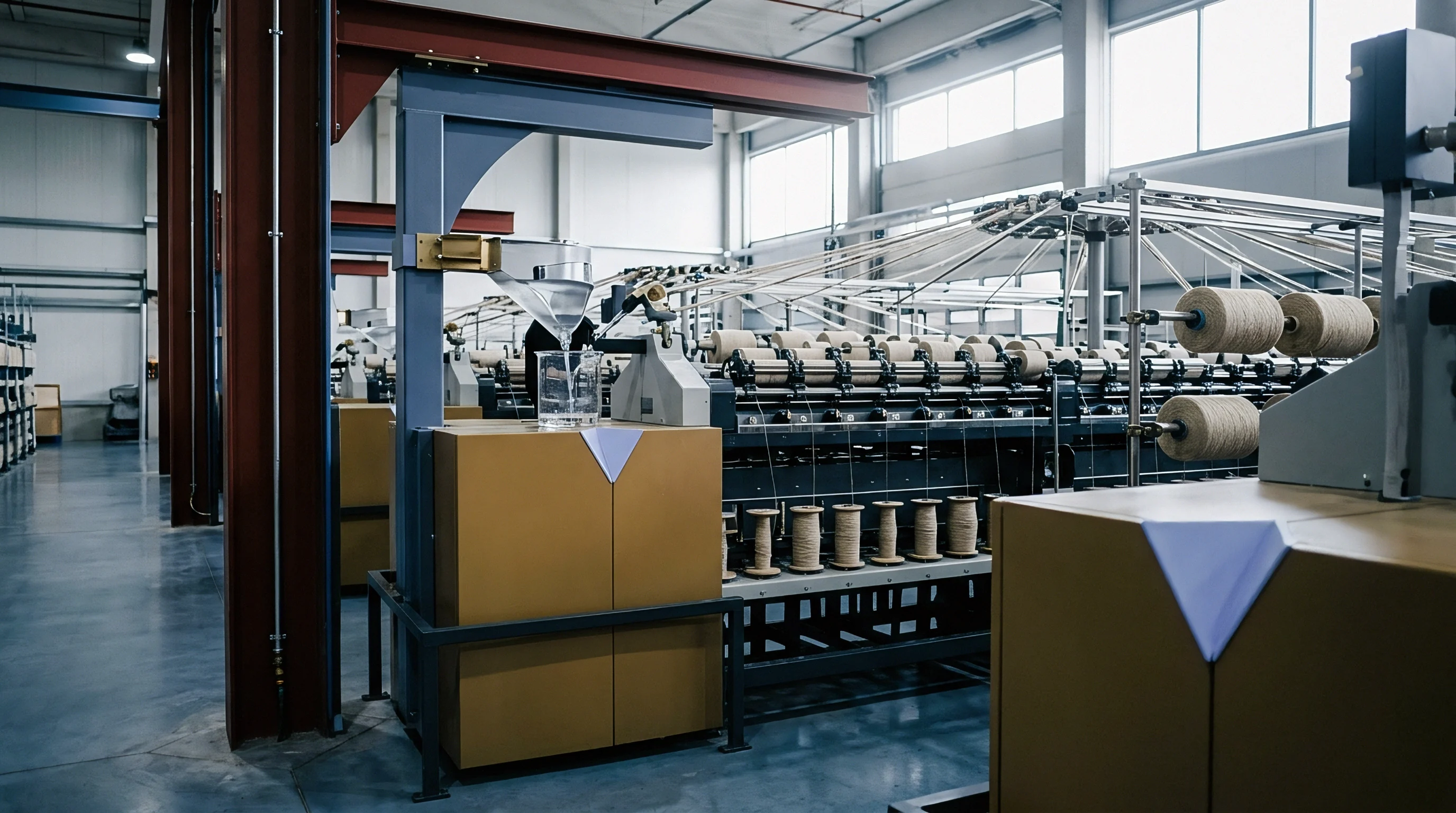
Mass balance reconciliation operates on a strict mass conservation formula across the entire spinning transformation sequence. Input fiber mass must equal output yarn mass plus recorded process waste mass, adjusted for moisture differential. Calculating mass balance accurately requires applying precise yield factors to each mechanical transformation stage.
For a wet spinning mill processing 100 metric tonnes of certified scutched line flax into fine Nm 39 linen yarn, the overall conversion yield rarely exceeds 58 percent to 64 percent of the initial scutched fiber weight. The remaining 36 percent to 42 percent converts into hackling tow, comber noil, bath extraction solids, suction waste, and winding cuts. Each output stream carries a distinct commercial value and certification path.
Calculating certified output capacity involves establishing conversion ratios validated by physical trial runs. The equation governing clean fiber mass balance is expressed through sequential step yields:
Final Certified Mass = Input Fiber Mass x Hackling Yield Ratio x Combing Yield Ratio x Spinning Yield Ratio x Winding Yield Ratio x (1 + Target Moisture Regain) / (1 + Measured Fiber Regain)
If a mill enters 50,000 kilograms of certified raw flax at 13.5 percent moisture content, target output calculations proceed through measured physical step yields. Assuming a hackling yield of 71 percent, combing yield of 85 percent, wet spinning yield of 92.5 percent, winding yield of 97.2 percent, and target yarn moisture regain of 12 percent, the allowable output of certified cone yarn calculates as follows:
50,000 kg x 0.71 x 0.85 x 0.925 x 0.972 x (1.12 / 1.135) = 26,712 kilograms of certified Nm 39 yarn.
Attempting to issue transaction certificates for 32,000 kilograms of yarn from that initial 50,000 kilogram fiber intake demonstrates an impossible yield ratio of 64 percent. Such discrepancies signal either uncertified fiber substitution or improper addition of byproduct tow into the line yarn balance ledger.

Could Yarn Waste Allocations Invalidate a Transaction Certificate?
Waste allocation accounting presents the highest risk of non-compliance in Chinese wet spinning ledger audits. Byproducts like hackling tow and comber noils retain their certified origin status under standard chain of custody frameworks like the Global Recycle Standard or Organic Content Standard if tracked through isolated inventory accounts. However, if a mill sells hackling tow to an external non-certified buyer without deducting the mass from its certified ledger balance, the mill retains phantom volume credit.
The mill cannot transfer that tow mass credit to cover excess line yarn production. Auditing ledger balance sheets requires matching the total sum of all output stream transaction certificates against raw fiber input certificates.
| Material Stream | Physical State | Allocated Mass (kg) | Percentage of Input (%) | Transaction Certificate Eligible? |
|---|---|---|---|---|
| Line Yarn Package | Coned Finished Yarn | 26,712 | 53.42 | Yes (Primary Output) |
| Hackling Tow | Short Baled Fiber | 12,500 | 25.00 | Yes (Secondary Byproduct) |
| Comber Noil | Carded Short Fiber | 4,250 | 8.50 | Yes (Secondary Byproduct) |
| Suction Lap Waste | Unspun Wet Scrap | 2,100 | 4.20 | No (Recycled Material) |
| Bath Hydro-Loss | Dissolved Extraction | 1,650 | 3.30 | No (Process Loss) |
| Moisture Adjustment | Water Weight Difference | 660 | 1.32 | No (Environmental Shift) |
| Unaccounted Variance | Floor Dust / Fly | 2,128 | 4.26 | No (Process Loss) |
Inconsistent mass balance recording leads directly to transaction certificate rejections by independent certifiers. When certified fiber pools show negative balances, certifiers freeze all pending transaction certificate requests for that facility. Mill ledger software must block automated issuing systems whenever cumulative outbound sales volume exceeds the verified conversion capacity of logged inbound fiber certificates.
Certifiers enforce strict mass balance caps that automatically lock transaction certificate issuance when yarn sales exceed physical conversion parameters.
Systemic over-estimation of spinning yields leads to full cancellation of scope certificates, leaving the spinning facility unable to process certified orders for cross-border clients.

Trace
Internal traceability bridges incoming raw fiber batch numbers to outgoing yarn lot codes on commercial cone packages. In Chinese wet spinning plants, shop floor tracking depends on a series of linked physical records generated at each workstation. The primary document driving internal tracking is the workshop production order, locally titled the shengchan rewu dan.
This order specifies the raw material batch code, fiber origin, destination yarn count, draft settings, and machine assignment. Fiber moving from the bale store to the hackling shop travels with a material transfer card, known as the chejian lingliao dan. This document locks the specific bale identification numbers to the hackling machine operator shift logs.
When hackled line flax transforms into roving bobbins, production workers attach colored plastic collars or barcode tags to bobbin carrier frames. Each color or barcode corresponds to a specific raw material lot and destination quality target. Wet spinning frames receive these bobbins and log frame numbers into shift reports called banci ganwei dan.
These shift cards record machine frame number, operator name, bobbin lot code, yarn count, draft gear settings, and total bobbin changes. The unbroken link between the raw fiber bale tag and the finished cone package label relies entirely on these paper shift logs being filled in real time rather than transcribed retrospectively at the end of a weekly shift.
Auditing lot movement through winding and clearing rooms demands direct physical verification of cone package labels. Automatic cone winding machines fitted with electronic yarn clearers isolate thick places, thin places, and foreign fibers. Cones ejected during winding undergo manual inspection and repacking.
Finished yarn packages are wrapped in protective film, packed into cartons or woven polypropylene bags, and stamped with a final cone label. This label carries critical tracking data: yarn count (Nm or Lea), spinner identification code, production batch number, shift code, and moisture adjusted net weight.
- Bale Tag Logging captures raw fiber lot numbers, supplier code, net weight, and moisture readings upon store entry.
- Hackling Requisition Slip details raw fiber lot numbers released to specific hackling frames and records generated tow weight.
- Roving Frame Card binds hackled sliver lot codes to bobbin carrier frame tags and roving density targets.
- Spinning Allocation Sheet assigns bobbin lot codes to specific wet spinning frame numbers and records daily spindle run hours.
- Winding Room Log tracks bobbin lot inputs against finished cone package box numbers, yarn clearing parameters, and tare weights.
- Finished Goods Warehouse Slip registers completed yarn carton numbers into inventory storage bays with lot-specific cross-references.
Physical segregation in dual-production mills requires spatial isolation of machines or temporal separation of production runs. Temporal separation, where a mill runs certified European Flax for three weeks followed by conventional flax on the same spinning frames, requires clean-down protocols. Machine operators must purge drafting rollers, clean water troughs, clear roving creels, and empty waste bins between runs.
The clean-down record, signed by the quality assurance supervisor, serves as vital documentary evidence during physical audits. Without signed clean-down logs, certifiers treat the subsequent certified run as contaminated by conventional fiber residue.
How can auditors verify that physical shop floor logs match electronic enterprise resource planning system data when batch numbers undergo manual re-coding at the roving stage?

Paperwork
Transaction certificates serve as the ultimate legal proof of organic or geographic origin compliance within international textile supply chains. Standard issuing bodies including Control Union, IDFL, Ecocert, and SGS issue these documents through centralized online platforms. Requesting an output transaction certificate for finished wet-spun linen yarn requires uploading a complete evidence dossier to the certifier portal.
The dossier must contain the valid input transaction certificate covering the raw flax fiber, the seller commercial invoice, the packing list, the mill internal yield calculation sheet, the physical dispatch weighbridge ticket, and the official Chinese tax invoice, known as the fapiao.
The fapiao holds unique weight in Chinese commercial audits. Issued through state-monitored tax software, the fapiao carries a precise commercial description of goods, total sales value, value-added tax rate, and official company tax seal. Certifiers cross-check the material description and quantity listed on the fapiao against the draft transaction certificate application.
A discrepancy between the yarn weight declared on the transaction certificate application and the weight recorded on the supporting tax fapiao results in immediate application rejection.
| Document Type | Issuing Authority / Source | Key Data Points Cross-Checked | Primary Failure Mode |
|---|---|---|---|
| Scope Certificate (SC) | Independent Certifier | Facility name, covered processing steps, expiry date | Expired scope or omitted wet spinning process activity |
| Input Transaction Certificate (TC) | Fiber Seller Certifier | Fiber weight, net dry mass, species code, buyer name | Mismatched buyer name or exhausted fiber balance |
| Tax Invoice (Fapiao) | State Taxation Administration | Commercial description, net sales value, tax seal | Description mismatch or weight difference versus TC |
| Mill Production Summary | Internal Spinning Office | Frame logs, waste weights, yield ratios, batch numbers | Unrealistic conversion ratios or missing clean-down logs |
| Outbound Bill of Lading | Freight Forwarder / Carrier | Container number, net package weight, port of loading | Weight divergence exceeding 2 percent against packing slip |
Timing constraints govern transaction certificate applications. Under rules established by Textile Exchange, transaction certificate applications must submit within 180 days of the outbound commercial invoice date. Furthermore, the input transaction certificate supporting the raw fiber must have been issued prior to the manufacturing date of the yarn.
Applying for an outbound yarn transaction certificate using an input fiber certificate dated after the yarn spinning date violates basic chain-of-custody rules. Auditors flag post-dated input certificates as indicative of uncertified inventory backfilling.
Certifier databases cross-reference facility scope certificates automatically during application processing. A wet spinning facility must hold a valid scope certificate that explicitly covers the processing category of wet spinning and yarn manufacturing. If a mill scope certificate lists only dry spinning or trading activities, the certifier portal blocks output certificate generation for wet-spun yarn.
Mill managers must ensure scope certificate renewals occur prior to annual expiration dates to prevent operational delays in shipping certified goods to overseas buyers.
A standard origin warranty contract clause reads: “Seller warrants that all transaction certificates provided under this contract reflect genuine input fiber scope coverage, verified mass balance conversion yields, and matching state tax fapiao declarations.”
Failure to provide fully reconciled transaction certificates within thirty days of cargo shipment entitles the buyer to withhold final payment or reject non-conforming shipments at port.

Indemnity
Commercial exposure arising from unprovable or flawed origin claims transfers significant financial liability down the supply chain. When imported linen goods arrive at destination customs ports in the United States or the European Union, trade enforcement agencies inspect documentary packages for compliance with regional origin rules, forced labor prevention statutes, and fiber content labeling regulations. United States Customs and Border Protection enforces strict chain-of-custody documentation under the Uyghur Forced Labor Prevention Act.
Importers must present detailed physical evidence tracing linen products back to the raw fiber field level. Transaction certificates alone are insufficient if internal mill ledgers show gaps, mass balance discrepancies, or missing shop-floor lot tracking sheets.
Destination customs enforcement actions result in cargo detentions, compulsory re-exportation, or outright seizure. Financial damages associated with detained shipments include port demurrage fees, container storage charges, customs broker legal expenses, and lost customer order deadlines. When customs authorities reject a shipment due to defective provenance paperwork, the brand owner incurs direct financial loss.
Contractual indemnity provisions between international linen buyers and Chinese wet spinning mills must structure clear remedies for documentary failures. A robust purchase order contract includes explicit penalties covering detention costs, legal fees, and cargo replacement values if the mill fails to deliver fully reconciled transaction certificates that survive customs scrutiny.
Testing methodologies deployed by customs laboratories further heighten risk for non-reconciled supply chains. Isotope ratio mass spectrometry and plant DNA mapping analyze stable carbon, hydrogen, oxygen, and nitrogen isotope ratios in flax fibers to determine geographic growth origin. If a mill blends European Flax with uncertified regional flax during wet spinning while issuing European Flax transaction certificates, isotopic testing reveals geographic divergence from Western European baseline profiles.
Isotopic testing discrepancies undermine paper transaction certificates instantly, exposing the importer to civil penalties for false customs entries.
Redrafting supply agreements requires inserting clear performance thresholds and verification rights. Buyers require full audit rights to inspect mill shop floors, weighbridge logs, shift cards, and tax records upon seven days written notice. Contract terms specify that final payment remains conditional upon independent certifier validation of outbound transaction certificates.
If audit findings reveal deliberate fiber substitution or falsification of production ledgers, the mill forfeits order balances and indemnifies the buyer against all downstream customer claims, regulatory fines, and brand damage.