Processing Parameters for Wet Spinning Heilongjiang Line Flax on Ring Frames
Wet spinning Heilongjiang line flax demands 65°C trough baths, 42 mm reach settings, and draft ratios under 16 to secure high-tenacity Nm 36 to 60 yarn.
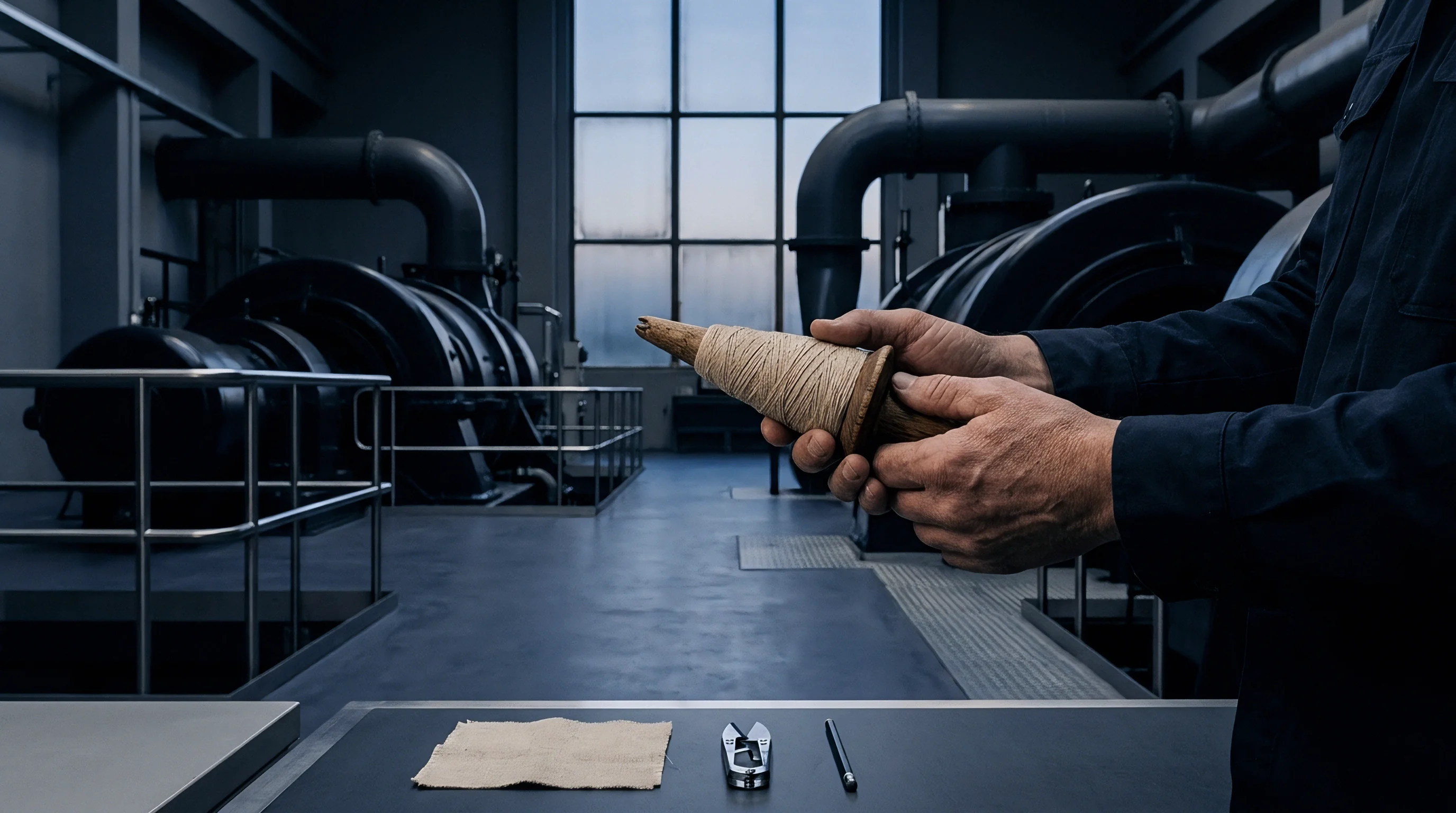
Grade
Raw line flax cultivated in the black soils of Heilongjiang undergoes autumn dew retting under extreme diurnal temperature fluctuations. The region’s short summer and wet harvest months generate distinct cell wall lignification patterns compared to Western European water-retted or dew-retted straw. Fiber bundles collected across Suihua, Harbin, and Qiqihar zones display dense pectin layers holding elementary filaments together.
These technical fibers require mechanical hackling to split coarse ribbons into spinnable strands while removing non-cellulosic bark residue.
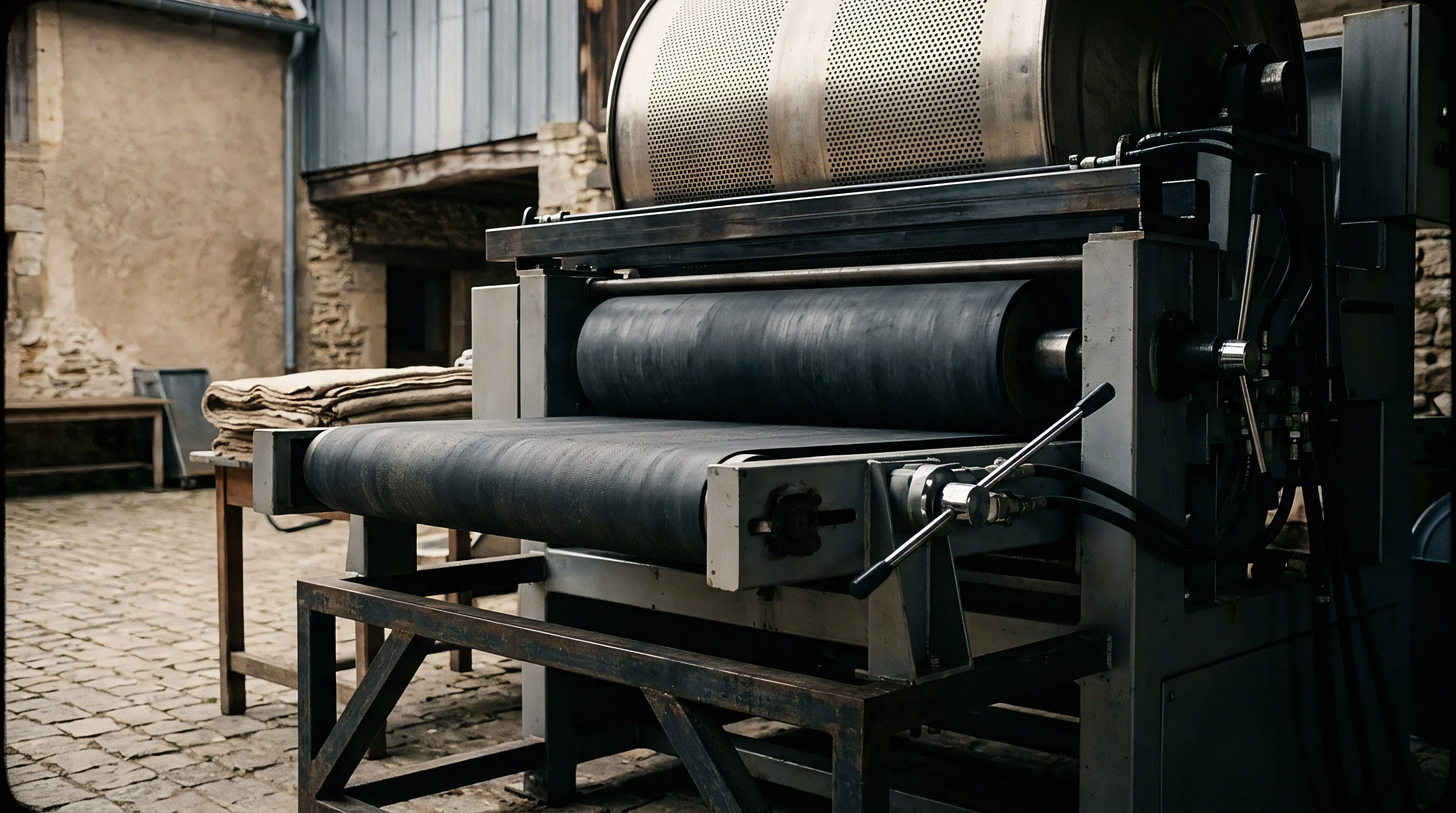
Staple Length and Bundle Fineness Metrics
Laboratory measurements performed under ISO 2370 establish that hackled long flax strands from northeast Chinese harvests exhibit linear density values between 3.5 and 4.5 dtex. Mean staple lengths of hackled comb sliver range from 650 mm to 780 mm after multi-stage dressing. Dew retting governs line division.
Cold weather hardens stem pectins. When field retting experiences early frost, the middle lamella fails to break down fully, leaving coarse technical fibers with metric numbers below Nm 200. Shive residue ruins wet attenuation.
The residual shive content must remain under 1.2 percent by weight to prevent mechanical jam incidents in downstream drafting aprons.
Fineness variations across single bale lots dictate the ultimate yarn limit on ring frames. Fine line spinning above Nm 36 demands a uniform fiber distribution where the coefficient of variation for fiber fineness stays below 22 percent. Coarser strands fail to soften completely during trough immersion, introducing thick places that break under frame tension.
Dew-retted Heilongjiang hackled long flax tested at 20 degrees Celsius and 65 percent relative humidity yields an average bundle tenacity of 52 centinewtons per tex across ten random ten-gram draw samples.
Evaluating raw stock before line drafting involves verifying key physical characteristics that govern spinning efficiency and ultimate yarn strength.
- Hackled line fraction indicates the proportion of long fibers recovered from raw scutched flax straw after passing through the comb pins, determining the base yield for fine count spinning.
- Pectin breakdown ratio measures the chemical degradation of middle lamella substances achieved during field retting, directly impacting how individual elementary fibers separate inside the hot water bath.
- Residual shive allowance quantifies the mass percentage of unremoved woody stem fragments remaining in the sliver, setting the threshold for mechanical yarn defects and end breakages.
- Moisture equilibrium band defines the allowable moisture content within raw fiber bales stored before roving preparation, preventing mold development while preserving fiber flexibility during mechanical combing.
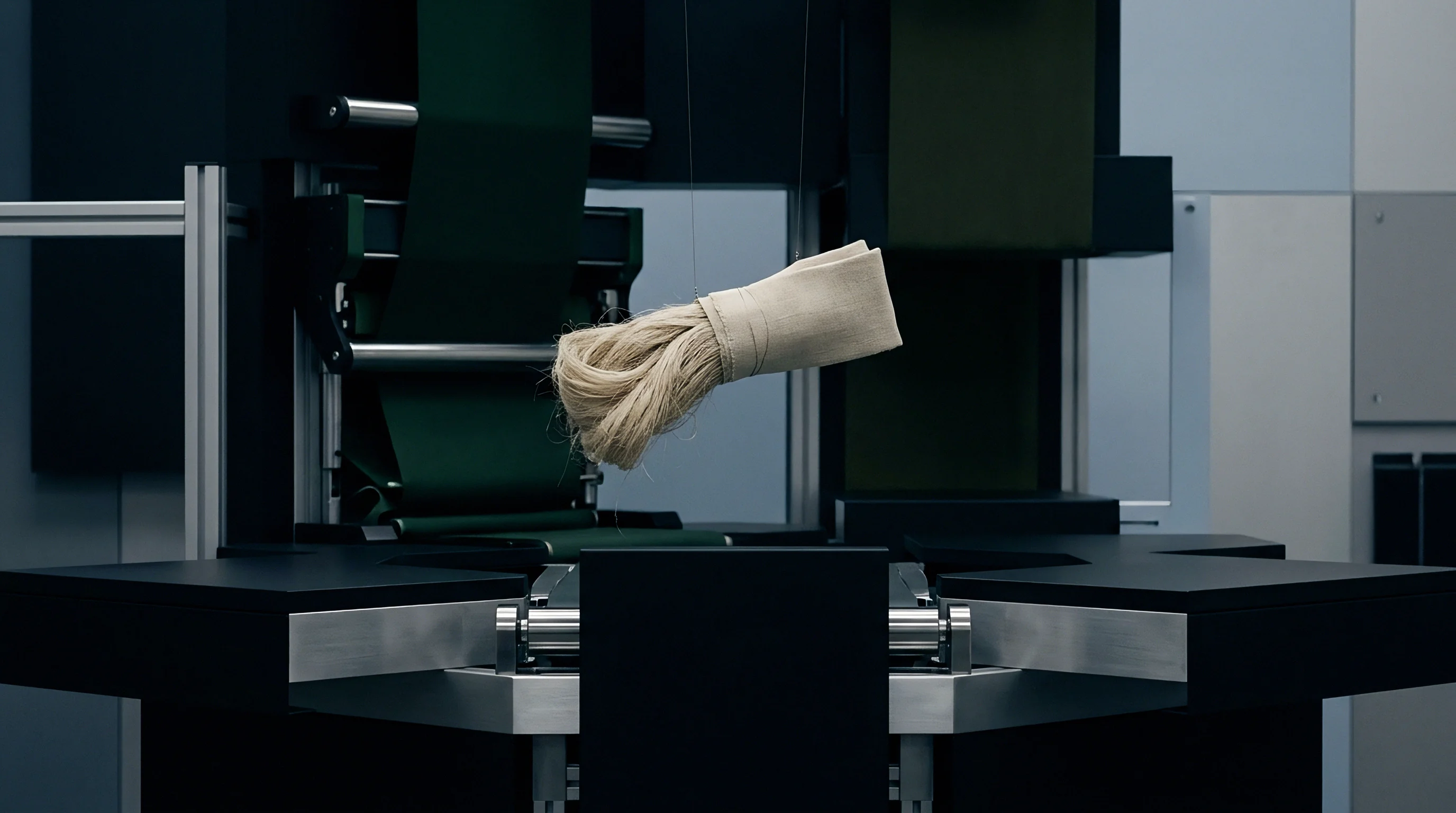
Retting Consistency across Dew Processed Lots
Field observations across Harbin and Suihua growing zones indicate high microstructural variance when cold autumn rains halt field fermentation early. Unretted bark patches retain insoluble calcium pectates that resist hot water solubilization during wet spinning. These under-retted sections pass through hackling pins as wide technical ribbons rather than fine elementary strands.
When these ribbons hit the ring frame drafting rolls, they refuse to attenuate smoothly, creating heavy slubs followed by thin, low-twist weak points.
Whether fungal enzymatic pre-treatments can standardise uneven autumn field retting across northern Heilongjiang harvests without degrading ultimate filament tenacity remains open for mill trials.
Soak
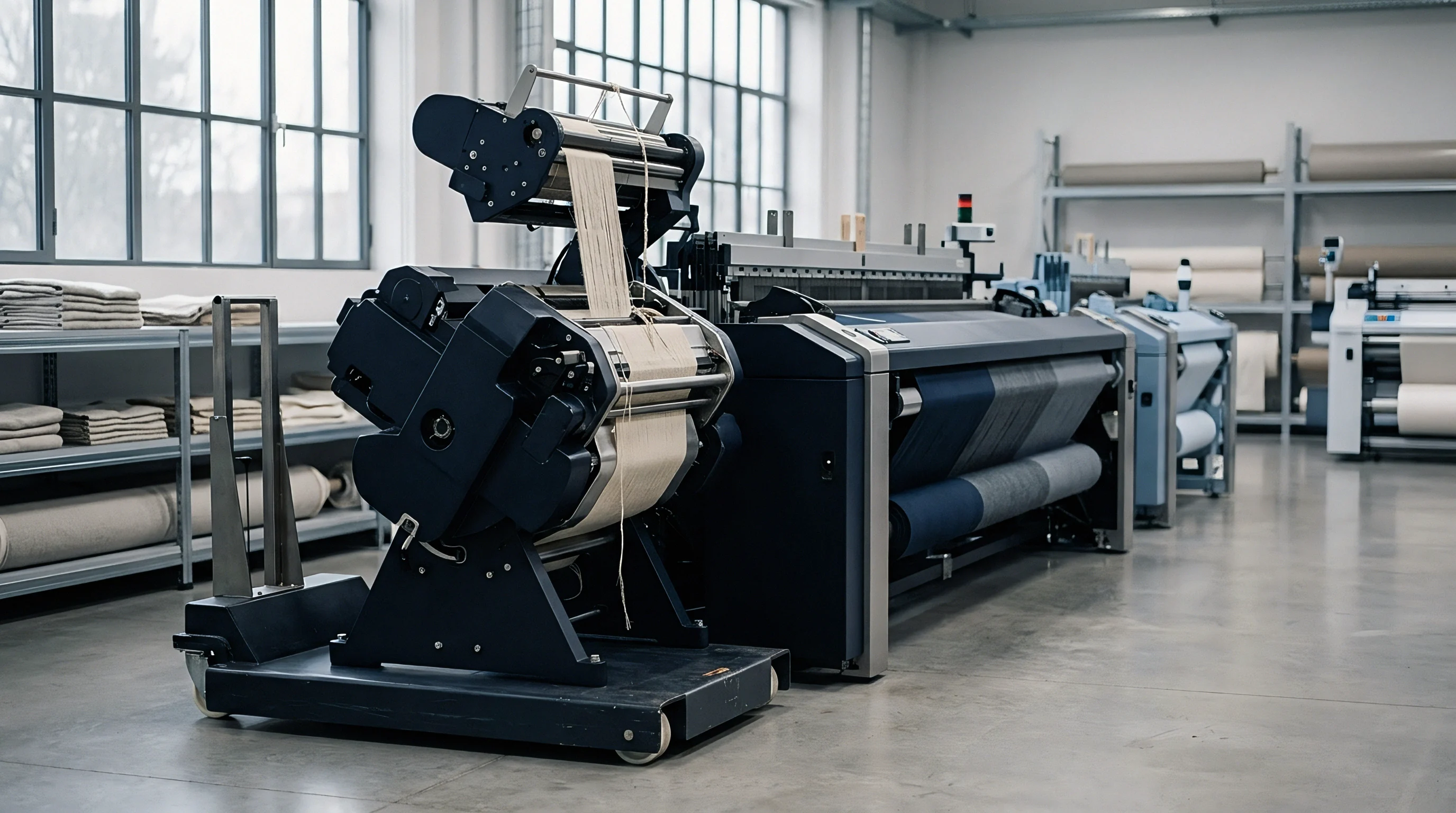
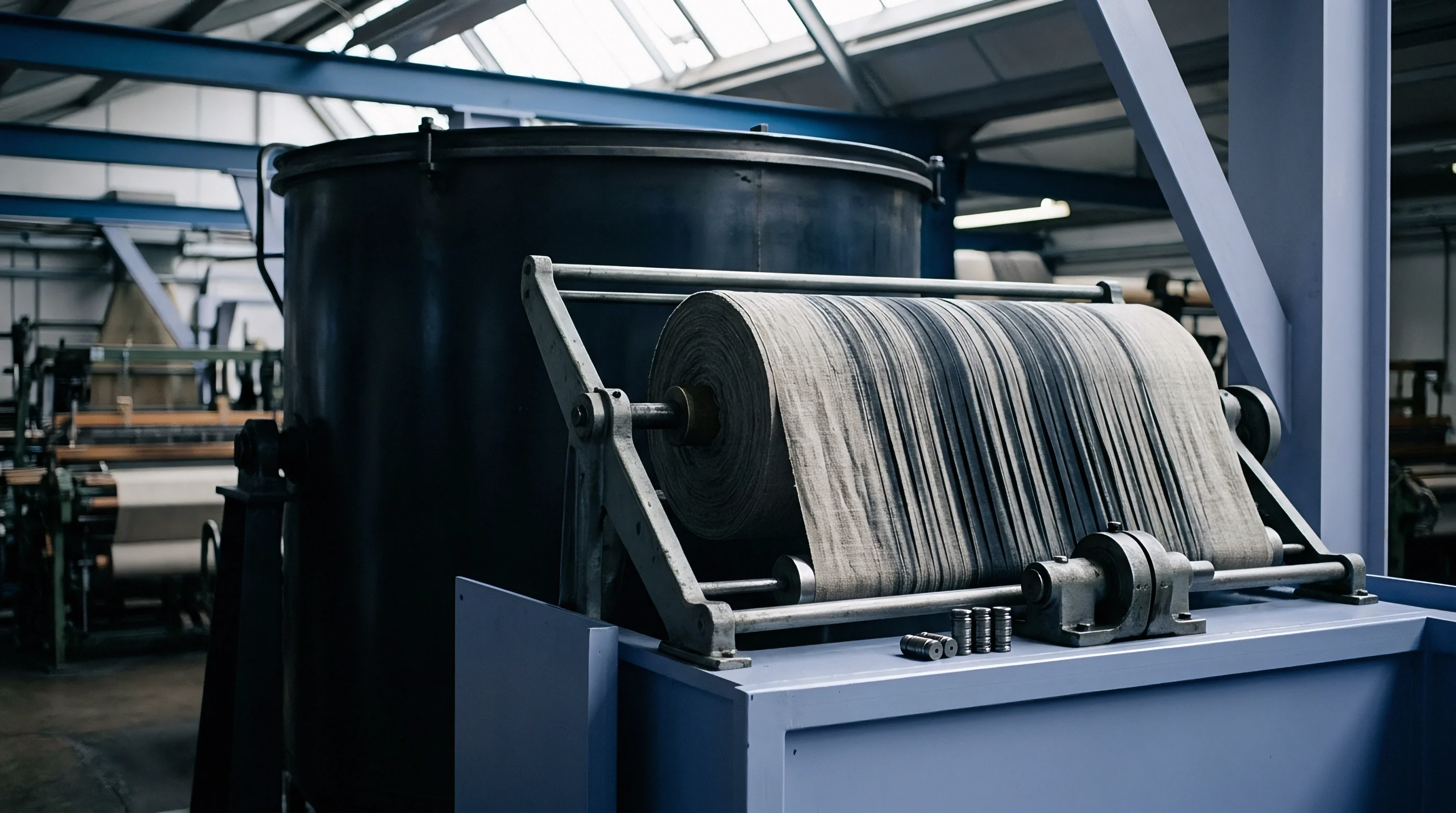
Preparing roving bobbins for wet drafting relies on controlled chemical leaching to solubilise calcium pectate bindings between elementary fibers. Wet spinning ring frames draw roving through a heated water trough immediately before the drafting zone. This thermal immersion softens the intercellular pectin matrix, allowing elementary flax fibers averaging 20 mm to 40 mm in length to slide past each other smoothly under draft roller pressure.
Thermal Pectin Dissolution in Trough Baths
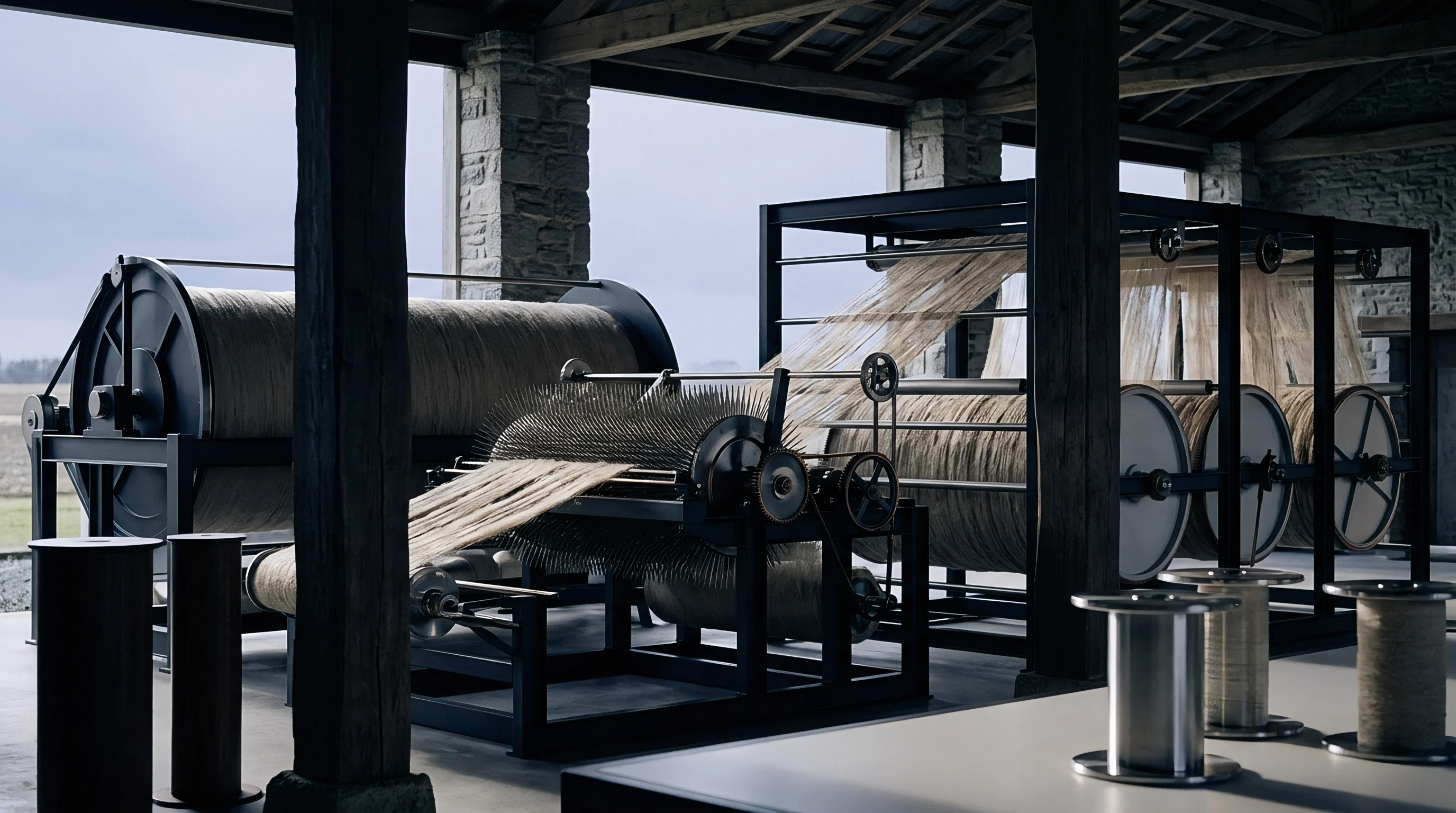
Water basins positioned along the spinning frame maintain continuous liquor turnover to prevent dissolved gums from re-depositing on moving roving strands. Trough temperatures set between 60 degrees Celsius and 75 degrees Celsius yield the optimal balance between pectin softening and cellulose structure preservation. Hot water releases individual strands.
Cold bath water causes slubbing. Maintaining continuous hot water flow through the trough prevents temperature drops that cause pectin re-solidification.
High bath temperatures reduce water viscosity, accelerating liquor penetration into dense roving cores. Operating troughs above 80 degrees Celsius degrades the natural waxes that lubricate fiber movement, increasing friction against thread guides and driving up yarn hairiness.
| Target Yarn Count (Nm) | Water Temperature (°C) | Immersion Time (s) | Surfactant Dose (g/L) | Bath pH Target |
|---|---|---|---|---|
| Nm 24 | 60 to 62 | 4.5 to 5.0 | 1.0 | 6.5 to 6.8 |
| Nm 36 | 65 to 68 | 5.0 to 5.5 | 1.5 | 6.2 to 6.5 |
| Nm 48 | 70 to 72 | 5.5 to 6.0 | 2.0 | 6.0 to 6.2 |
| Nm 60 | 75 to 78 | 6.0 to 6.5 | 2.5 | 5.8 to 6.0 |
| Data recorded using standard double-rover feed roving at 0.8 Nm density under continuous water circulation. | ||||

Saponification and Softening Agent Concentrations
Surfactant additions ranging from 1.0 to 2.5 grams per liter lower surface tension in the hot water bath, enabling uniform fluid penetration through dense fiber cores. Mildly acidic conditions held between pH 5.8 and 6.8 prevent fiber swelling while accelerating calcium pectate breakdown. Addition of non-ionic wetting agents prevents scum accumulation on the trough surface, protecting moving roving lines from oily residue pick-up.
Mill technicians follow a strict procedure when preparing roving and managing the wet spinning bath to maintain uniform drafting behavior.
- Submerge heavy roving bobbins in warm wetting tanks held at 45 degrees Celsius for two hours prior to ring frame creeling.
- Monitor water bath temperature continuously across all frame sections to prevent spatial gradients exceeding two degrees.
- Flush trough channels every eight hours to remove suspended shive particles and precipitated gums.
- Meter non-ionic surfactant into the feed line at two grams per liter to maintain low surface tension.
Thorough core wetting of roving bundles consistently prevents un-drafted slubs better than raising trough water temperatures beyond safe operational limits.
Reach
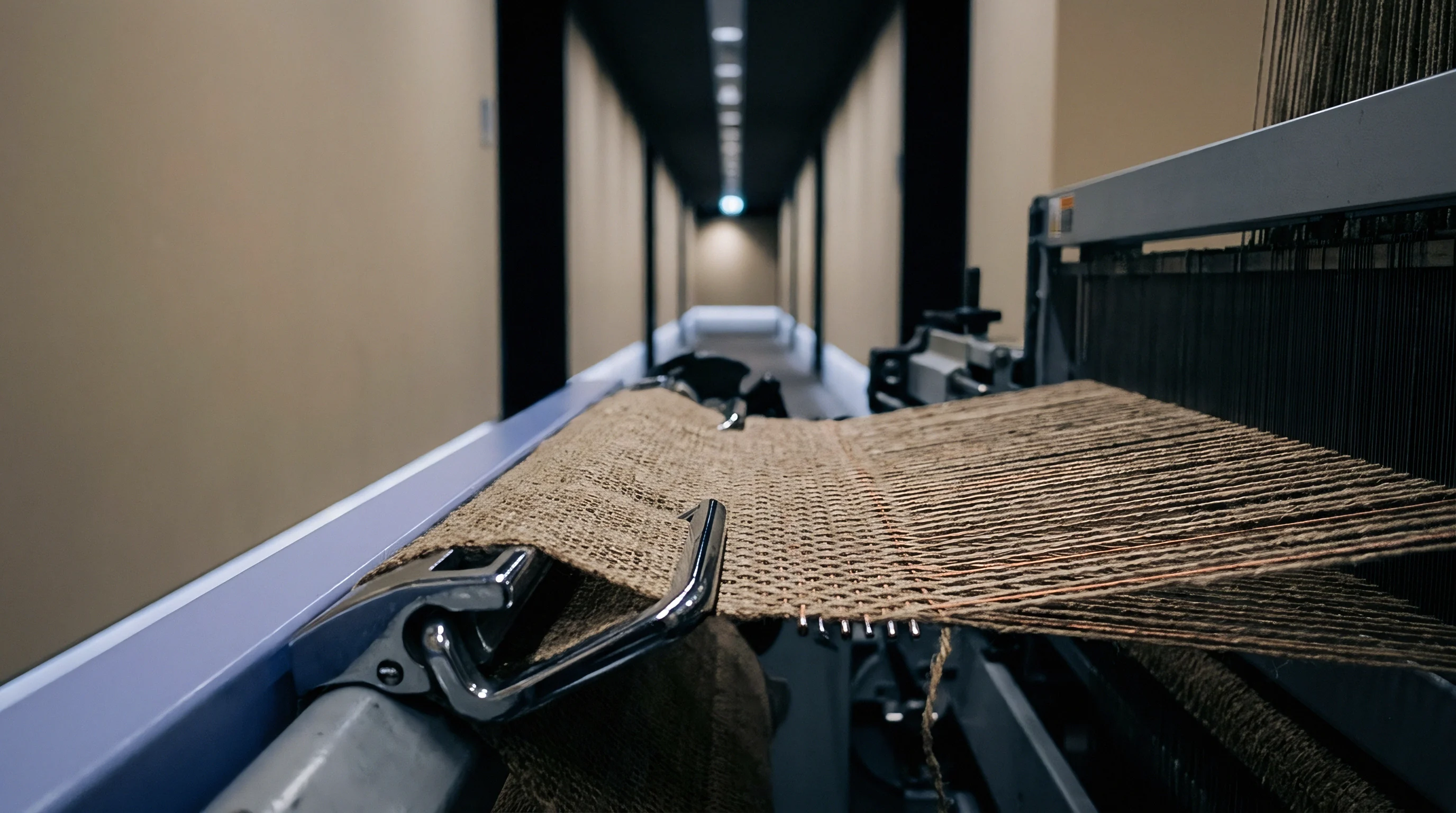
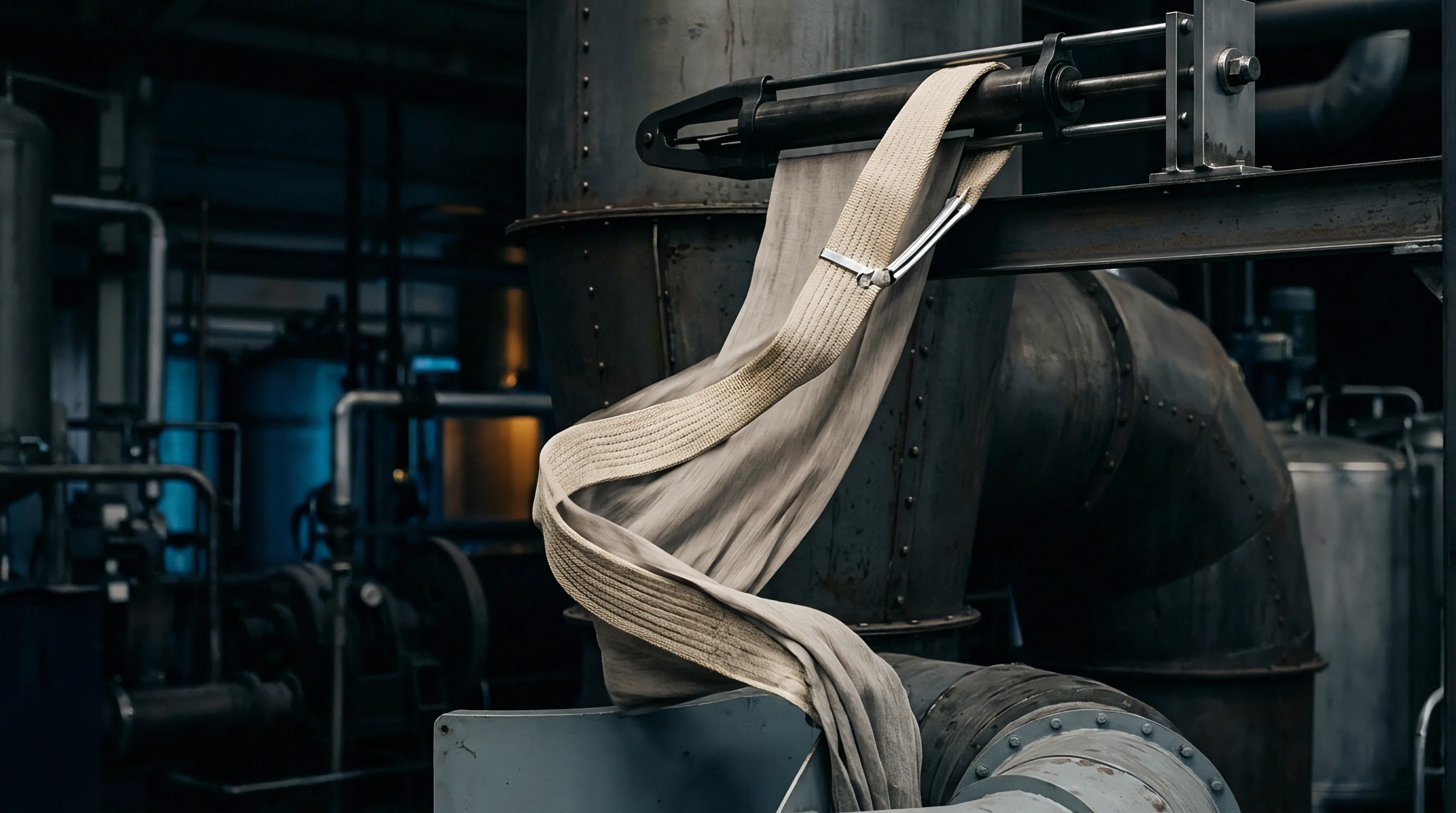
Drafting zone geometry on wet ring spinning machinery governs how softened technical fiber bundles attenuate into uniform fine strands. The distance between the retaining roller nip and the drafting roller nip defines the roller gauge, historically referred to as the reach setting. Because wet spinning relies on sliding elementary filaments past one another after pectin dissolution, reach settings match the breakdown length of elementary fibers rather than the full length of the hackled line bundle.

When Does Draft Ratio Exceed Natural Bundle Cohesion?
Inter-fiber friction falls rapidly once the mechanical attenuation factor rises above eighteen on long-staple wet frames. Draft ratios applied to Heilongjiang line flax roving operate within a tight window between 10 and 16. Excessive draft pulls fiber bundles apart before elementary strands separate smoothly, creating severe periodic mass variations known as draft waves.
Cohesion drops as draft rises. Roller pressure dictates draft stability. Insufficient top roller pressure lets heavy fiber groups pass through unattenuated, producing thick slubs that catch in the traveler.
Failure to maintain top roller clamping force within five percent of the ISO 2060 reference setting triggers automatic lot rejection under standard yarn delivery contracts.

Roller Gauging and Pressing Roller Loadings
Distance settings between front delivery nip points and back retaining pairs determine whether individual filaments slide smoothly or snap under tension. Heilongjiang line flax roving processed at high metric counts requires reach settings between 38 mm and 45 mm. Setting the reach too narrow pinches long elementary fibers at both nip points simultaneously, causing widespread filament rupture and immediate end breakage.
Setting the reach too wide allows softened fibers to float without guidance, creating loose, weak yarn segments with poor structural twist integration.
| Yarn Count (Nm) | Reach Gauge (mm) | Draft Ratio Range | Spindle Speed (RPM) | Traveler Size (ISO) |
|---|---|---|---|---|
| Nm 24 | 45 to 48 | 10.5 to 12.0 | 5,200 to 5,800 | ISO 40 to 50 |
| Nm 36 | 42 to 45 | 12.0 to 14.0 | 5,800 to 6,400 | ISO 28 to 36 |
| Nm 48 | 40 to 42 | 14.0 to 15.5 | 6,400 to 7,000 | ISO 20 to 25 |
| Nm 60 | 38 to 40 | 15.5 to 17.0 | 7,000 to 7,600 | ISO 14 to 18 |
Heavy travelers increase thread breakage. Dry air causes frame fly. Ring spinning efficiency depends on identifying and correcting specific mechanical failure modes in the drafting zone.
- Drafting zone slippage occurs when top pressing rollers lack sufficient pneumatic load, allowing wet roving to pass through without achieving full mechanical attenuation.
- Lap formation on delivery rolls develops when stray wet filaments wrap around the top rubber cot, requiring immediate machine shutdown and roller cleaning.
- Thermal traveler burn manifests when elevated spindle speeds generate excess friction against the ring, blunting the traveler edge and causing rapid yarn snapping.
- Excessive end breakage rates signal incorrect reach geometry or uneven trough heating, directly lowering spinning room efficiency and increasing operator workload.
Incorrect reach geometry causes severe count variance and high end breakage, resulting in unusable yarn packages and substantial mill financial loss.

Skein
Wound yarn inspection delivers definitive physical data regarding count uniformity, tenacity, and microstructural cohesion. Wet-spun line yarns display a smooth, dense body caused by the drying and re-solidification of solubilised pectins directly on the ring spindle. This self-sizing mechanism locks surface fibers into the yarn core, giving genuine wet-spun linen its characteristic high lustre and crisp hand.
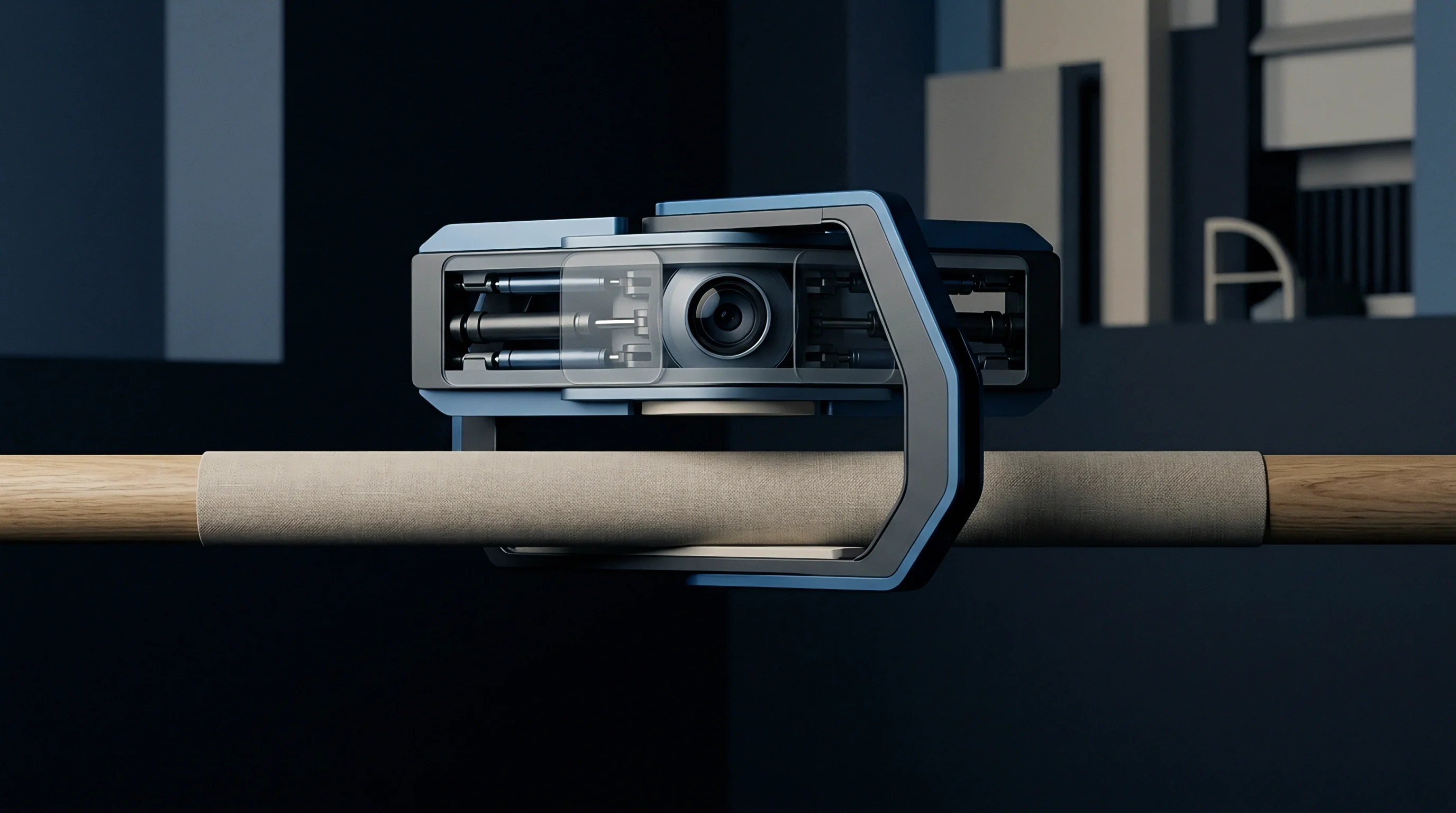
Tensile Behavior and Linear Density Testing
Single strand breaking force evaluated under ISO 2062 reveals that wet-spun line yarns exhibit twenty percent higher strength than dry-spun equivalents. Wet strength exceeds dry strength. Moisture trapped within the crystalline regions of cellulose filaments increases internal alignment under tensile load.
Heilongjiang line flax spun to Nm 36 achieves average single-end tenacity values between 28 and 32 cN/tex, with elongation at break averaging 2.2 to 2.8 percent.
Mass variation analysis using capacitive testing equipment establishes count consistency. Fine counts produced from dew-retted Chinese stock target mass CV percentages below 16.5 percent on 100-meter skein tests under ISO 2060 standards.
Yarn spun with consistent trough heating exhibits superior tensile strength and significantly lower surface hairiness across all package diameters.
Hairiness Reduction and Splice Strength Limits
Surface fiber projection profiles measured on optical sensors reflect the quality of filament slip during ring frame drafting. High twist multipliers ranging from 110 to 125 alpha metric bind loose filament ends into the yarn core during twisting. High twist lowers frame output.
Package winding units equipped with pneumatic splicers replace traditional knots, yielding joint strength values exceeding 85 percent of the parent yarn tenacity.
Formal delivery documentation requires rigorous laboratory testing data to clear quality verification checks.
- Metric count verification reports actual linear density measured via skein reel weighing under ISO 2060 standard atmospheric conditioning.
- Single strand tenacity minimums state breaking force and elongation limits obtained through ISO 2062 tensile testing on standard automated testers.
- Mass variation coefficient limits define permissible short-term and long-term thickness fluctuations recorded across full bobbin sets.
- Splice breaking strength ratio verifies that pneumatic spliced joints retain sufficient tensile capacity to survive high-speed weaving shed stresses.
Spinners frequently attribute elevated count CV percentages to unpredictable dew retting conditions across seasonal harvest lots rather than machine mechanical wear.
Spend
Financial calculations for linen manufacturing center on conversion yield from hackled long flax into finished spun yarn. Scutched line flax purchased from Heilongjiang farms undergoes combing to separate long line fibers from short tow fibers. Hackling yield directly determines the base raw material cost component of the spun yarn invoice.
Yield Loss and Roving Waste Calculations
Hackling operations convert approximately sixty percent of scutched line flax into long comb sliver, directing forty percent into lower-value tow. Wet spinning operations add further material losses, including wet roving waste, drafting slubs, and winding trim cuts. Total material waste from raw hackled sliver to final wound cone averages 8.5 to 12.0 percent depending on target yarn count and fiber cleanliness.
Fine yarn demands line raw material. Waste lines eat spinning margin.

Landed Fiber Arbitrage and Fabric Cost Conversion
Domestic raw material prices in Heilongjiang trade at a fifteen percent discount to French and Belgian line flax offers. Lower initial fiber cost is counterbalanced by higher hackling waste and slightly lower fine-count spinnability. Processing domestic stock into Nm 36 yarn requires factoring in a higher end breakage rate on ring frames, which increases labor costs per kilogram of delivered yarn.
| Fibre Origin | Raw Fiber Cost (USD/kg) | Hackling Yield (%) | Spinning Waste (%) | Yarn Conversion (USD/kg) | Metre Cost 150g/m² (USD) |
|---|---|---|---|---|---|
| Heilongjiang Dew-Retted | 4.20 | 58.5 | 10.5 | 3.80 | 1.45 |
| French Dew-Retted | 5.10 | 65.0 | 7.5 | 3.50 | 1.58 |
| Belgian Dew-Retted | 5.40 | 67.2 | 6.8 | 3.40 | 1.62 |
| Calculated for Nm 36 wet-spun yarn woven into 150 g/m² plain weave fabric at 150 cm loom width. | |||||
Hackling yield variations of two percent alter final spun yarn manufacturing costs by more than thirty cents per kilogram.
Evaluating local Heilongjiang fibre lots against imported European stock shows that lower initial material costs are frequently offset by higher hackling waste when producing fine yarns above metric count forty.