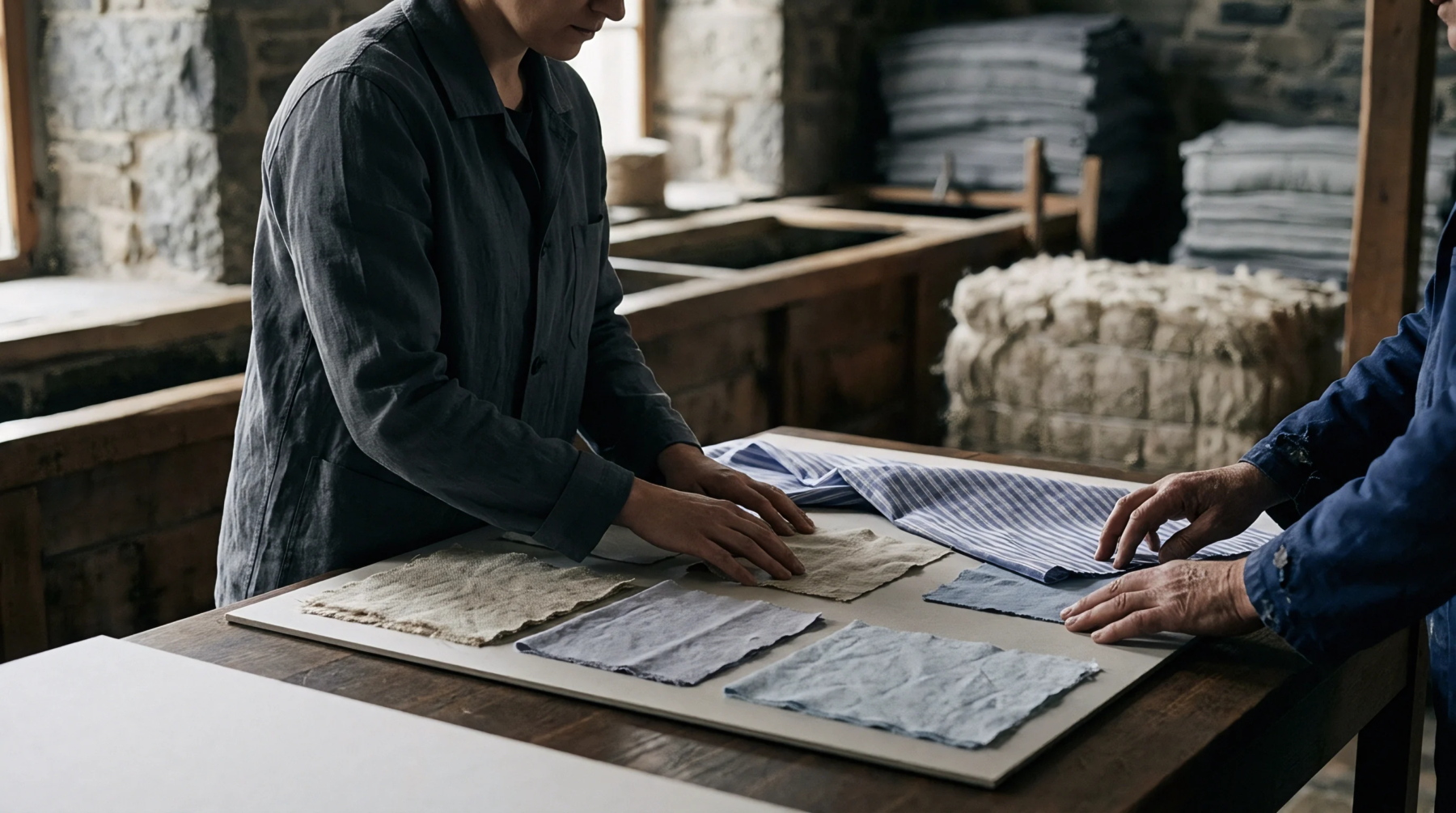
Plain Weave Standing Where a Twill Drapes at Equal Weight
Equal weight plain weave stands rigid while twill drapes because maximum yarn crossover frequency locks crimp and restricts lattice shear mobility.
Equal weight plain weave stands rigid while twill drapes because maximum yarn crossover frequency locks crimp and restricts lattice shear mobility.
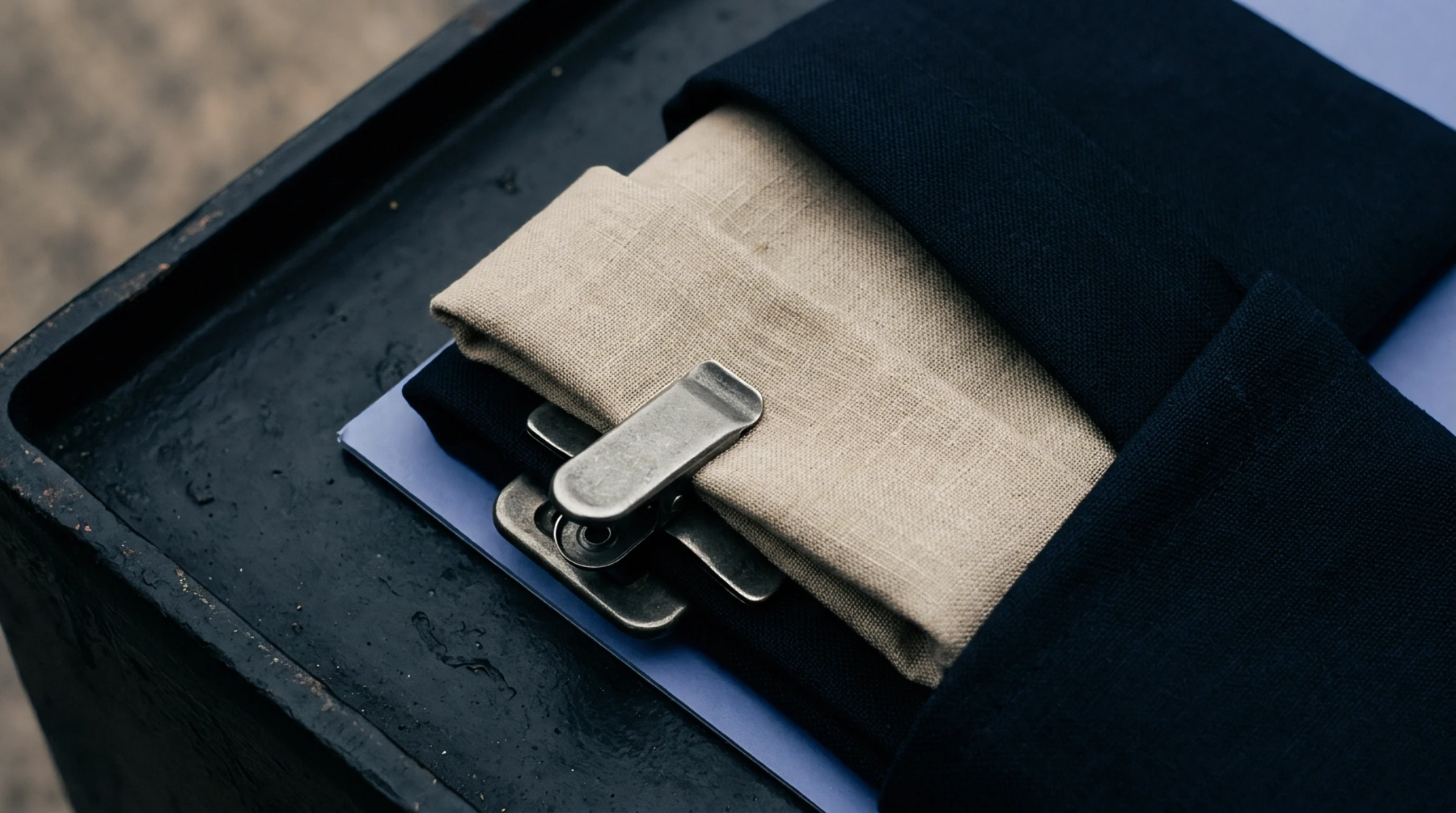
Sectional warping batch inspection requires matching drum cone angles to yarn build and scoring periodic band faults under strict four point penalty thresholds.

High warp tension on wet spun flax accelerates crystalline bundle micro-cracking, requiring controlled sizing regain and reduced shedding angles to maintain shed capacity.
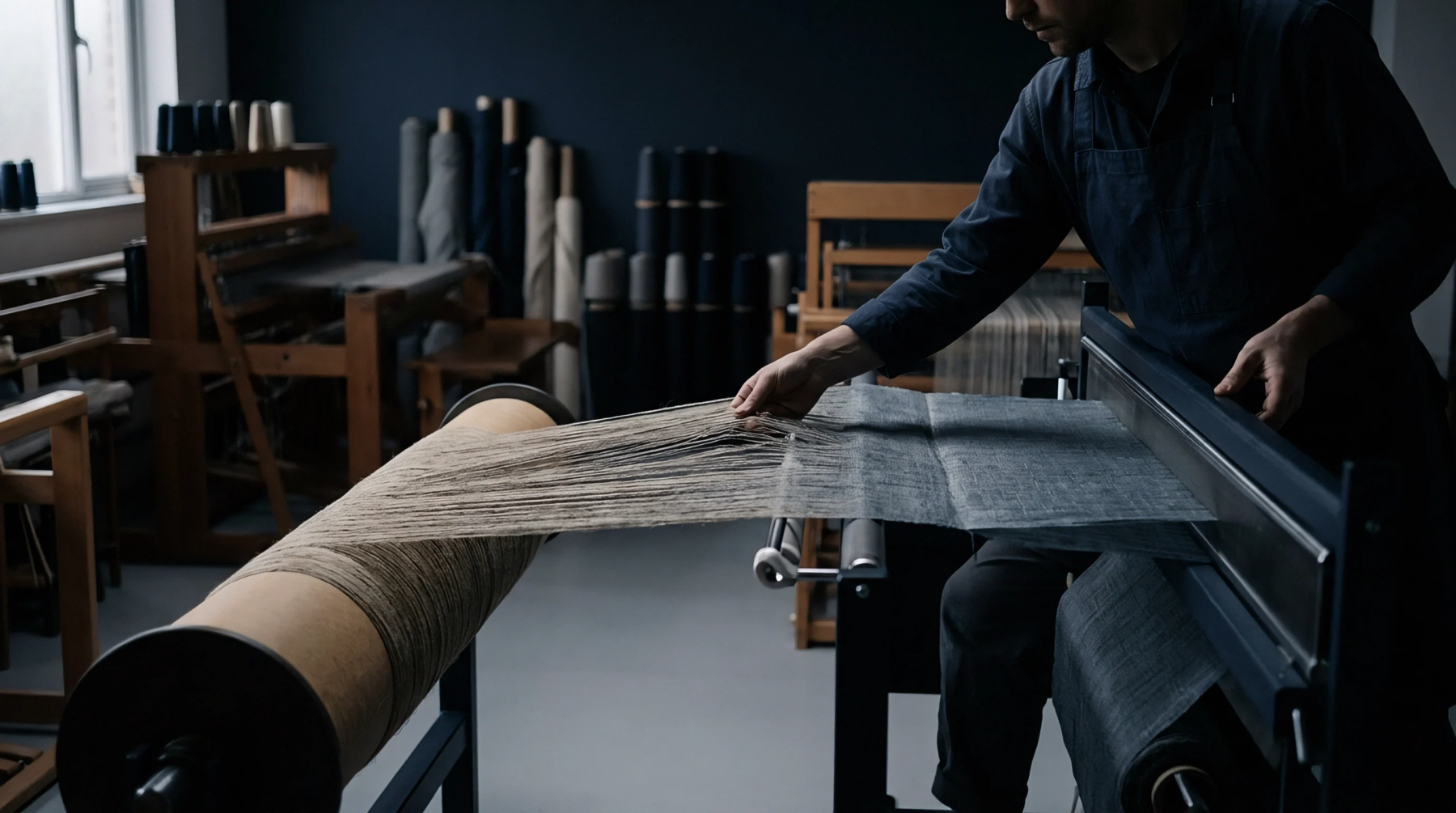
Uniform chemical size pick-up on long run linen warps requires continuous viscosity control, deflecting-compensated squeeze pressure, and balanced film elasticity.

Booking Chinese linen loom capacity requires evaluating warp preparation bottlenecks and machine hours rather than linear metre price quotes alone.
Target linen weight equals yarn tex multiplied by thread density, adjusted for warp size, crimp, wet process mass loss, and area shrinkage factors.

Optimal polyvinyl alcohol and starch size blends limit cyclic tensile stress decay in wet spun flax warp yarns below 15 percent, maximizing high-speed loom efficiency.
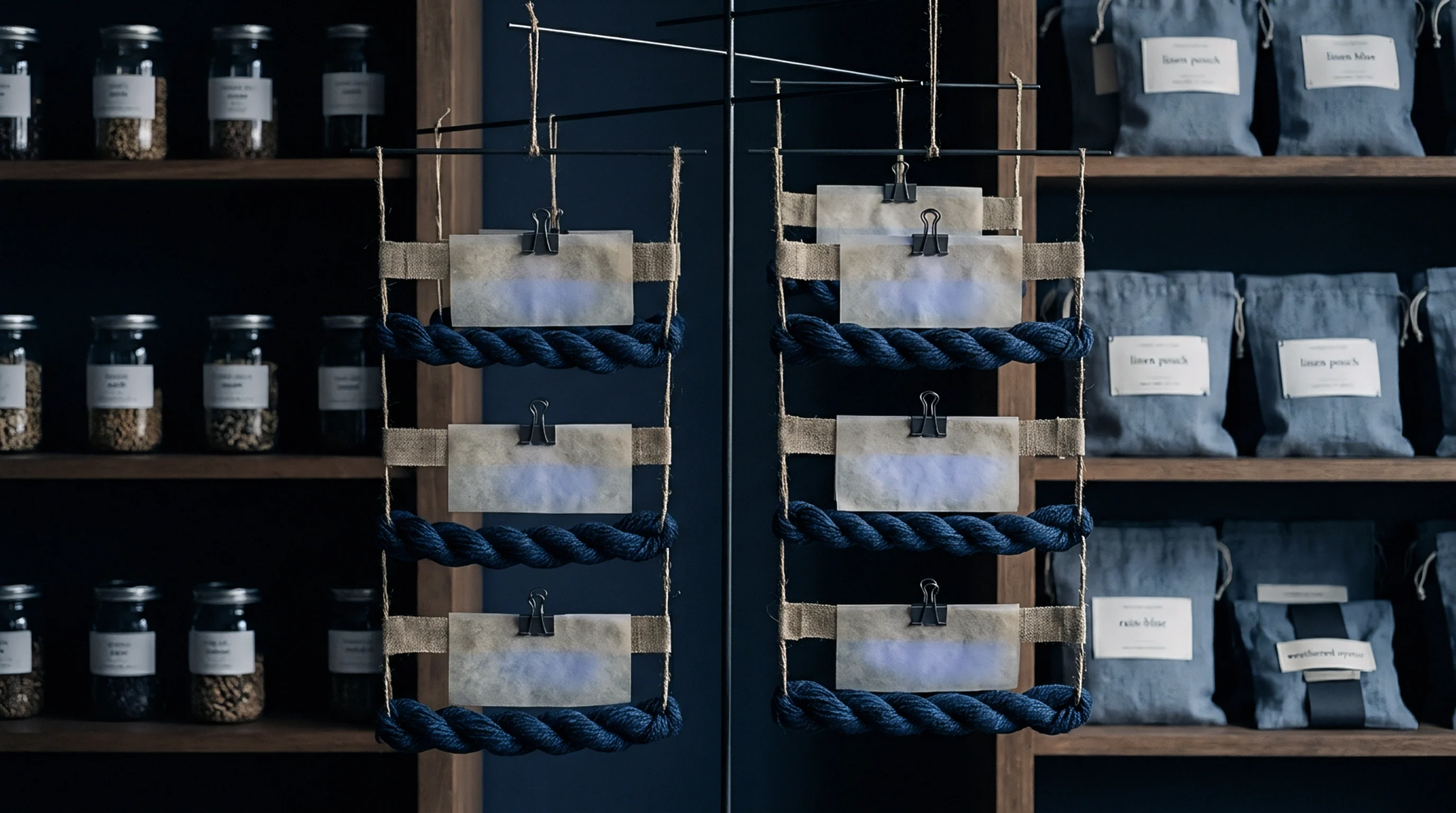
Yarn friction defect liability caps at 200 percent of raw yarn value based on verified ASTM D3108 friction test failures and digital loom stop records.

Dynamic friction in fine wet spun linen warps limits loom speed, demanding tailored size films, optimized shedding angles, and ambient humidity control.
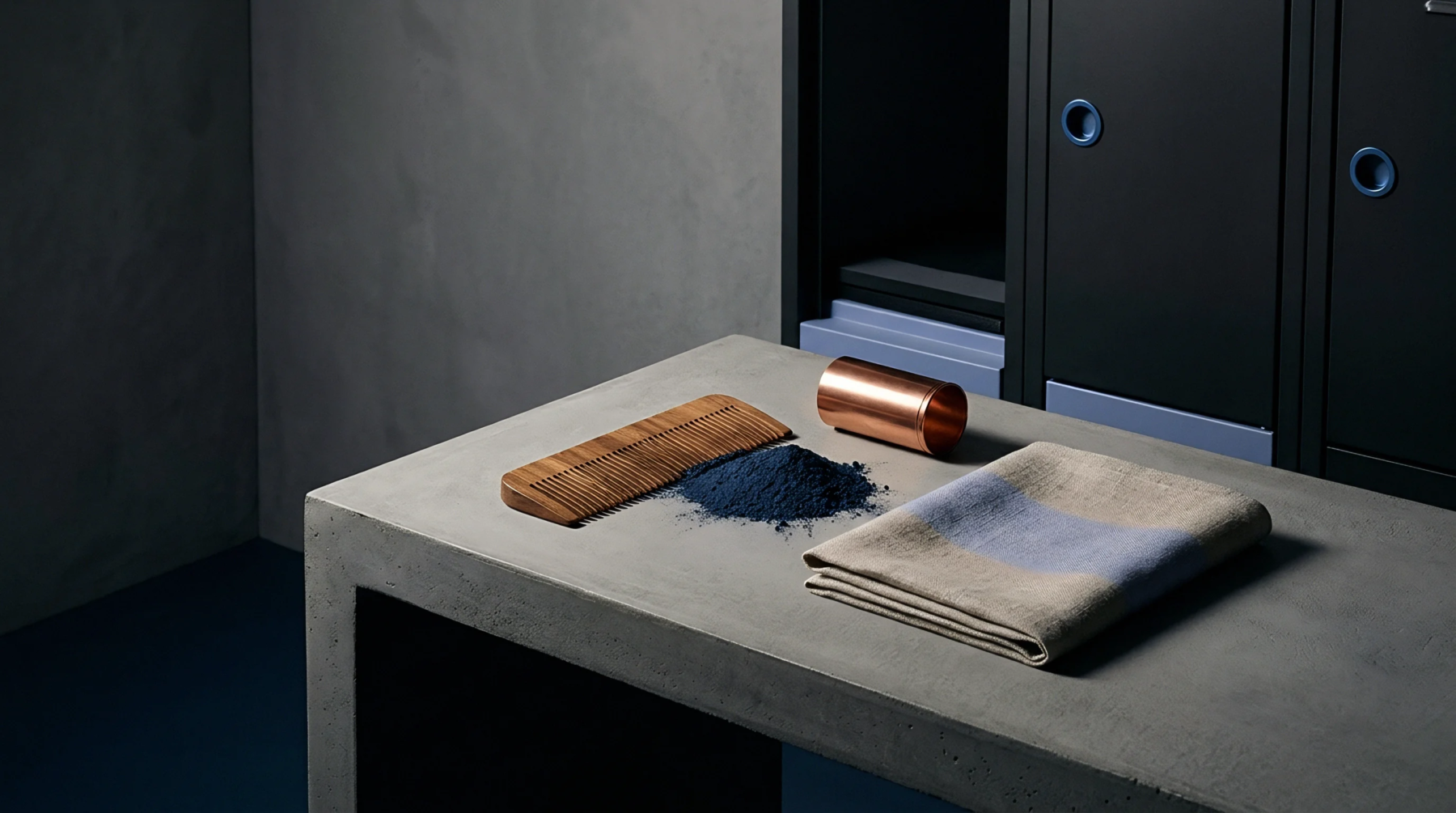
Optimizing fine bast warp sizing with PVA acrylic blends and gentle rapier kinematics lowers loom stoppages below 1.5 breaks per 100,000 picks.
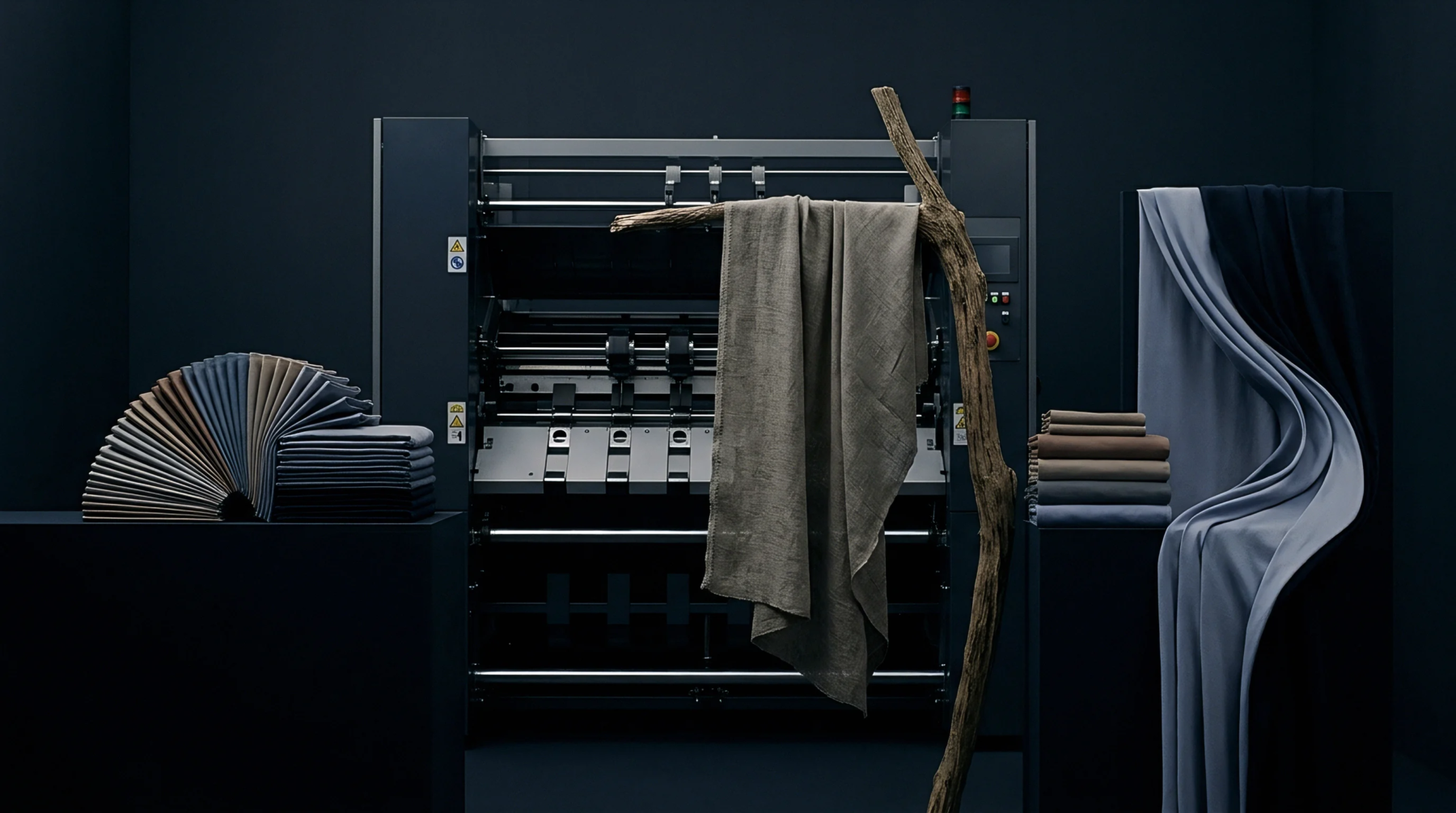
Dynamic tension decay in sized wet spun flax yarns is minimized by controlling size penetration to 25 percent and keeping dynamic strain amplitudes below 1.2 percent.
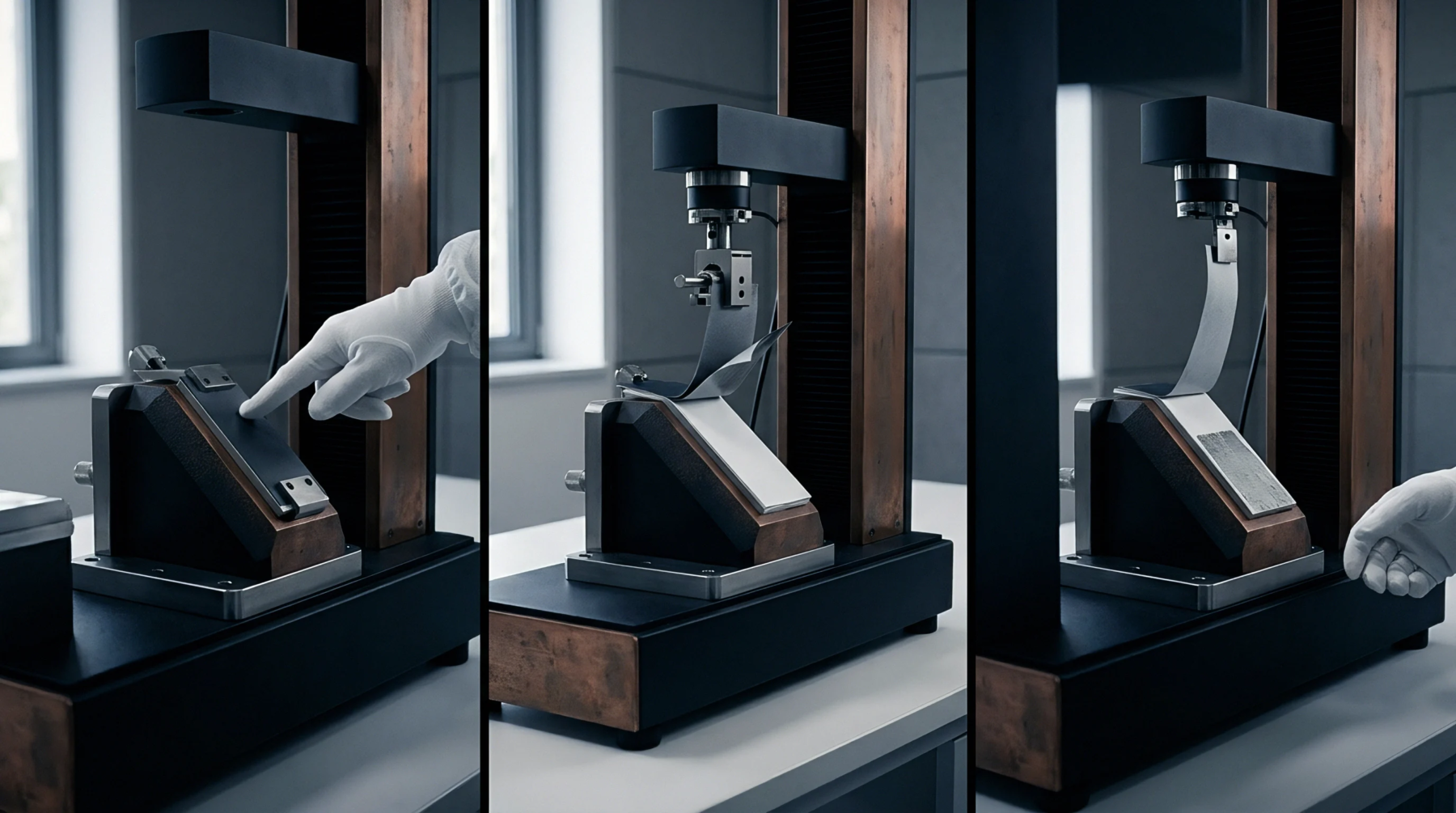
Fine wet spun linen warp yarns demand a minimum unsized tenacity of 19 cN/tex and a Weibull modulus above 9.0 to survive loom shedding strain without snap.
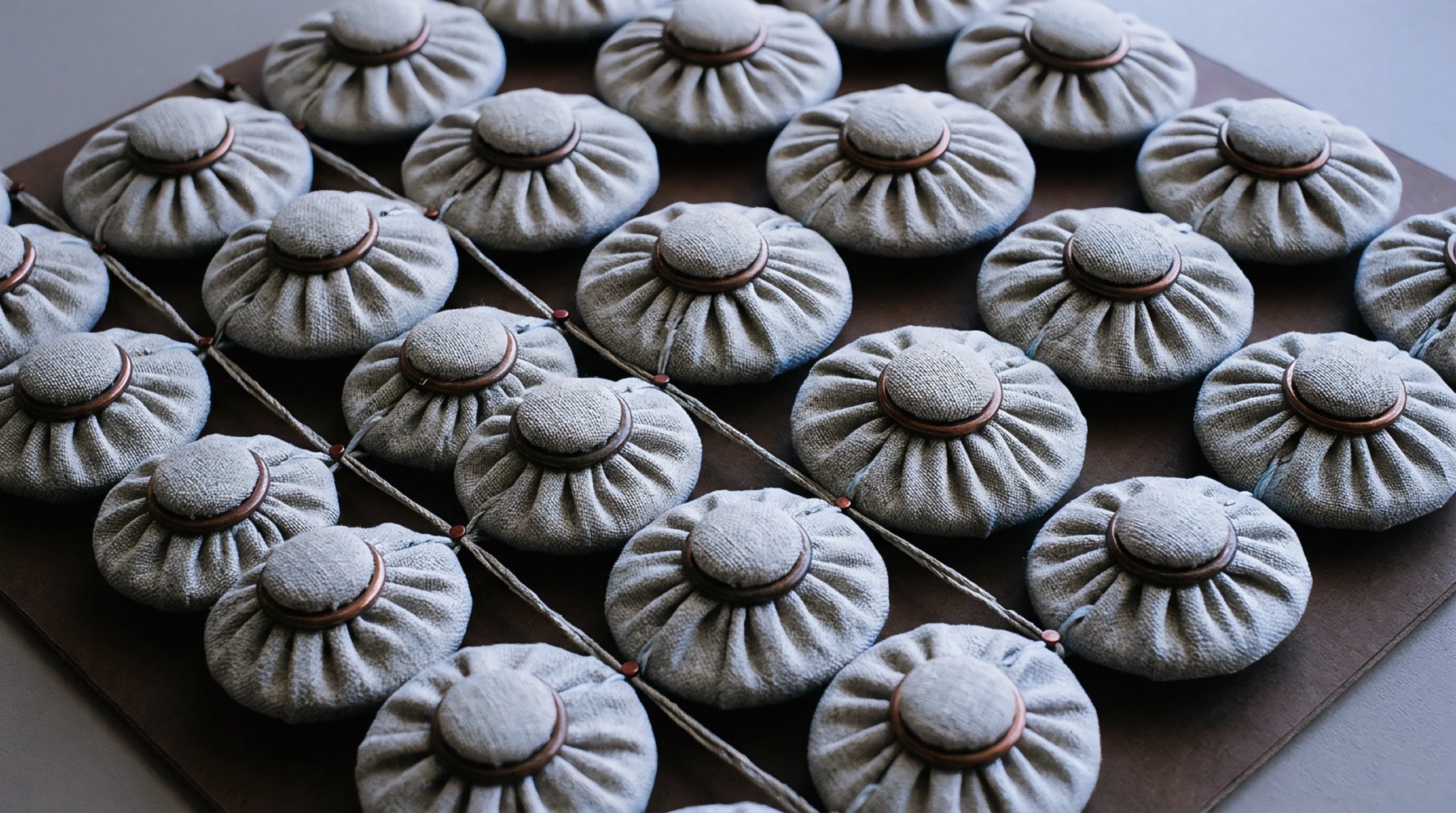
Fine wet spun linen warps perform best between 68 and 72 percent relative humidity, capping dynamic friction below 0.35 to prevent warp tension breaks.

Reconciling linen weight requires balancing chemical extraction losses against warp crimp contraction to hit target finished areal mass and dimensional stability.
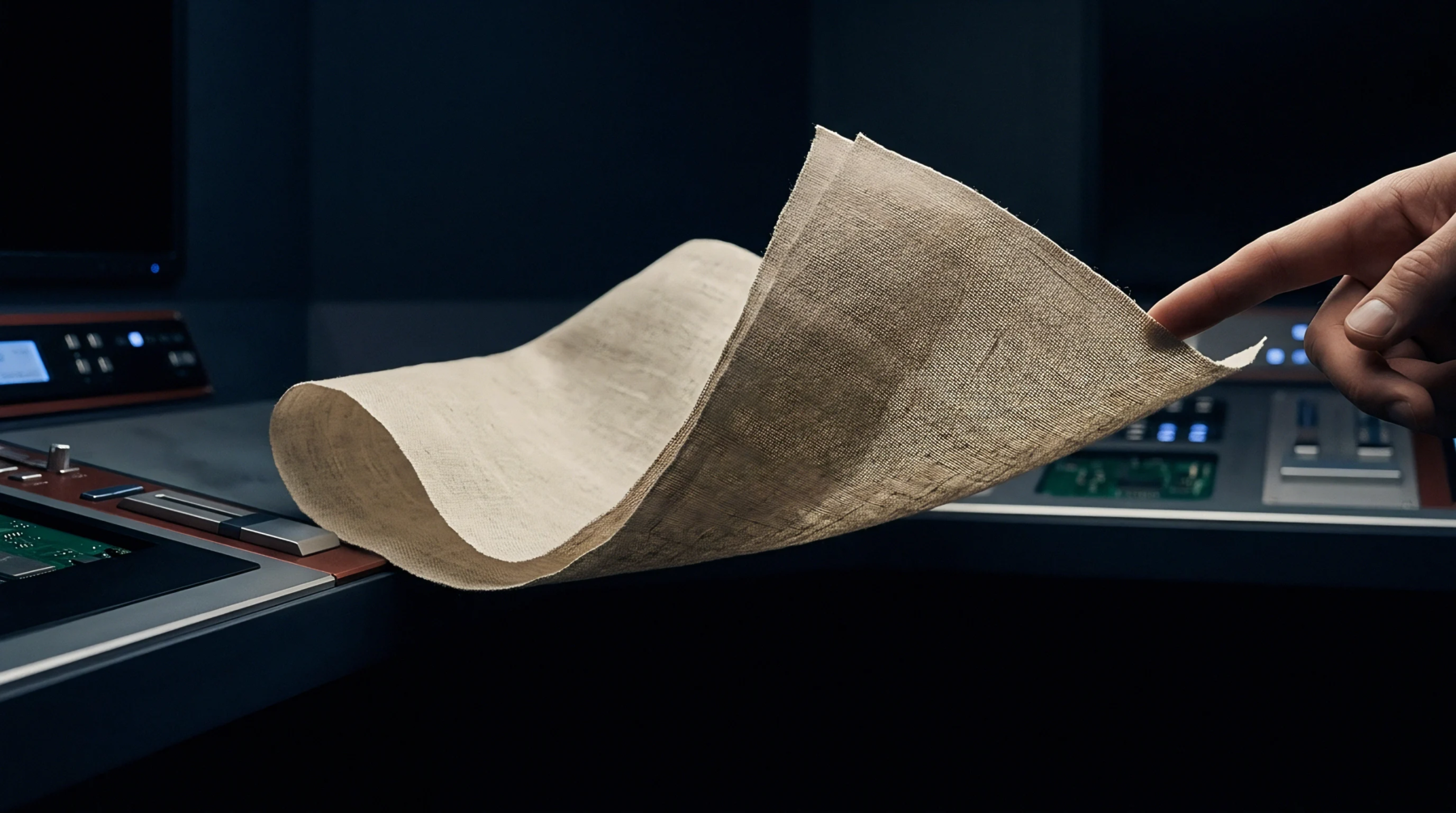
Standard flax yarn linear density determination mandates motorized skein reeling under 0.5 cN/tex tension combined with ISO 6741 oven-dry commercial mass correction.
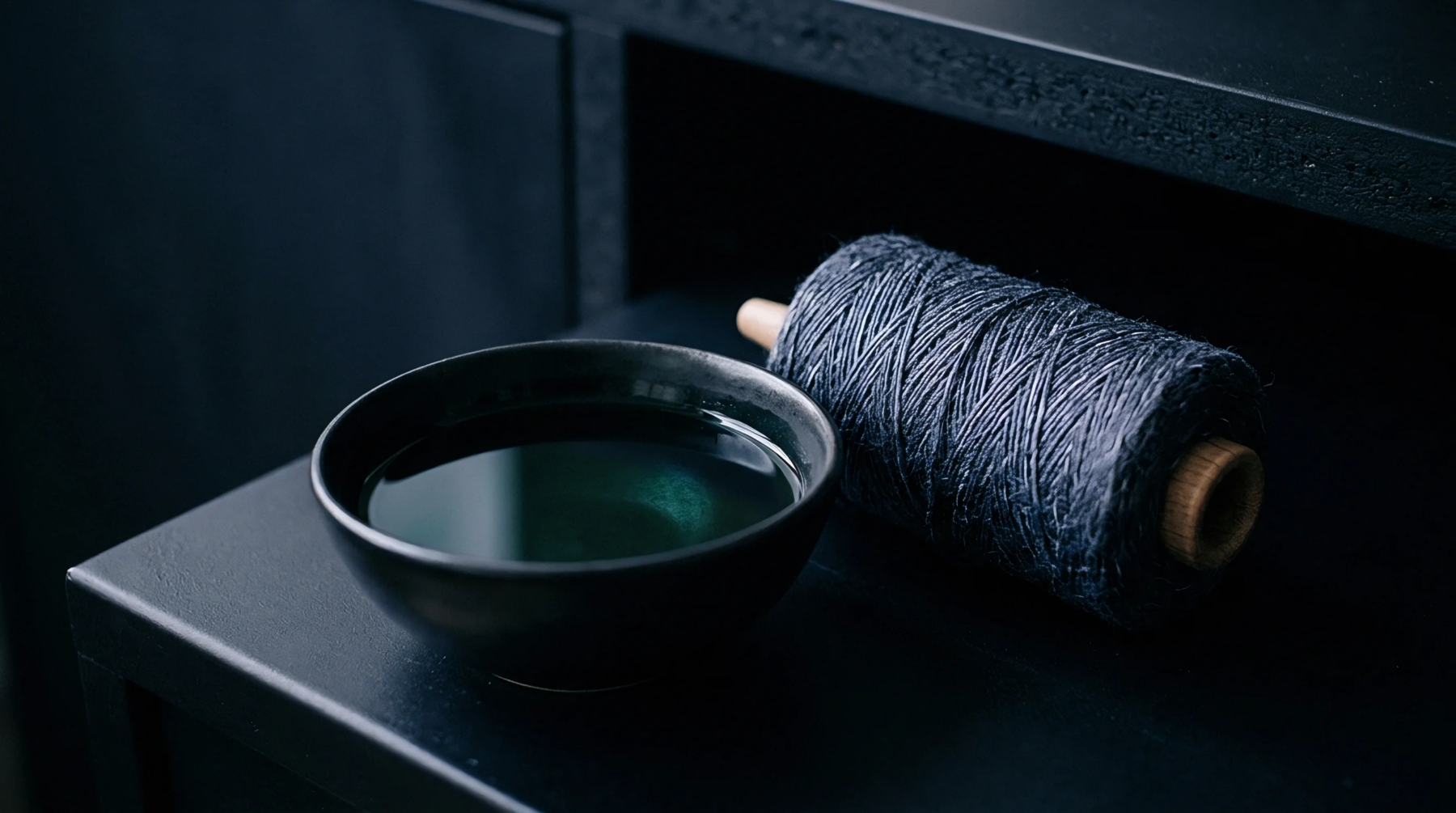
Warp sizing requires matching yarn packing factor to polymer viscosity, adjusting squeeze nip pressure for precise solids add-on, and maintaining elongation.
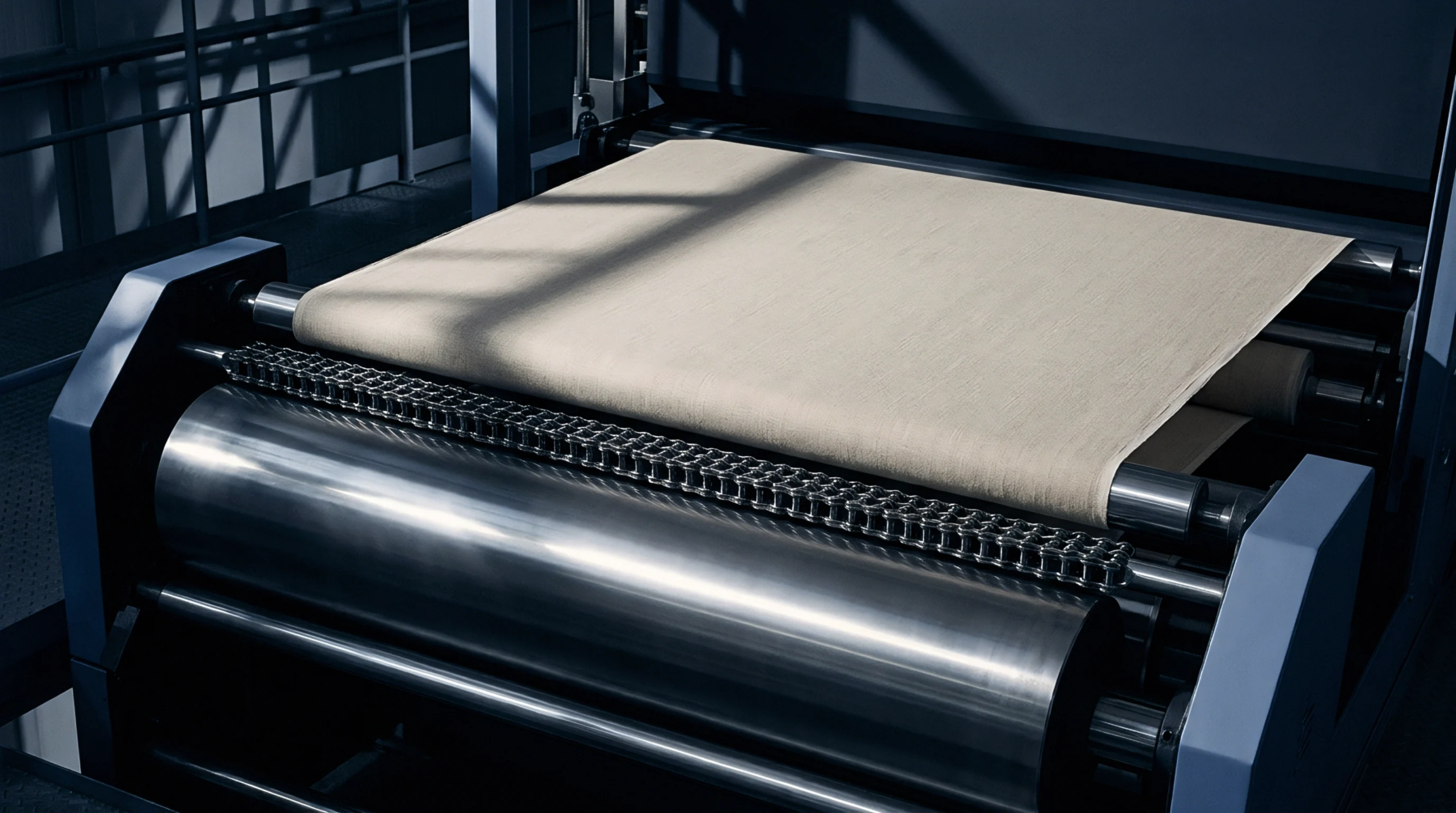
Wide air-jet linen weaving requires synchronized relay nozzle pressures and precise temple pin geometry to stop edge tension drift and edge damage.
Exact yarn mass calculation for plain weave greige linen requires converting Lea to Tex, factoring warp crimp, reed width, and 12% standard moisture regain.
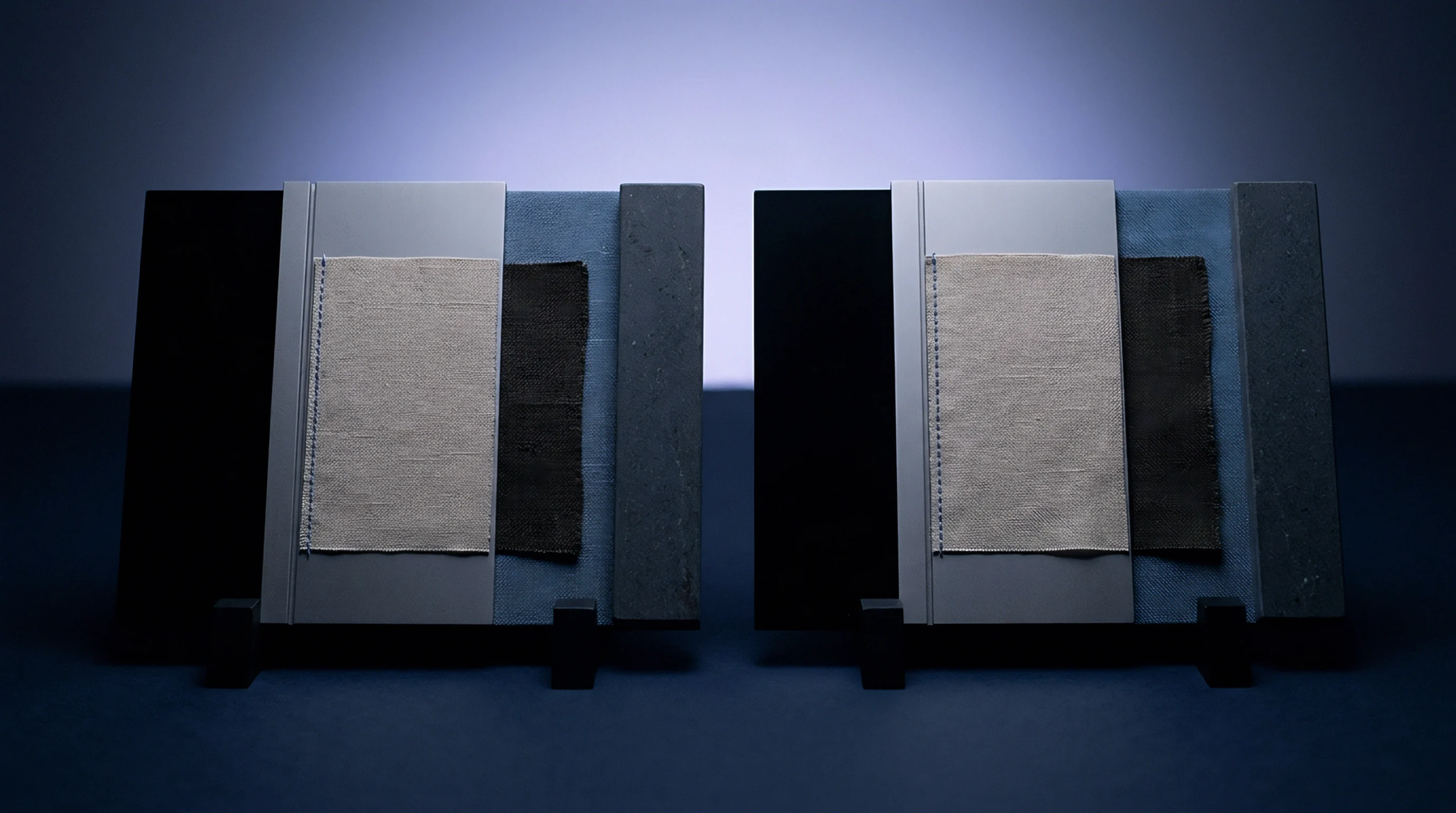
Determine woven linen weight and thread density by converting yarn Lea to Tex, applying cover factor equations, and accounting for finishing shrinkage.
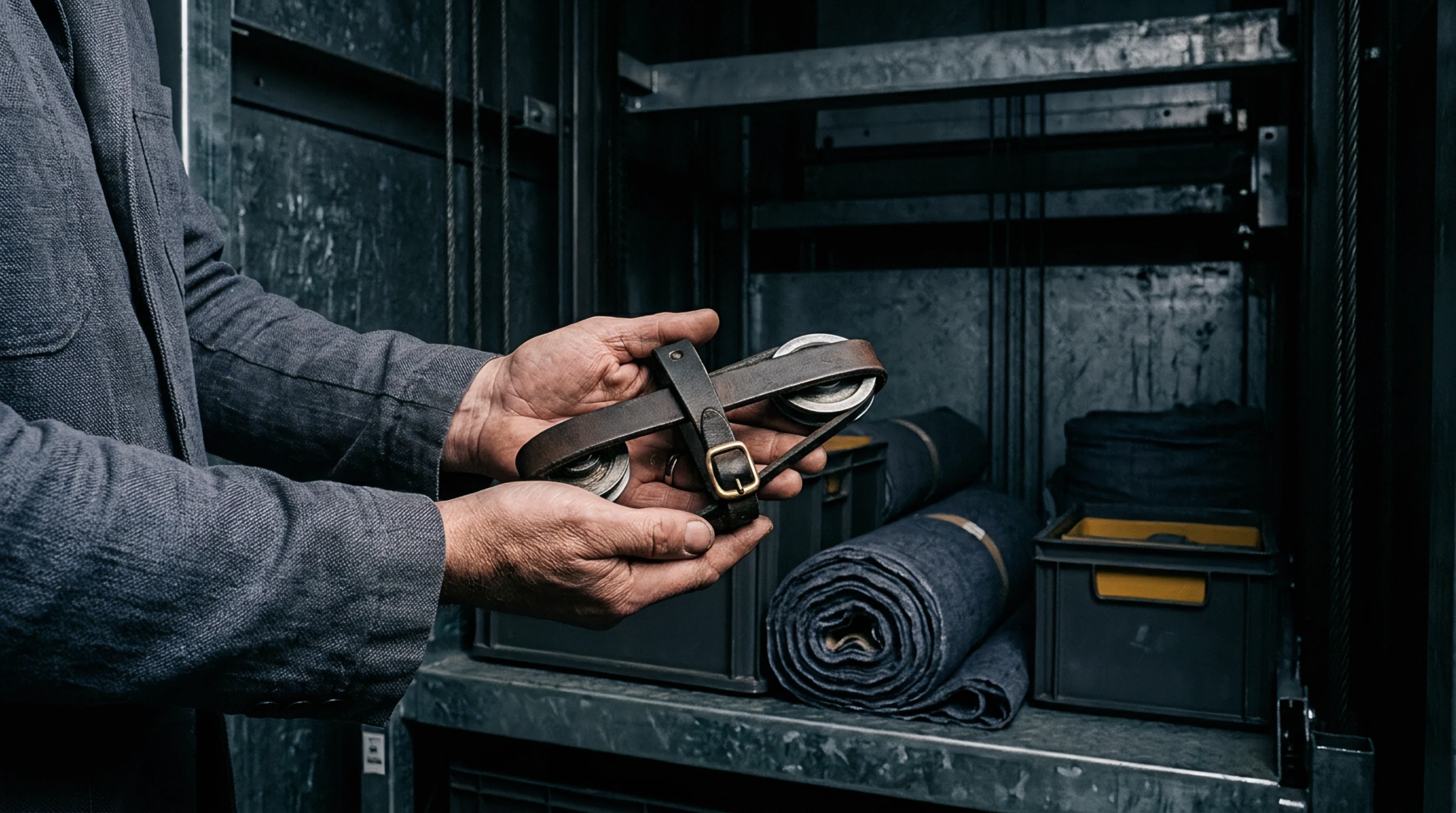
Jacquard harness mass and cumberboard splay force mandatory loom speed derating to prevent dynamic hook float, cord burning, and gearbox failure.
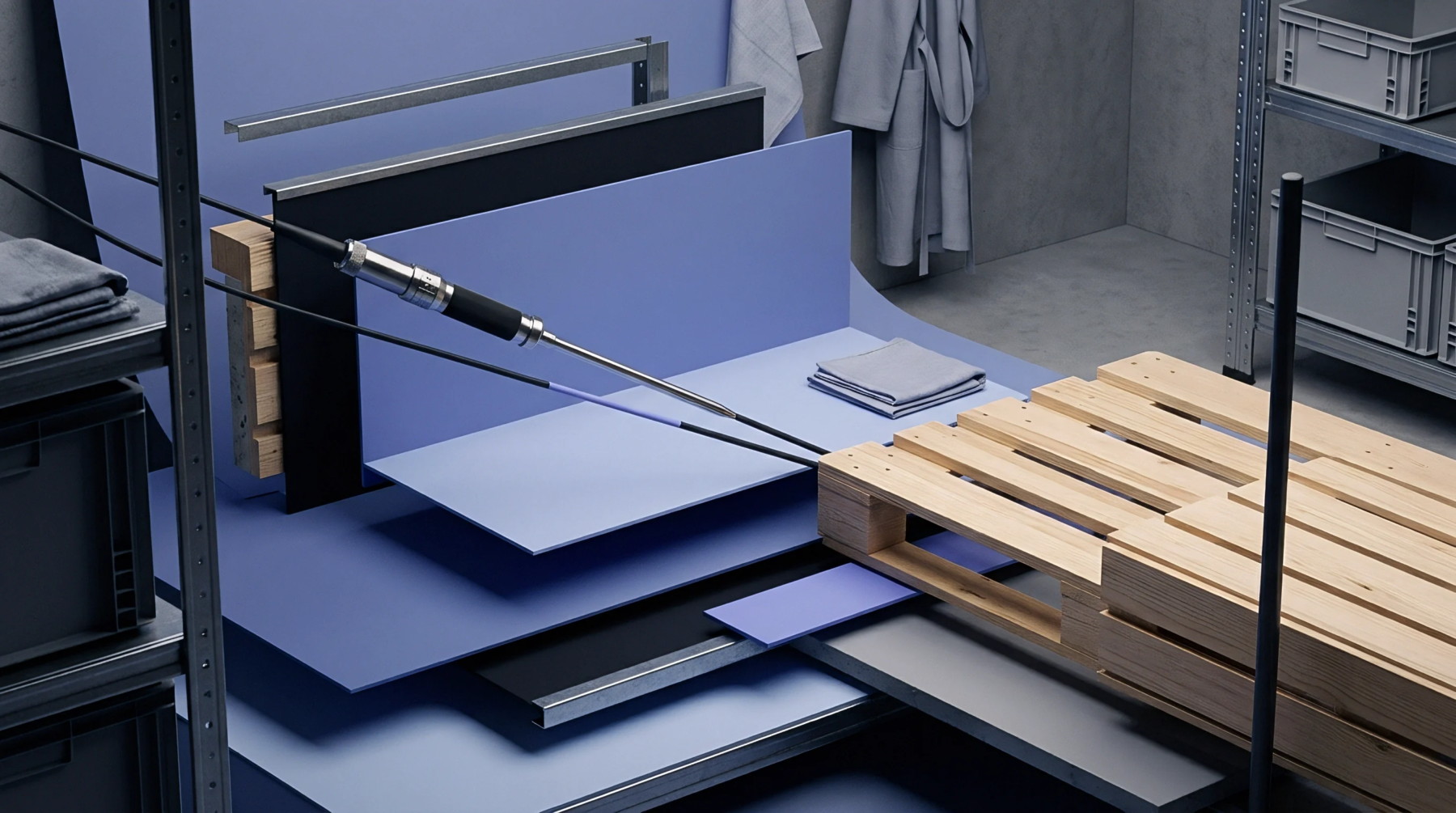
High-speed rapier friction accelerates evaporative desiccation in wet spun linen, requiring targeted shed micro-climates to maintain eleven percent regain.
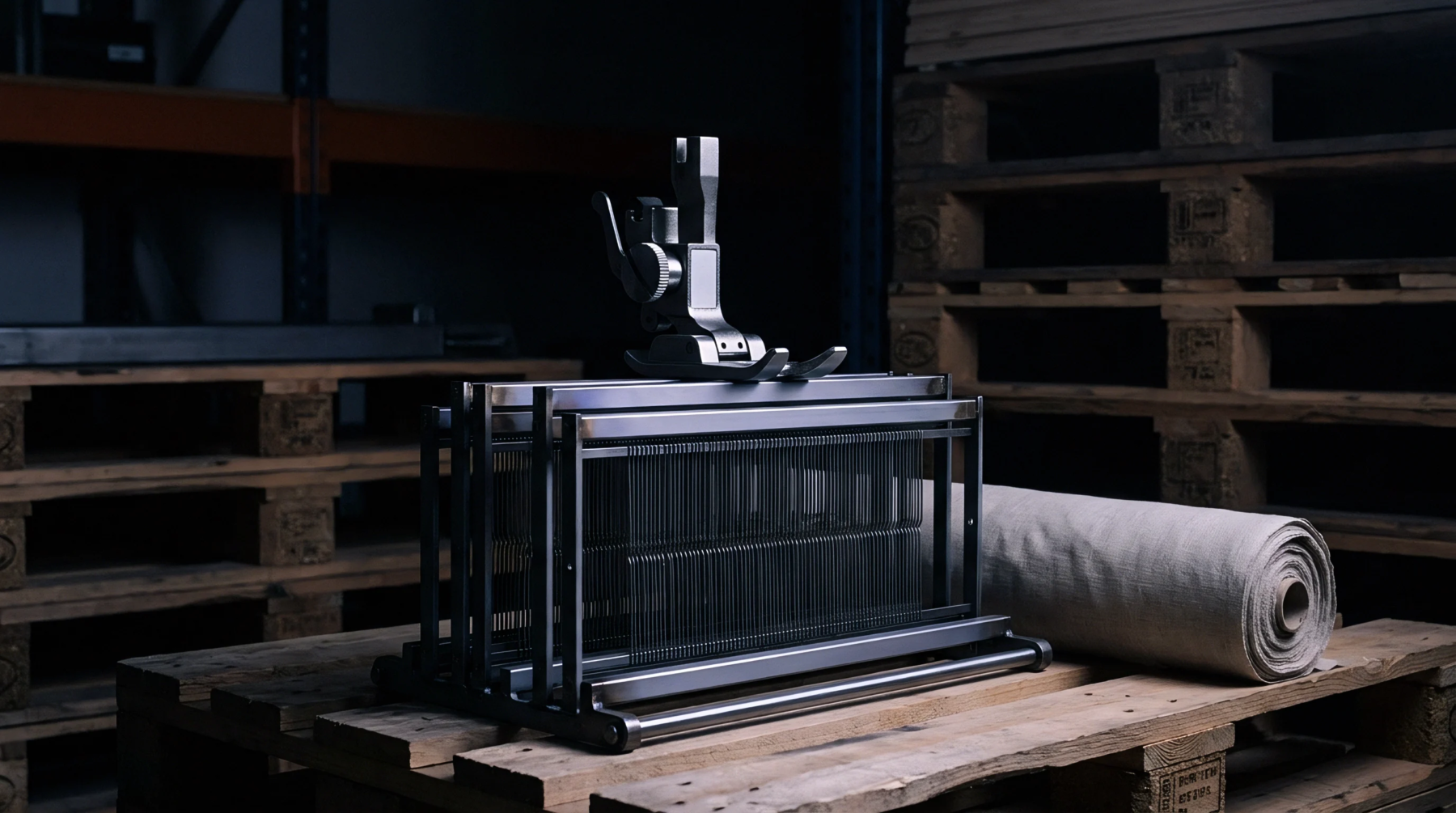
Optimize high density linen weaving by expanding harness leaves to minimize heald crowding and selecting reed counts that preserve open air space above forty percent.
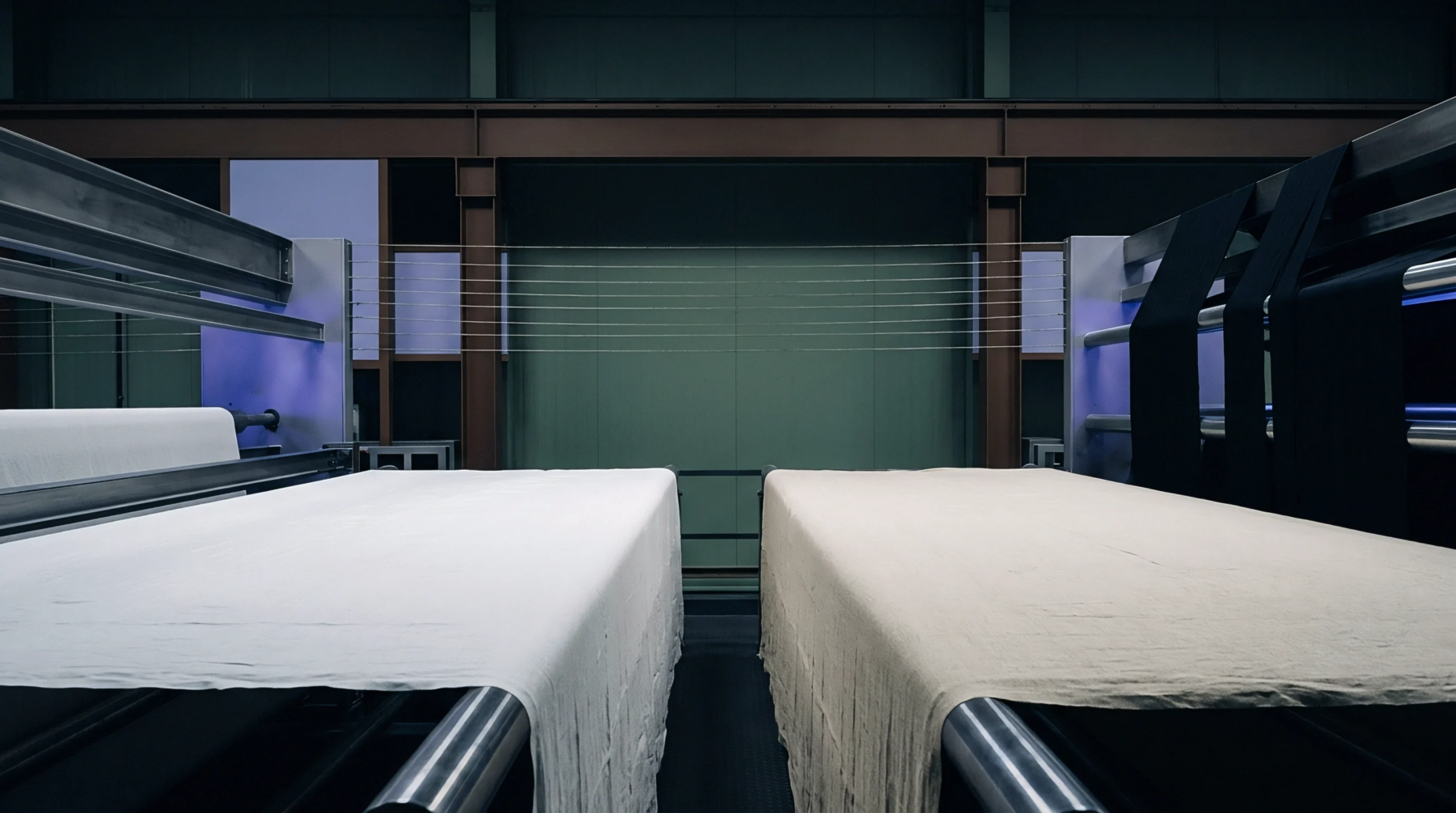
Raising backrest height creates asymmetric warp tension, clearing hairy flax shed openings without exceeding the breaking strain of inextensible linen yarns.

Dynamic ease-off spring tuning mitigates peak tension spikes in low-elasticity linen warps, preventing yarn failure and optimizing loom efficiency.

Optimizing air jet linen shedding requires asymmetric harness levelling at 26 millimetres to balance relay nozzle clearance with tension limits.
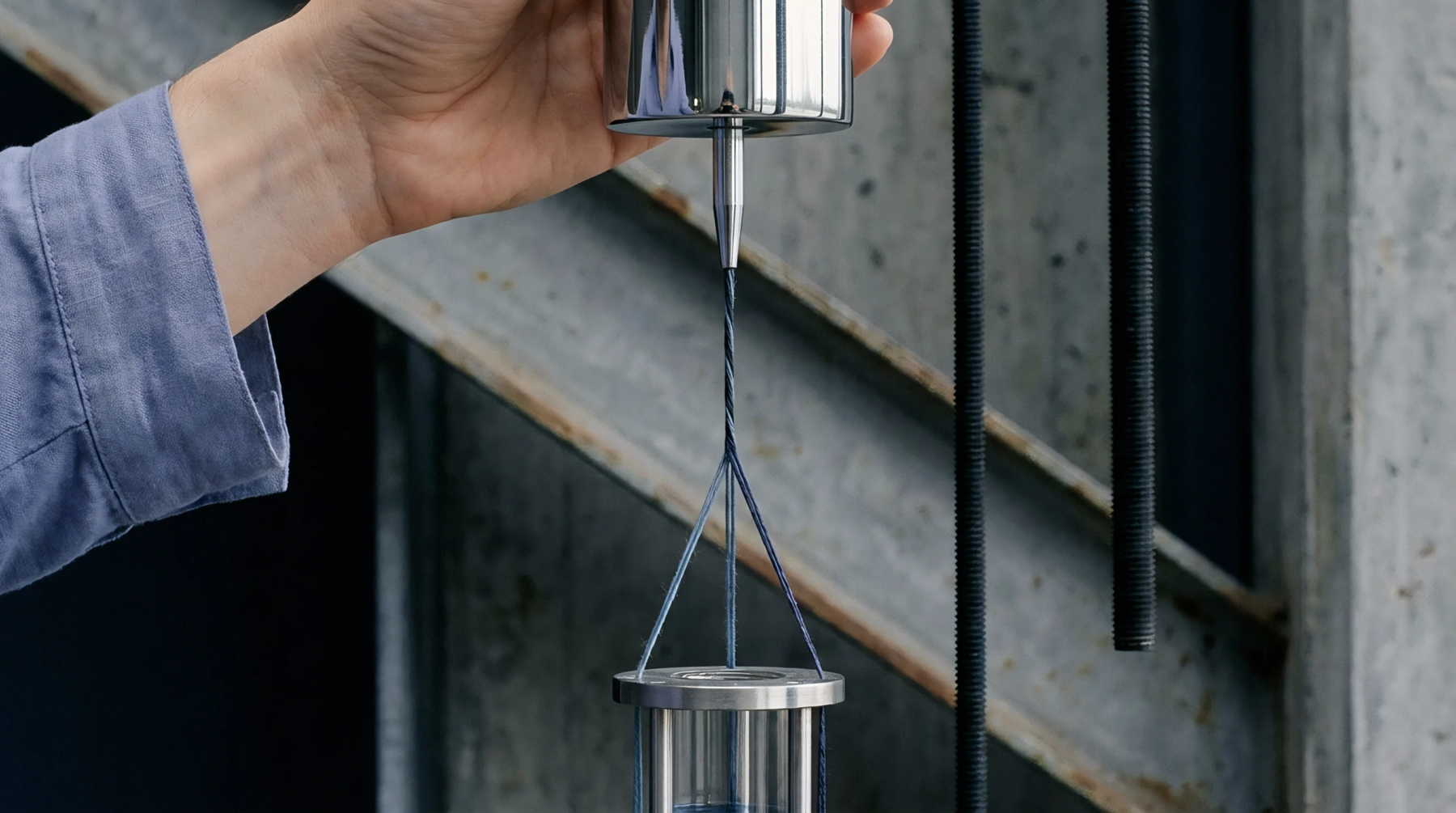
Optimizing Jacquard shed depth and backrest synchronization caps dynamic tension below 60 percent yarn strength, eliminating warp breaks in fine linen.
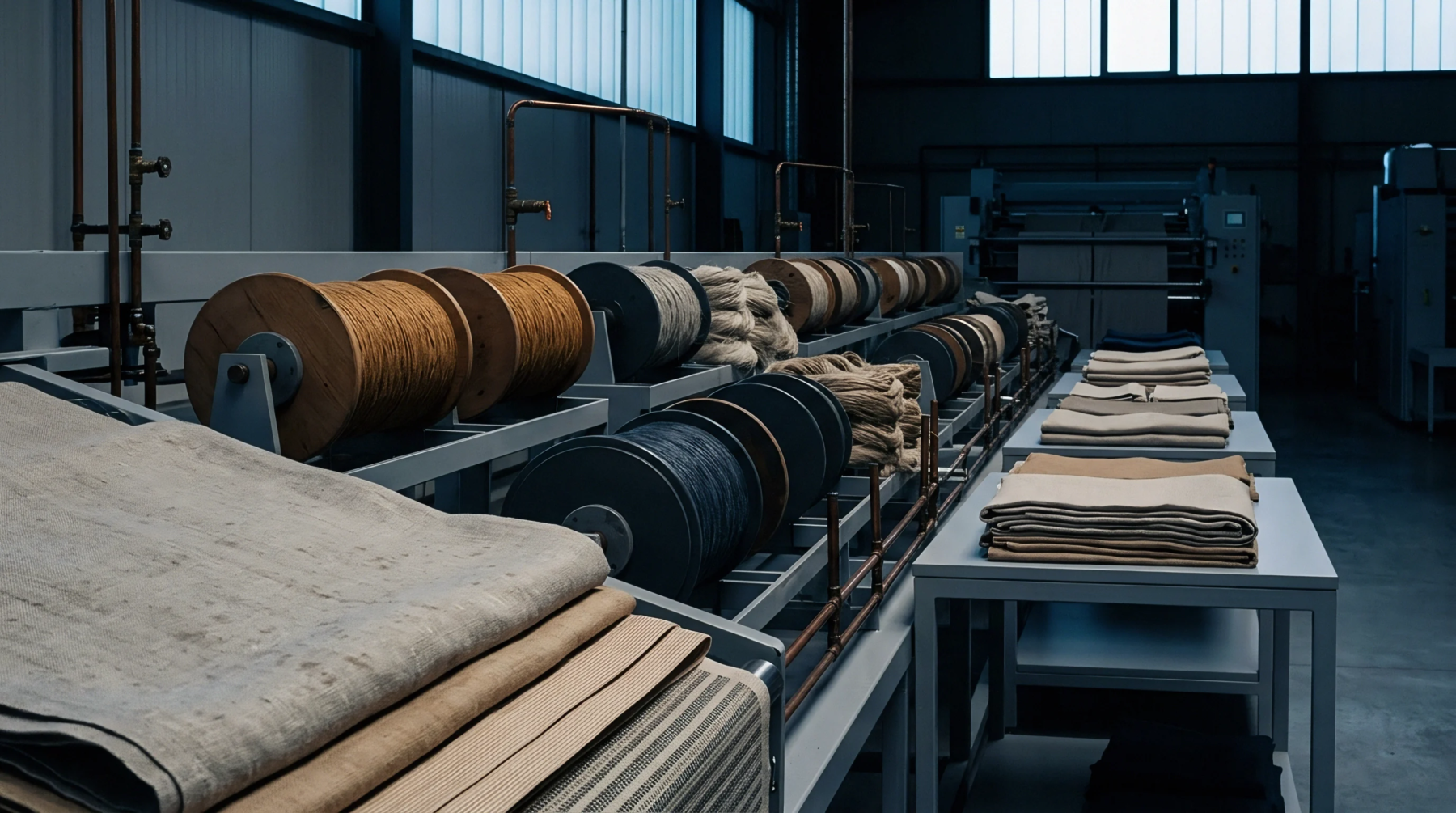
Optimal PVA size pick-up on flax warps ranges from 8.0 to 9.0 percent dry weight, balancing yarn friction resistance with hot-water desizing washability.
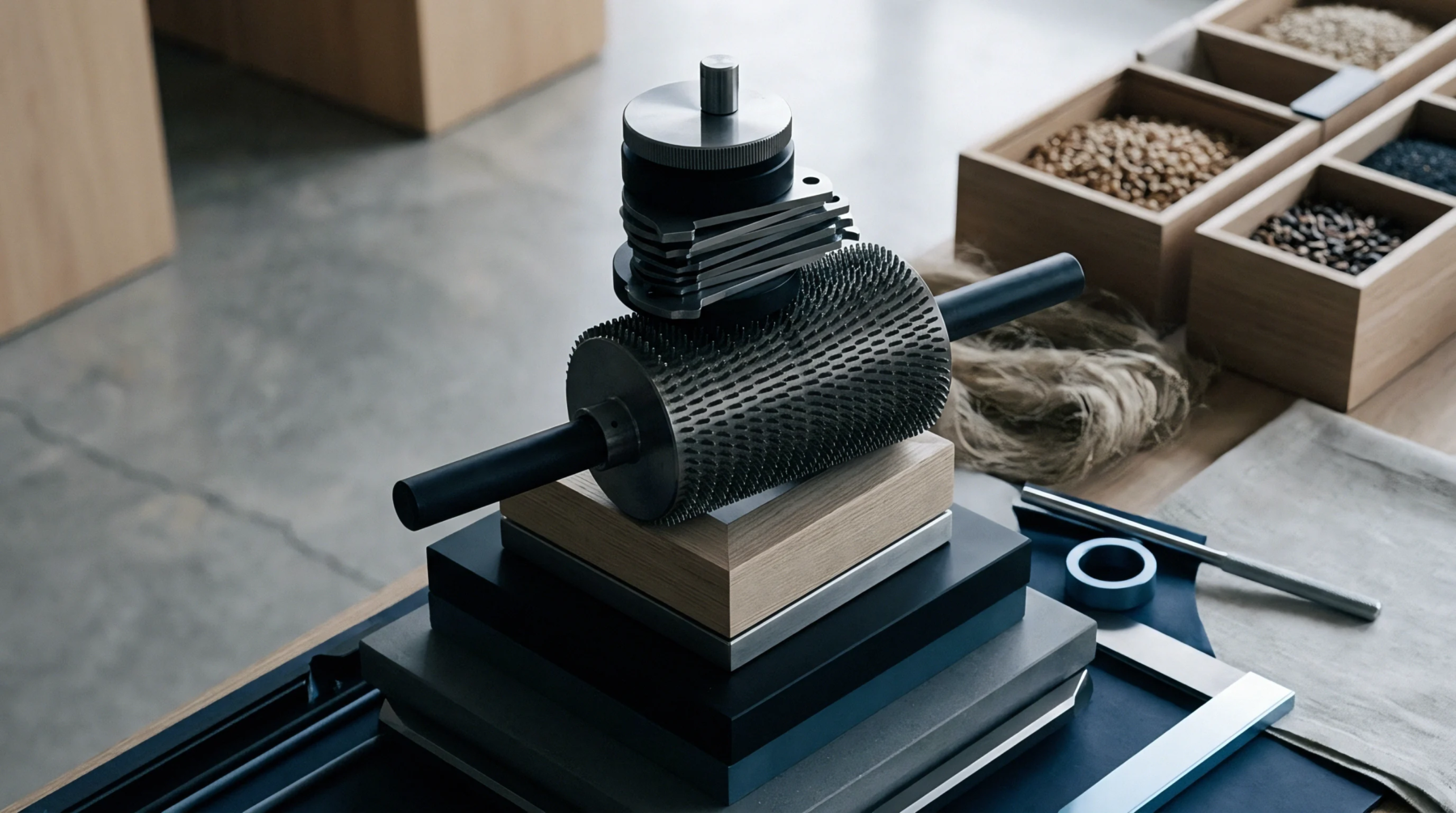
Controlled pectin extraction and asymmetric shed tuning enable stable air-jet linen weaving at 700 picks per minute while reducing landed fabric cost.
Single strand tensile performance in wet spun linen dictates loom stops, dynamic failure rates, and landed cloth cost through gauge-length sensitivity and tenacity CV.
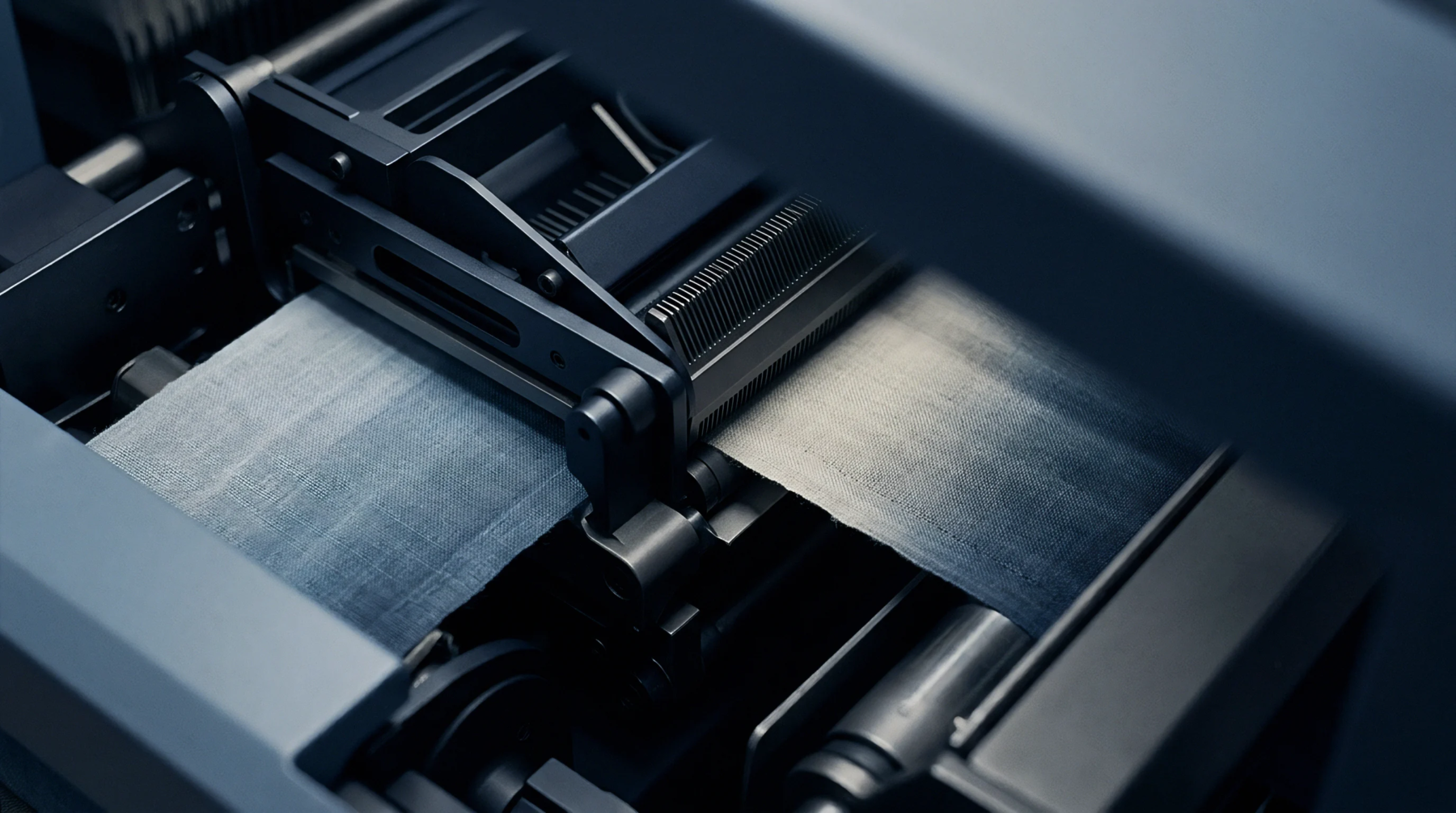
Predictive Weibull modeling identifies weak-link bast yarn flaws to optimize shed tension, preventing warp breaks and protecting high-speed loom yield.
Expertise is a utility, not a secret. sentiention™ publishes its working knowledge as open reference: intelligence layer covering the materials it sources, the markets it enters, and the reference that serves both.