Dimension Stability
Textile testing protocols specify the procedure for determining how much a woven linen cloth changes size after repeated wetting and drying cycles. Iso 5077 provides the methodology for marking specimens before the wash process and performing exact measurements afterward. Technicians place reference marks at a distance of five hundred millimeters along the warp and weft directions to ensure accuracy.
The calculation of shrinkage or extension occurs by dividing the change in dimension by the original length, expressed as a percentage of the initial state.
Measurement Protocol
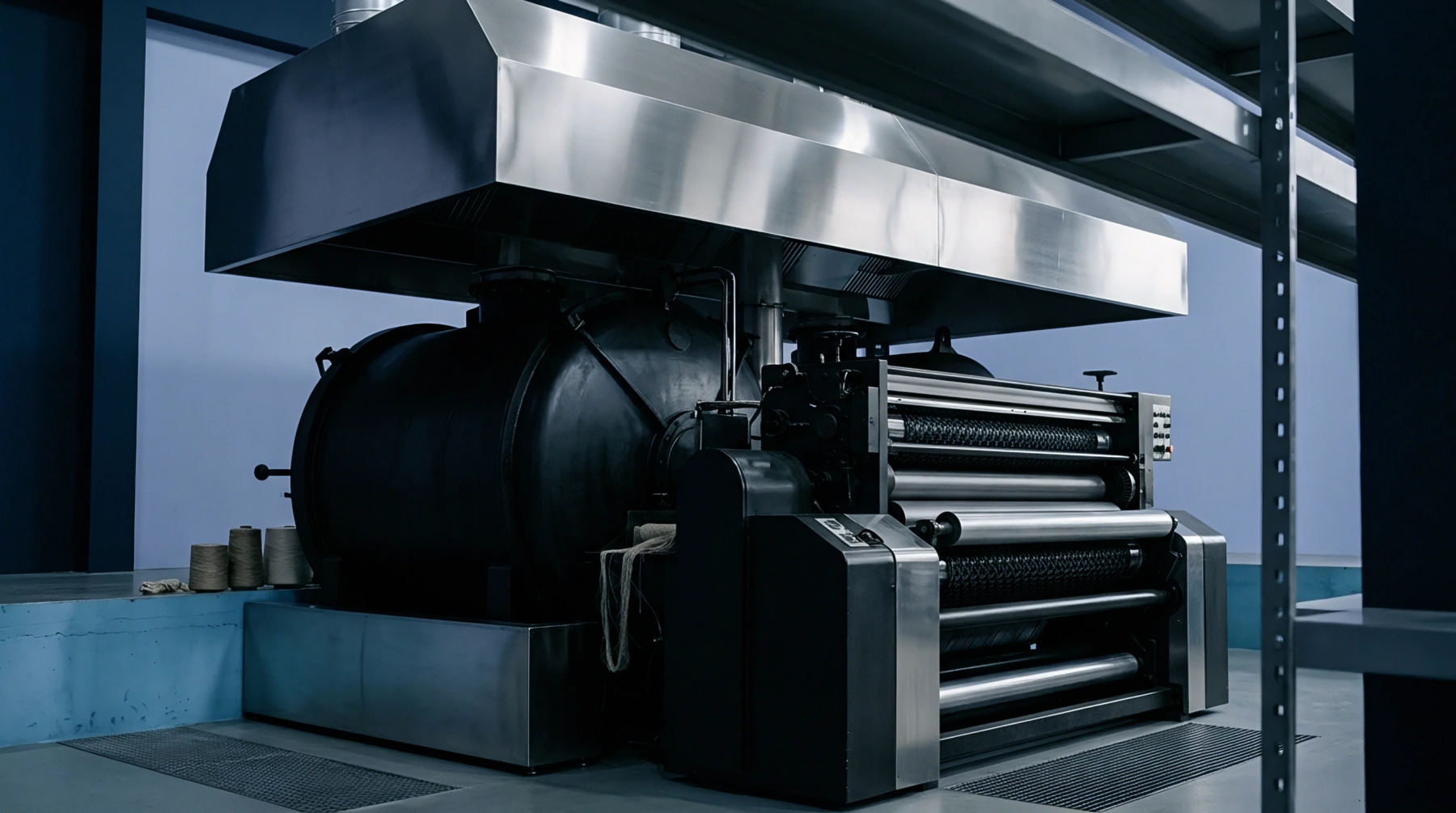
Laboratories apply this process during the finishing stage of linen production to verify that the fabric meets the shrinkage tolerances requested by the buyer. Mills perform this evaluation on representative samples drawn from the bulk lot to determine the final usable yield after the cloth encounters water. Staff record these values in the technical data sheet that accompanies every shipment of woven goods to the export terminal.
Proper tension control during the tenter frame drying phase prevents the cloth from exceeding the acceptable limits defined in the supply contract.
Quality Requirement
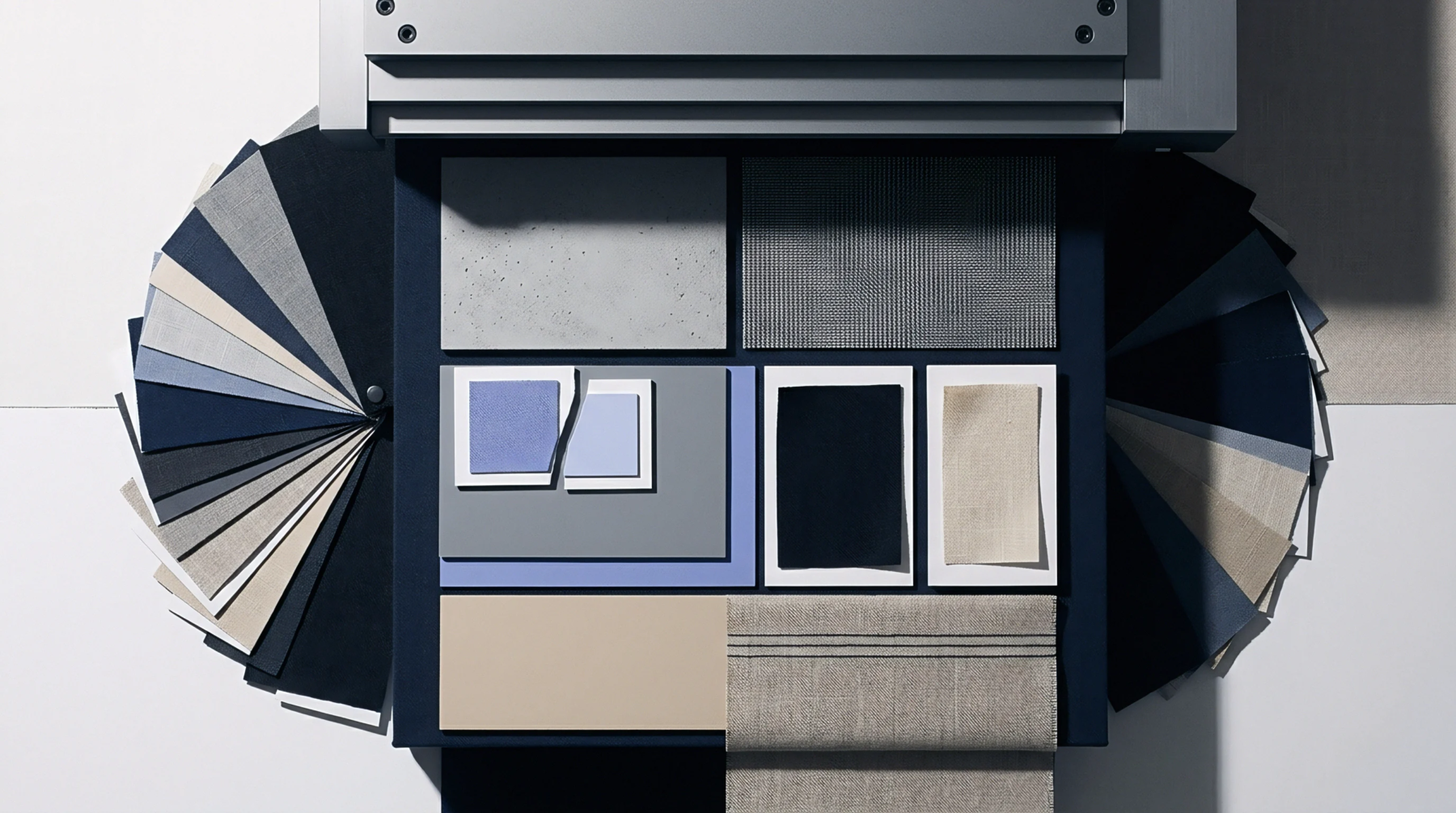
Linen goods exhibit different behaviors than synthetic fabrics due to the natural properties of the cellulose structure. Failure to control dimensional variation during the manufacturing cycle results in garments that lose their intended shape after the initial home laundering. This standard operates as a boundary condition for the acceptance of all exported linen cloth batches.
Manufacturers guarantee the performance of the fabric by demonstrating consistency across these standardized test intervals.