Mechanical Compression
Controlled shrinkage relies on the physical manipulation of textile fibres to lock the length of finished linen fabric against future distortion. Sanforizing forces the yarn into a state of dense compaction through a series of rollers and rubber belts that physically push the construction together. This action stops the fabric from contracting when it meets water later in the supply chain.
Manufacturers apply this treatment after the final bleaching or dyeing stage to ensure the physical dimensions remain stable during transport and subsequent garment production. The procedure prevents the relaxation shrinkage that otherwise occurs when dry, tensioned linen is washed.
Shrinkage Control
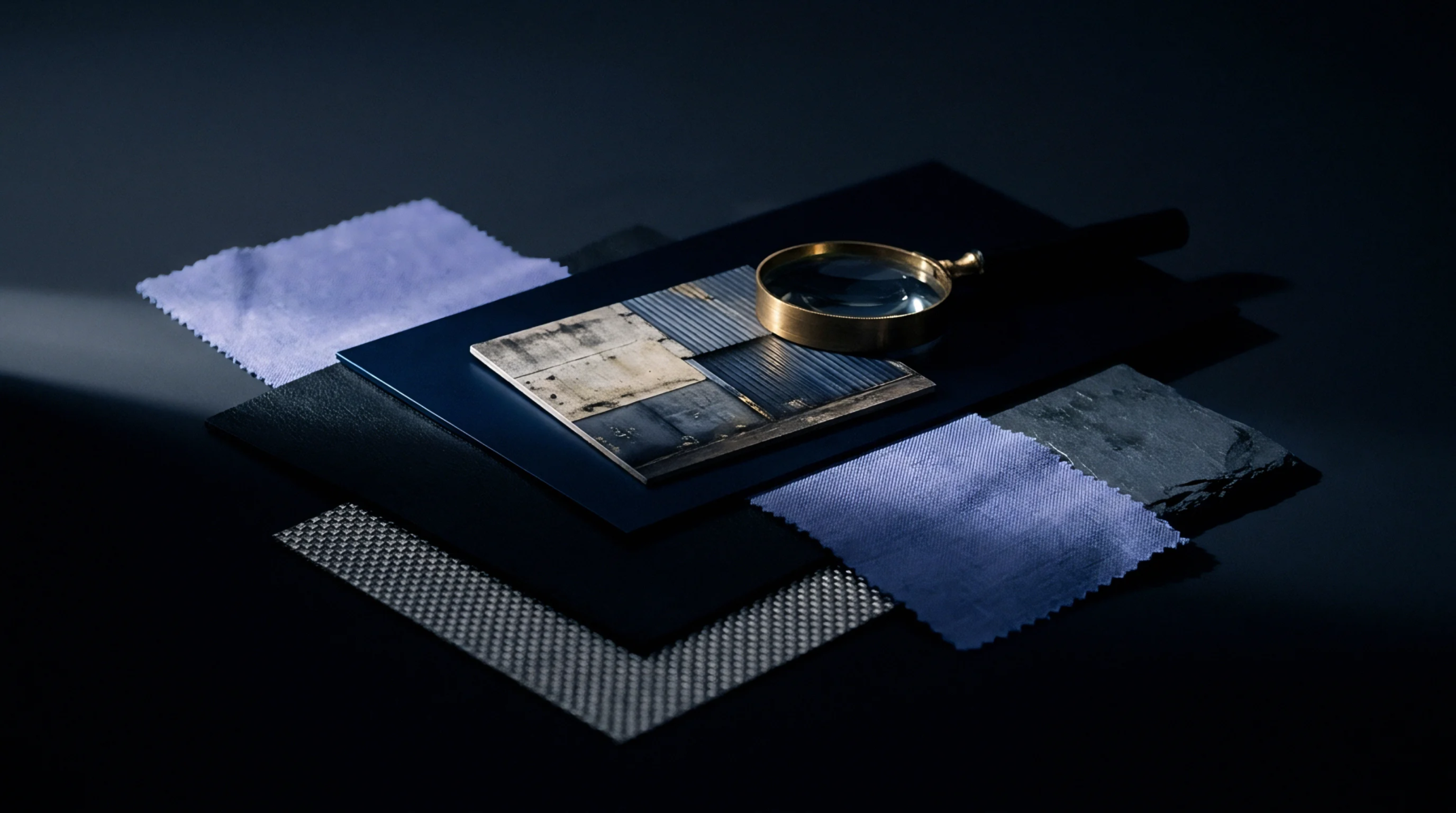
Textile mills adjust the intensity of the rubber belt expansion to compensate for the specific weight of the linen material being processed. Heavyweight fabrics require higher pressure against the heated cylinder to overcome the natural resistance of the fibres to displacement. Technical teams verify the effectiveness of the result by taking a square sample of the finished cloth and washing it under controlled conditions.
They measure the variance between the length before and after this test to determine the percentage of residual shrinkage. The result is recorded in the mill production log to confirm that the delivery matches the tolerance levels set by the contract.
Operational Boundary
Production facilities limit the application of this method to woven goods where the density allows for permanent structural locking. Non-woven fibre mats lack the necessary architecture to retain the deformation produced by the compression belt. Buyers specify the maximum acceptable residual shrinkage percentage in the purchasing document to define the quality of the incoming shipment.
A fabric that meets these specifications provides a predictable cutting pattern for the manufacturer because the geometry of the material no longer shifts under external moisture. Proper treatment ensures that the final product maintains its integrity throughout the lifespan of the linen goods.