Weaving Aperture
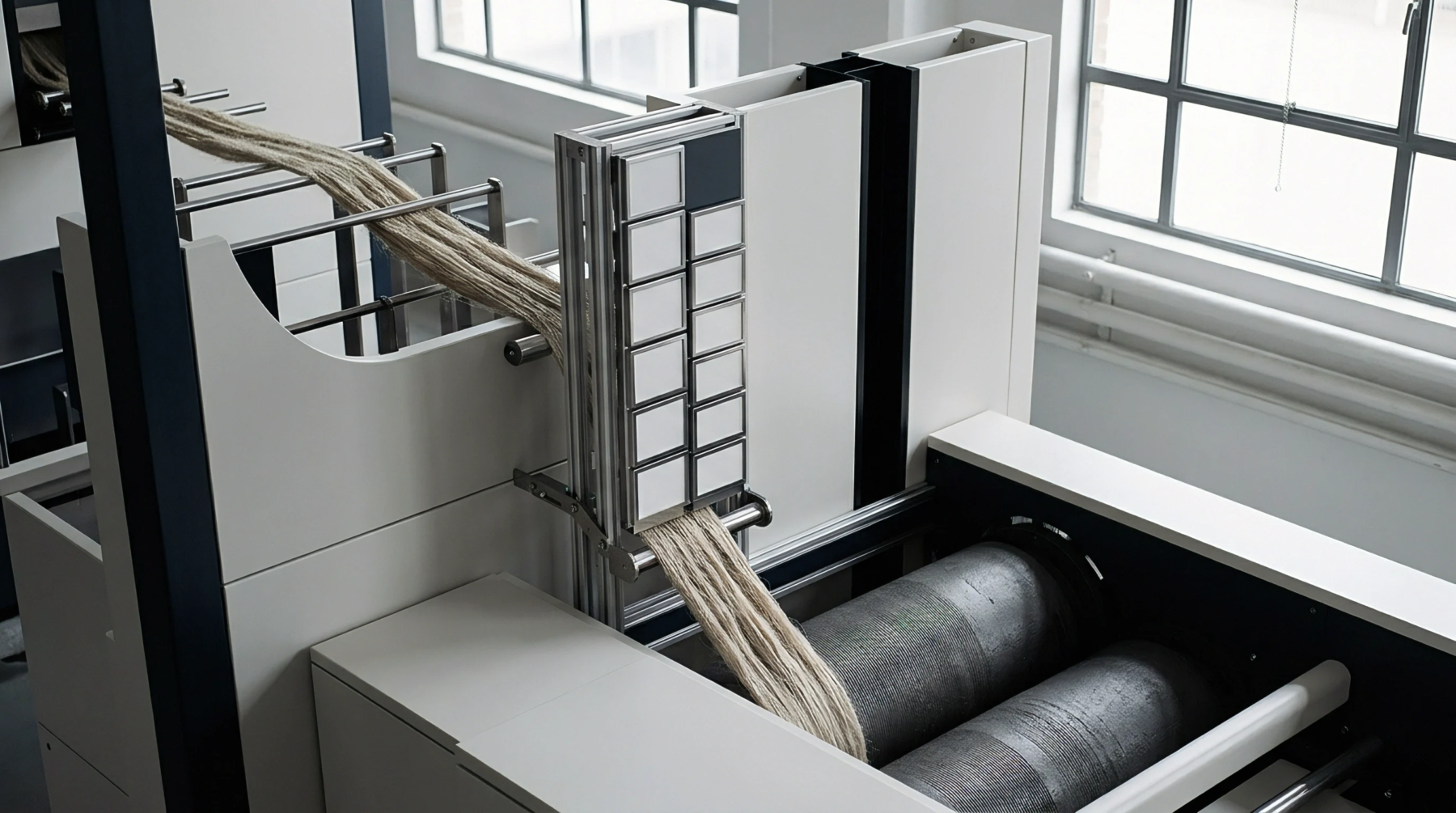
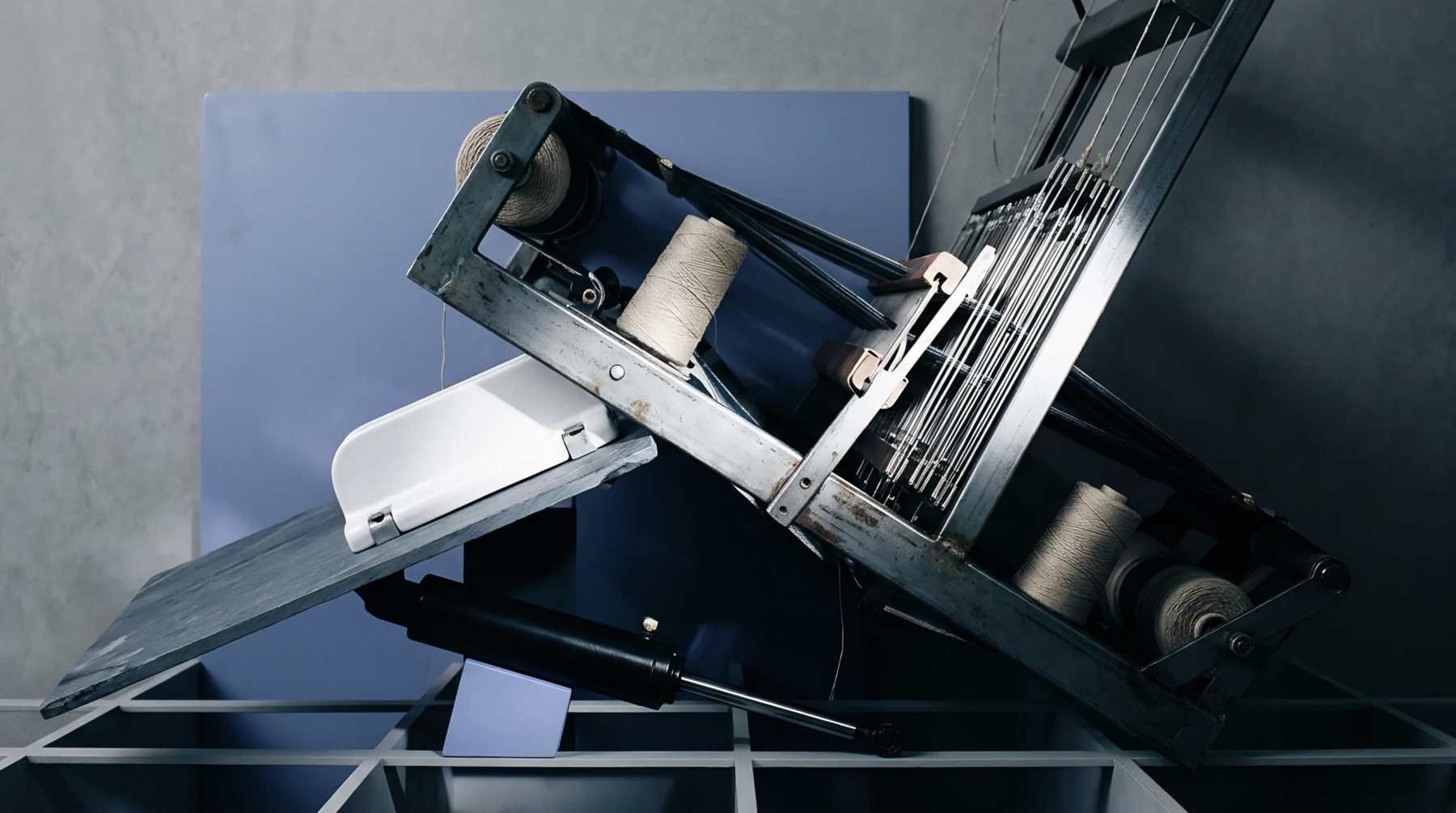
The vertical space created between the warp threads during the mechanical movement of the loom dictates the clearance available for the shuttle or rapier to pass. Shed geometry describes the precise angular displacement and timing of the harness motion required to form this opening. Designers calculate the height and width of the path based on the tension of the yarn and the density of the warp ends.
Excess depth in the frame increases the strain on the fibres while an insufficient gap leads to mechanical friction and breakage. This specific arrangement determines the limit of the operating speed for the machine.
Mechanical Tension
The adjustment of the shed geometry directly influences the stress experienced by flax yarns during the shedding cycle. A deeper shed increases the distance the yarn must travel from the neutral plane, which forces a higher peak tension on the threads during each pick. Excessive height causes fibre fatigue and surface abrasion, often resulting in hairiness or snap-offs in high-speed spinning mills.
Operators modify the timing of the shed to ensure the yarn reaches its maximum height only when the shuttle is at the centre of its trajectory. Balanced settings minimize the force applied to the warp by matching the shed profile to the physical properties of the fibre type.
Quality Specification
Production reports record the shed geometry settings as a primary variable in the verification of fabric consistency. Internal mill standards define the acceptable range of shed height for specific fabric grades, distinguishing between lightweight linen and heavy-duty industrial textiles. Buyers require proof of these settings to ensure the uniformity of the cloth structure across large orders.
Discrepancies between the nominal design and the machine output indicate a deviation in the loom timing that compromises the density of the final textile. Correct control of this motion ensures the structural integrity of the fabric remains constant.