Chemical Preparation
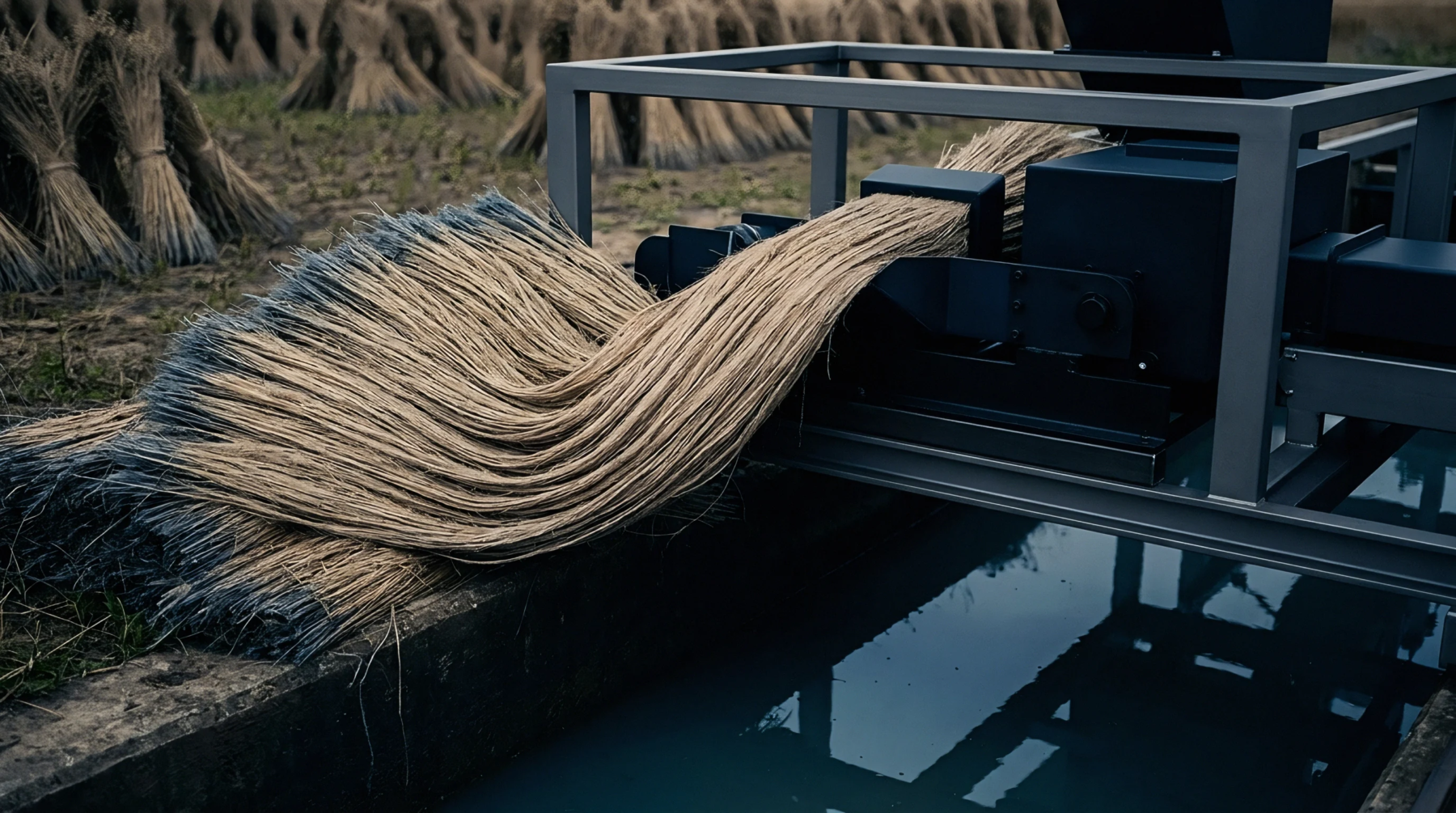
Solubilization of middle lamella polysaccharides represents the primary method for isolating hydrocolloids from flax straw biomass during the degumming sequence in linen production. Practitioners perform pectin extraction to reduce the binding gums that hold technical fibre bundles together in the stalk. This operation removes pectic substances through acidic or alkaline hydrolysis before fibre separation occurs.
Hydrolysis disrupts the galacturonic acid chains, allowing the subsequent mechanical processing steps to release individual fibres from the woody core without damage. Achieving the correct concentration of reactants prevents excessive degradation of cellulose chains, which otherwise weakens the final yarn strength. Chemical agents remain active until neutralisation stops the reaction at the designated fibre purity level.
Processing Baseline
Temperature control governs the kinetic rate of the reaction while the duration of exposure determines the final viscosity of the separated fibre grade. Fibre quality standards require a specific degree of residual pectin to maintain the flexibility needed for high speed spinning machinery. Mill operators monitor the effluent pH to ensure the wash stages remove all chemical residues before the drying phase.
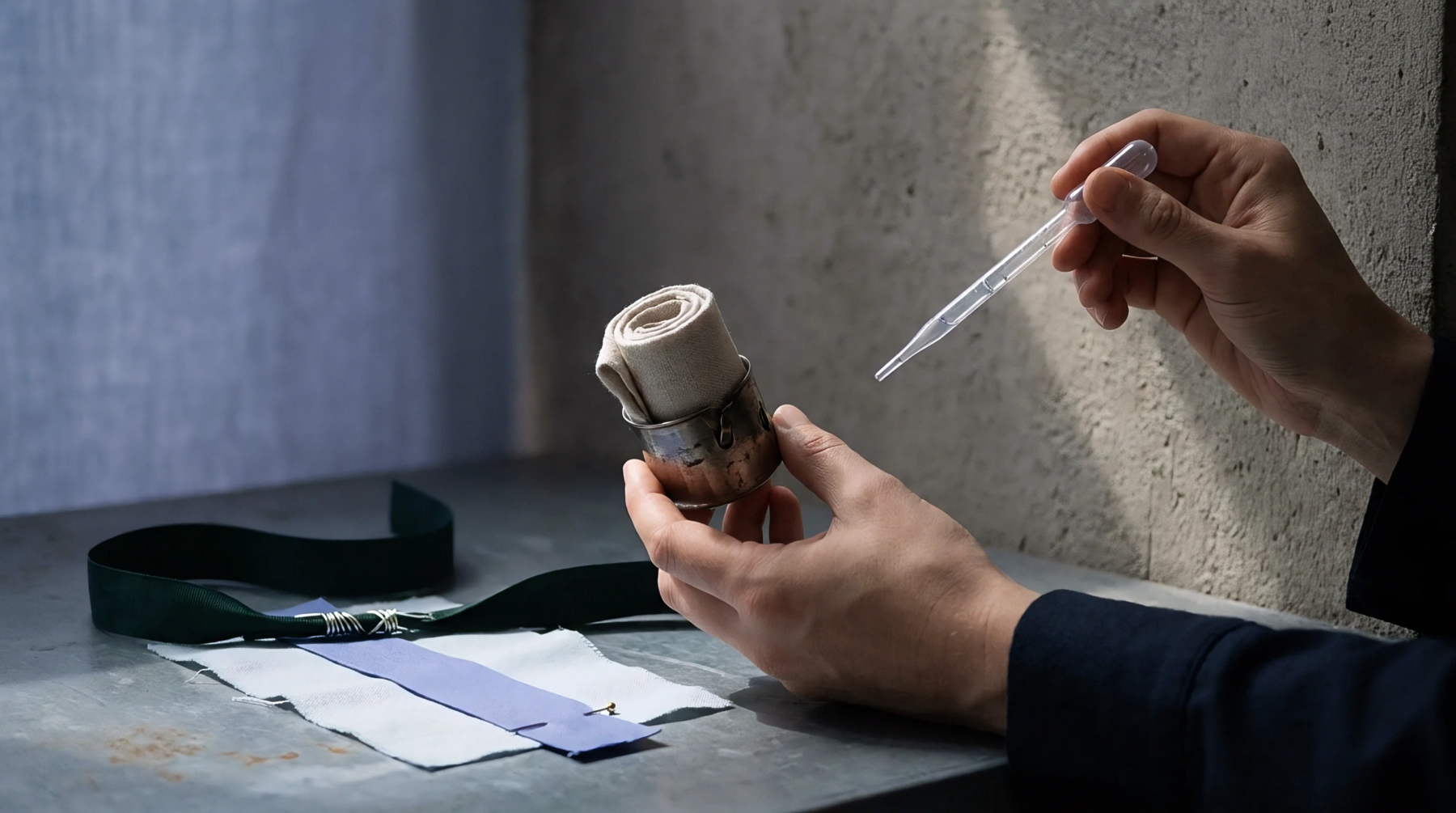
Excess removal leads to brittle straw that snaps under tension, whereas incomplete processing leaves sticky bundles that clog carding equipment. The internal mill standard specifies a moisture regain percentage that accounts for these chemical changes during the wet finishing stage. Documentation for each lot tracks the immersion time and chemical bath concentration to ensure repeatability across different flax harvests.
Batch testing provides the technical team with data regarding the effectiveness of the treatment on specific bast fibre varieties.
Market Standard
Buyer acceptance criteria rely upon the measured gel strength and purity level of the output material compared against the initial raw flax straw quality. Fabric manufacturers define the allowable limits for impurities to ensure consistent dying and weaving performance throughout the production cycle. Any variance in the extraction intensity creates downstream faults in the textile output.
Quality control logs record the fibre yield weight as a metric of process efficiency. Proper removal produces uniform fibres that spin into reliable yarns with consistent diameter and strength. Uniformity across large lots indicates the stability of the industrial process.