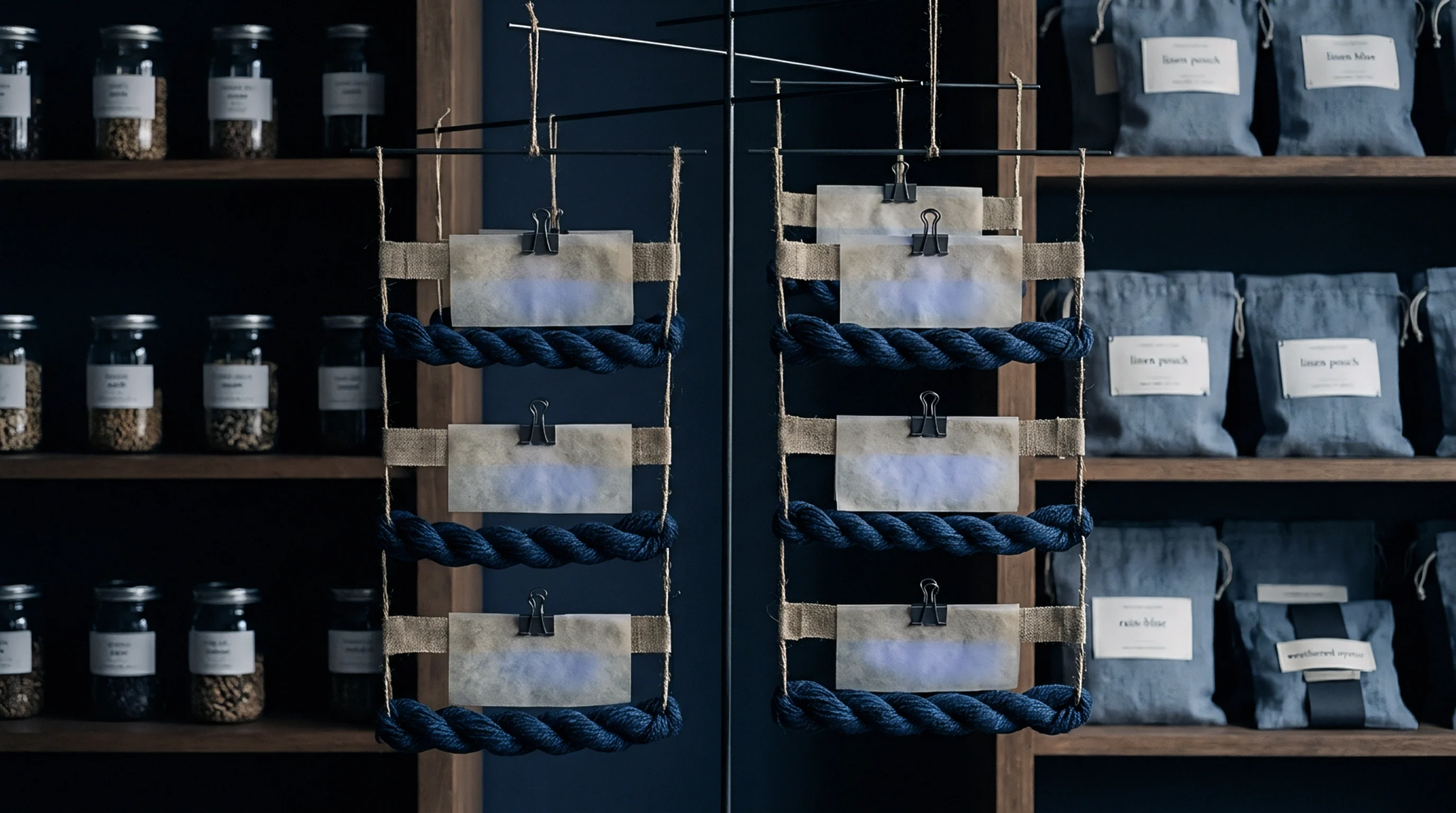
Fibre Friction
Mechanical abrasion occurs when individual flax filaments rub against loom components or adjacent strands during high speed weaving cycles, causing the surface of yarn chafing to develop. This phenomenon creates visible hairiness on the length of the thread as protective cuticle layers break under constant tension. Producers record the degree of damage within the physical quality report for each production lot to determine whether the material meets export specifications.
High friction points exist primarily where warp ends contact the reed or metal heddes under peak shed tension.
Performance Metric
Maintenance technicians observe the degradation of filament integrity to decide when specific hardware requires replacement before defects accumulate in the finished linen rolls. Excessive debris buildup signals that yarn chafing will soon exceed acceptable limits for premium grade products. Operators adjust the loom timing to reduce the dwell period and lower the heat generated by rapid reciprocating motion against the stationary fibres.
Careful calibration of the shedding mechanism prevents unnecessary strain on the warp path during the conversion from raw spinning cakes into dense fabric. Consistent monitoring of these stress events allows the factory to maintain uniform surface smoothness across the entire output of a batch. Precise settings minimize the contact force between delicate flax strands and the rigid steel components that guide them through the machine.
Material Specification
Quality assurance protocols define the acceptable thresholds for surface fraying based on the intended weight and construction of the final textile. Buyers differentiate between natural slubs inherent to the botanical source and damage caused by external contact during the assembly process. Independent labs verify these parameters by analyzing cross sectional views of the material under magnification to identify where structural failures started.
If the count of broken filaments per meter falls outside the permitted range, the lot loses its certification for luxury fashion applications and moves into lower tier industrial stock. The presence of these micro fractures reduces the eventual tensile strength of the cloth after repeated domestic laundering cycles. Damage originating during the weaving phase remains permanent and impossible to correct through chemical finishing or heavy pressing.