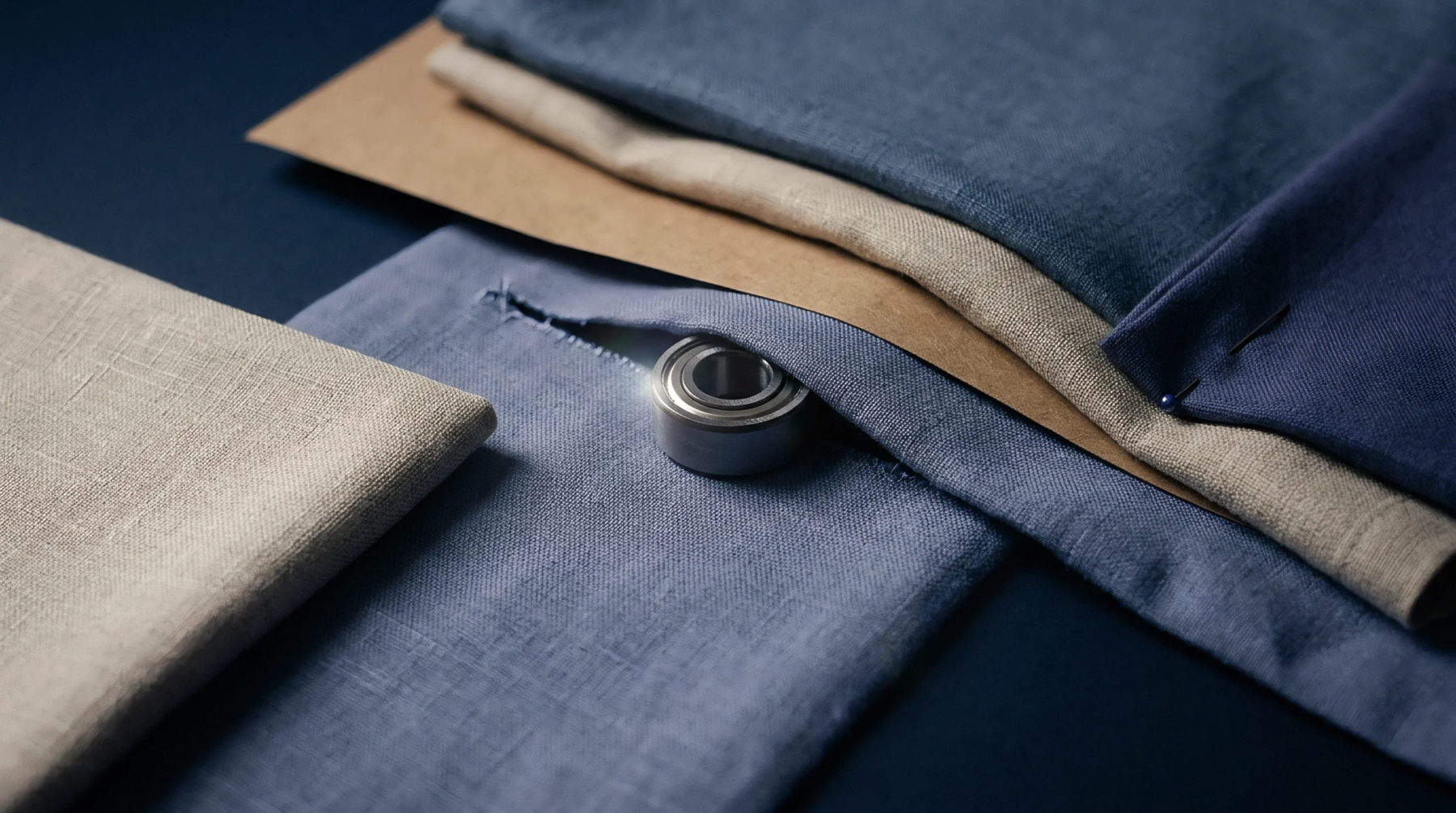
Inter-Yarn Friction Modulation and Crimp Balance Tuning in High-Density Weaving
Tuning inter-yarn friction via boundary size lubricants and adjusting backrest elevation shifts crimp to the weft, enabling maximum pick density without loom stops.
Tuning inter-yarn friction via boundary size lubricants and adjusting backrest elevation shifts crimp to the weft, enabling maximum pick density without loom stops.
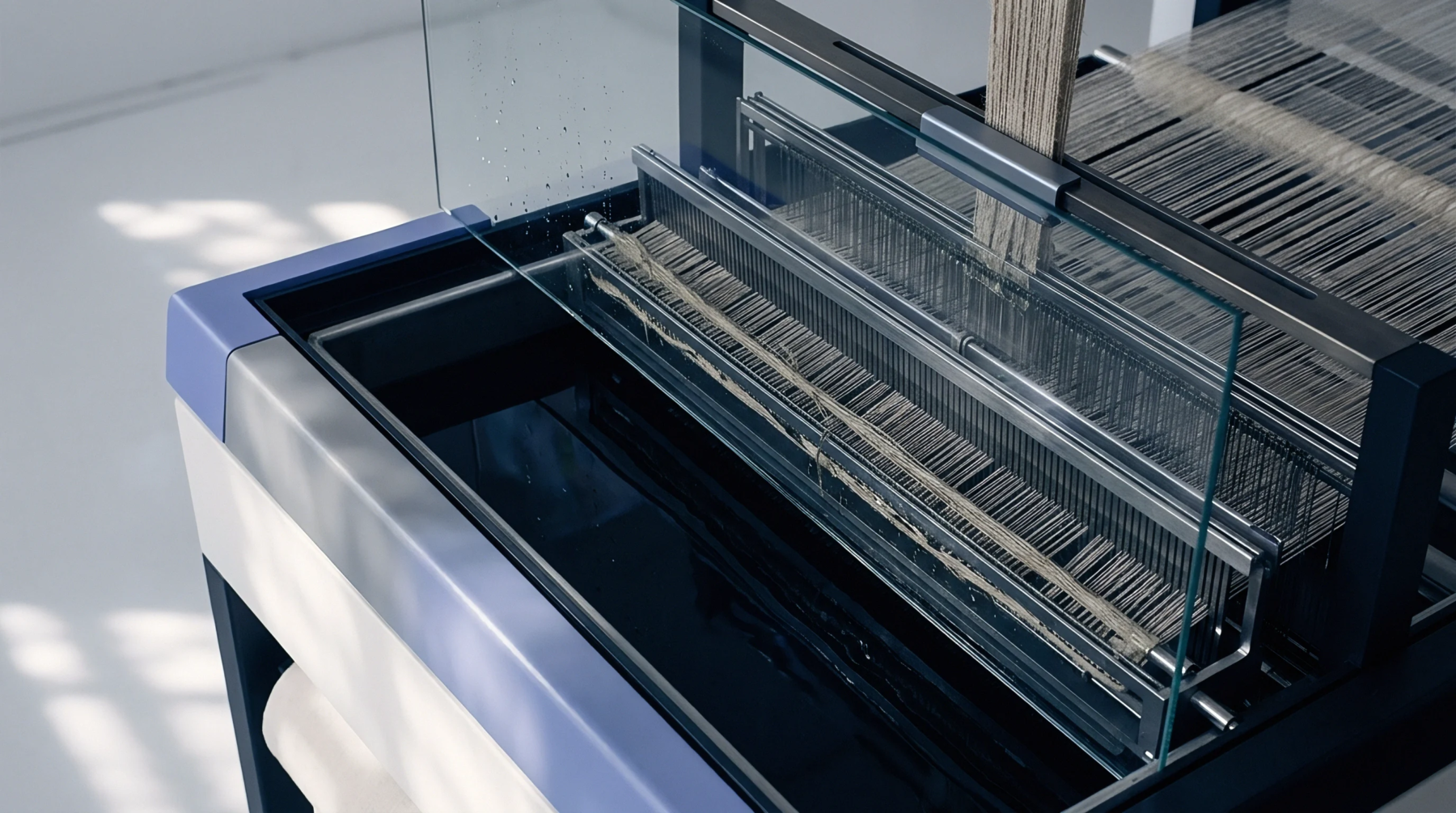
Optimize high-density linen warping via low-drag ceramic creels, 7-degree drum cones, 10% PVA-starch add-on, and 8-tier splitting to keep loom stops below 1.5.
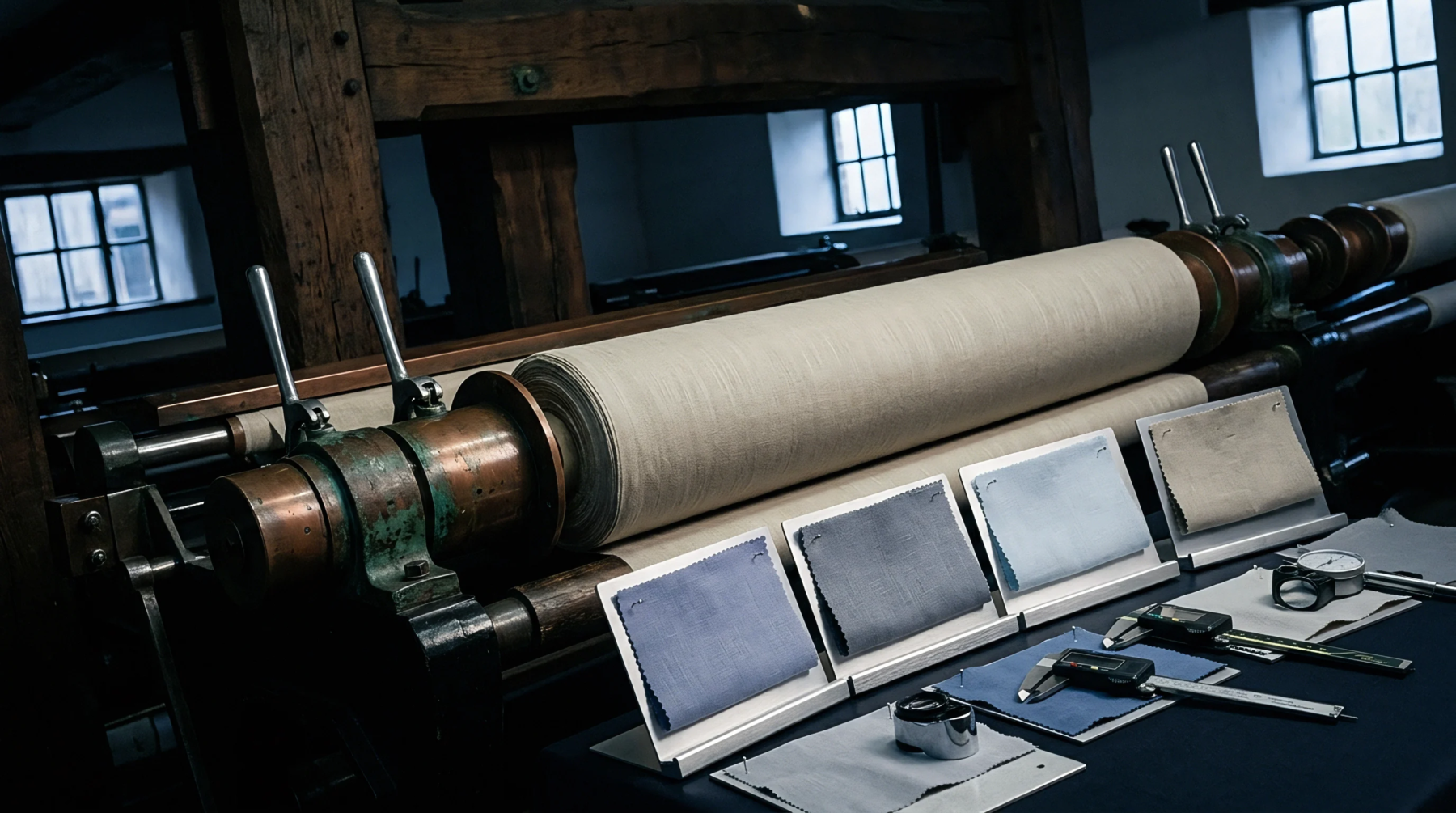
Standard cantilever testing and four-point inspection verify greige cloth stiffness and fault densities to enforce contract specifications before finishing.
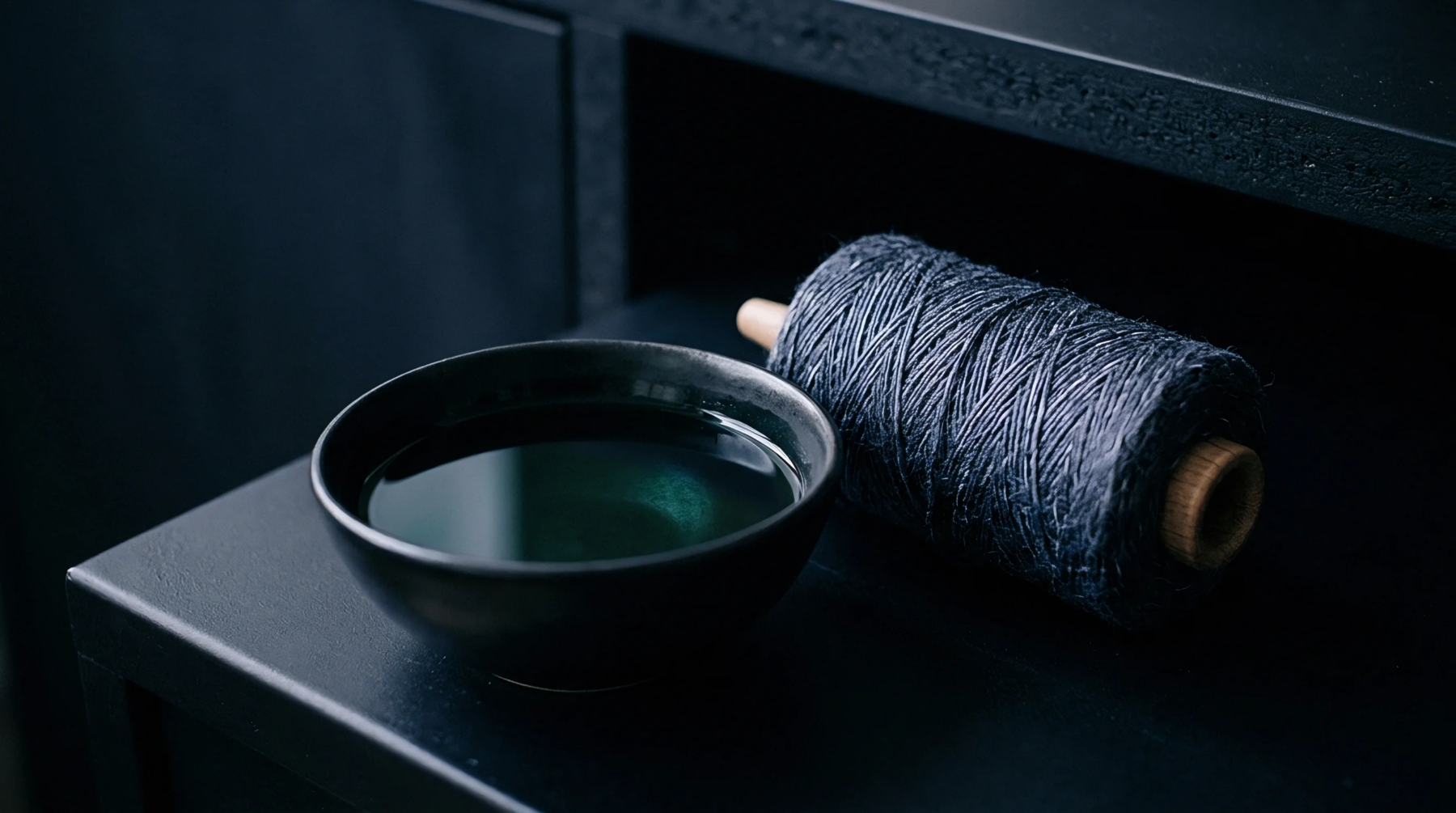
Warp sizing requires matching yarn packing factor to polymer viscosity, adjusting squeeze nip pressure for precise solids add-on, and maintaining elongation.
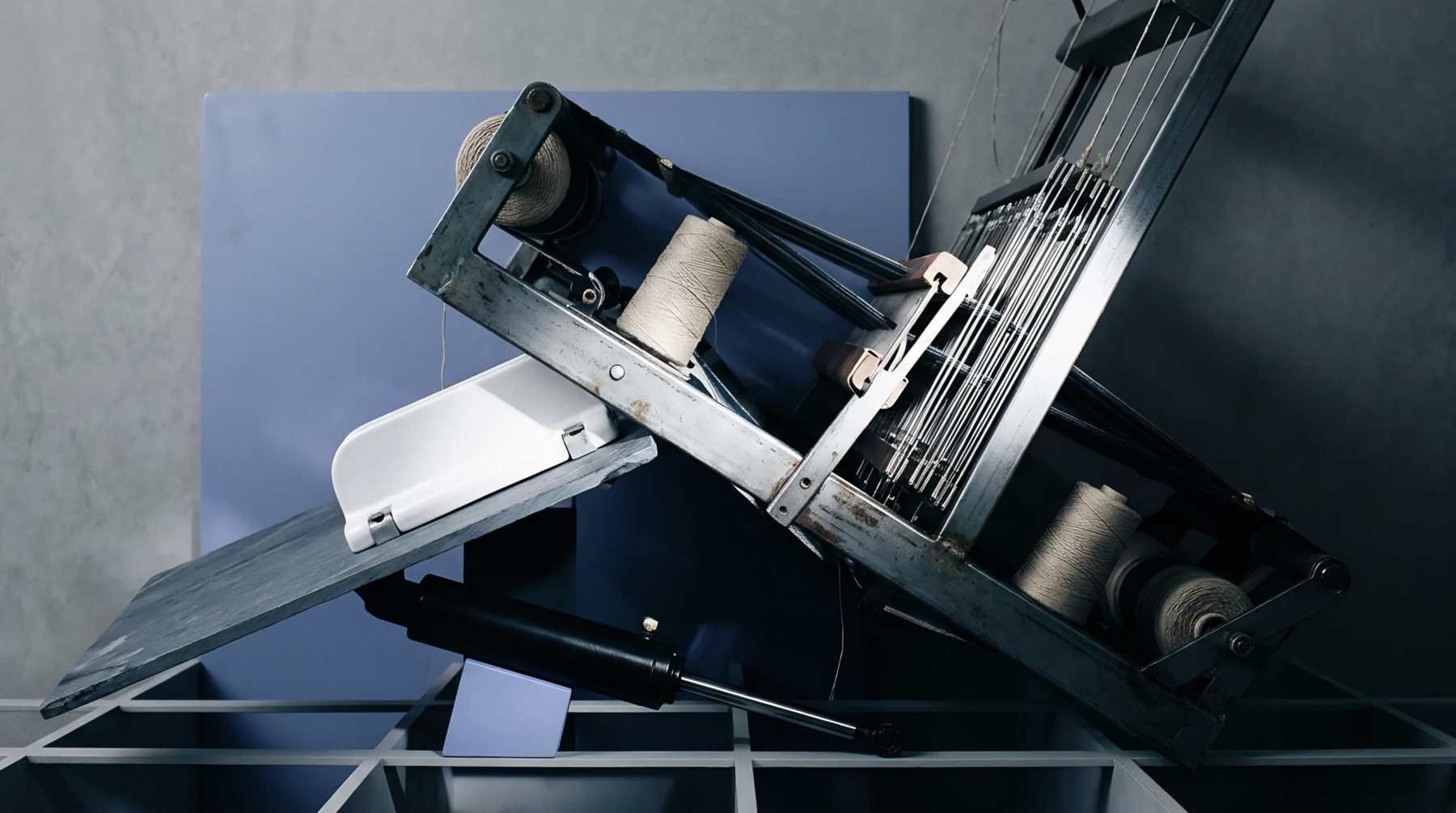
Optimizing warp sizing regain and loom shed humidity prevents brittle size film fracture, suppresses friction dusting, and maximizes high-speed weaving efficiency.
Transitioning hand-loom samples to automated looms requires increasing warp cover factor and tuning shed dynamics to withstand high-speed night-shift tension.
Fine warp setts collapse loom efficiency through yarn cling and stops; buyers absorb costs via sett surcharges unless target efficiency caps are contracted.
Expertise is a utility, not a secret. sentiention™ publishes its working knowledge as open reference: intelligence layer covering the materials it sources, the markets it enters, and the reference that serves both.