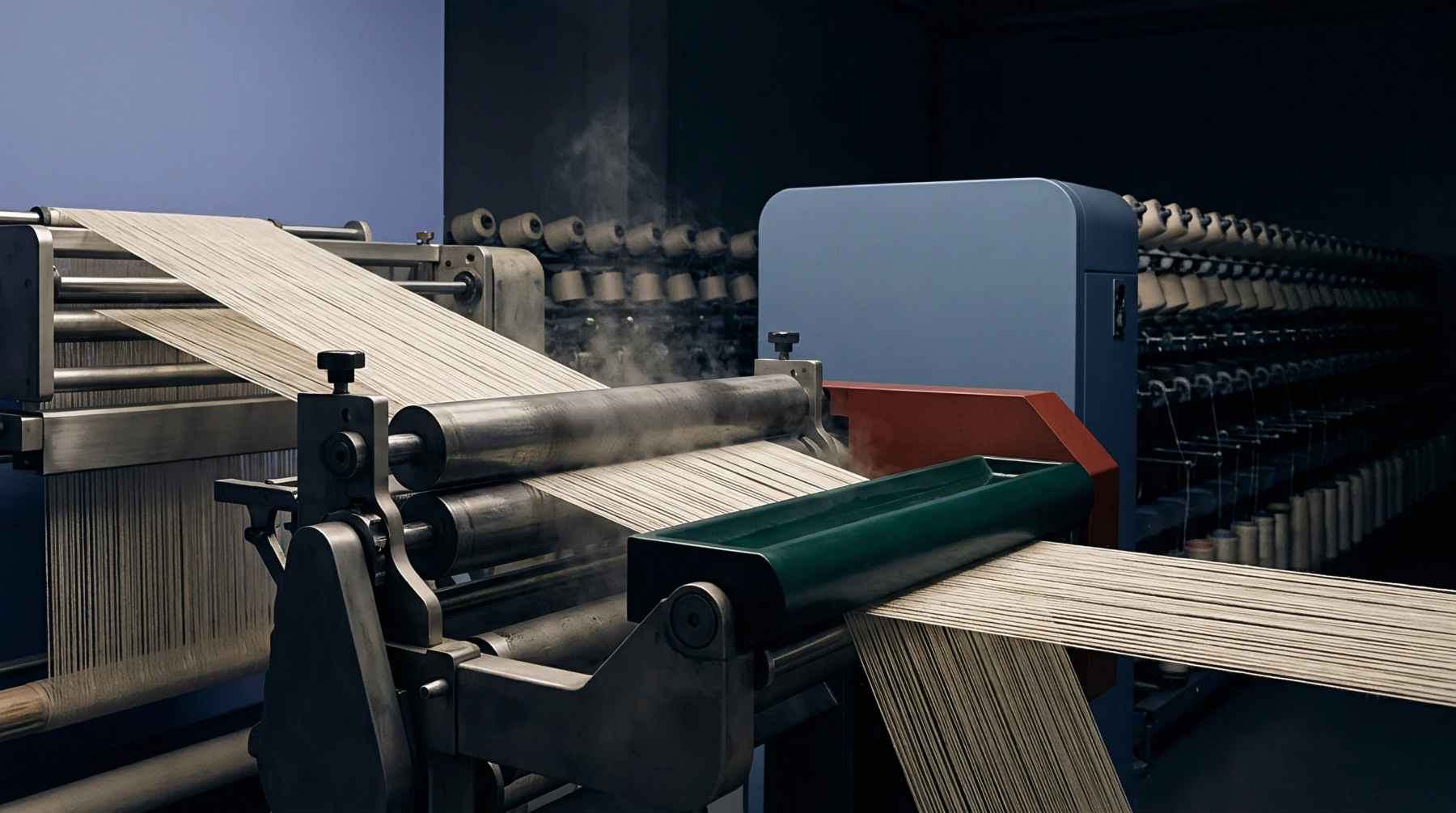
Analyzing Wet Spun Linen Strain Limits under Cyclic Dynamic Tension
Wet spun linen warp dynamic strain limits must stay below 0.8 percent at baseline tension to prevent pectin matrix breakdown and premature fatigue rupture.
Wet spun linen warp dynamic strain limits must stay below 0.8 percent at baseline tension to prevent pectin matrix breakdown and premature fatigue rupture.
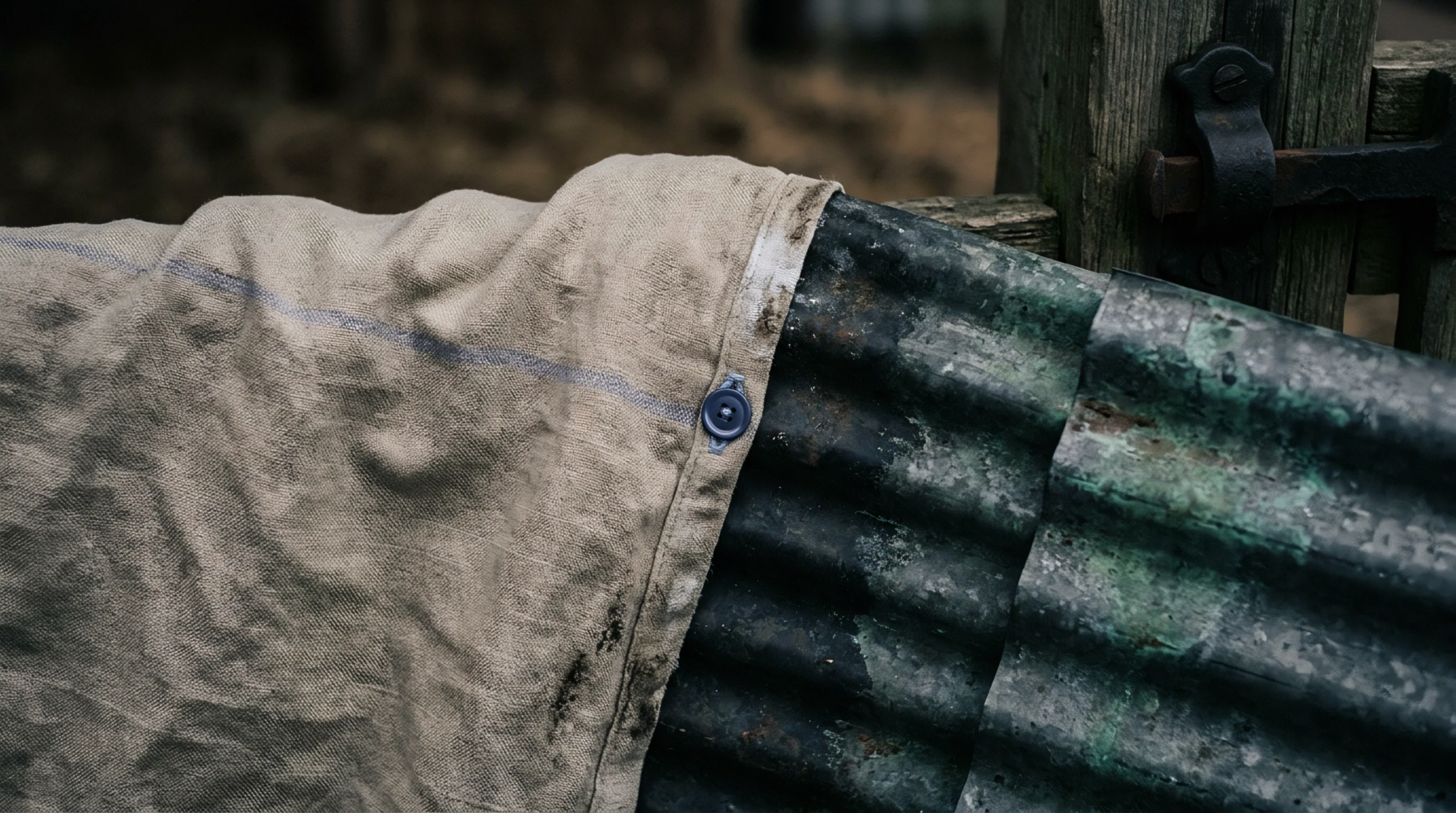
Coarse linen structural performance depends on controlling asymmetric yarn crimp interchange caused by high flax flexural rigidity under beat-up tension.
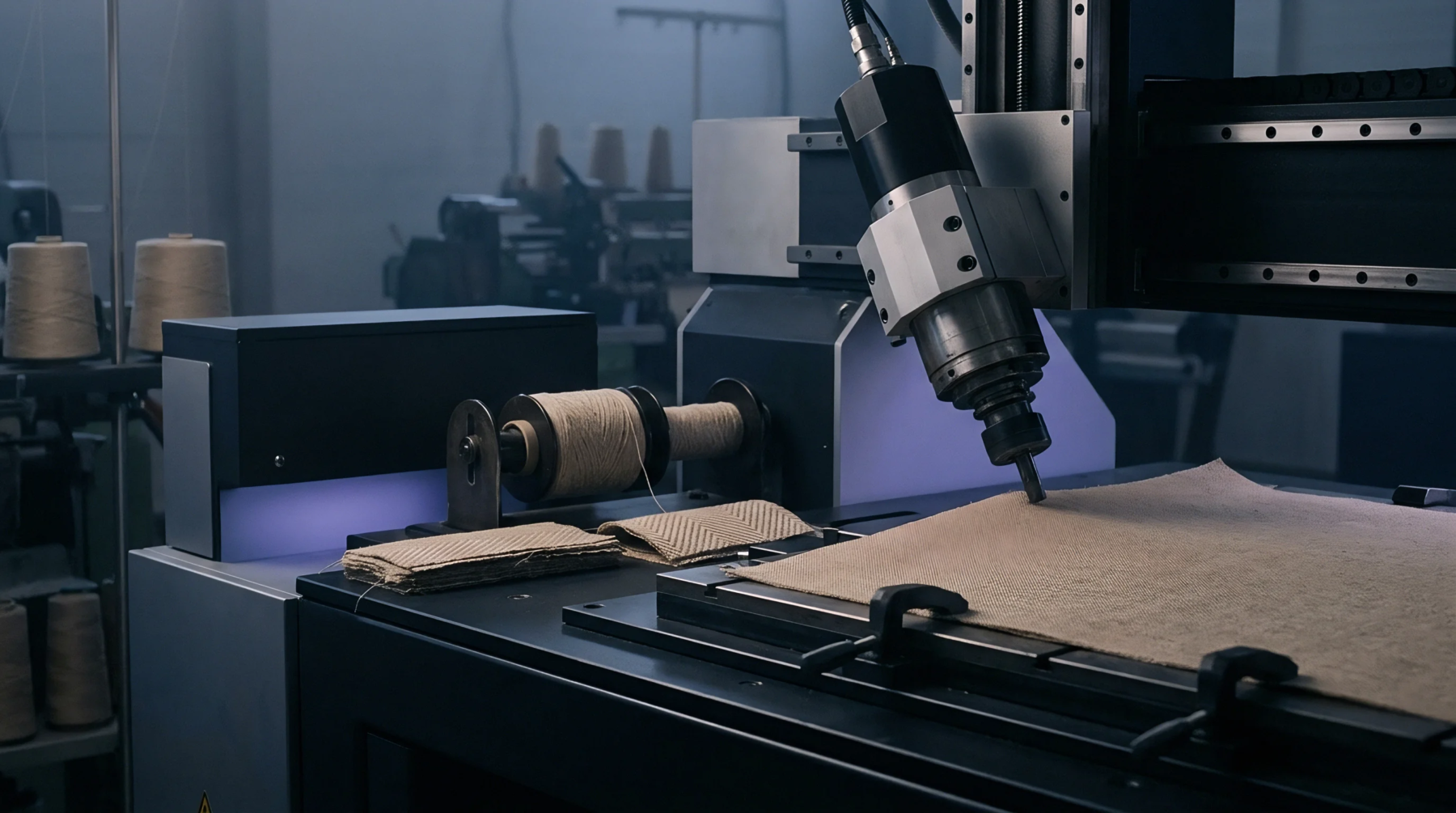
Greige linen conversion multiplies off-loom GSM by the mass loss fraction divided by total area contraction to yield exact finished fabric weight.
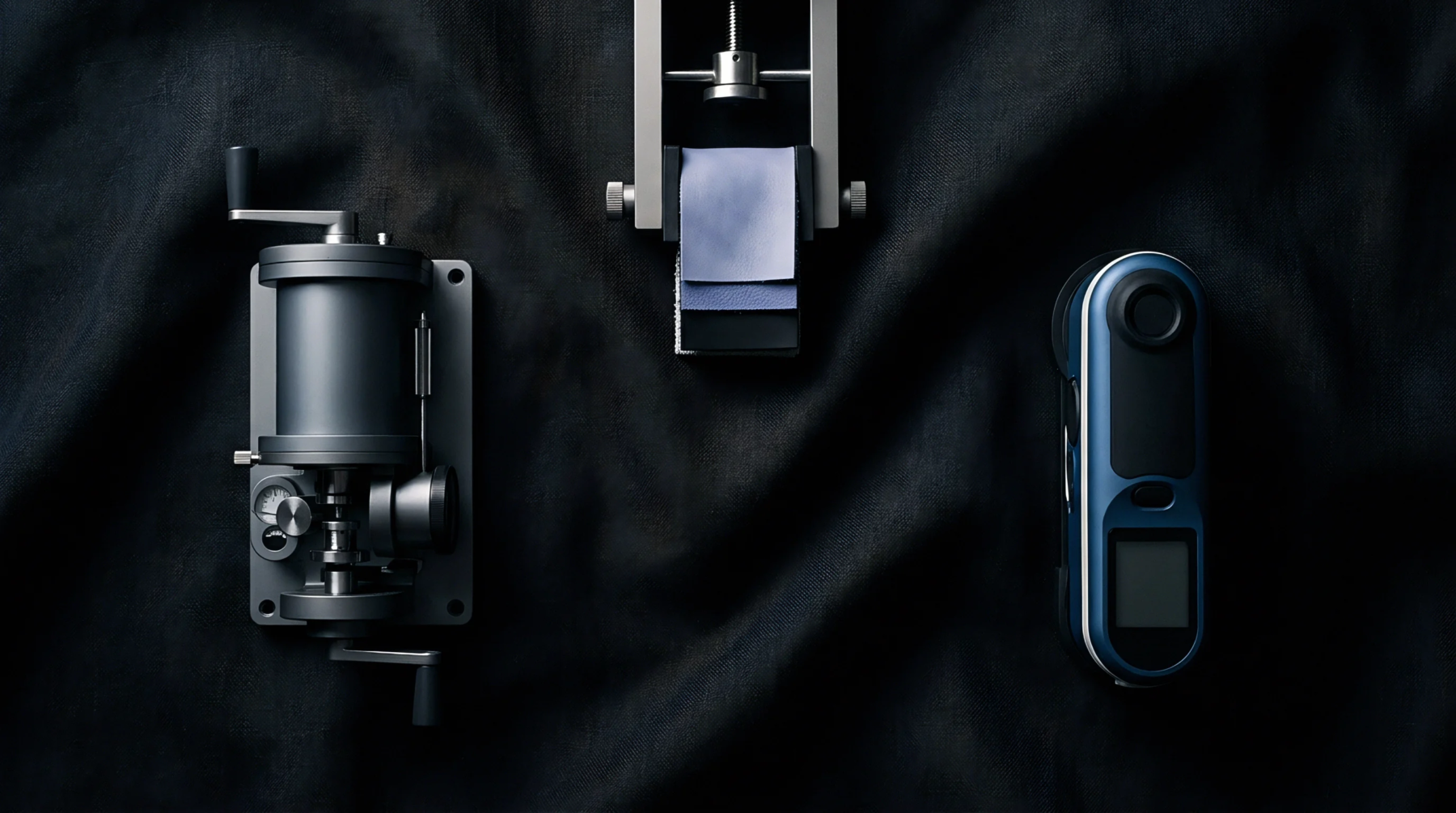
Evaluating unfinished linen crimp by ISO 7211-3 unstraightened thread ratios prevents yarn displacement faults and stabilizes post-scour finished fabric weight.

Anisotropic hydration swelling and crimp interchange drive linen contraction, requiring accurate warp allowances to guarantee finished dimensions and cost.

Exact yarn mass calculation for plain weave greige linen requires converting Lea to Tex, factoring warp crimp, reed width, and 12% standard moisture regain.

Calibrating warp end density within cover factor limits and aligning loom shed geometry prevents thread chafing, maintains loom efficiency, and controls metre cost.

Engineering accurate linen fabric specifications requires coupling loom crimp take-up equations with wet process shrinkage factors to fix finished GSM and width.
Expertise is a utility, not a secret. sentiention™ publishes its working knowledge as open reference: intelligence layer covering the materials it sources, the markets it enters, and the reference that serves both.