Spinning Periodicity
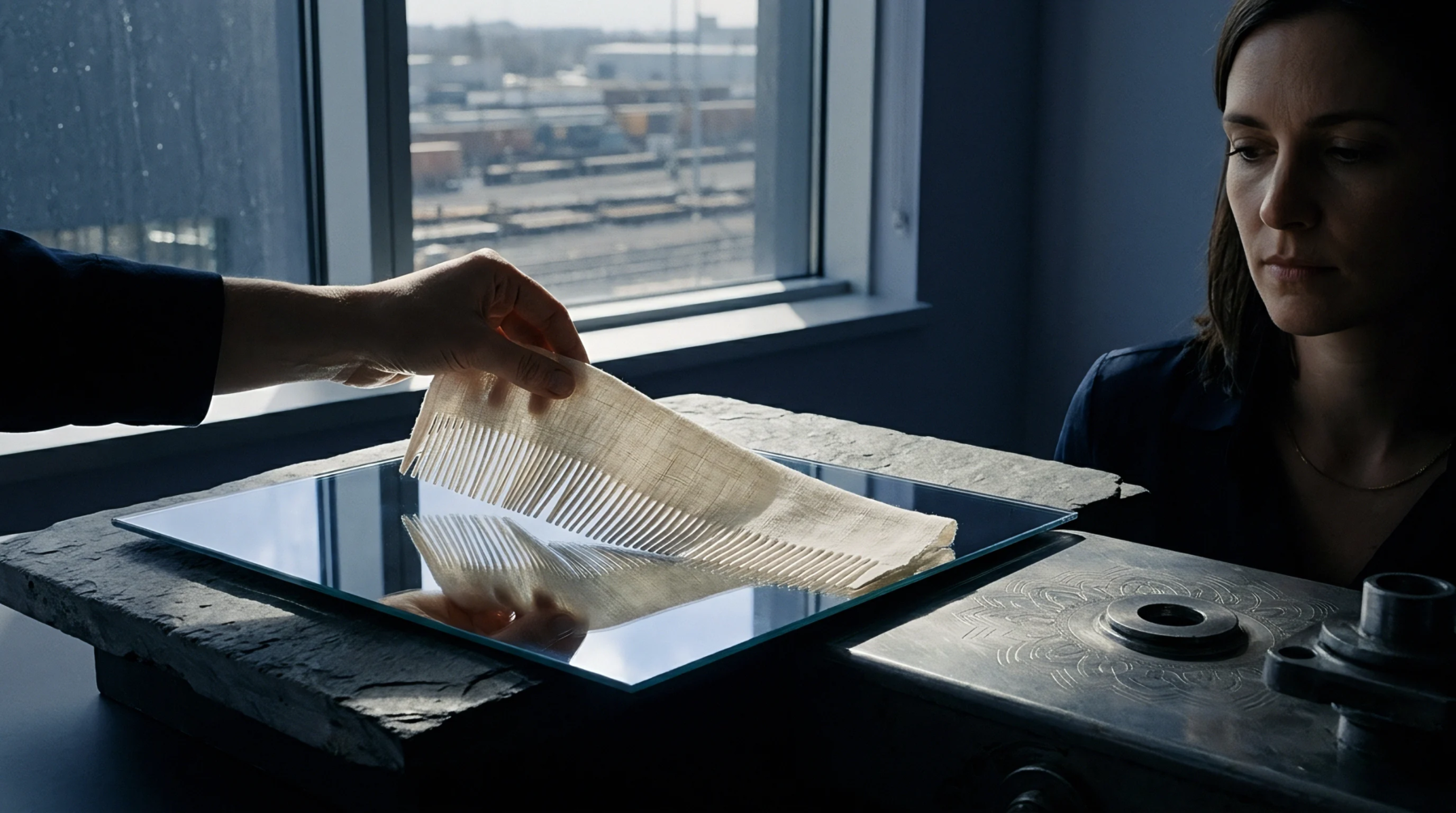
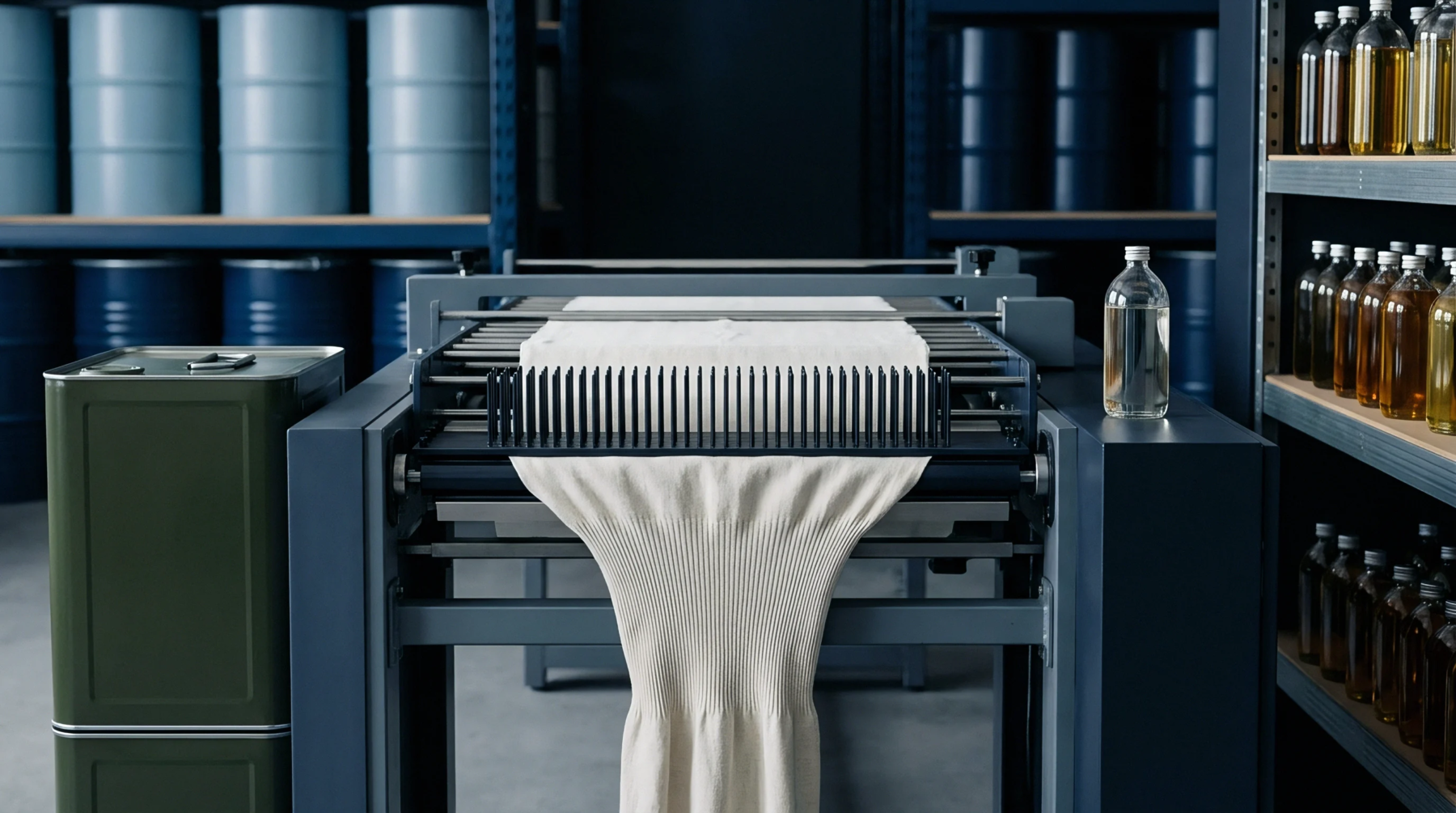
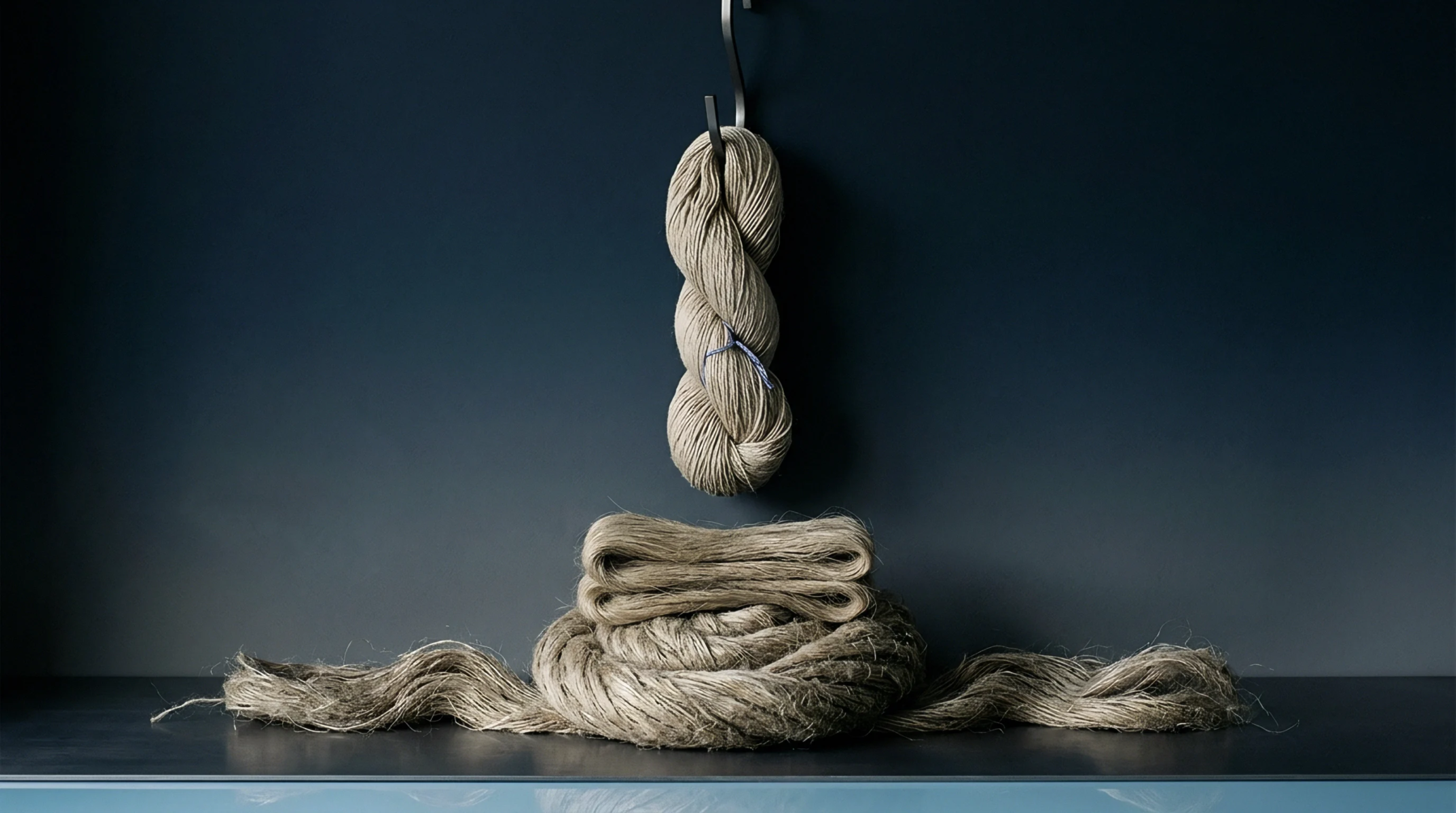
Regular fluctuations in sliver thickness appear during the final stages of roller drawing in a spinning mill. These drafting waves arise when the fiber control between successive roller pairs becomes inconsistent because of variations in roller pressure or mechanical vibration. The defect manifests as a periodic irregularity in the yarn diameter, which affects the strength of the final fabric.
Quality control teams calculate the frequency of these variations by analyzing the spectrogram of the sliver output against the known circumference of the drafting rollers.
Drafting Correction
Engineers mitigate this source of irregularity by adjusting the nip distances to suit the specific staple length of the flax. Proper nip distance keeps the fibers under tension, which prevents uncontrolled movement and erratic bundle separation during the drawing process. The mechanical setting of the drafting field dictates the density of the resultant yarn and defines the structural uniformity of the finished linen product.
Operators verify these adjustments through routine length-variance testing before full production begins.
Technical Tolerance
Mill specifications mandate an acceptable limit for amplitude in the drafting waves to maintain the uniformity of the output. Exceeding this threshold signals a mechanical failure or a mismatch in the mechanical settings relative to the raw material. Such variations create weak points in the fiber strands that resist dye penetration and cause visible imperfections in woven cloth.
A consistent drafting process ensures the structural integrity of the fabric remains constant across different production runs.