
Basic FTIR Identification Methods for Raw Retted Flax Fibers
ATR-FTIR spectroscopy identifies raw retted flax by tracking the 1735 cm-1 ester carbonyl and 1505 cm-1 lignin bands against the 1030 cm-1 cellulose baseline.
ATR-FTIR spectroscopy identifies raw retted flax by tracking the 1735 cm-1 ester carbonyl and 1505 cm-1 lignin bands against the 1030 cm-1 cellulose baseline.
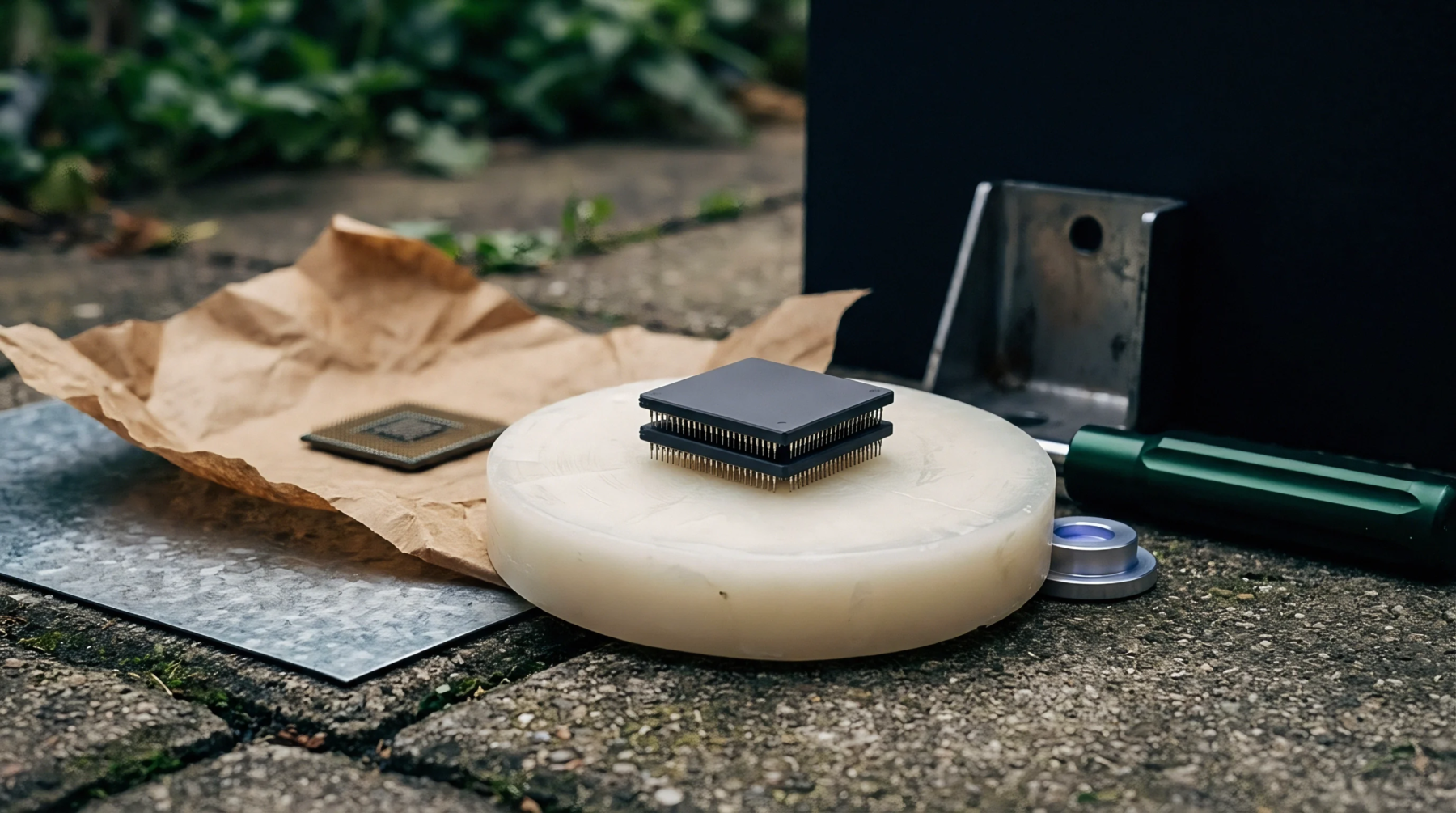
Insoluble calcium pectate inflates commercial dry weight reconciliations by locking mineral mass and bound hydration water into oven-dry fiber baselines.

Pectin plasticization relaxes bast middle lamellae, enabling microfibril realignment to drive fine count spinning yields and cut fabric meter costs.

Steep cellulose microfibril angles maximize flax tensile modulus, while processing kinks trigger premature shear failure that degrades hackling yields and yarn counts.

Acid decalcification and hot ammonium oxalate extraction remove middle lamella pectins to split flax bundles for fine spinning while retaining tensile strength.

Cross-sectional bundle area distributions dictate wet drafting stress peaks and spinning triangle stability, directly predicting high-speed frame end breakage.
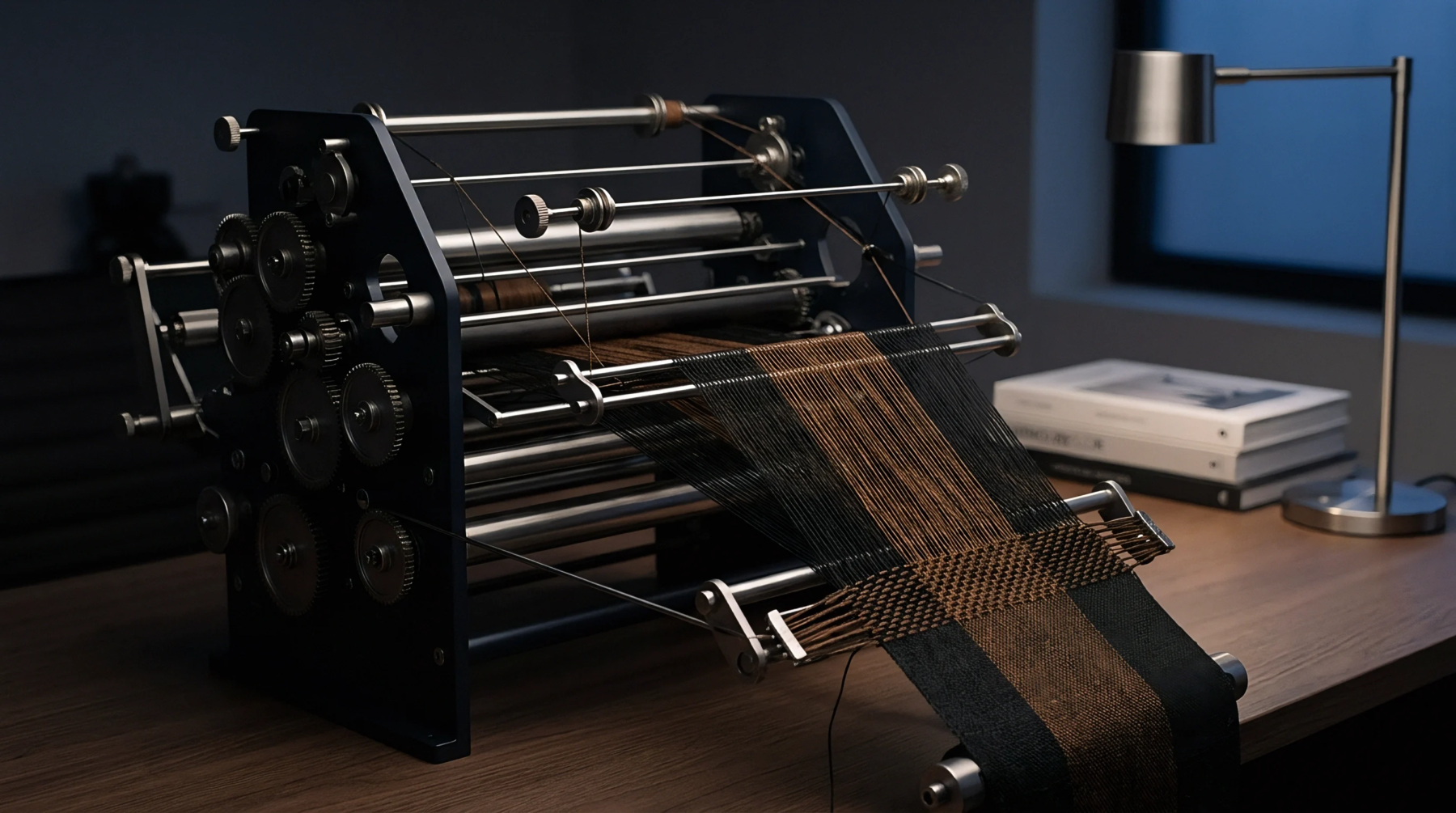
Marker-controlled watershed and U-Net boundary penalties resolve adjoining cell walls, preventing false fineness grading and wet-spinning roving breakage.
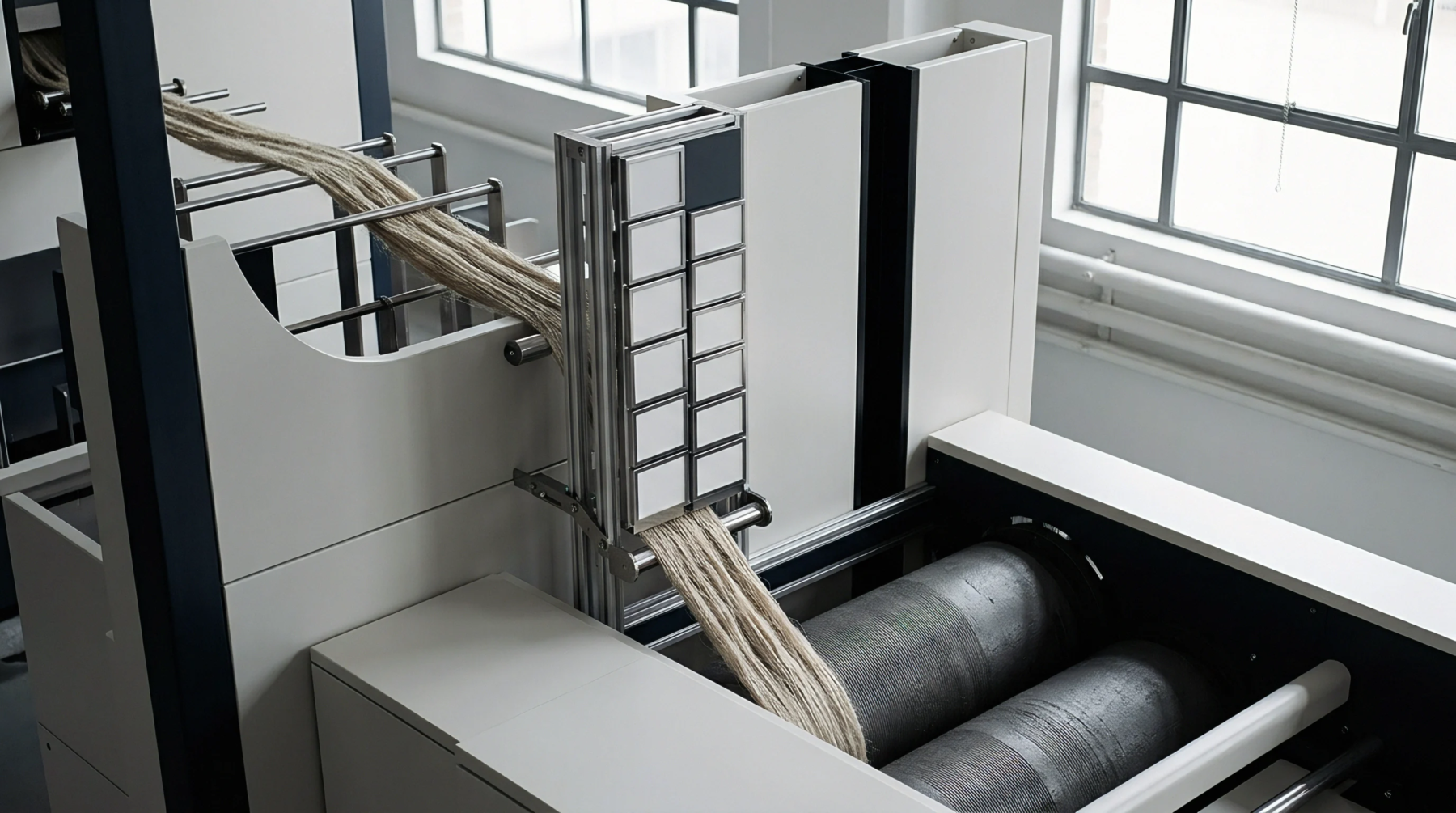
Discrete length distribution transformations control drafting breakage, wet trough bundle dissociation, and finished spinning margins in flax yarn production.

Maintain attenuation bath liquor between 58°C and 64°C with indirect heat exchange to plasticize flax pectins uniformly and prevent fiber bundle breakdown.

Targeting residual pectin between 1.8% and 2.6% dry mass optimizes fiber division for Nm 80-100 wet spinning while preventing drafting zone breaks.
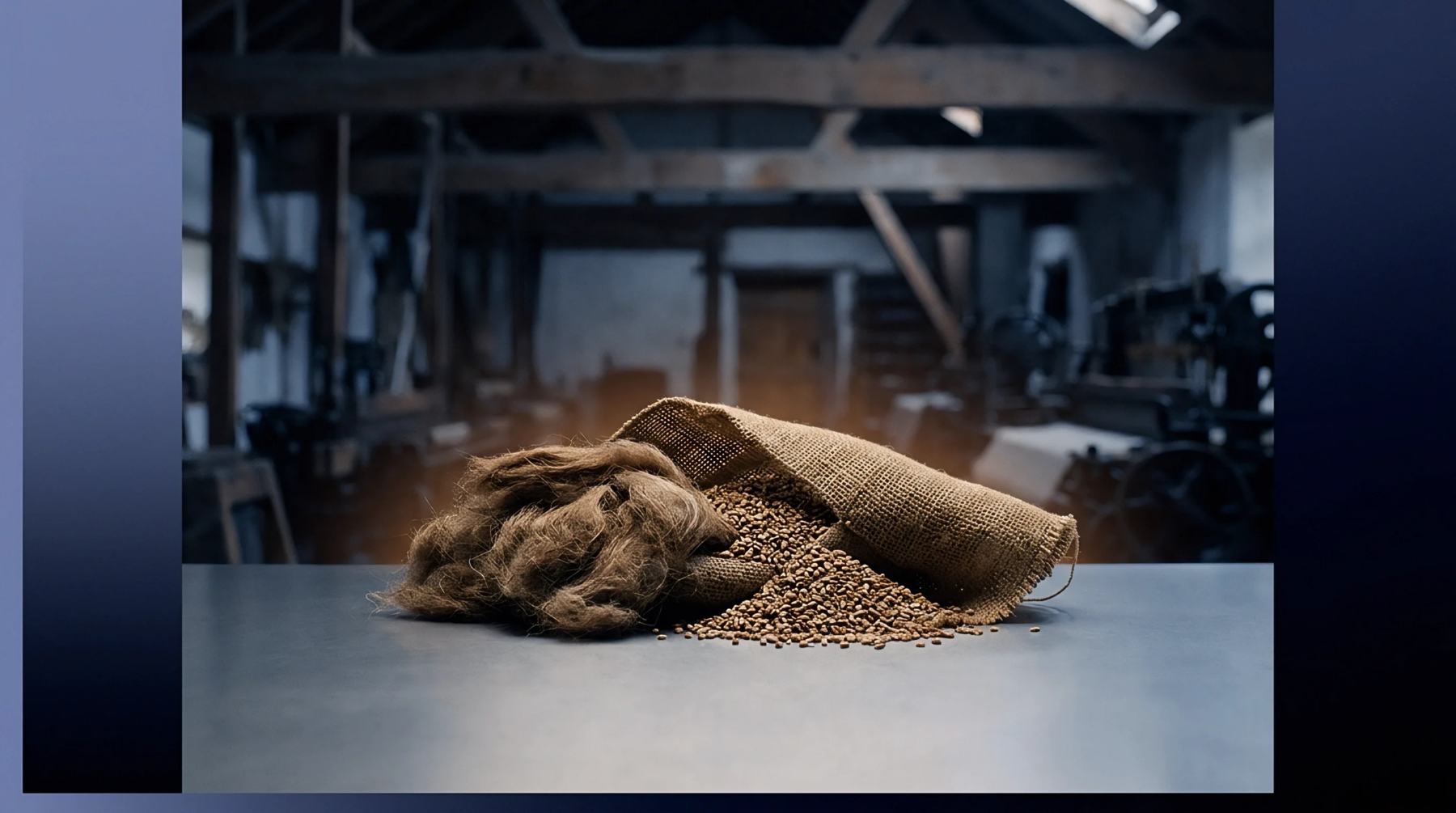
ISO gravimetric fineness testing measures cut bundle mass and length to establish decitex, directly dictating spinnable yarn count and fabric yield.

Gravimetric linear density determination isolates conditioned cut fiber bundles on microbalances to establish precise tex and dtex spinnability limits for bast stock.

Cellulose microfibril angle dispersion drives transverse cell wall cleavage under pin shear, reducing dressed long line flax yield by up to 16 percentage points.

Low-pressure air permeability tests determine bast fiber fineness by measuring specific surface area across standardized compressed fiber plugs under ISO 2370.

Optical microscopy of resin-embedded cross sections determines true technical flax bundle widths, separating spinnable fine line from coarse drafting defects.

Controlling residual pectin to 1.8-2.4% maintains inter-fiber void fraction below 0.32, maximizing packing density and tensile strength in blended line yarns.
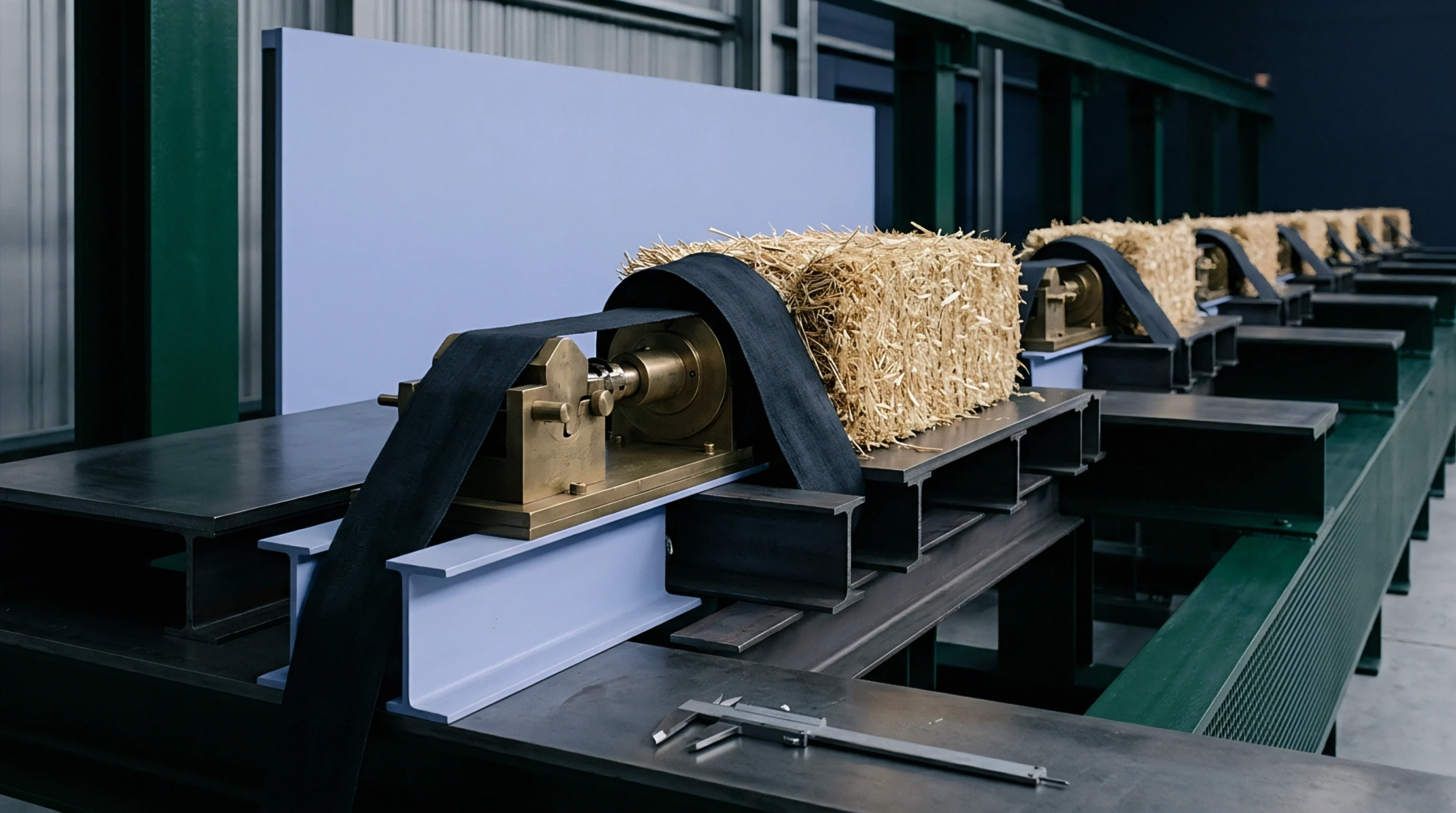
Dew retted line flax hackling yield determines long line fiber recovery, tow ratios, and yarn production costs through precise fineness and strength testing.
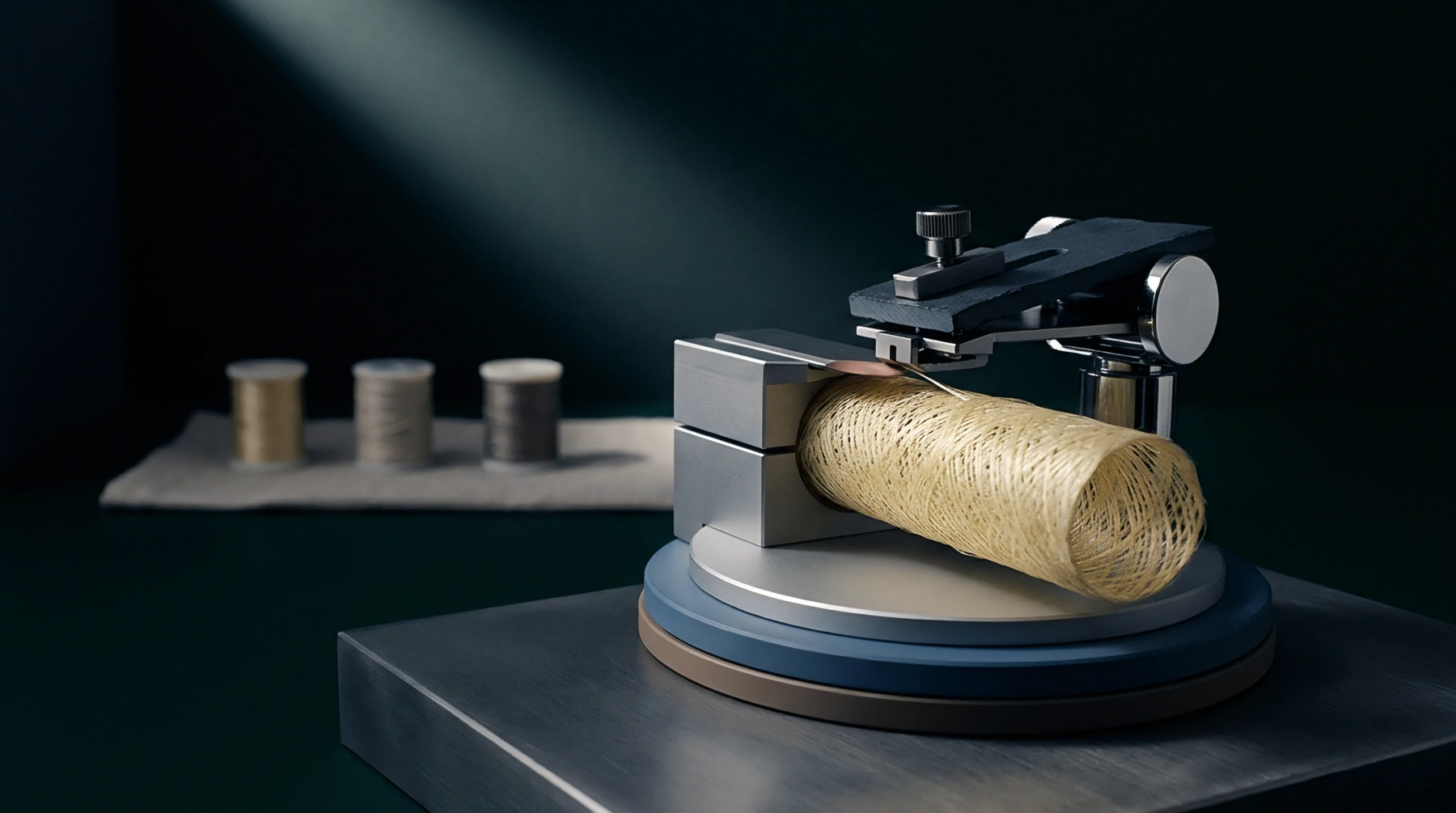
Optical diameter distributions overstate flax fineness due to non-circular cross-sections; calibrating against gravimetric ISO 2370 standards prevents mill spinning failures.
Expertise is a utility, not a secret. sentiention™ publishes its working knowledge as open reference: intelligence layer covering the materials it sources, the markets it enters, and the reference that serves both.