Alignment Tension
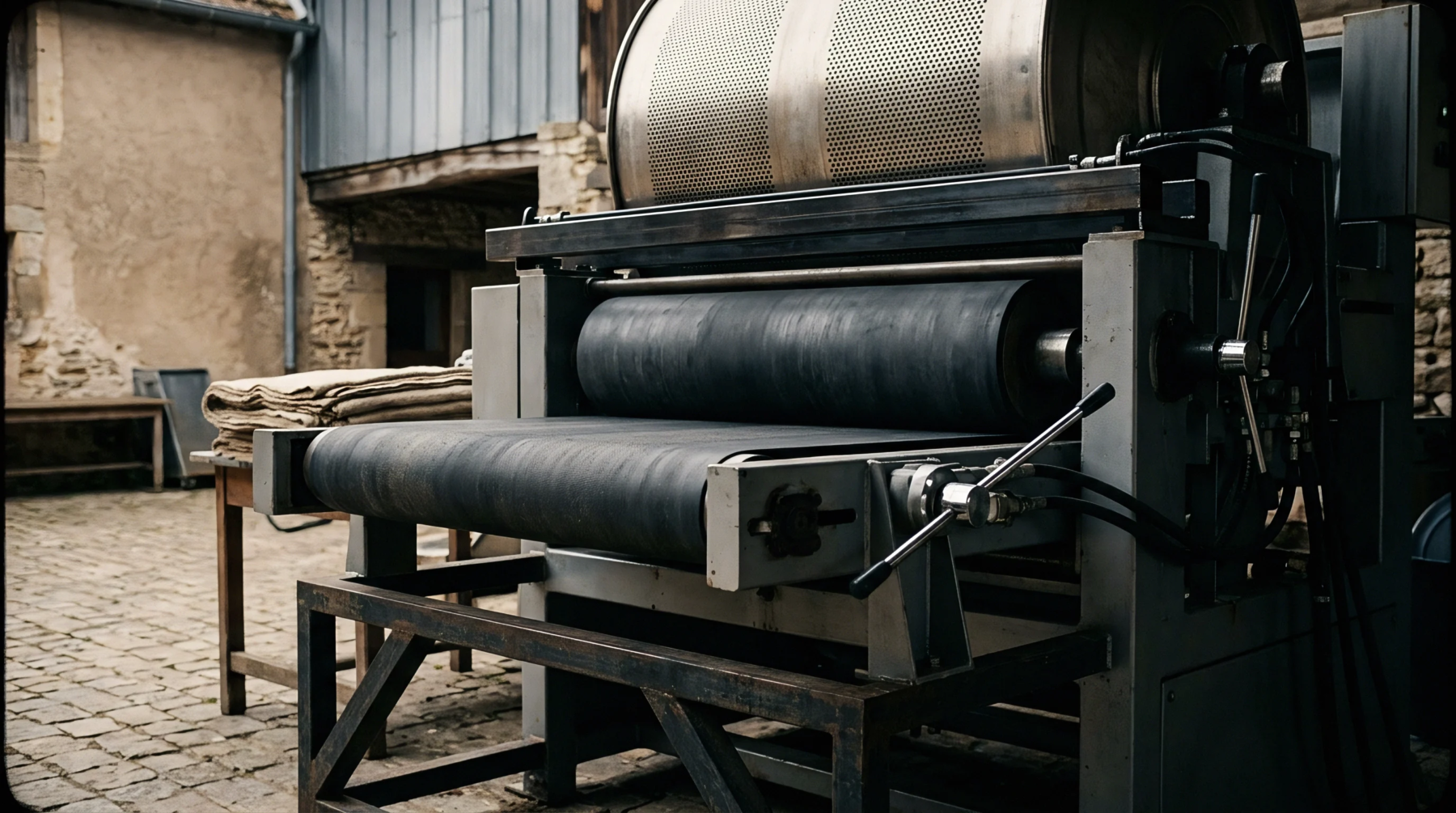
Bast fibre drafting represents the mechanical reduction of linear density in plant stalks during the conversion from roving to yarn within flax spinning systems. This procedure involves the deliberate extension of fibre strands between sequential roller pairs moving at graduated speeds. Through the application of differential velocity, the mass per unit length decreases while individual filaments achieve necessary orientation for high quality output.
Strict control over the gap between these rollers prevents breakage while ensuring consistent distribution of mechanical load across the strand. The process concludes when the roving reaches the required fineness for final spinning frames, defining the output as a uniform sliver ready for further reduction.
Drafting Ratio
Technical specifications within Chinese linen mills distinguish this reduction stage from initial carding or combing activities. Supervisors monitor the extension constant to determine the integrity of the material before it passes into the spinning zone. A grade assigned to raw flax reflects the inherent length and purity of the natural plant cells, yet the drafting parameter describes the modification of these cells by factory hardware.
Inspectors record the draft setting on the internal production card, identifying the specific machine configuration used during each batch run. These numbers allow mill managers to differentiate between minor adjustments in machine speed and fundamental deviations from the standard technical requirements expected by buyers. Maintaining the correct multiplier avoids unnecessary tension that would otherwise pull the fibre apart or introduce unwanted irregularities in the finished yarn.
Mechanical Constraint
Variations in raw material humidity or fibre maturity force operators to adjust the pressure applied at the point of extension. Overloading the rollers causes excessive snap rates during high speed operations, a condition that disrupts the flow of goods toward the final finishing stages. If the fibre lacks sufficient length for the established gap setting, the result is uneven distribution in the resulting sliver.
Precision in this area confirms that the mechanical system remains in balance with the physical properties of the natural crop, dictating the maximum output speed for the entire spinning operation. Consistent management of roller velocity provides the final assurance of uniform mass per unit length in the product.