Moisture Extraction
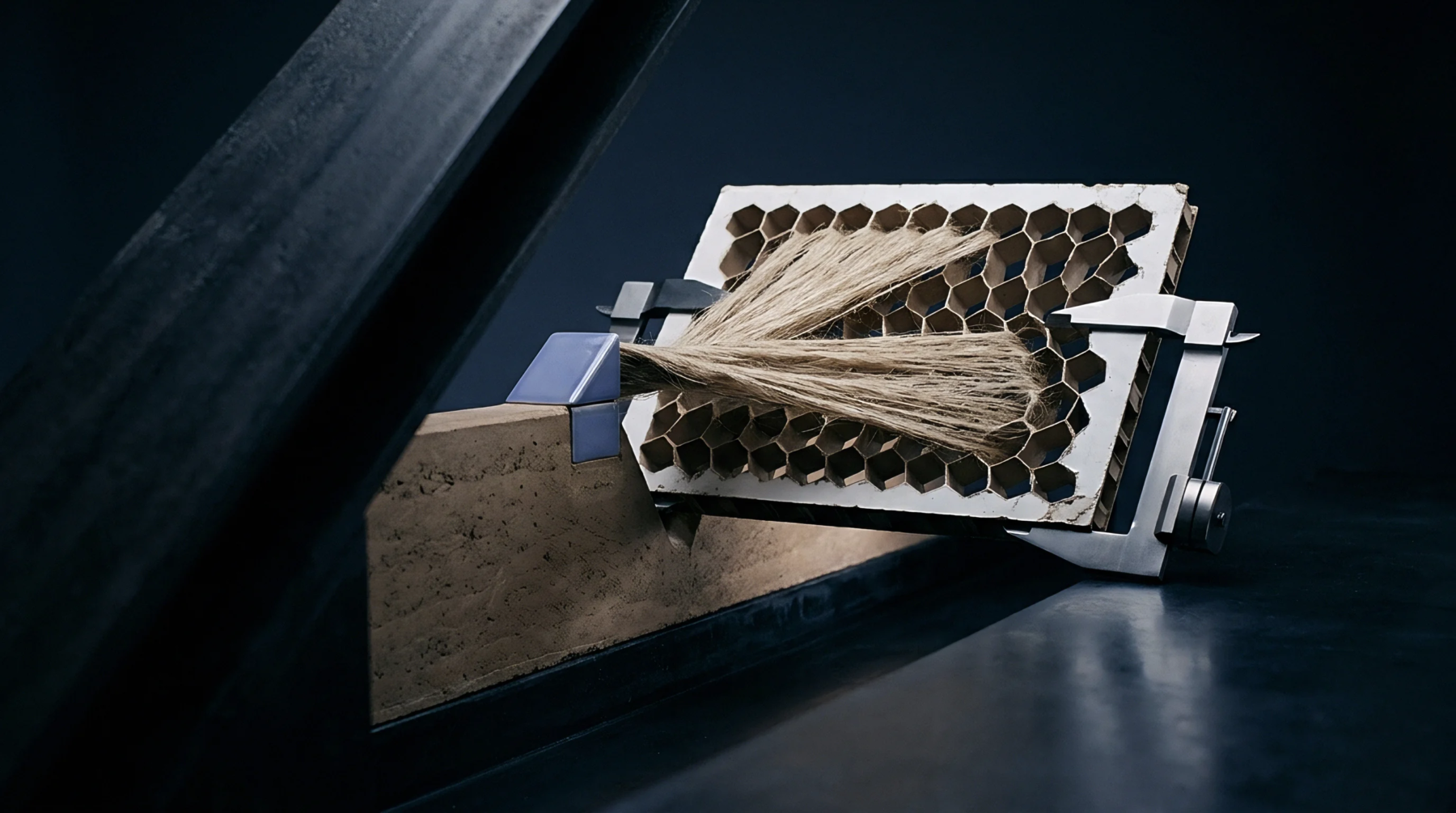
Raw flax weight stabilization protocols apply directly to ASTM D2495 during oven-drying procedures in Chinese spinning mills. Dried stalk batches undergo thermal reduction inside forced-air chambers until constant mass confirms the complete removal of free water. Technicians record initial wet values against final bone-dry metrics to determine baseline commercial mass allowances prior to drafting.
Mill operators rely on these specific mass differentials to calculate precise moisture regain factors during the conversion of raw straw into prepared roving.
Thermal Conditioning
Mechanical ovens maintain strict interior temperatures around one hundred and five degrees Celsius throughout the drying cycle. Forced convection circulates heated air across spread fiber layers to prevent localized scorching during prolonged exposure. Prolonged heat application drives off bound capillary moisture without altering the underlying cellulose structure of the flax strands.
Operators remove sample containers only after consecutive weight measurements taken at hourly intervals show zero variance.
Commercial Adjustment
Calculated moisture content directly influences final trading weights across international flax transactions. Buyers apply standardized correction factors to raw mass figures to eliminate excess water penalties from financial settlements. Commercial contracts mandate strict adherence to these thermal testing parameters during dispute resolution between mills and growers.
Final billing weight calculations emerge from the dry mass summation combined with officially sanctioned moisture allowances.