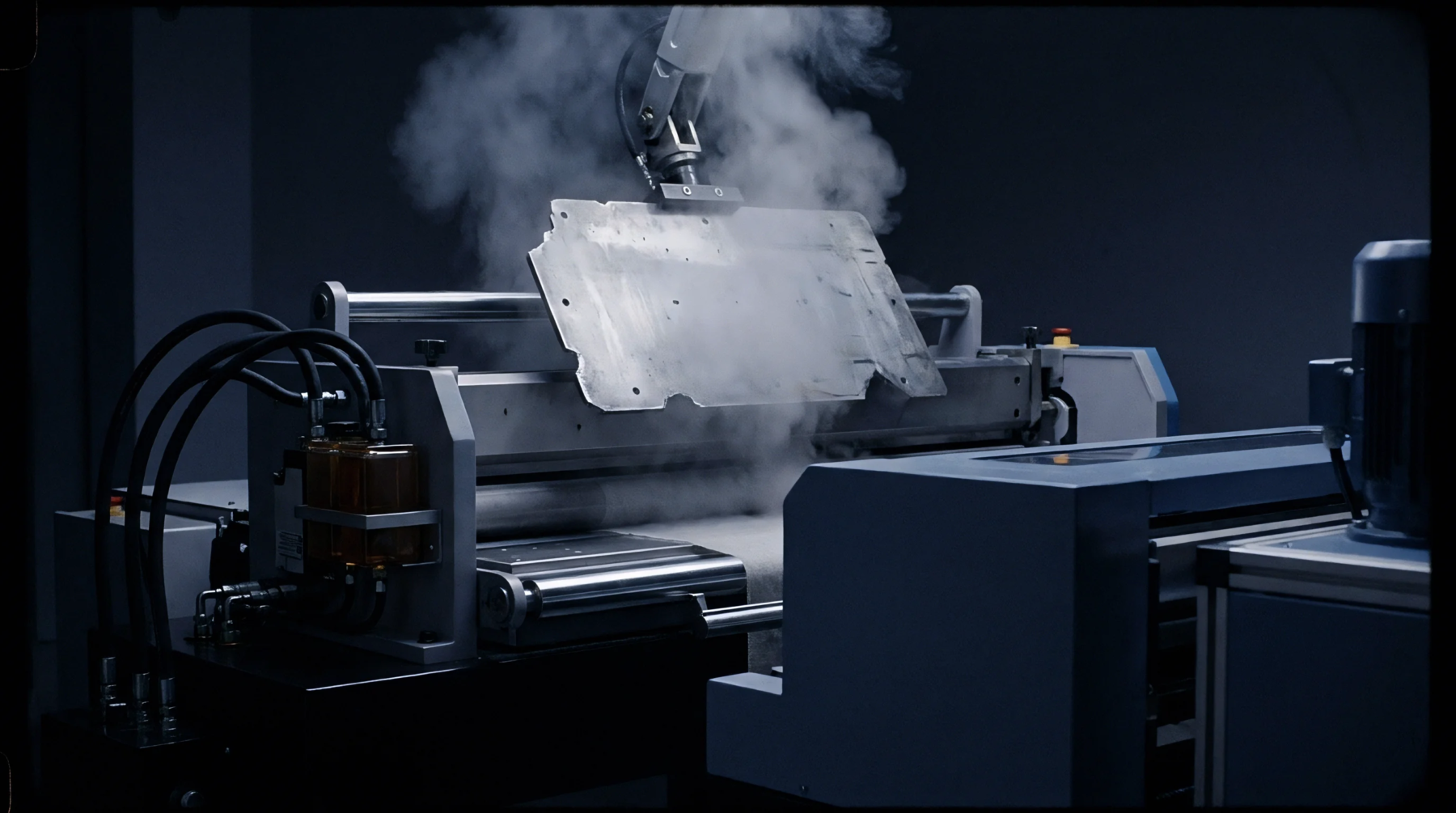
Modeling Cyclic Strain Rupture Mechanisms in Fine Wet Spun Linen Shedding Operations
Fine wet spun linen warp breaks are minimized by capping dynamic shed strain below 2.0% through asymmetric back-rest tuning and controlled relative humidity.
Fine wet spun linen warp breaks are minimized by capping dynamic shed strain below 2.0% through asymmetric back-rest tuning and controlled relative humidity.
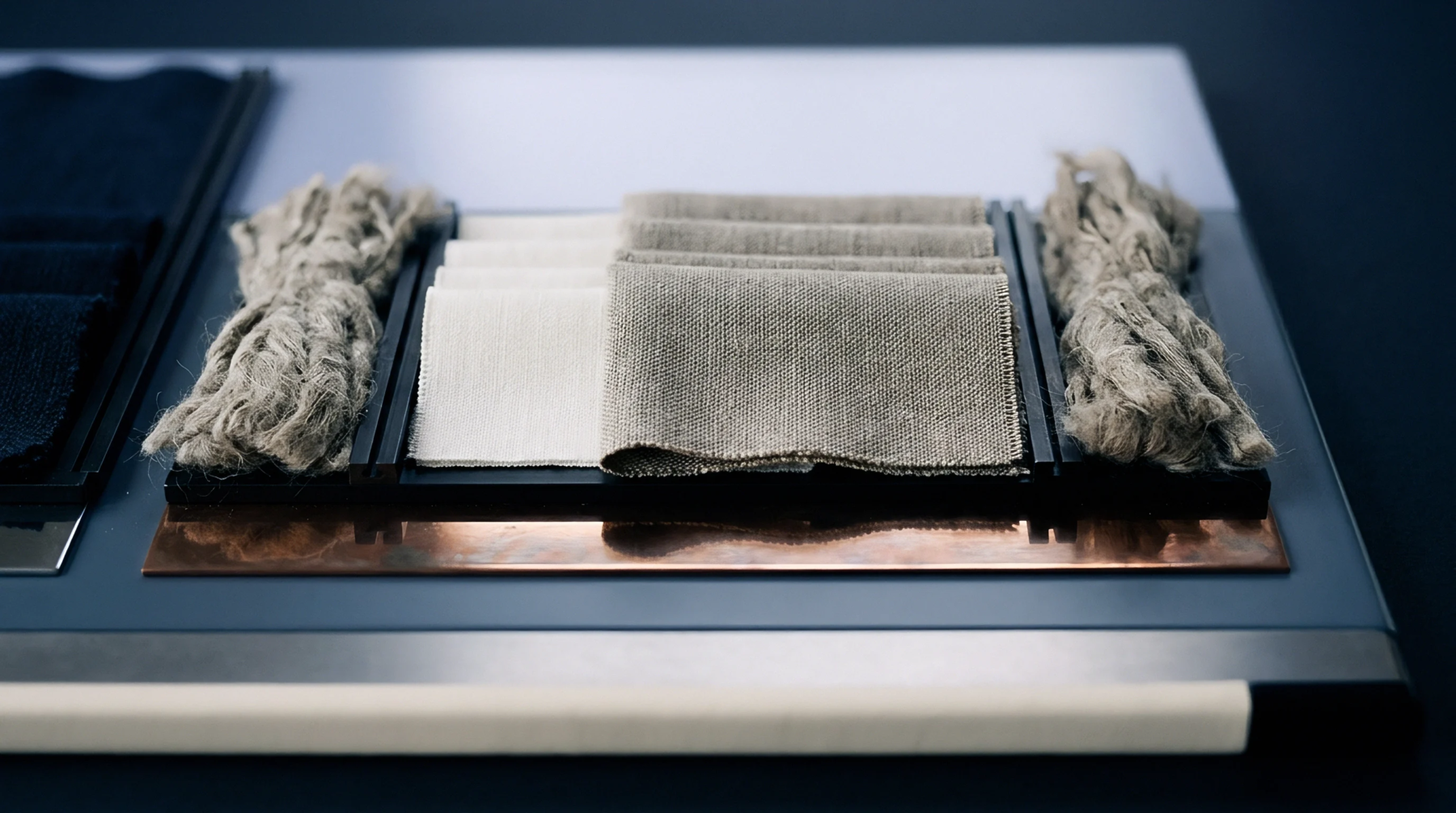
Dynamic localized psychrometric control sustains viscoelastic sizing compliance on bast warps, preventing film fracture and lifting loom speeds past 500 PPM.
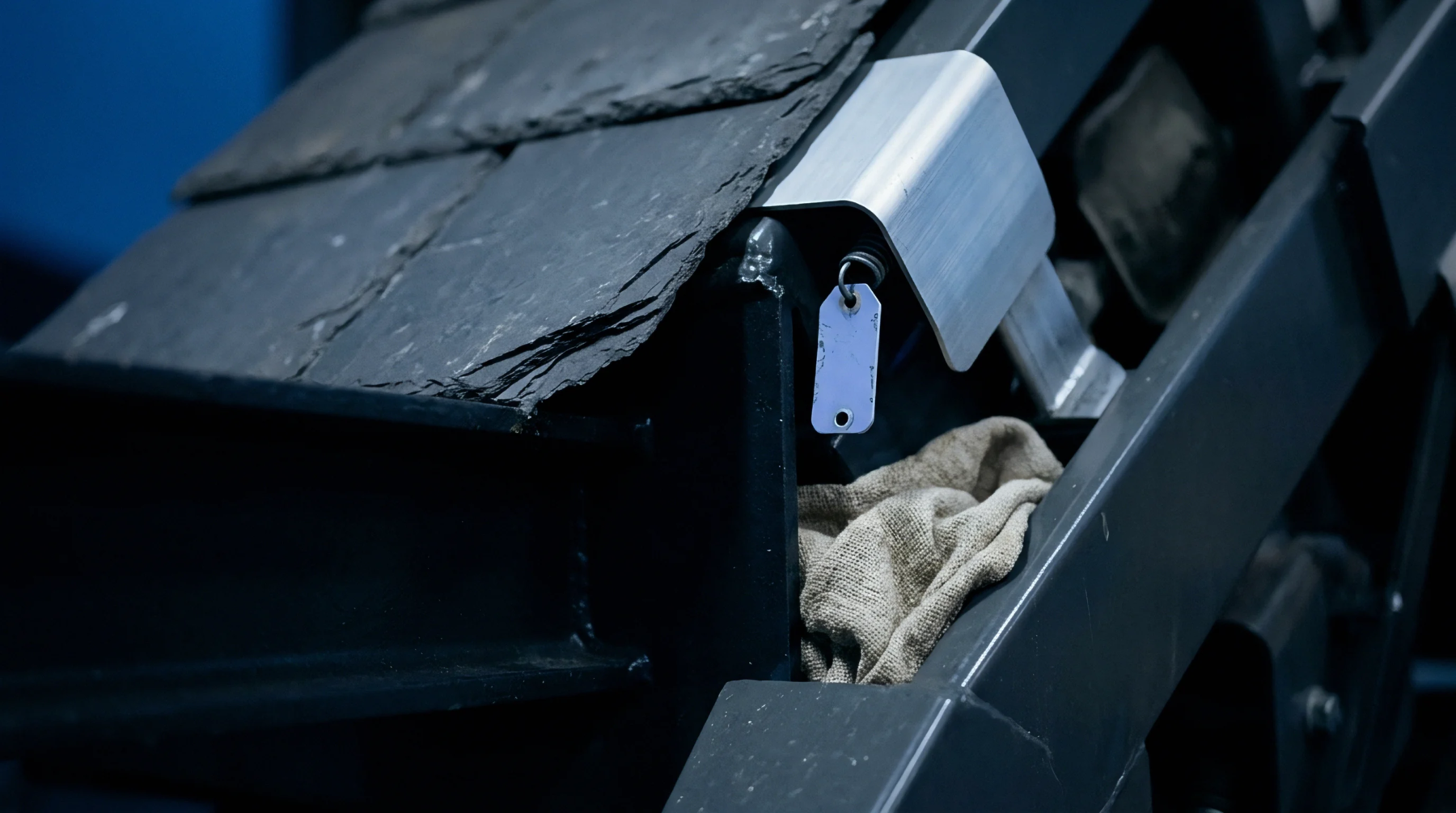
Mechanical scutching defect quantification relies on precise gravimetric or optical mass-balance analysis to measure residual shive and control long fiber yield.

High-speed mechanical scutching and hackling induce cell wall dislocations in flax bast fibers, directly degrading yarn tenacity and fine-count spinning yield.

Dynamic interference time in dense fine linen weaving escalates exponentially above six-loom allocation sets, demanding dynamic workload modeling to protect loom hour margins.
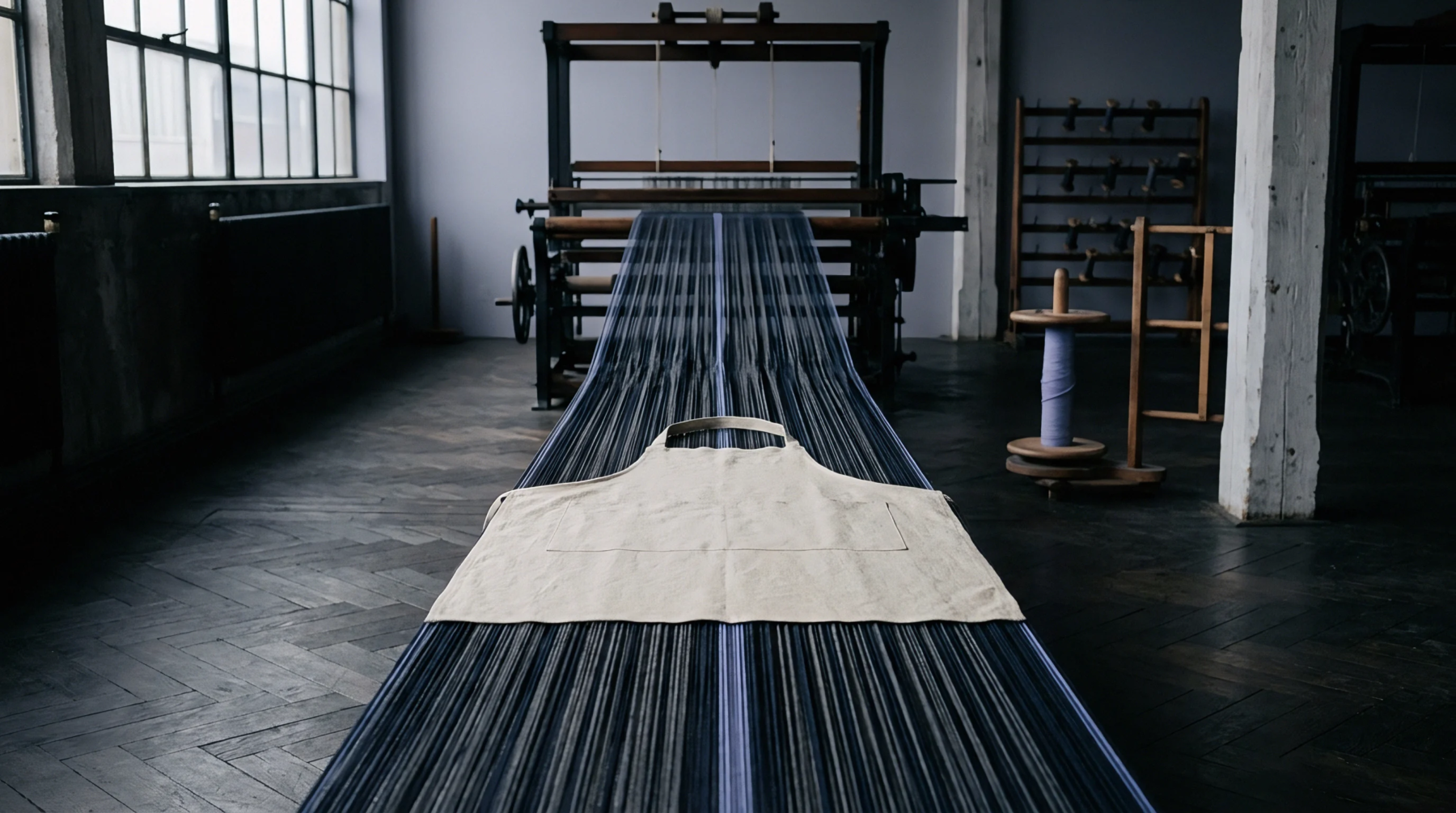
Adjusting rear shed depth and backrest symmetry flattens peak shedding tension spikes below yarn failure limits, drastically improving high-density linen loom efficiency.

Cottonised short flax inside long-staple lots destroys wet-spinning stability; verify comb-sorter distributions under ISO 6989 before processing.

High warp tension on wet spun flax accelerates crystalline bundle micro-cracking, requiring controlled sizing regain and reduced shedding angles to maintain shed capacity.
Expertise is a utility, not a secret. sentiention™ publishes its working knowledge as open reference: intelligence layer covering the materials it sources, the markets it enters, and the reference that serves both.