
Optimizing Enzymatic Retting Parameters to Stabilize High Count Wet Line Yarn Drafting Dynamics
Optimizing enzymatic pectinase retting to 1.2-1.6% residual pectin stabilizes wet drafting dynamics and enables high count Nm 80-120 line yarn spinning.
Optimizing enzymatic pectinase retting to 1.2-1.6% residual pectin stabilizes wet drafting dynamics and enables high count Nm 80-120 line yarn spinning.
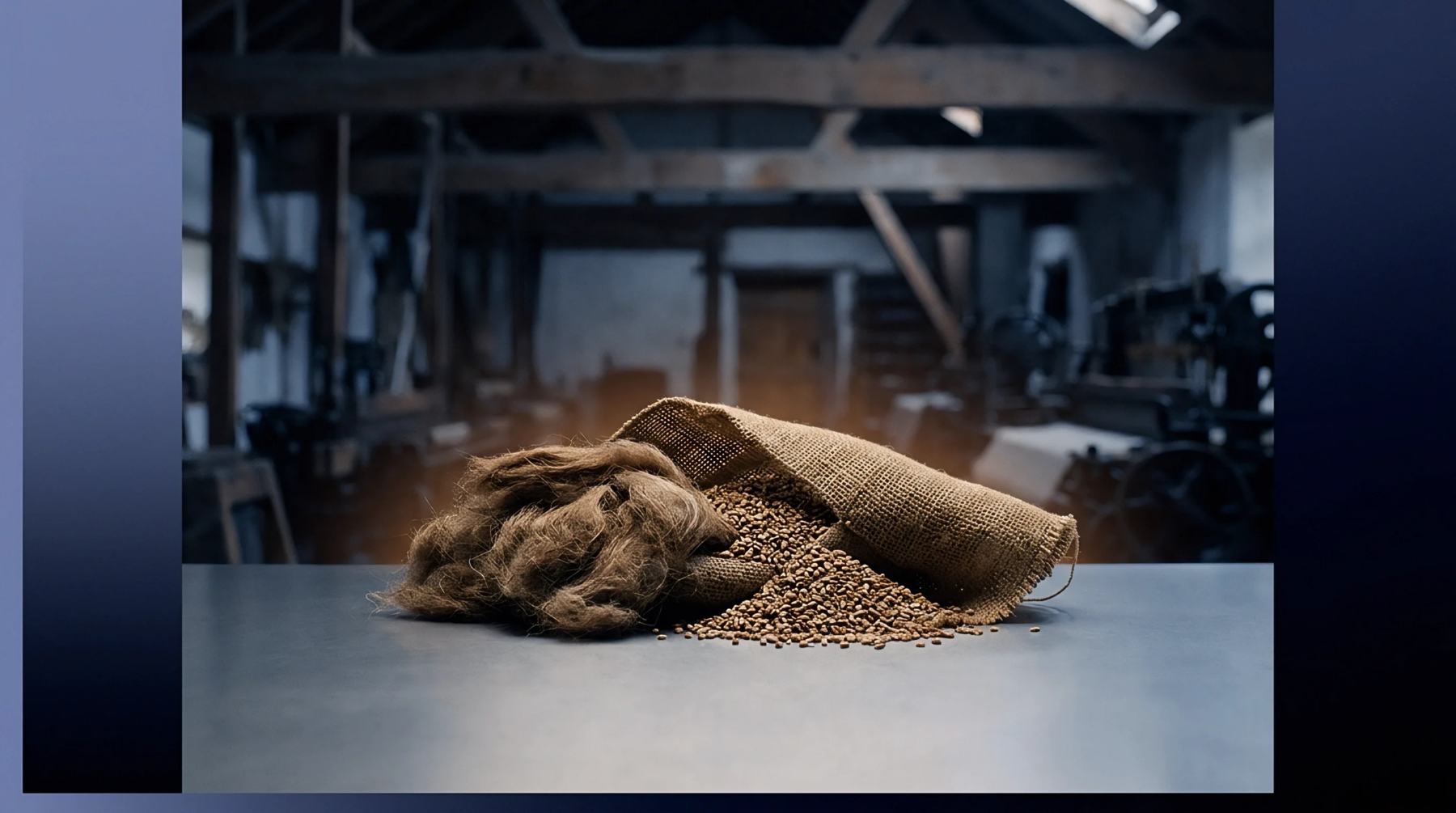
ISO gravimetric fineness testing measures cut bundle mass and length to establish decitex, directly dictating spinnable yarn count and fabric yield.

Commercial claims on enzymatically processed flax require matching residual pectin levels against bundle tenacity and wet-spinning end breakages.

Controlling residual pectin to 1.8-2.4% maintains inter-fiber void fraction below 0.32, maximizing packing density and tensile strength in blended line yarns.

Resolving high-speed optical fiber fineness discrepancies in degummed bast fiber blends requires applying cross-sectional shape and pectin correction factors.

Dew-retted Heilongjiang flax provides cost savings for medium counts, while imported water-retted bales deliver the fineness needed for yarn counts above Nm 50.

Cottonised short flax inside long-staple lots destroys wet-spinning stability; verify comb-sorter distributions under ISO 6989 before processing.
Expertise is a utility, not a secret. sentiention™ publishes its working knowledge as open reference: intelligence layer covering the materials it sources, the markets it enters, and the reference that serves both.