Orientation Variance
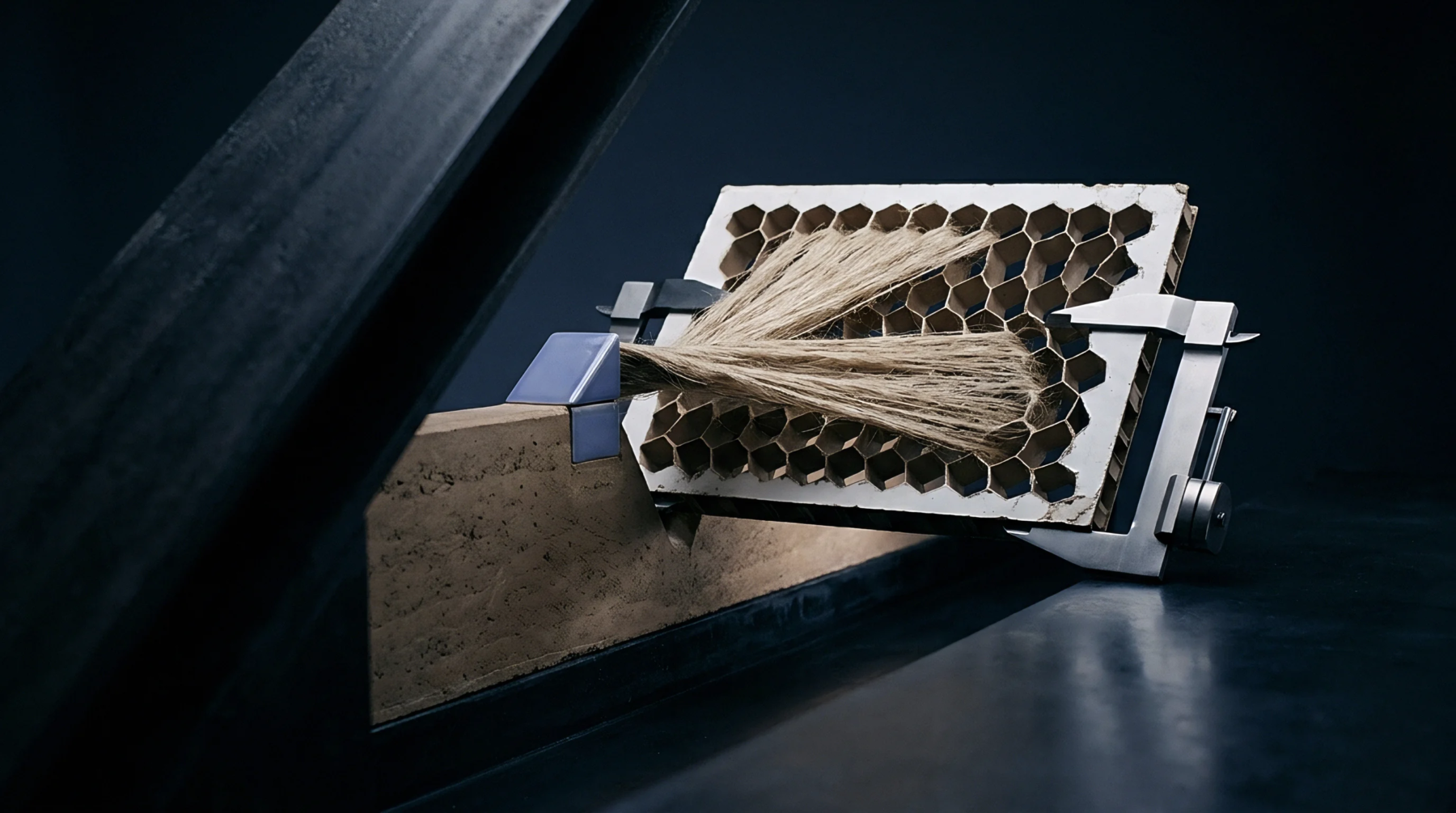
Fibre rotation measurement quantifies the spread of cellulose fibrils relative to the longitudinal axis of a flax stem. This azimuthal dispersion angle identifies the structural consistency of raw materials before processing begins in the spinning facility. Precise measurement occurs during the initial grading phase where microscopic scans assess the internal geometry of the plant bundles.
High uniformity ratings suggest superior tensile strength for later yarn production while erratic values indicate inconsistent growth patterns that weaken the finished textile.
Geometric Calibration
Technical inspectors document these measurements in the batch summary report following the mechanical decortication stage. The azimuthal dispersion angle determines how effectively the machinery aligns individual filaments into a parallel configuration. Proper alignment reduces breakage rates during the drafting process.
Mills rely on these figures to adjust the tension settings on carding equipment. Deviations from the baseline indicate that the material requires additional mechanical conditioning to reach the target yarn count.
Production Outcome
Factory throughput relies heavily upon the successful minimization of angular spread. Consistent results allow for predictable behavior when the raw material encounters the abrasive forces of the spinning frame. A narrowed range of variation prevents the accumulation of waste at the high speed zones of the production line.
Standardized grading allows the supplier to guarantee performance characteristics for a specific delivery. Lower dispersion values improve the surface finish of the fabric significantly.