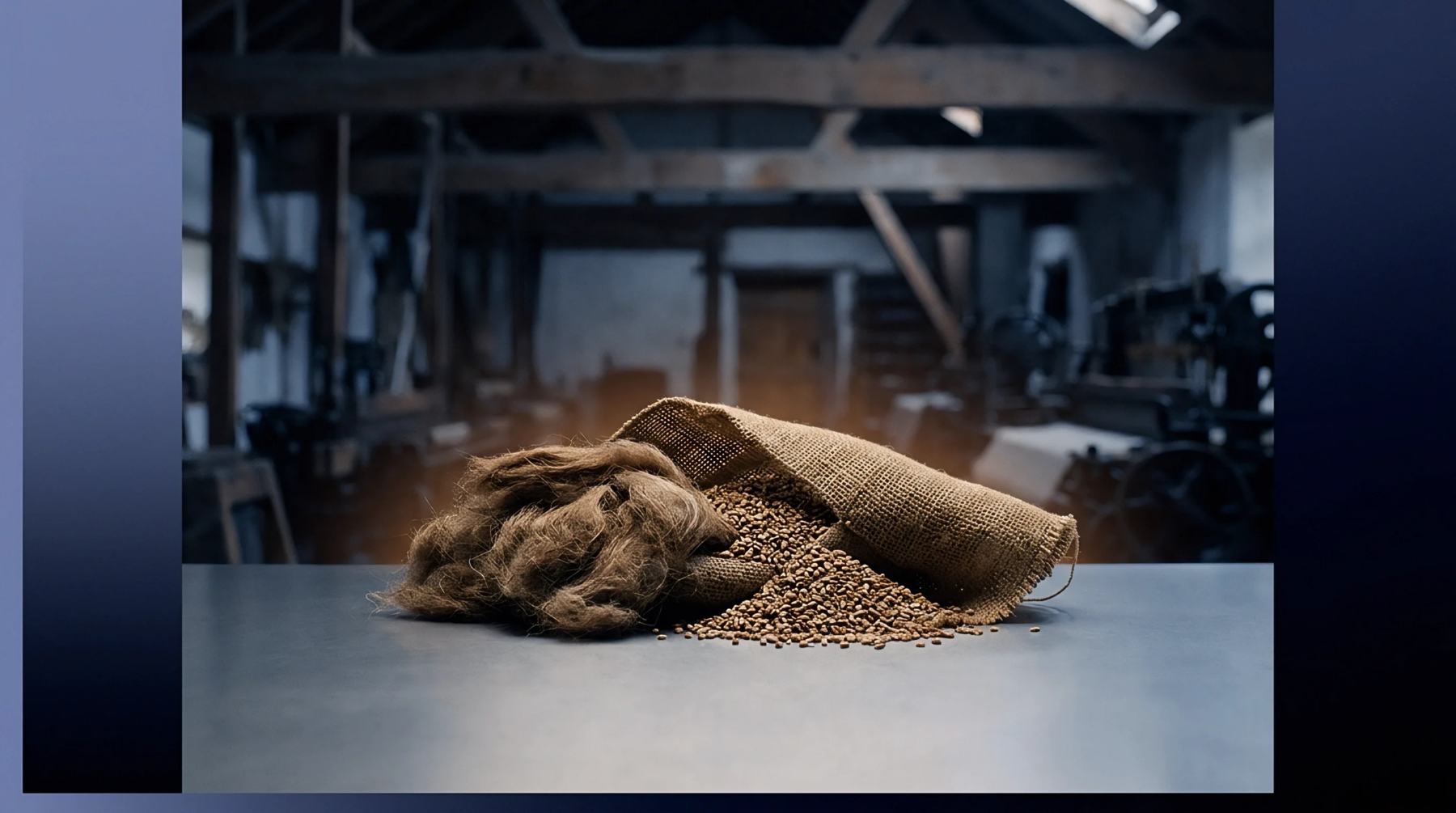
Cyclic Tensile Fatigue Degradation Mechanics in Bast Fiber Yarns
Cyclic tensile fatigue in bast yarns stems from microfibril reorientation and dislocation slip, requiring optimized sizing and minimal shed heights on looms.
Cyclic tensile fatigue in bast yarns stems from microfibril reorientation and dislocation slip, requiring optimized sizing and minimal shed heights on looms.
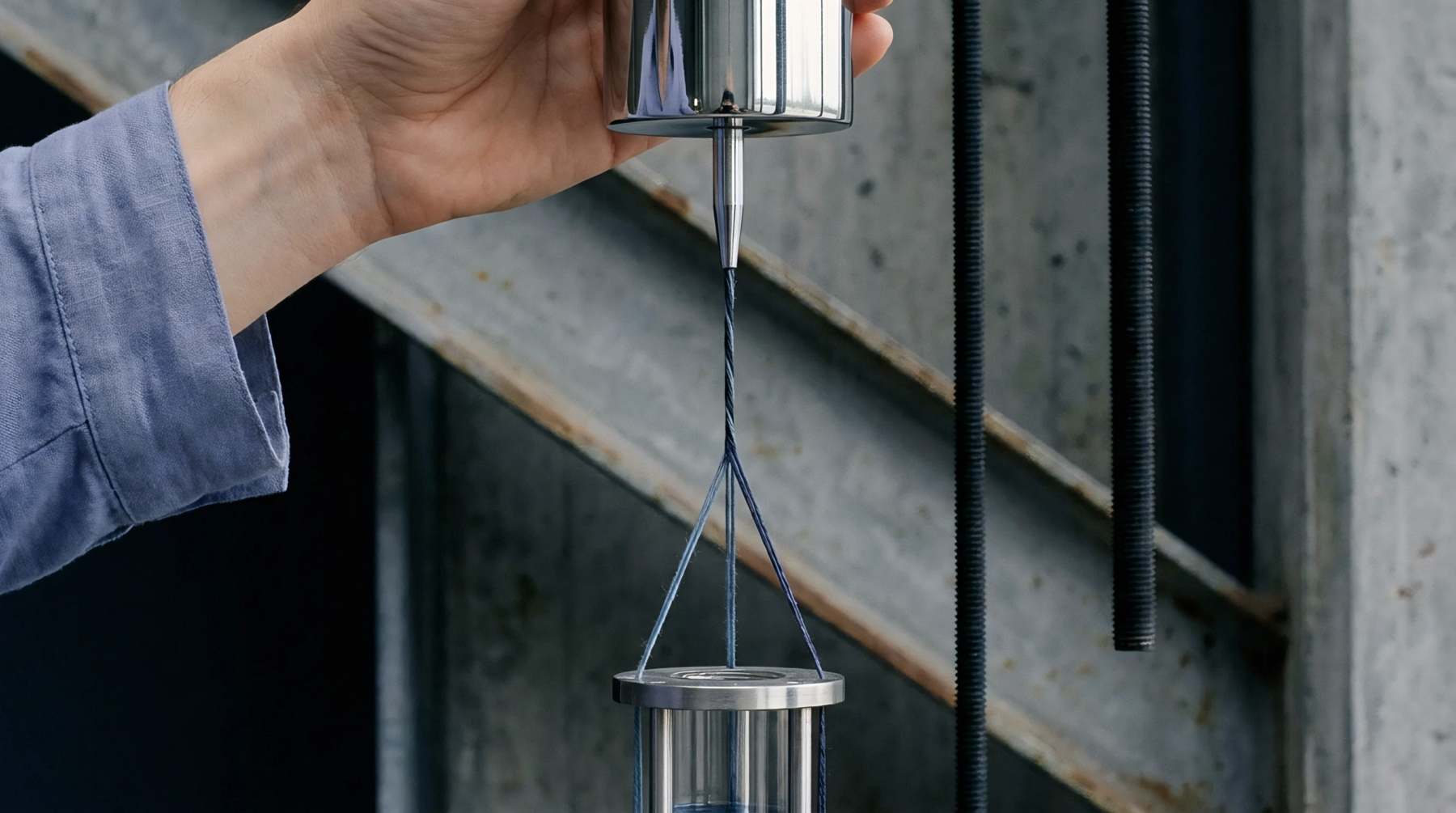
Dynamic beat-up cycles at modern loom speeds induce moisture-dependent anisotropic creep in flax, requiring speed reductions to stabilize pick uniformity.

Nonlinear constitutive creep equations for high-sett flax interlacings account for moisture-dependent shift factors to prevent dimensional failure under load.

Dynamic tension control on rapier looms running pure bast warps requires servo backrests to absorb sub-40ms tension spikes and prevent end breaks.
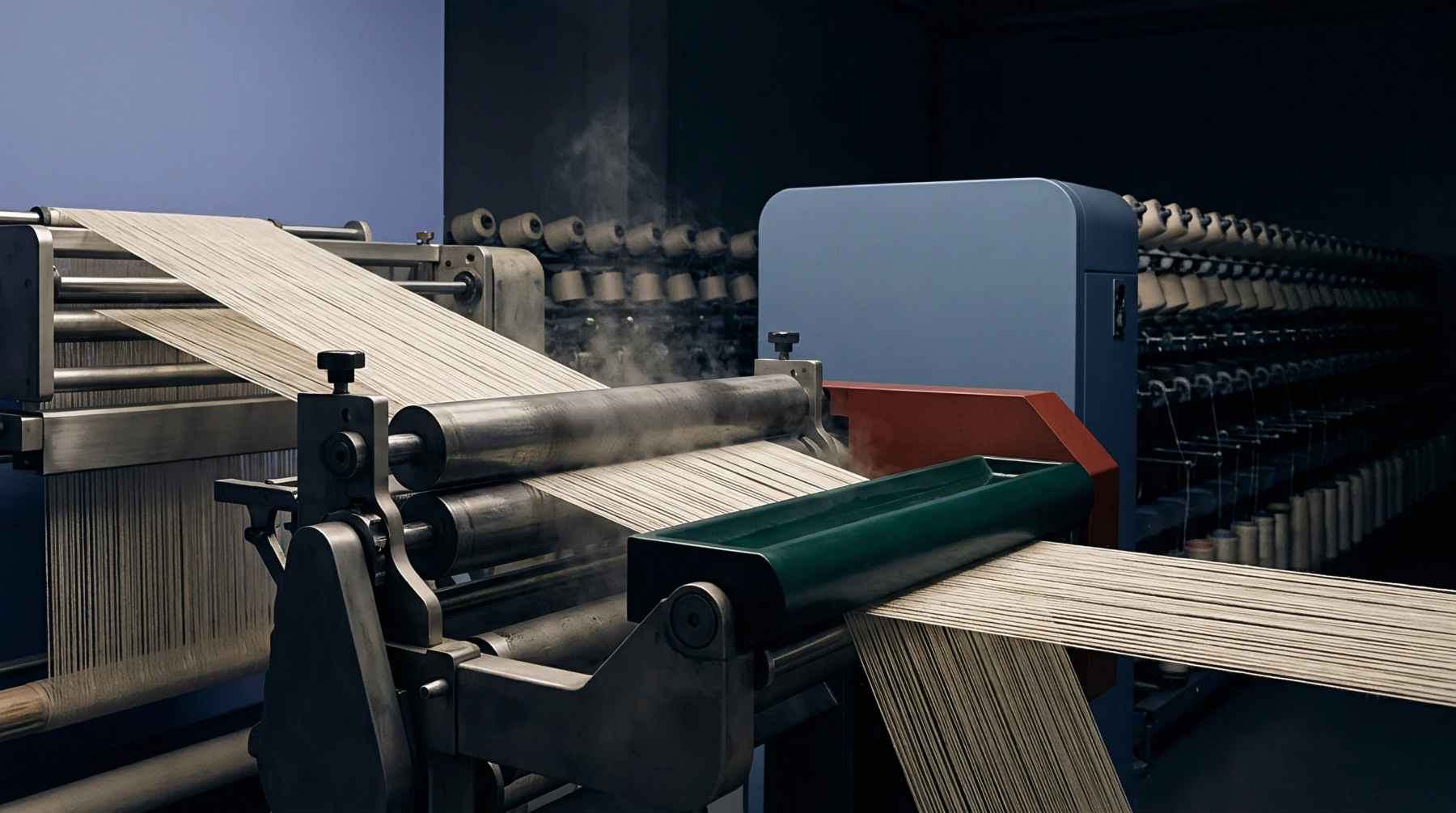
Engineered hydroxyethyl starch, low-hydrolysis PVA, and acrylic size formulations reduce bast warp breaks by seventy percent, maximizing high-speed loom efficiency.
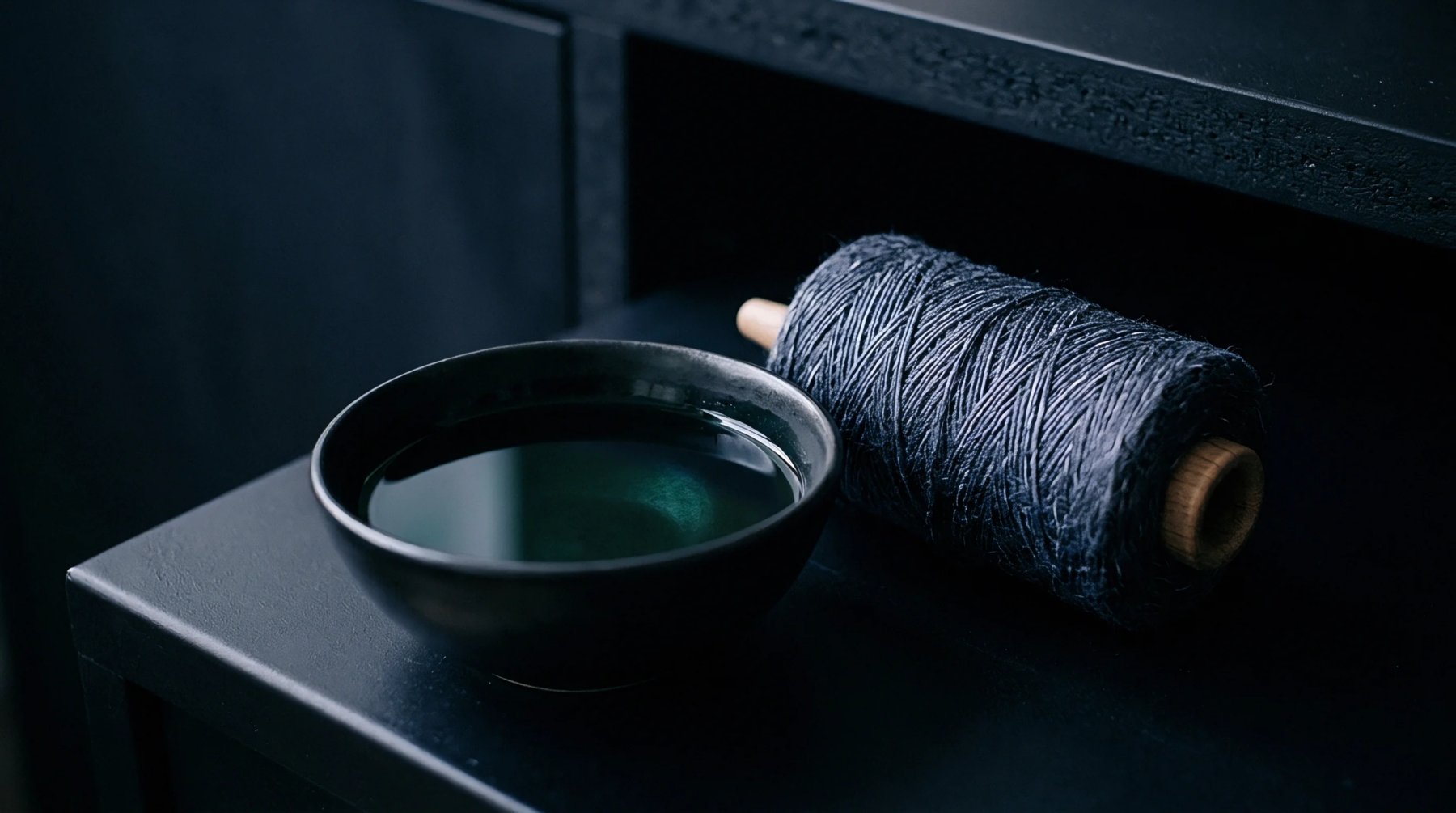
Controlled bast sizing demands twenty-five percent liquor penetration to anchor elementary fibrils alongside a ductile surface coating to prevent shed shedding.

Closed loop servo control of wet spun flax ring rails dynamically stabilizes balloon tension, cutting end breaks by 75 percent and ensuring uniform yarn density.

Line scan sensors track yarn balloon radius to derive spinning tension and prevent end breakage in flax ring frames.
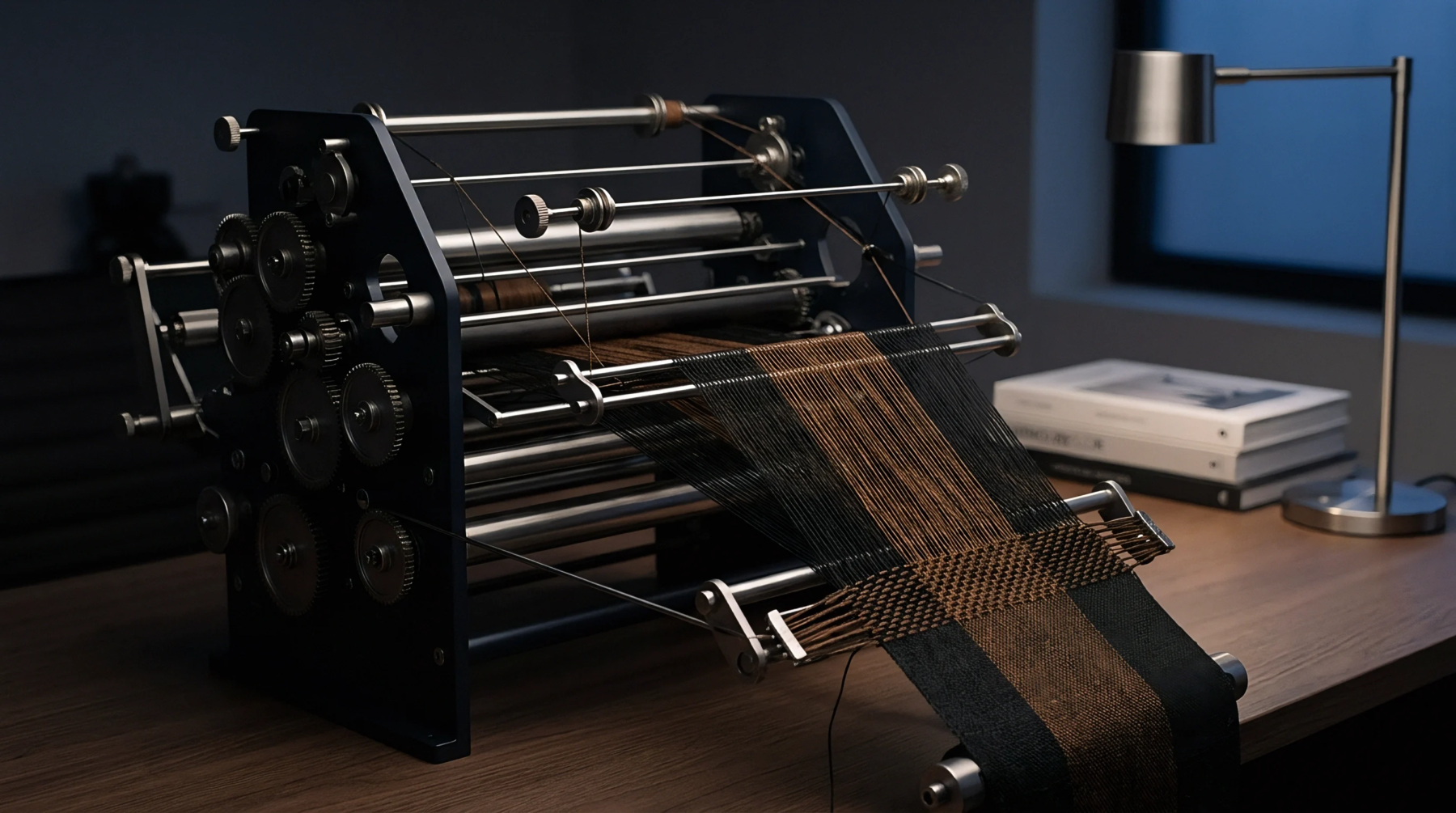
Dynamic shedding creates interfacial shear strain in PVA-sized flax warps that must remain below film elastic limits to prevent debonding and loom stops.

Dynamic friction coefficient spikes in wet spun flax warp yarns break loom efficiency by multiplying shedding tension past single strand tensile limits.

Controlling storage humidity at 65 percent and applying reverse winding gradient profiles preserves wet spun flax warp tension during extended beam transit.

Linen warp preparation demands high-precision tension control, customized starch-PVA sizing, and late loom shedding to overcome flax brittleness and stops.
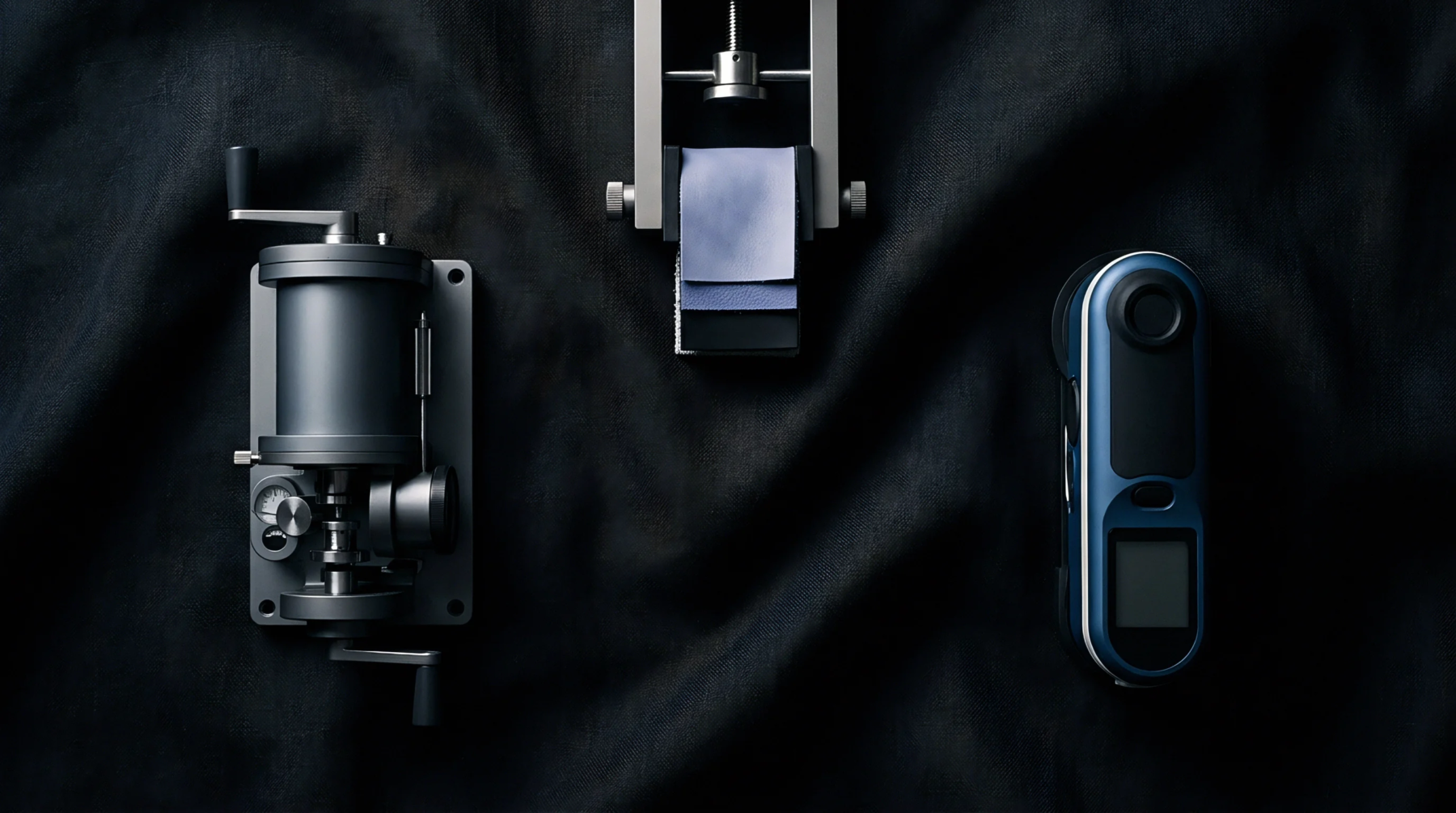
Differentiating volatile finish loss from moisture evaporation requires solvent pre-extraction or Karl Fischer titration to protect commercial yarn weight billing.
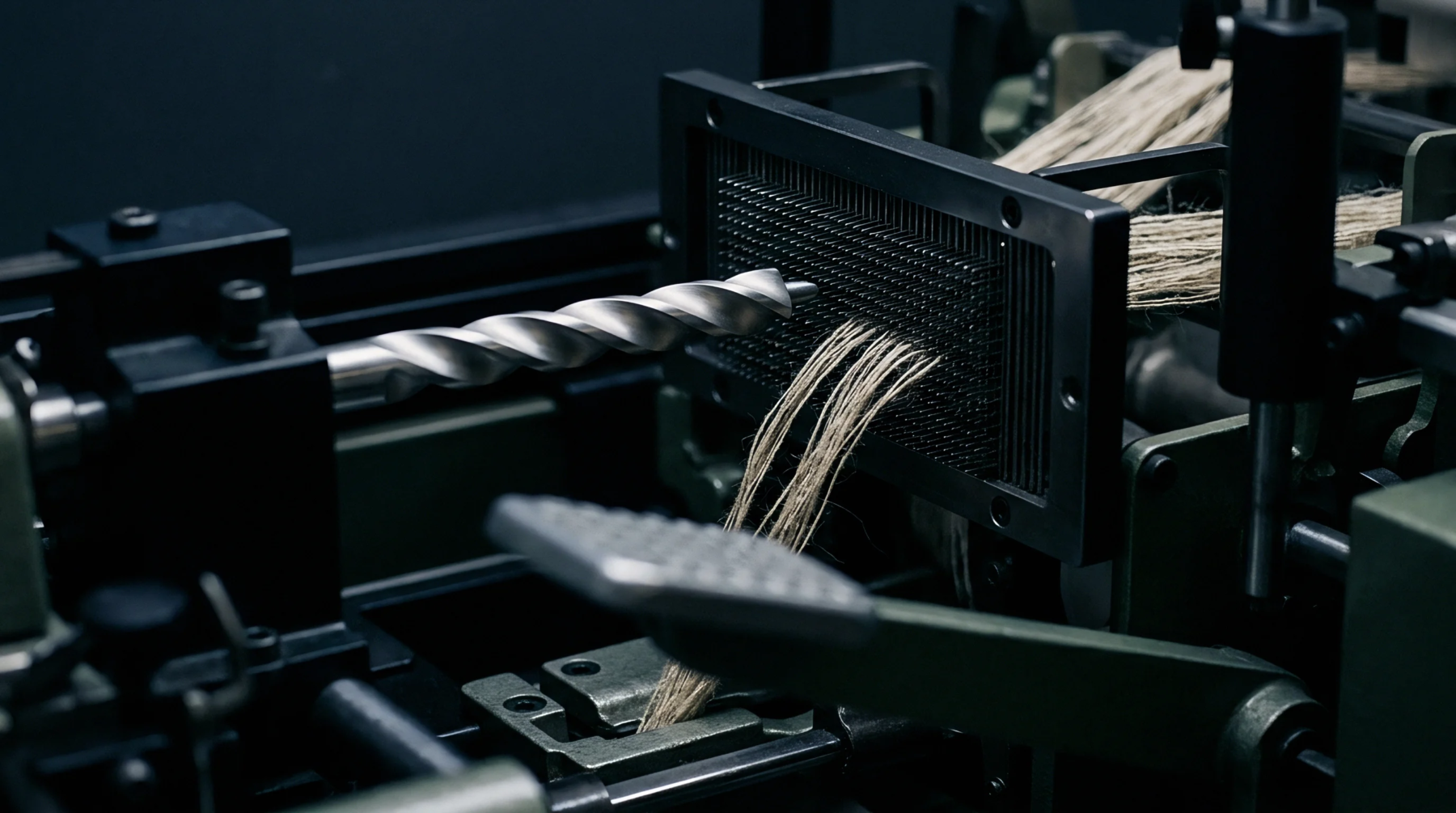
Unmodeled break cascades drop high-density flax loom efficiency below seventy percent, compounding operator queues and inflating machine-hour contract costs.

Arbitrating fine linen yarn claims requires pairing ISO 2062 single-strand tenacity with ISO 5351 viscometric depolymerization testing to isolate seller fault.

Loom reed width for linen must scale non-linearly with pick density, expanding up to 20 percent over finished width to compensate for severe bast fiber crimp take-up.
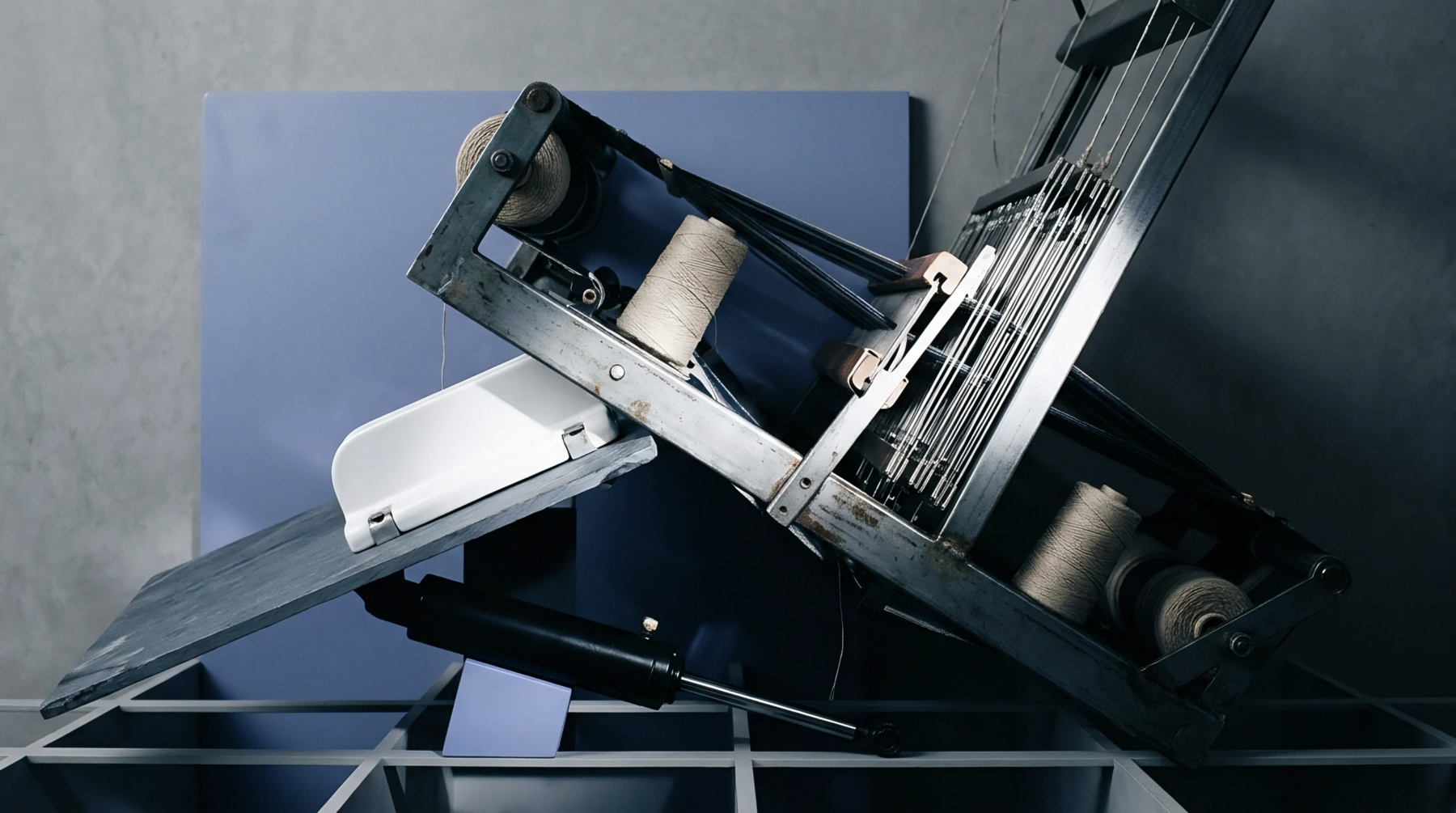
Dynamic strain mapping shows wet spun flax warp failures originate from cell wall dislocations exacerbated by high peak tension during open shed dwell.
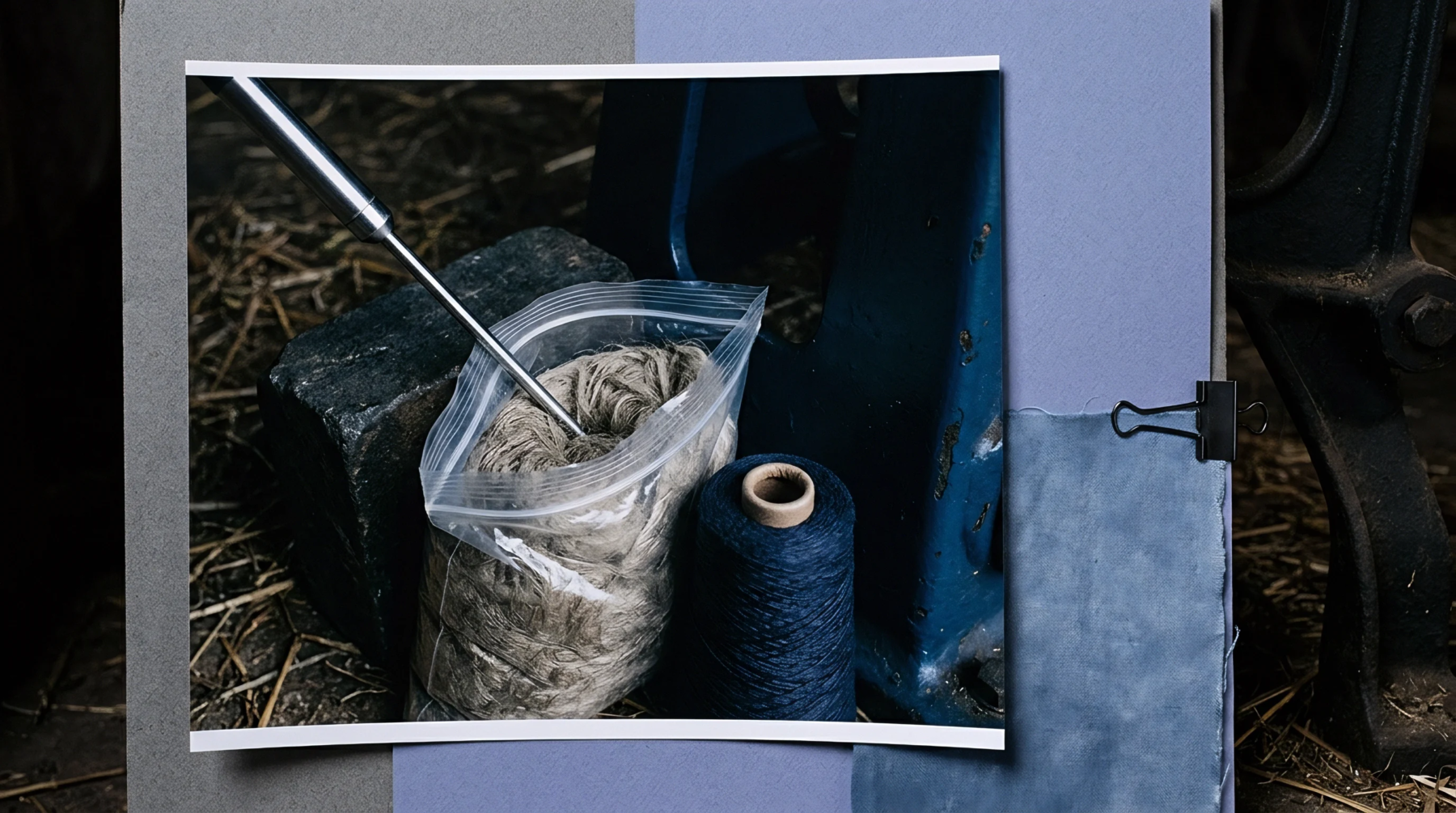
Predict differential yarn slippage in loose greige flax by calculating normal crossover forces from crimp imbalance and verifying against critical shear torque.
Flax yarn stiffness forces dynamic crimp interchange during beat-up, where warp tension directly converts warp curvature into weft deflection.
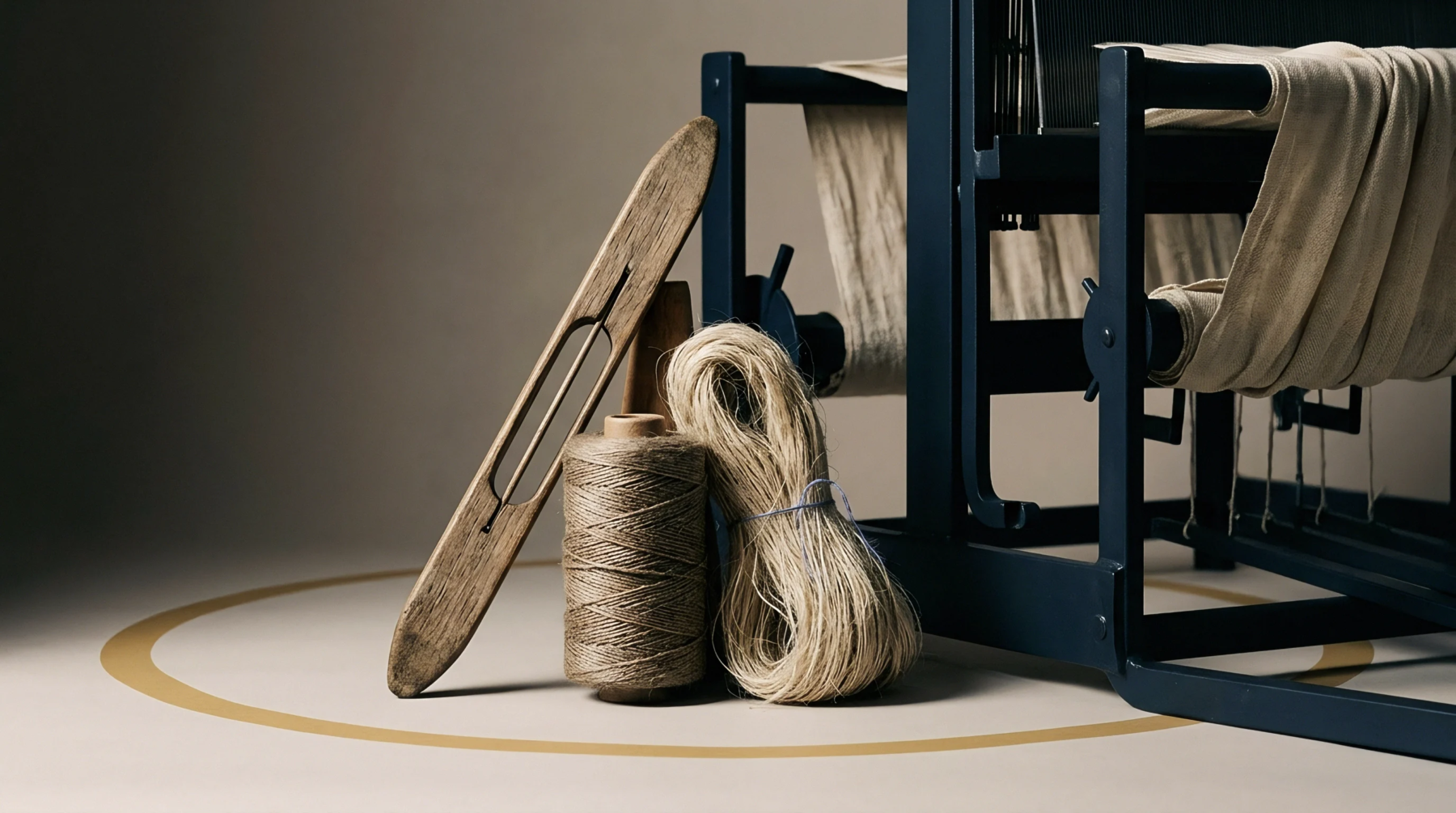
Nonlinear damping in wet spun flax yarns depends on strain rate amplitude, pectin shear, and fiber alignment, dictating dynamic warp tension limits.
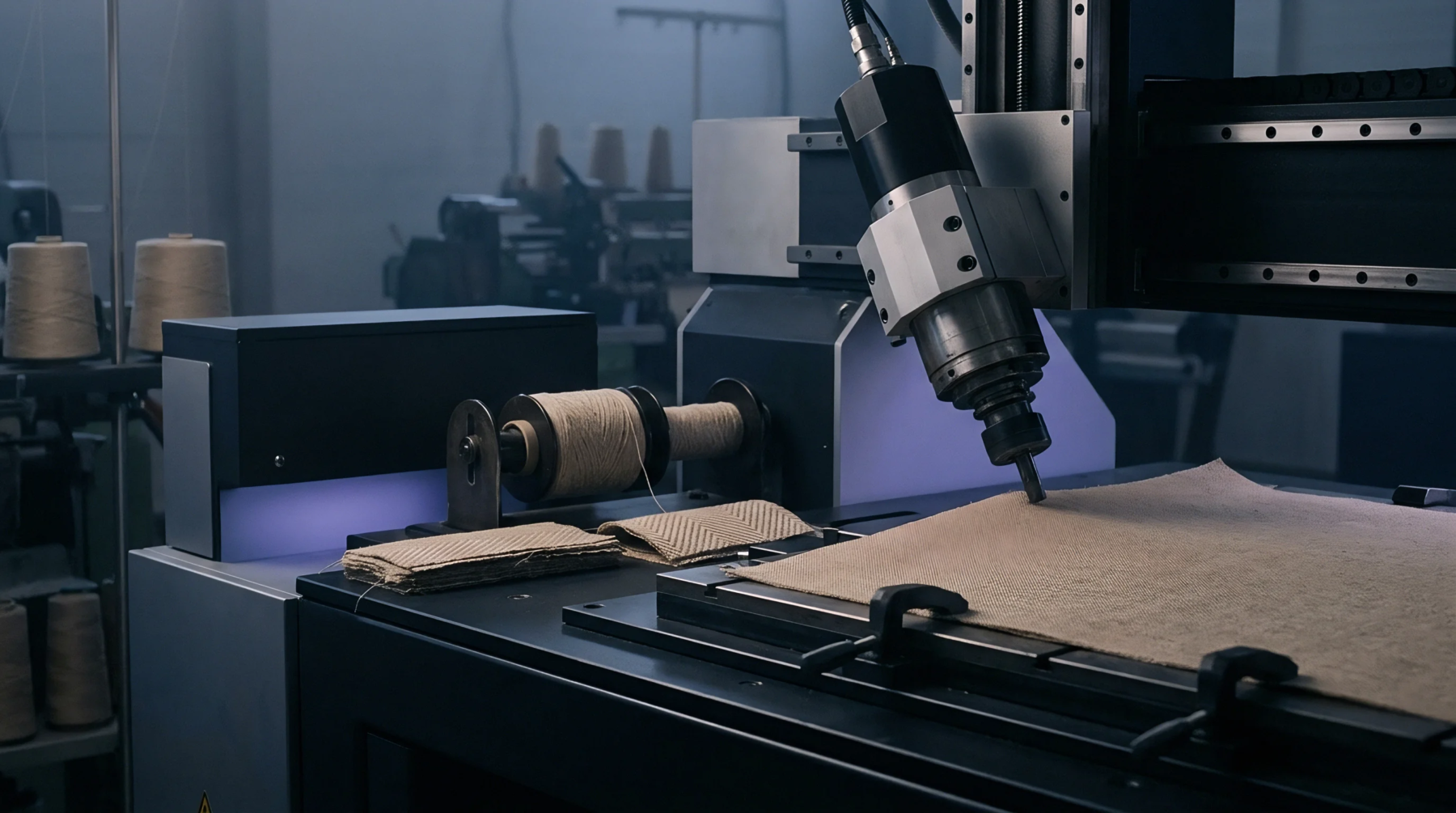
Dynamic acoustic wave velocity metrics predict high-speed weft break frequencies in wet-spun flax by identifying localized stress wave superposition points.

Determining PVA pick up on flax requires correcting hot-water gravimetric mass loss for non-cellulosic extractables or using iodine spectrophotometry at 670 nm.

Dynamic speed compensation profiles match loom load curves to flax moisture regain, preventing tension spikes during high density beat-up.

Maintaining precise electronic let off tension and backrest dampening on high density linen warps prevents yarn breakage and eliminates reed marks.

Fine linen jacquard shedding demands minimizing shed lift height to prevent flax end breaks while maintaining spring return force above friction threshold.

Maintaining single end linen tenacity variation below fourteen percent prevents excessive warp end breakage during high speed loom shedding cycles.
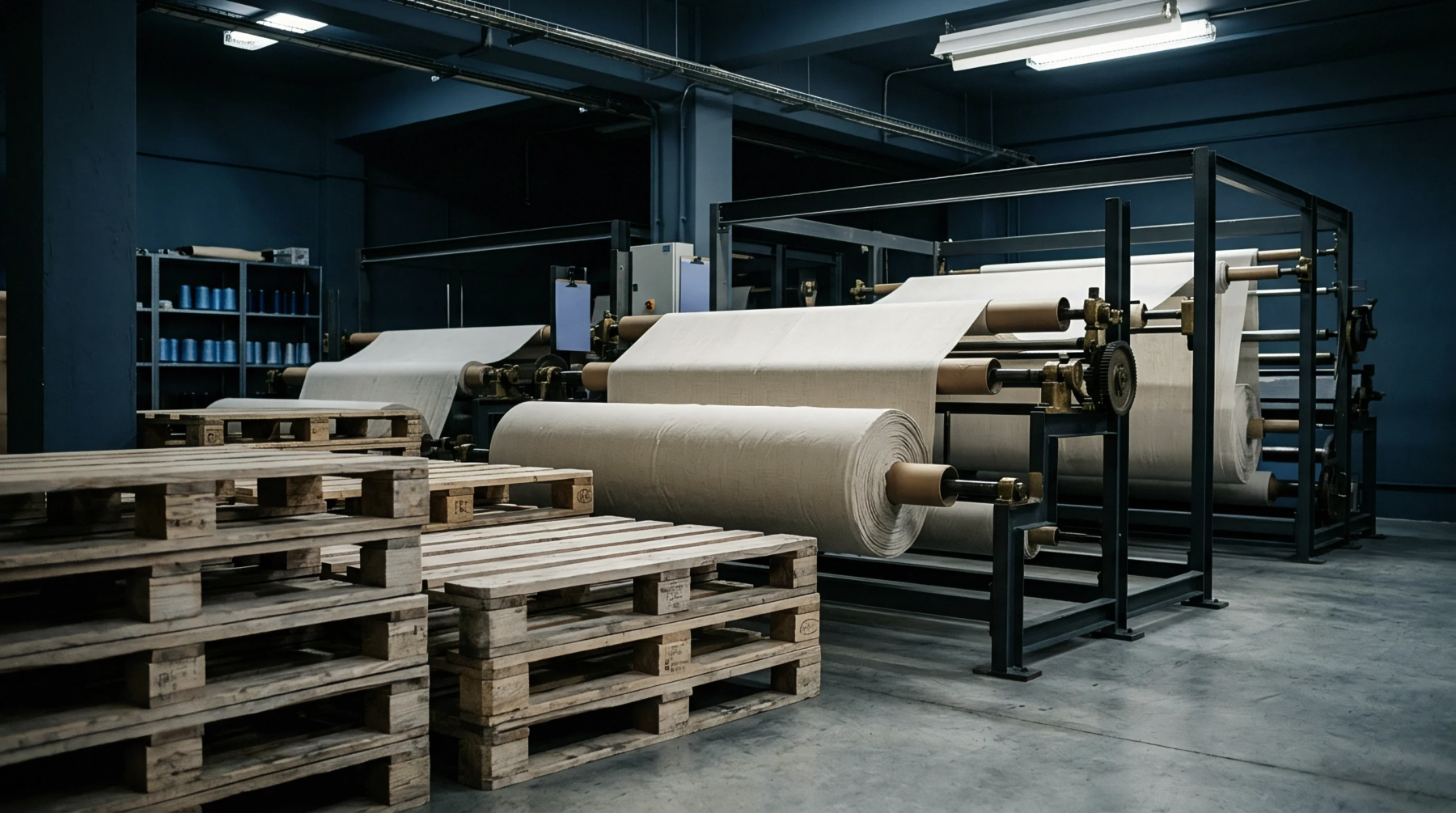
Predicting deformation limits in saturated heavy linen under tension demands calculating fiber lateral swell, warp crimp interchange, and primary cell creep.

Coarse linen structural performance depends on controlling asymmetric yarn crimp interchange caused by high flax flexural rigidity under beat-up tension.
Expertise is a utility, not a secret. sentiention™ publishes its working knowledge as open reference: intelligence layer covering the materials it sources, the markets it enters, and the reference that serves both.