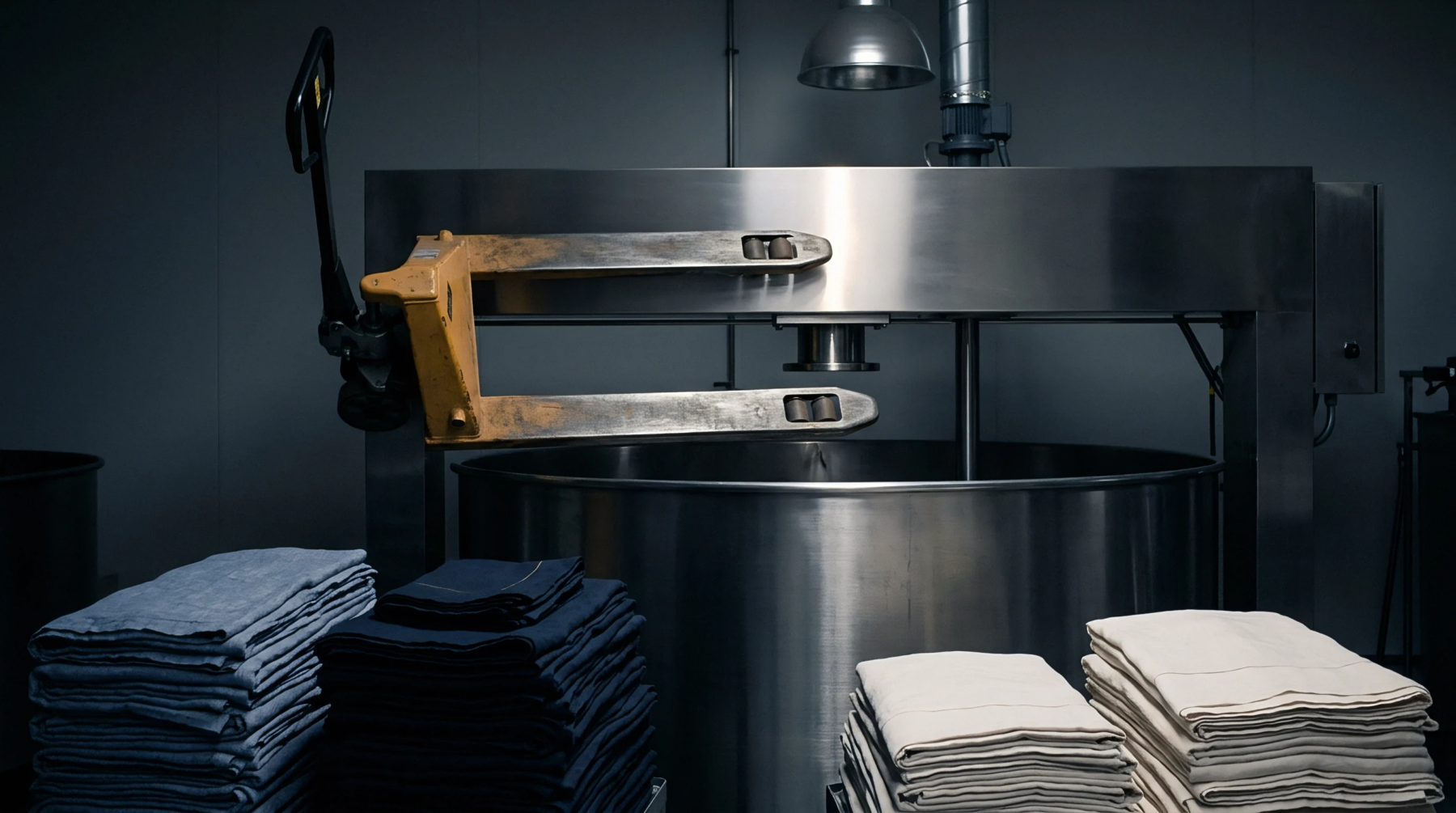
Fabric Finish
Textile manufacturing protocols require specific processing of cloth borders to prevent fraying and ensure structural integrity during downstream use. Hemmed edges represent a folded and stitched margin applied to woven linen panels once the fabric leaves the loom. This procedure stops the raw warp and weft fibres from detaching at the perimeter.
Standardization of this technique occurs at the finishing house where high-speed machines perform the folding and lock-stitching sequence. Quality inspectors verify that the tension remains consistent across the full length of the fold to prevent puckering or uneven weight distribution. Final documentation records the width of the hem and the density of the thread used to secure the material against mechanical stress during transport.
Measurement Protocol
Precision in textile quality control relies on evaluating the distance between the needle line and the terminal point of the cloth fold. Technicians measure these hemmed edges against buyer-mandated tolerances to guarantee alignment with specified product blueprints. Discrepancies between the intended hem width and the actual output indicate a failure in the tensioning hardware or an incorrect feeding angle into the sewing station.
Such measurements appear in the production audit log alongside fibre tensile strength data and weave density readings. Consistent adherence to these dimensions allows for the successful integration of linen components into finished consumer goods without the risk of dimensional instability.
Trade Specification
Procurement contracts for bulk linen shipments define the acceptable configuration of cloth borders to manage downstream risk. The presence of hemmed edges on incoming rolls often distinguishes pre-processed components from raw yardage intended for secondary conversion. Buyers establish these standards to minimize the requirement for onsite trimming or additional labour before product assembly occurs.
Mills that lack the capability to perform this task according to export standards frequently find their goods downgraded during the receiving inspection phase. Precise border management ensures the long-term durability of the linen when exposed to repeated mechanical washing cycles.