
Linen Greige Fabric Origin Verification across Processing Facilities
Greige linen origin requires batch-level transaction certificates, strict weaving shed mass balance logs, and adherence to customs substantial transformation laws.
Greige linen origin requires batch-level transaction certificates, strict weaving shed mass balance logs, and adherence to customs substantial transformation laws.

X-ray diffraction measures cellulose microfibril dispersion in scutched line flax to predict hackling yield and wet-spinning end breakage rates.

Non-linear shear slippage requires heating middle lamellae above 65 C to lower yield stress, preventing elementary fibre rupture and controlling mass CV%.

Laboratory oven desiccation at 105°C ± 2°C determines anhydrous mass to calculate commercial billing weight based on official 12.0% moisture regain allowances.

Reconciling chemical rove loss rates against effluent dissolved solids prevents spinners from disguising uncertified fibre substitution in linen mass balances.

Reconciling mill mass balances against transaction documents requires deducting mechanical tow, moisture variations, and chemical loss from raw intake weights.

Hand comb sorters yield precise staple distribution curves, establishing upper quartile length to fix spinning frame ratch gaps and predict yarn yield.

Dielectric core probes overstate high-compaction flax moisture by up to two percent due to density effects, requiring oven desiccation to prevent invoice error.

Oven-drying reports adjust invoice totals by establishing true dry mass and applying standard 12 percent regain, preventing payment for absorbed transport water.

Spectrophotometric galacturonic acid assay sets an objective retting ceiling at 1.4% dry weight, securing 50%+ line yield and high-count wet-spinning stability.

Reconciling trade entry fiber origin claims requires verifying batch-level scutching manifests, bale serial tags, and physical spinning mass balances against customs filings.
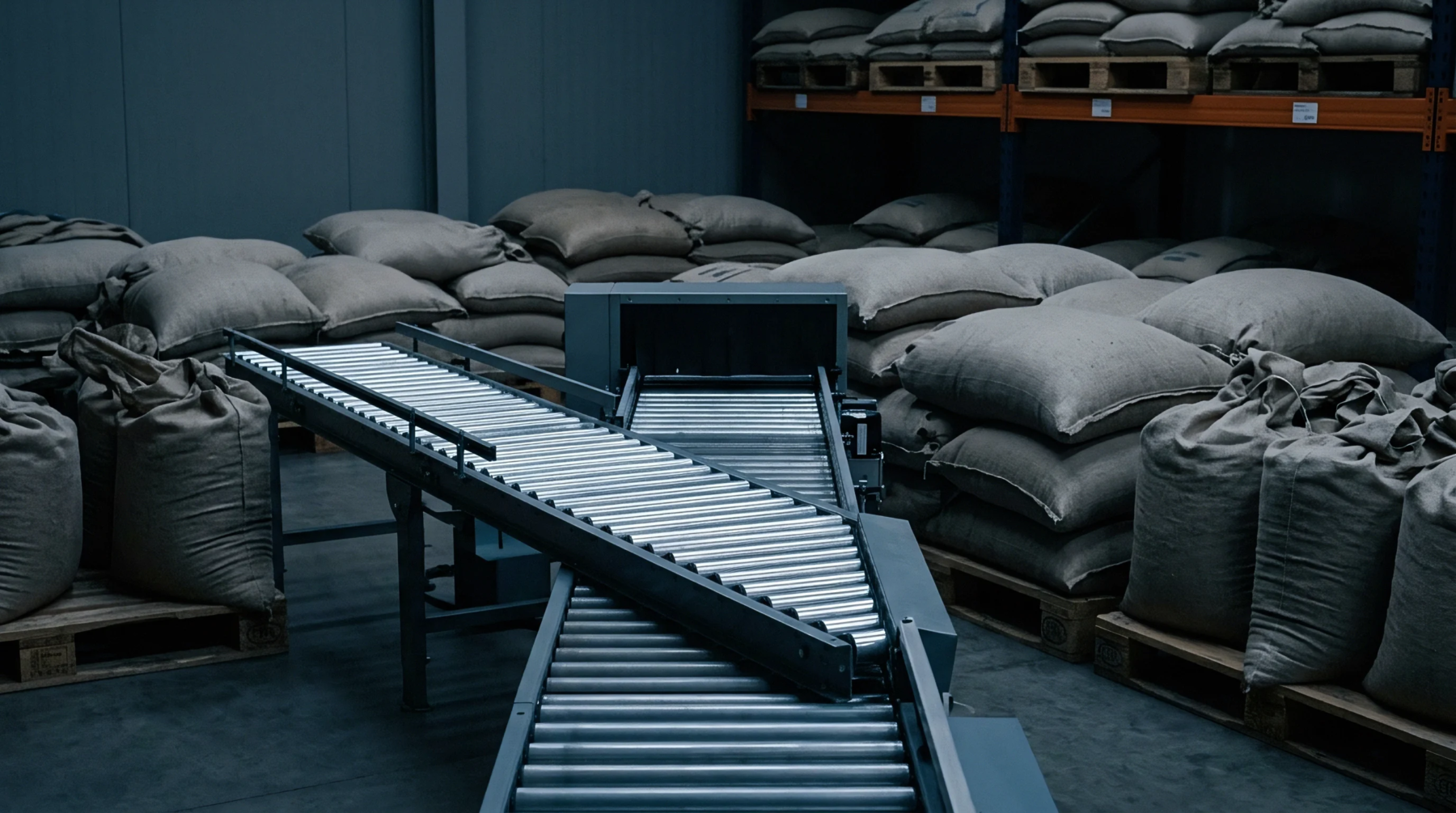
High-speed bast permeametry overestimates metric fineness unless corrected for wall slip and expansion chilling across irregular polygonal bundles.

Verify certified flax wet spinning yields by measuring dry mass balances across hackling, autoclave scouring, and trough flumes to catch volume inflation.

Auditing overseas linen spinning ledgers demands reconciling core bone-dry fiber weights against machine waste logs to eliminate phantom mass balance credits.

Deduct isolated shive mass from cut-length bundle specimens using precision sieving to prevent false linear density coarsening in wet-spinning fineness grades.
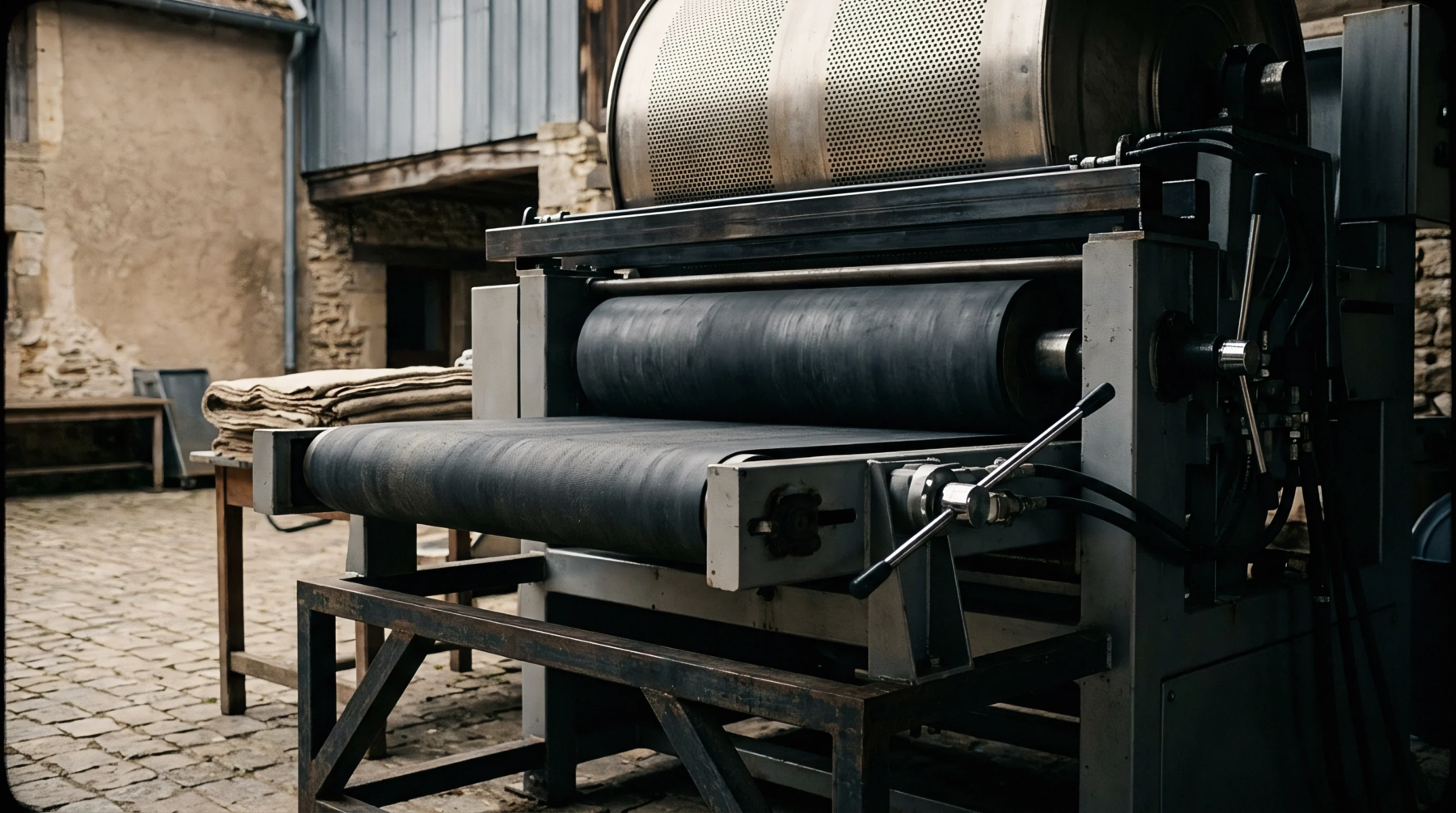
Landed weight adjustments convert raw weighbridge bale mass to certified dry cellulose plus twelve percent commercial regain to settle cross border flax invoices.

Selecting scutched line flax for high-count wet spinning requires sub-2.2 tex bundle fineness, Pressley tenacity above 6.8, and 12% moisture regain verification.

Verify European Flax scutched line through scope certificates, lot-matched transaction certificates, and rigorous hackling-to-spinning mass balance audits.
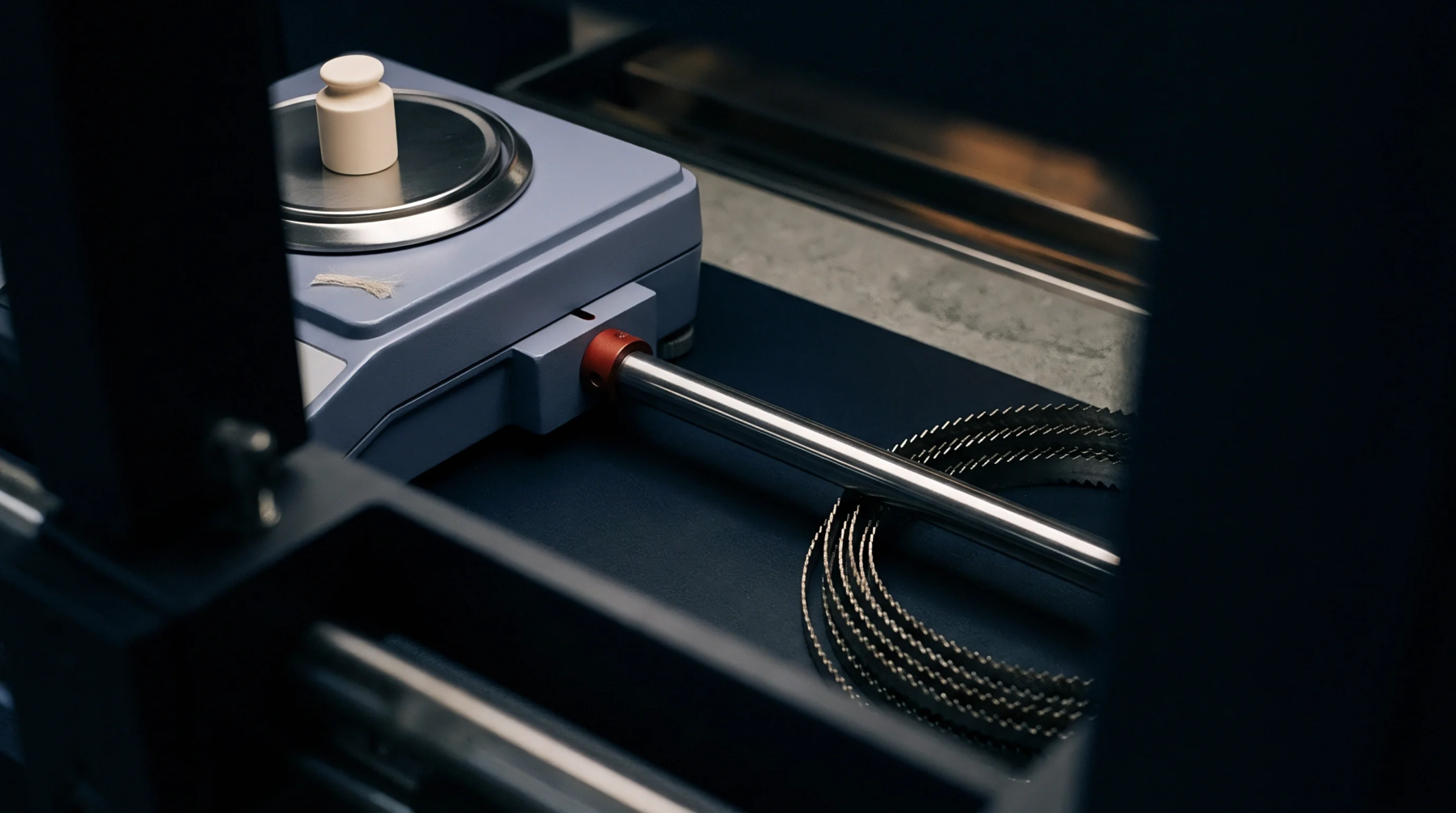
Optical projection overestimates non-circular bast fibre diameter by projecting major axes; ISO 2370 gravimetric factor calibration restores metric accuracy.
Core oven drying per ISO 6741 fixes official commercial mass at 12.00% regain, protecting import margins against ocean freight transit moisture gain.

Core sampling imported bast fibre bales for ISO 6741 oven-dry mass adjustments corrects valuation entries and prevents duty overpayment on water weight.

Auditing scutched flax mass balances requires converting gross delivery weights into oven-dry mass adjusted to the standard twelve percent commercial regain.

Isothermal volatilization modeling isolates water desorption from organic loss, preventing dry flax mass overestimation during gravimetric regain testing.

Gravimetric oven drying at 105°C establishes bone-dry mass, allowing conversion from wet moisture content to 12% standard regain for commercial mass adjustments.
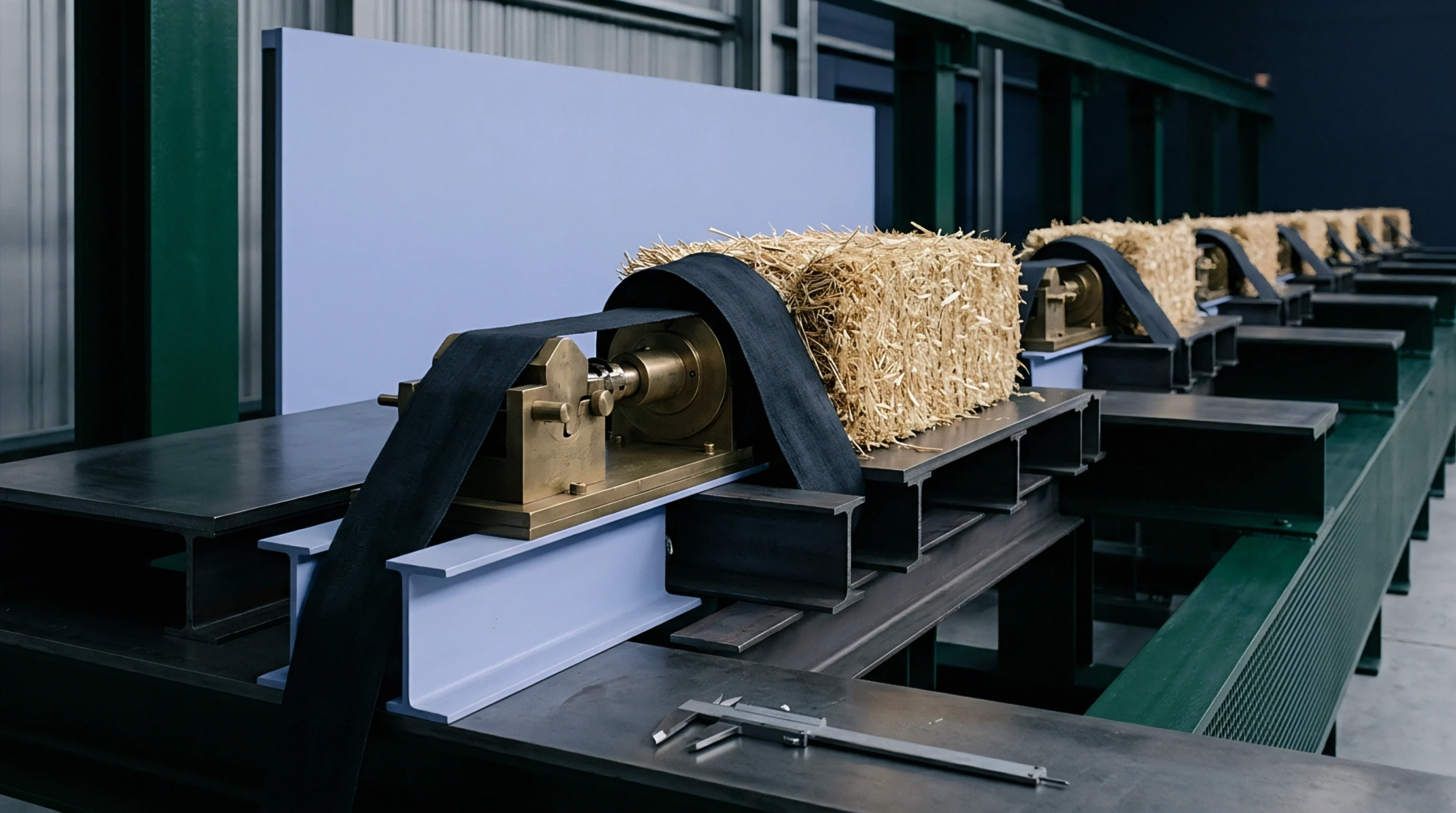
Dew retted line flax hackling yield determines long line fiber recovery, tow ratios, and yarn production costs through precise fineness and strength testing.

European Flax verification for Asian spinning mills demands matching annual facility scope certificates with lot transaction certificates and dry mass balance ledgers.
Expertise is a utility, not a secret. sentiention™ publishes its working knowledge as open reference: intelligence layer covering the materials it sources, the markets it enters, and the reference that serves both.