Protrusion Count
Optical yarn testing parameters count the number of protruding fibre ends exceeding three millimeters in length per meter of spun yarn. In linen yarn quality testing laboratories, the s3 hairiness value quantifies long surface fuzz that contributes to warp entanglement during high-speed loom operation. Digital testing instruments generate statistical reports displaying this metric alongside total hairiness index values.
Test results are recorded on mill yarn quality certificates attached to yarn packages and export pallets.
Entanglement Friction
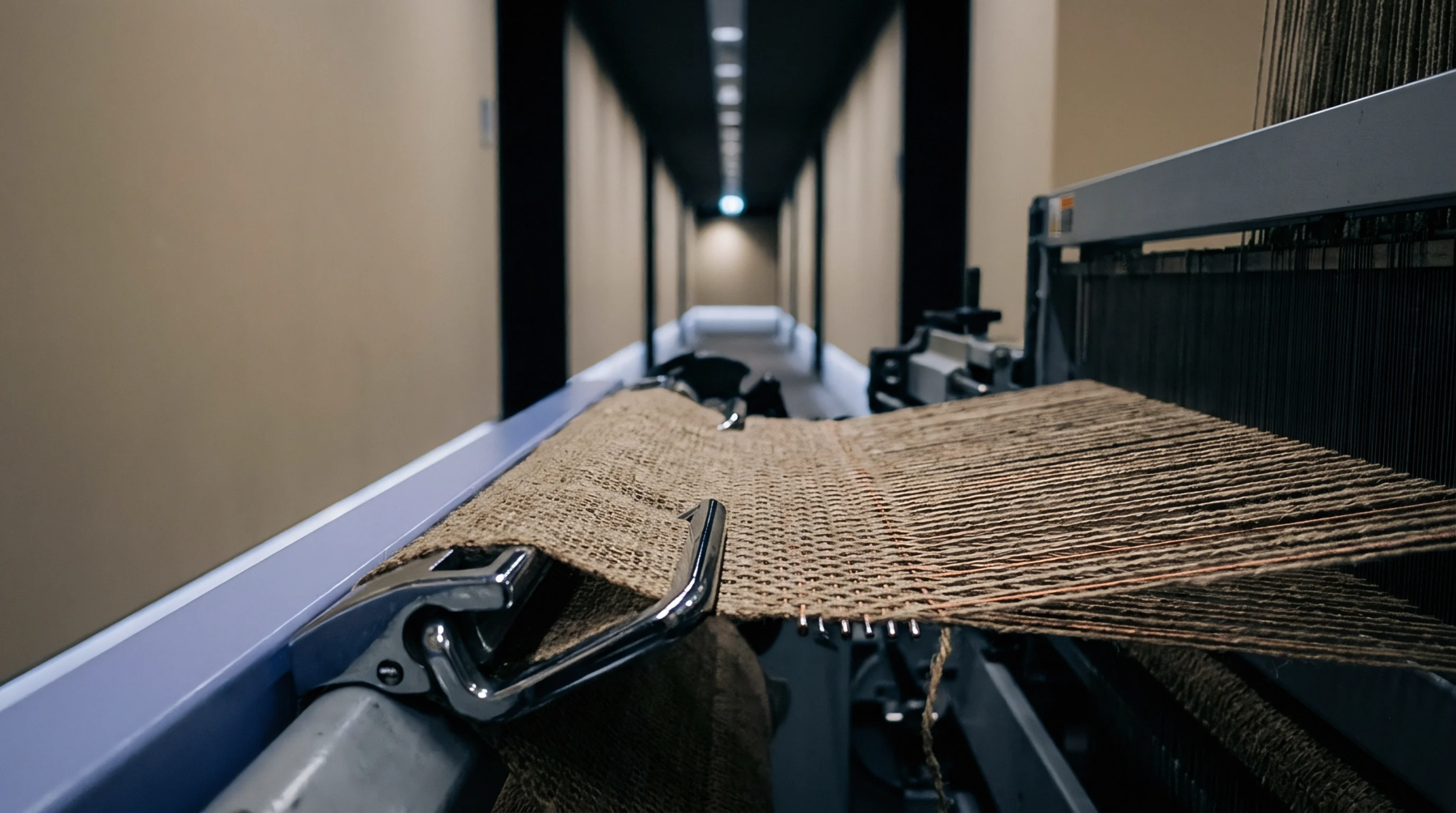
Protruding fibre ends longer than three millimeters entangle adjacent warp yarns in the loom harness, preventing clean shed separation. Stiff flax ultimate fibres sticking out from the yarn core create high frictional drag against reed wires and heald eyes, leading to warp breaks and filling stops. High protrusion counts force loom plants to apply heavier sizing pick-up rates or lower production speeds to avoid fabric defects.
Sizing formulations containing polyvinyl alcohol or starch bind protruding fibres to the main yarn body, reducing friction during reed movement.
Acceptance Threshold
Yarn sales contracts specify maximum permissible long-fibre hairiness counts based on metric yarn count and end-use requirements. Quality assurance laboratories perform photoelectric hairiness scans on representative bobbin samples from every spinning frame batch. Certificates of analysis compare measured hairiness values against buyer specification sheets to determine batch acceptance for air-jet fabric production.