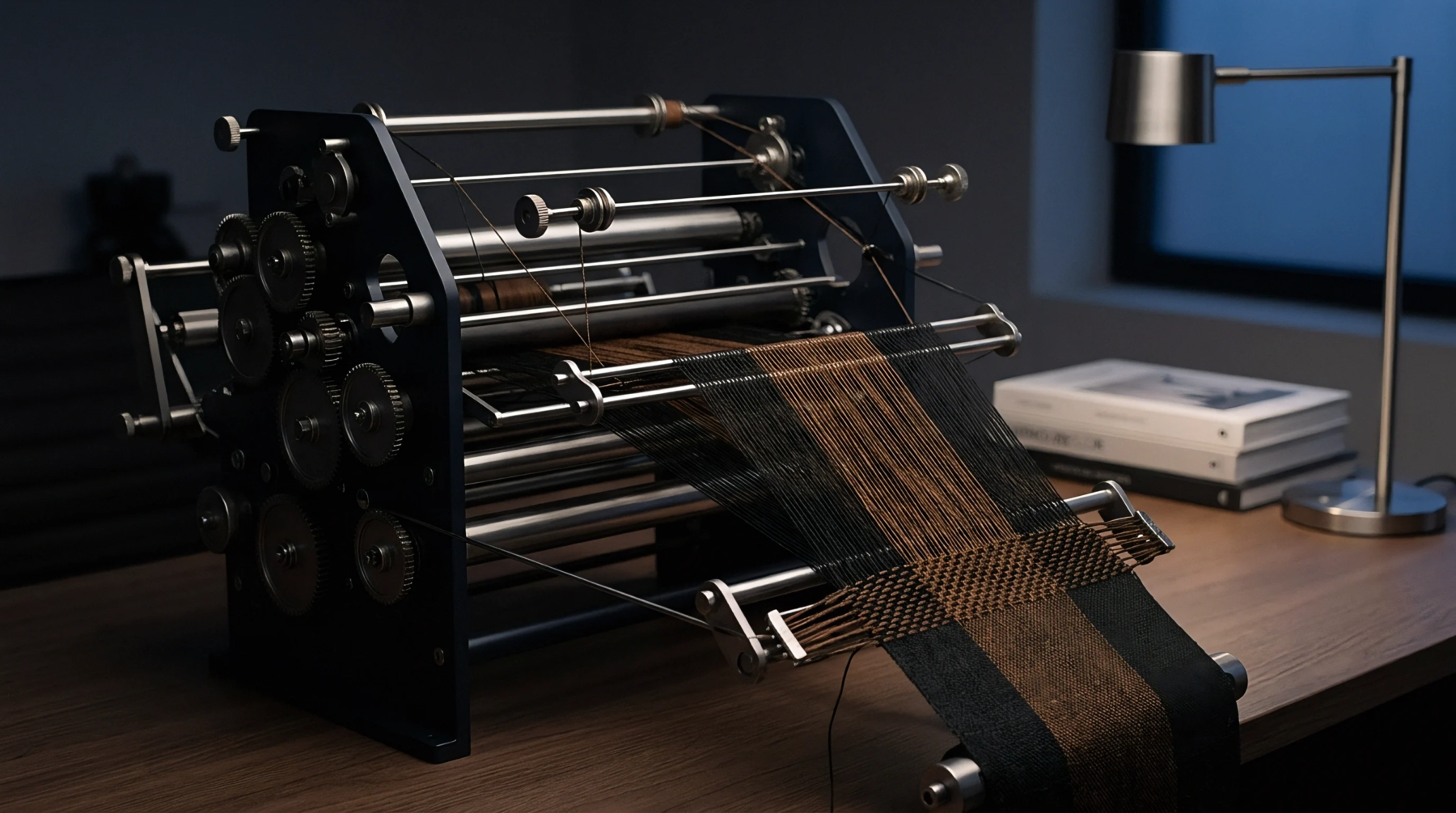
Characterizing Viscoelastic Size Film Fracture Dynamics under High Frequency Air Jet Shedding Stresses
Viscoelastic size film failure under high frequency air jet shedding stems from dynamic glass transition shift and energy dissipation limits.
Viscoelastic size film failure under high frequency air jet shedding stems from dynamic glass transition shift and energy dissipation limits.

Scouring linen increases GSM despite mass loss because wet viscoelastic crimp interchange condenses thread count faster than non-cellulosic extraction lightens yarn.

Deriving greige linen count requires dividing target finished linear density by chemical yield and adjusting for warp crimp, reed spread, and sizing loss.
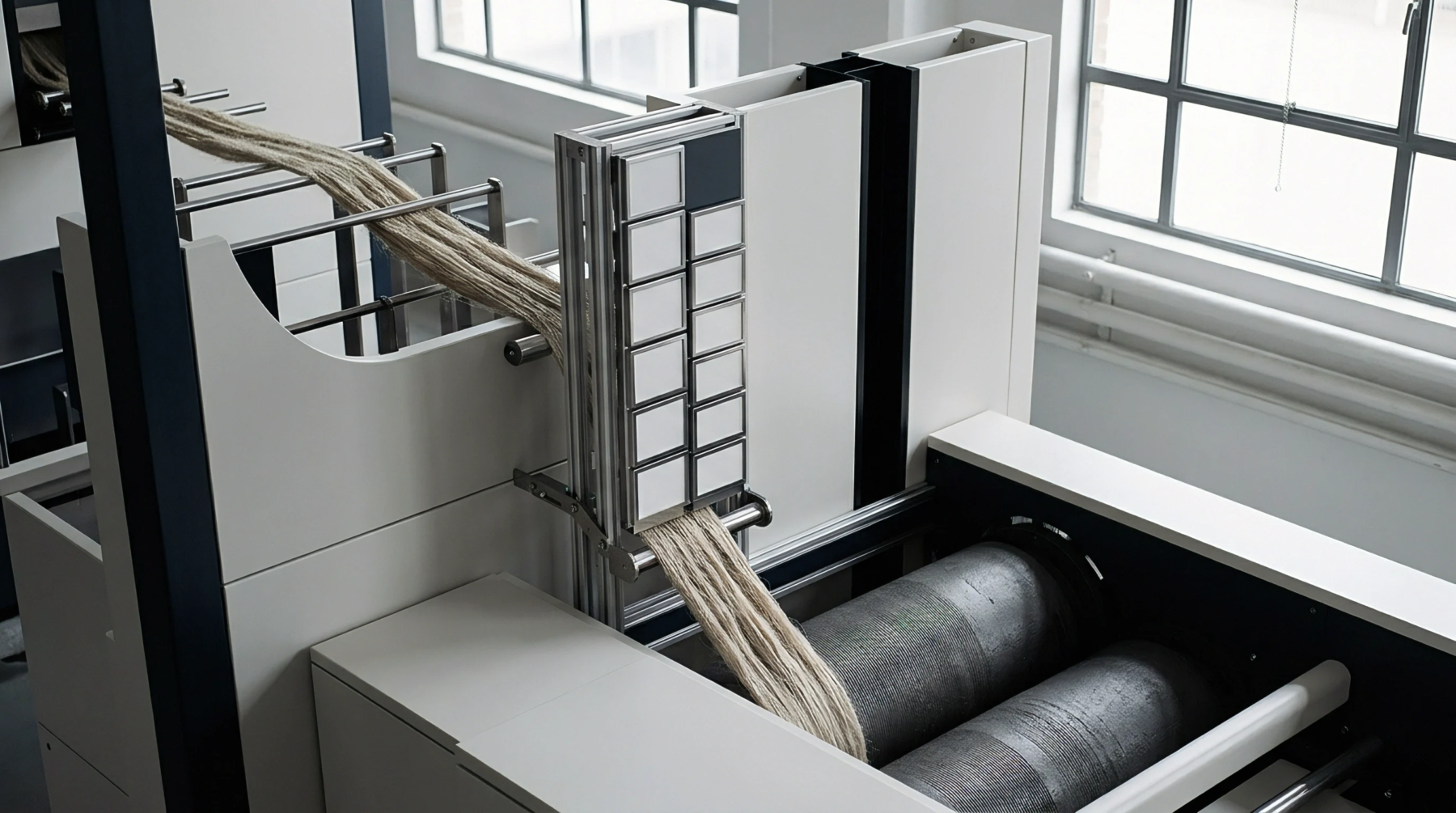
Adjusting weaver loom allocations based on high-density flax warp end-break rates maximizes loom-hour output and prevents stop-mark quality losses.

Warp take up ratio in grey plain weave determines true yarn length from cloth length, calculated via thread density, diameter, and crimp geometry.
Seasonal Chinese loom allocation demands mapping construction pick counts into hourly machine costs to secure capacity before Q3 peak congestion.

Scouring raw flax reduces mass by 9-12% while yarn crimp increases fabric density, requiring exact reed width allowances to reach finished weight target.

Jacquard repeat limits scale with hook count and warp density, where systematic harness casting-out maintains uniform cord pull angles across the comber board.

Managing off-loom flax warp crimp contraction requires precise reed denting allowances, ELO tension tuning, and size solubility control to hit target grey widths.

Reconciling linen weight requires balancing chemical extraction losses against warp crimp contraction to hit target finished areal mass and dimensional stability.

Electronic card fees cover digital hook mapping while loom hour output surcharges adjust metre costs for reduced insertion speed and lower shed efficiency.

Standardized testing of flexural hysteresis and crimp balance isolates structural yarn friction, securing dimensional stability and reducing garment scrap.

Reed width contraction and warp crimp take-up in linen weaving require dynamic adjustment of loom tension and denting space to offset flax inelasticity.
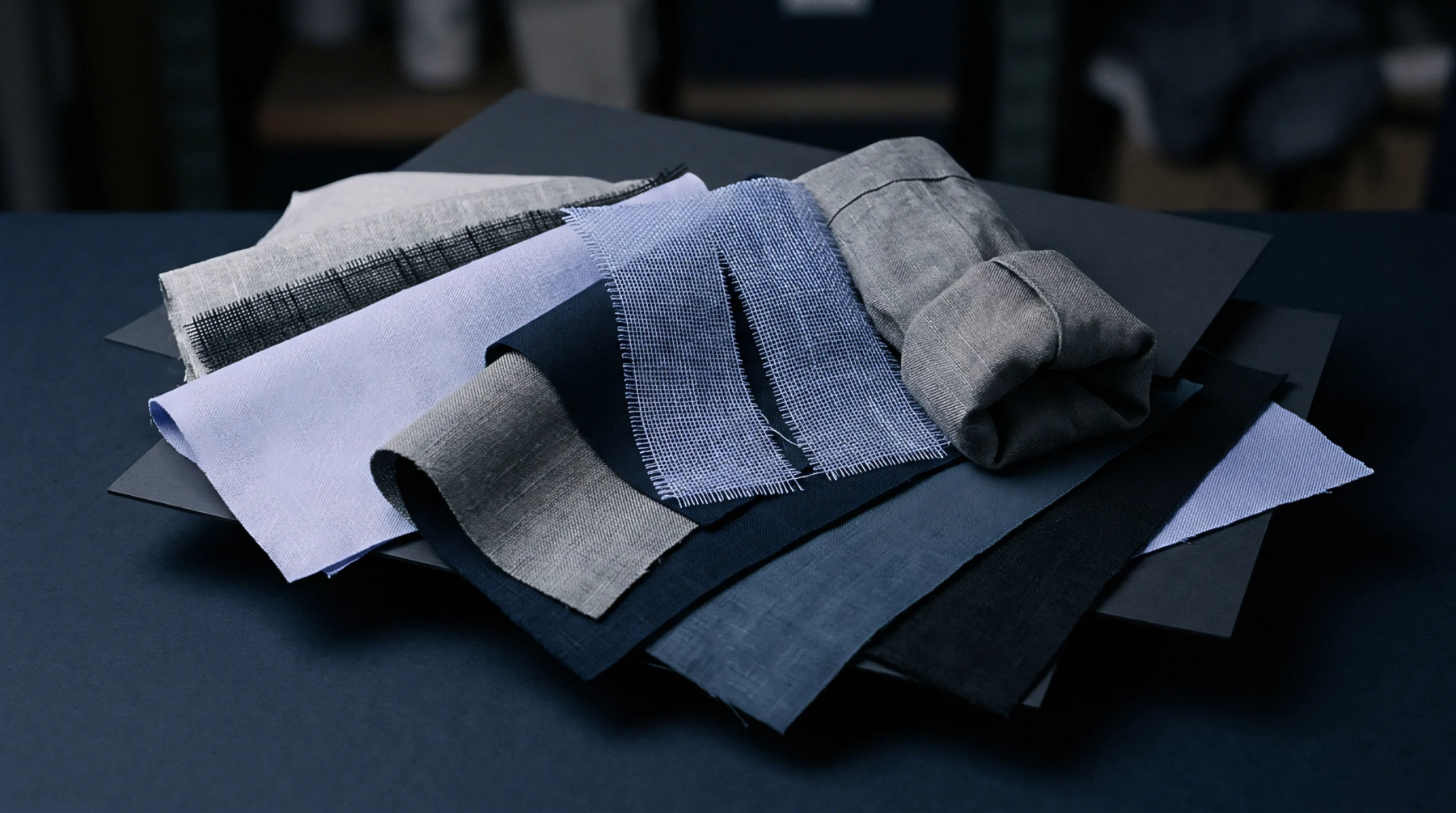
Landed linen costing requires dividing greige linear price by the net length yield factor while netting out chemical scouring mass loss from gross roll weight.

Reconciling warp crimp and waste factors prevents yarn budget deficits by capturing cumulative process losses across landed fabric cost models.
Calculating real landed fabric cost requires dividing hourly loom shed rates by efficiency-adjusted yield and adding verified yarn loss, finishing shrinkage, and freight.

Target linen weight equals yarn tex multiplied by thread density, adjusted for warp size, crimp, wet process mass loss, and area shrinkage factors.
Expertise is a utility, not a secret. sentiention™ publishes its working knowledge as open reference: intelligence layer covering the materials it sources, the markets it enters, and the reference that serves both.