Shed Duration
The period of the loom cycle during which the warp sheets remain fully open and stationary determines the available window for weft insertion. Selecting the appropriate dwell angle allows the yarn carrier to pass through the shed without contacting the moving warp sheets. This duration is measured in degrees of main-shaft rotation, representing the static phase of the shedding mechanism.
Loom tuners set this angle according to the width of the fabric and the speed of the weft insertion system.
Yarn Stress
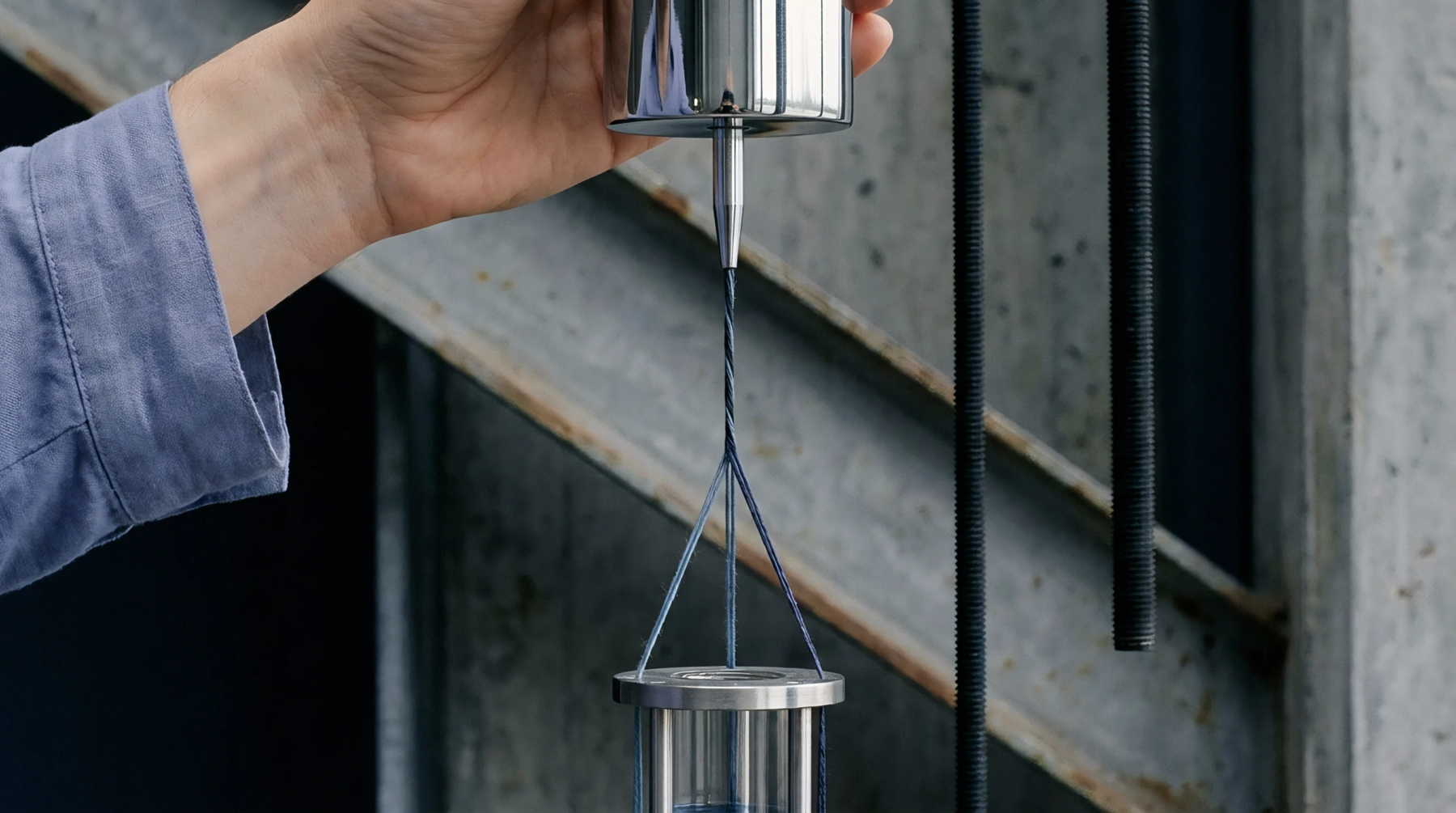
A wider angle provides a safer insertion window but increases the time that warp yarns remain under high tension at the limit of their elongation. If the dwell angle is too large, the flax yarns undergo prolonged tensile strain, which can trigger yarn fatigue and breakages. Conversely, a narrow angle reduces the tension window but risks a collision between the rapier and the closing warp yarns.
Finding the correct balance is critical for maintaining high weaving efficiency on high-speed rapier looms in linen mills, with the chosen setting recorded in the loom mechanical log for each specific yarn count.
Weaving Performance
Modern electronic shedding systems allow precise adjustment of the dwell phase to optimize production speeds for different fabric styles. This flexibility is recorded in the loom setup profile for each linen style. Operators verify this parameter to prevent premature wear on the heddle frames.