
Reconciling Moisture Regain Calculations in Customs Tariff Subheading Audits
Reconciling moisture regain requires adding statutory commercial regain percentages to oven-dry laboratory fiber masses to prevent blend ratio tariff reclassification.
Reconciling moisture regain requires adding statutory commercial regain percentages to oven-dry laboratory fiber masses to prevent blend ratio tariff reclassification.

Customs origin audits assess back duties, compound interest, and negligence penalties by recalculating non-preferential rates across open five-year windows.

Tariff shift for linen requires verifying mechanical transformation at each HS heading, from raw fiber to spun yarn and woven cloth, backed by lot-level mill logs.
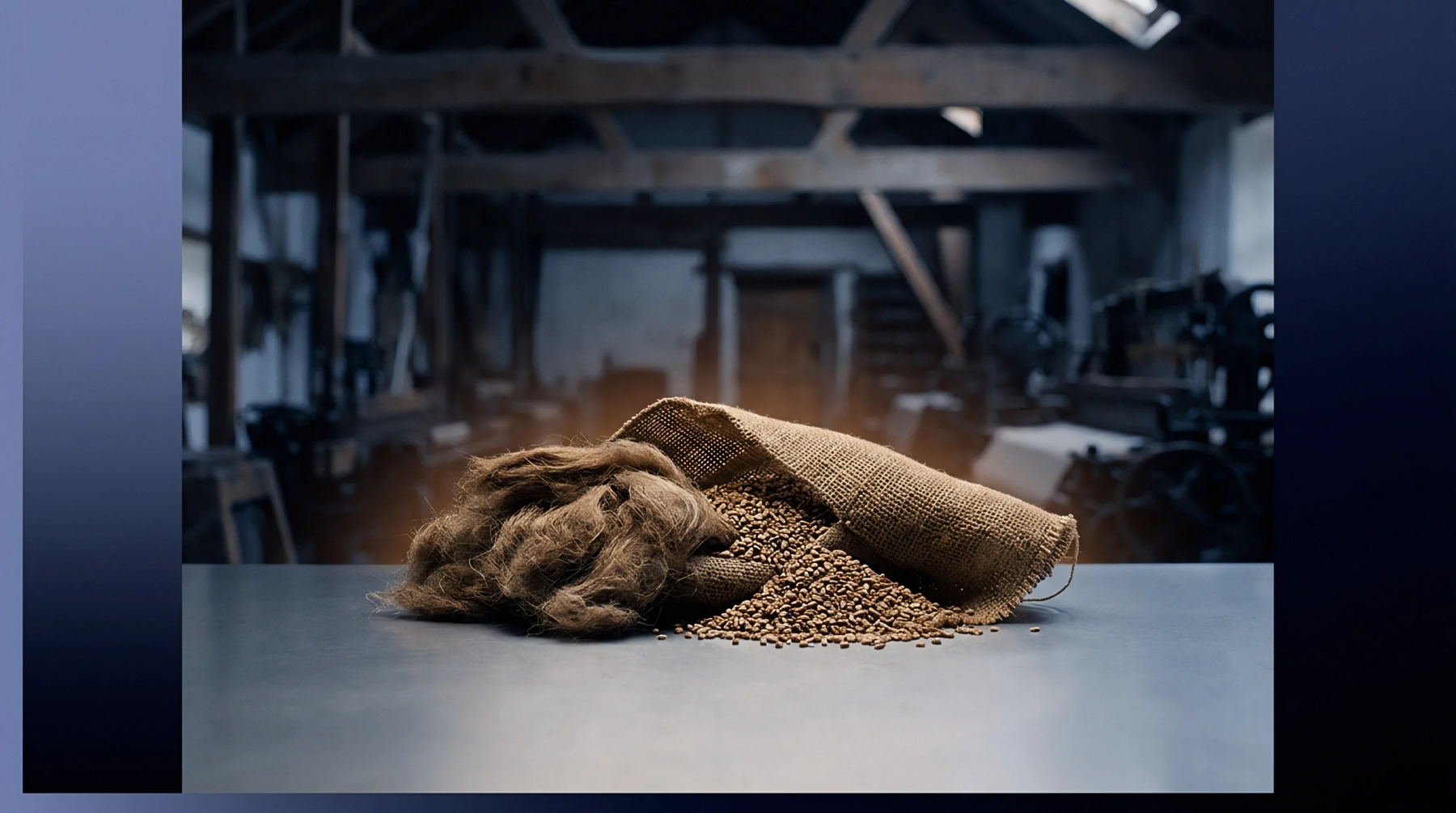
Proving substantial transformation in cross-border linen finishing requires matching chemical mill execution dockets to exact HS tariff shift rules.

Non-preferential origin for woven linen textiles is conferred by the country of weaving rather than the country of agricultural flax fibre cultivation.

Verify scutching yield metrics and fiber alignment parameters to defend Chapter 53 customs entry declarations and eliminate origin liability.

Non-preferential origin for woven linen fabric assigns strictly to the country where yarn is woven into greige cloth on industrial looms under tariff shift rules.

Mass balance credit allocations fulfill voluntary sustainability metrics but fail statutory non-preferential customs origin rules requiring physical transformation proof.
Expertise is a utility, not a secret. sentiention™ publishes its working knowledge as open reference: intelligence layer covering the materials it sources, the markets it enters, and the reference that serves both.