Chemical Purification
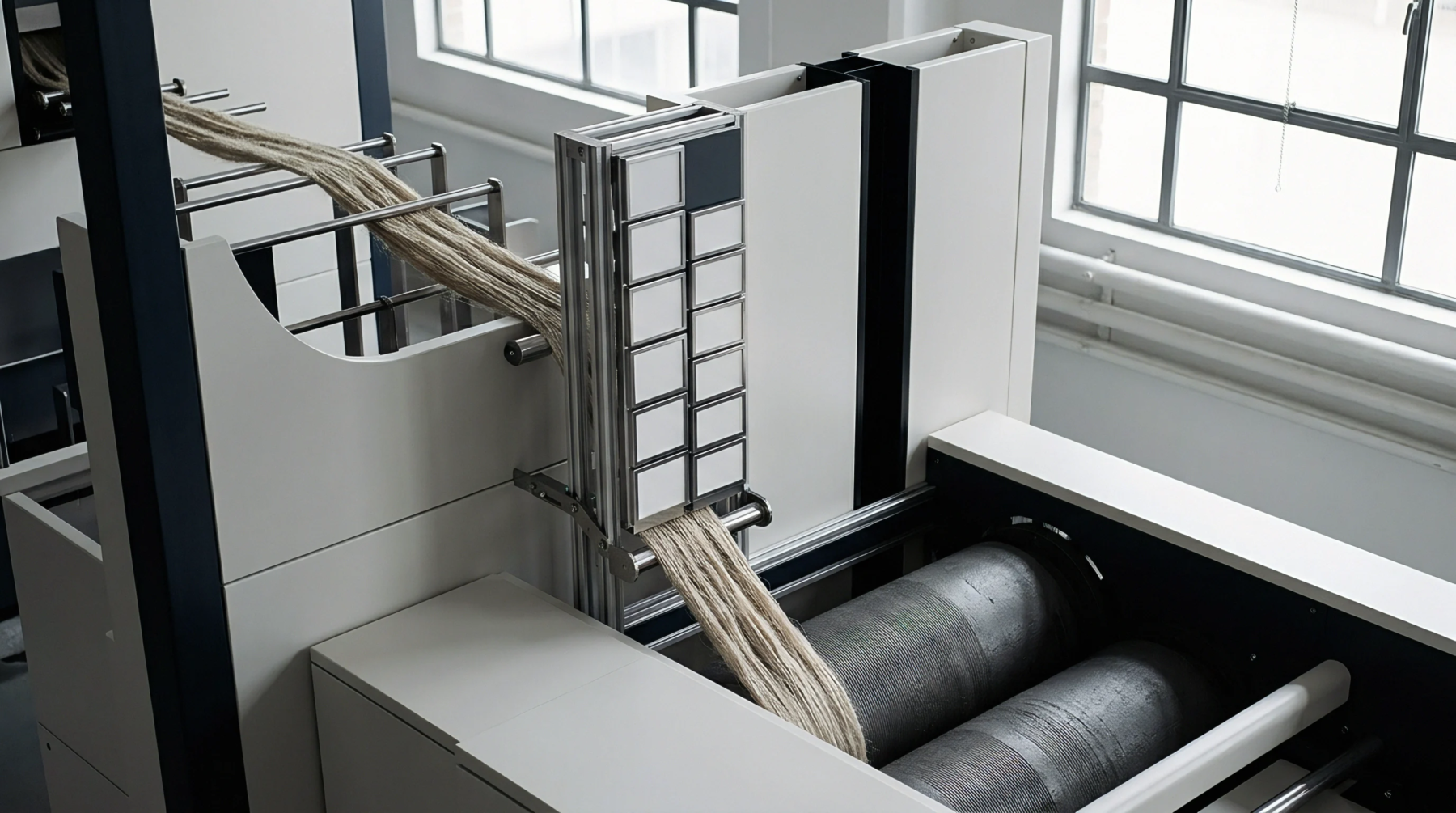
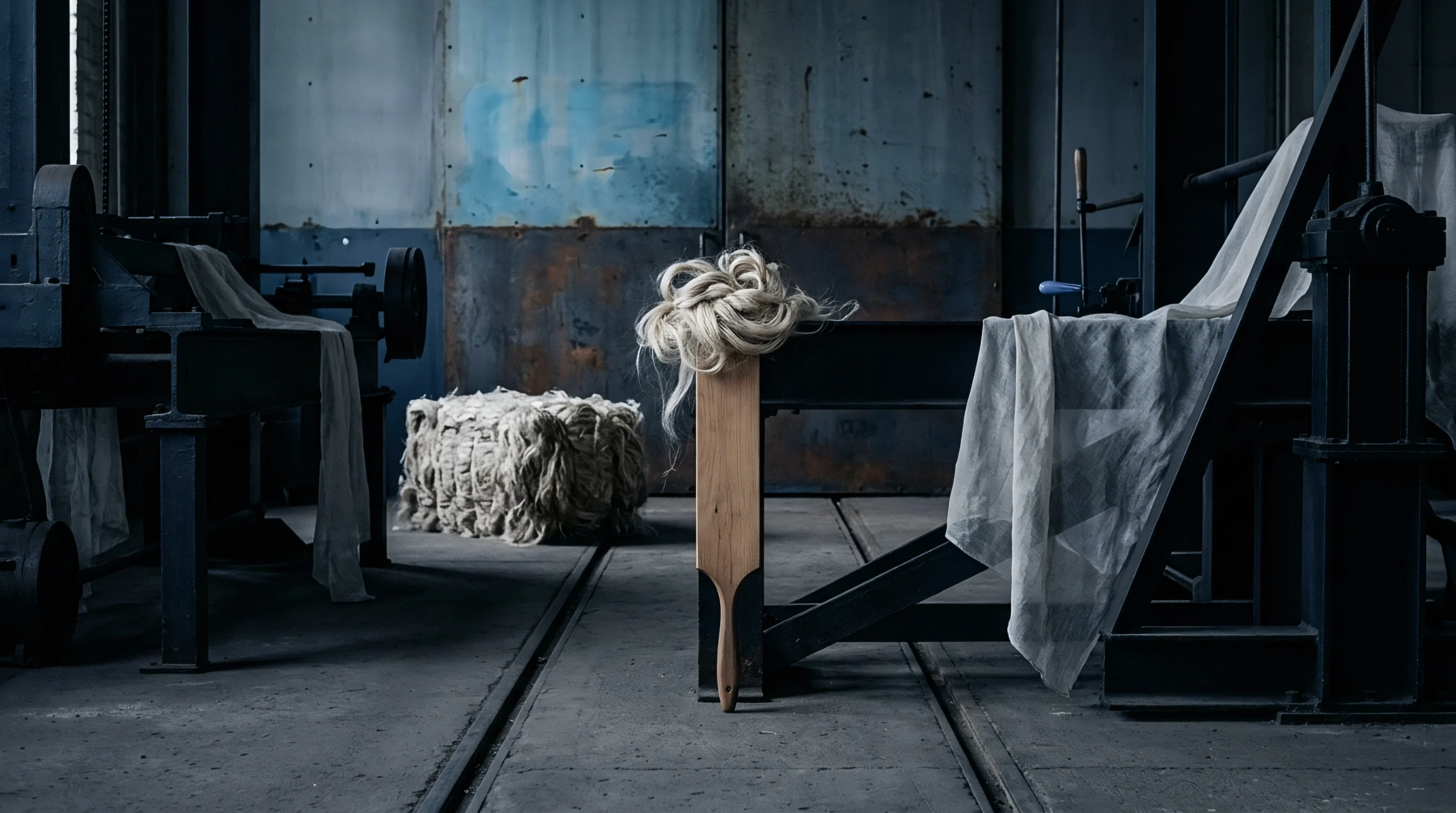
Solubilisation of pectin, hemicellulose and lignin from the raw flax bast fibre creates the purity required for fine spinning. This non-cellulosic extraction represents a chemical process where boiling with sodium hydroxide removes organic binders that inhibit drafting. Fibre that fails this step retains structural stiffness which prevents consistent yarn formation in the wet spinning frame.
Proper adjustment of the bath concentration dictates the eventual tensile strength of the processed tow.
Process Verification
Quality control protocols record the mass loss of the fibre bundle after the caustic treatment cycle. Technicians monitor the moisture regain and residual alkalinity to confirm that the substrate remains undamaged by the bath. A higher degree of weight reduction correlates with a decrease in the remaining impurities, provided the structural integrity of the cellulose remains intact during the reaction.
The mill documents these measurements in a batch record which stays attached to the lot until it reaches the output stage.
Quality Standard
Buyer acceptance criteria specify a maximum permissible percentage for these remaining organic solids based on the planned end application for the linen yarn. Apparel manufacturing requires lower residue levels than industrial twine production to ensure the finish remains uniform after dyeing. Suppliers submit the laboratory analysis as part of the commercial documentation package to prove the material meets the agreed upon purity threshold.
Constant monitoring of the bath temperature ensures the batch adheres to the physical specifications of the buyer.