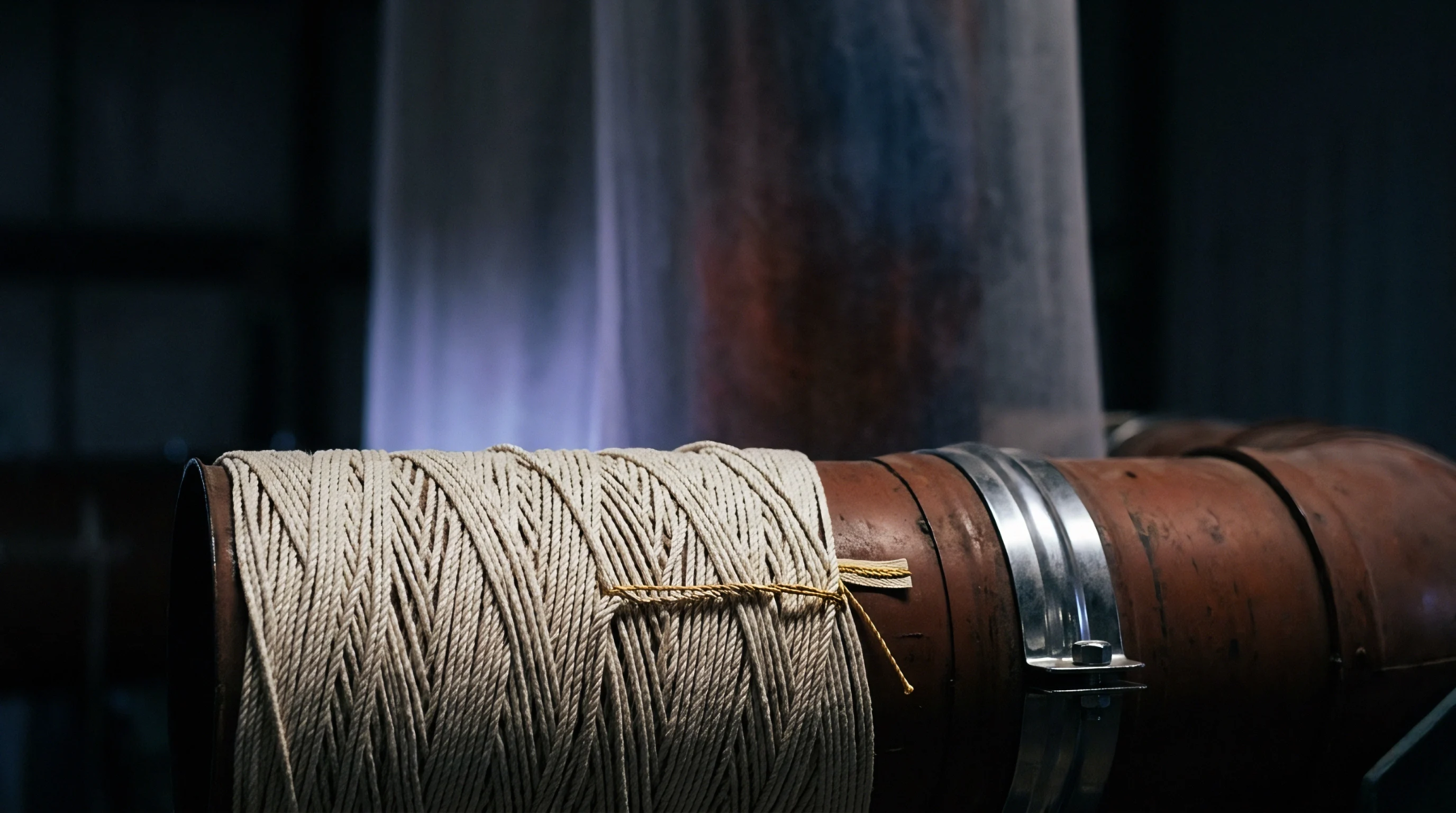
Yarn Production
Mechanised yarn fabrication utilises the shorter, coarser byproducts of the scutched flax line process to create coarse or medium yarns. Through flax tow spinning, mills process these secondary fibres by carding and combing them into a sliver before final spinning. This process turns waste into valuable yarn suitable for heavy fabrics like canvas or industrial textiles.
It requires specialized machinery to handle the shorter fibre lengths. Modern mills in China rely on these techniques to maximize the commercial utility of every bale of imported flax. By recycling these shorter fibres, spinners reduce their raw material costs.
Processing Flow
The short fibres pass through a series of drafting zones where they are drawn and twisted into a cohesive yarn structure. In flax tow spinning, the sliver must undergo wet spinning or dry spinning depending on the required yarn strength. Wet spinning produces smoother yarn by softening the pectin that binds the flax cells together.
Dry spinning creates a rougher texture that is ideal for domestic fabrics.
Product Character
Coarser yarns produced from these short fibres exhibit high durability and a rustic appearance. Because flax tow spinning handles shorter fibres, the resulting yarn has more protruding ends than line linen yarn. This character makes the yarn perfect for applications where high absorption and texture are more important than smooth strength.
It remains a key material for upholstery and home furnishings.