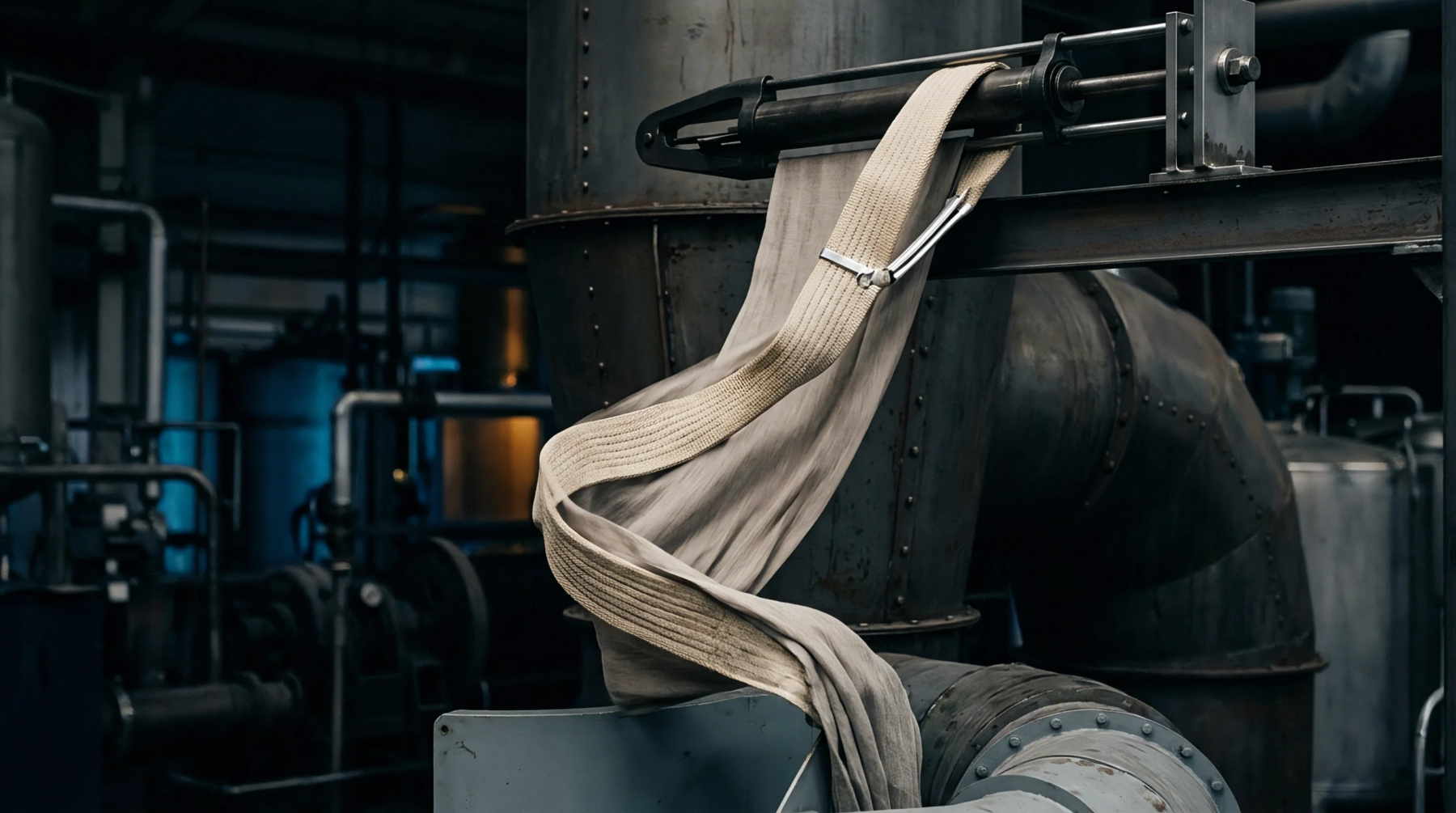
Fibre Tension
Mechanical load applied during the drawing of flax sliver governs drafting zone stress concentration within the roller assembly of a preparatory spinning frame. Tensile forces develop when paired drawing rollers rotate at differential speeds to align the elementary filaments before twist introduction. Excessive friction inside the attenuation field creates localized tearing hazards across the parallel ribbon.
Mills record these mechanical thresholds on daily production logs to prevent yarn breakage during subsequent ring spinning operations.
Roller Alignment
Precision spacing between the breaking cylinders determines the distribution of mechanical pressure exerted upon the moving flax material. Roller geometry must accommodate the variable natural length of bast fibres without crushing individual cells prematurely. Misalignment shifts the burden onto specific contact points and generates irregular attenuation throughout the strand.
Technical operators adjust these roller settings according to raw material lot specifications issued by regional supply houses.
Tensile Tolerance
Yarn integrity depends directly upon the maximum permissible pulling force that a wet-spun roving can endure before permanent structural deformation occurs. Buyer acceptance criteria establish stricter limits for tensile strength irregularity than the minimum regulatory standards enforced by local milling authorities. Excessively high drawing speeds generate immediate physical defects that disqualify the finished yarn from premium weaving markets.
Final quality certification documents confirm compliance with these strict mechanical limits prior to export dispatch.