Positioning Frame
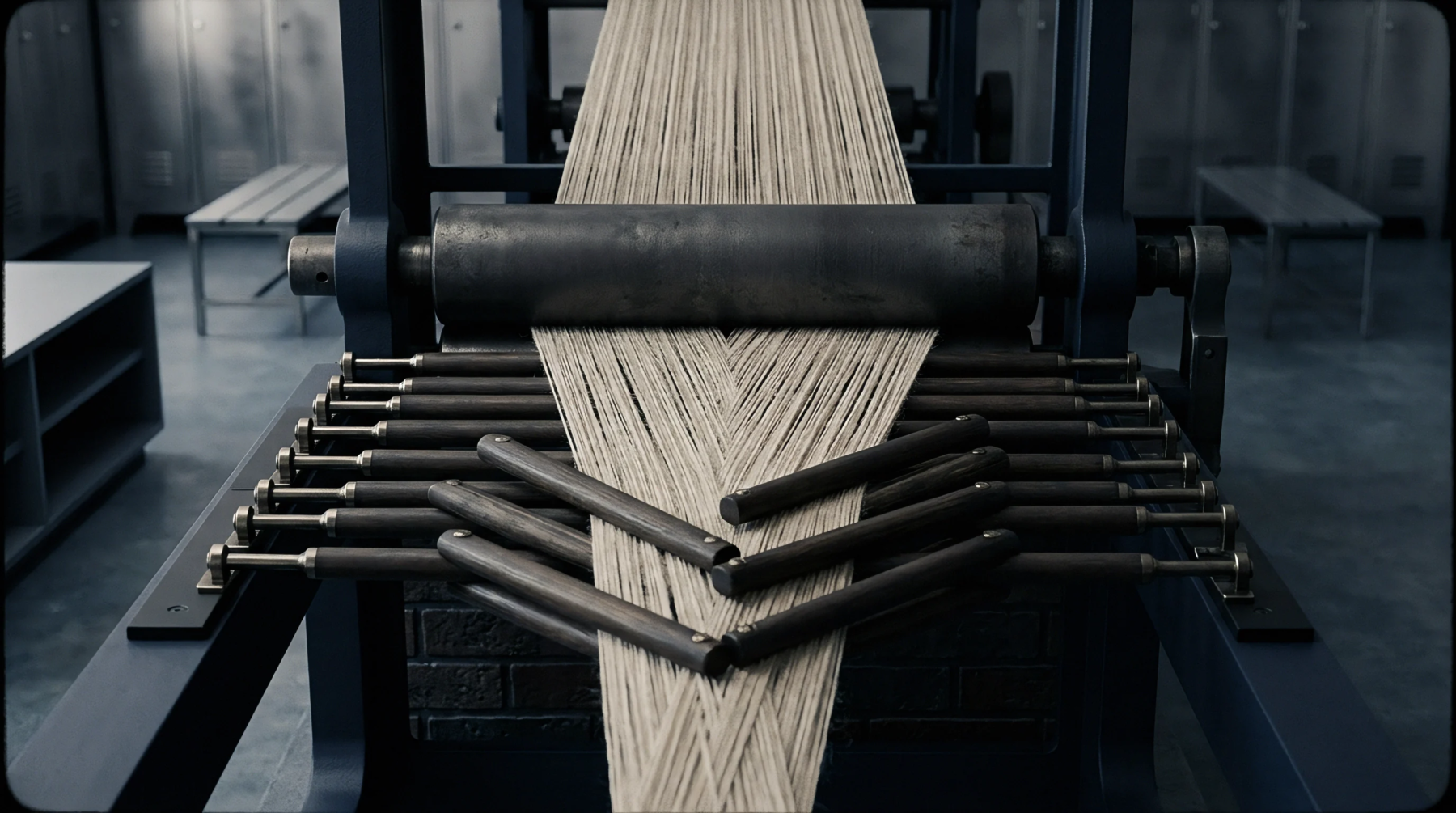
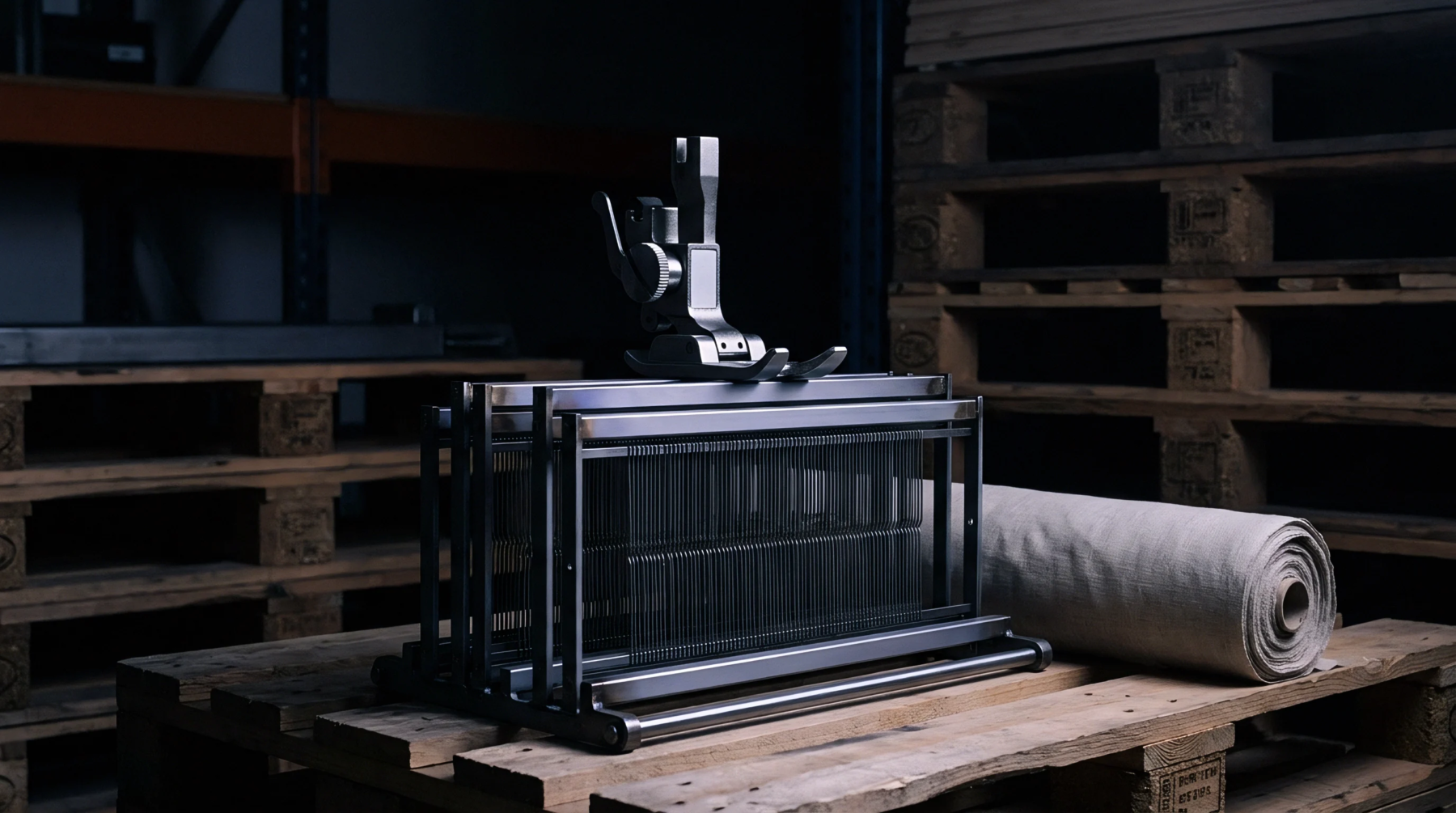
Perforated plates of wood or plastic control the lateral distribution of harness cords in a Jacquard weaving loom to ensure each warp yarn rises vertically. In a traditional mill setting, the comber board divides the dense cluster of cords coming from the neck cords and arranges them in a grid that matches the exact density of the reed. This alignment prevents friction between adjacent warp yarns during high-speed shed formation.
Drill Pattern
The physical layout of holes on the plate determines the width and density of the woven fabric repeat. Mill technicians select the spacing of these holes based on the warp count and the total number of ends per centimeter required for the linen cloth. For complex patterns, the board accommodates thousands of individual cords that must glide freely without snagging, which requires precise mechanical boring of the plate material to ensure completely smooth internal surfaces.
A misalignment of even a fraction of a millimeter in the drill pattern will induce tension errors across the warp sheet.
Wear Coefficient
Sustained contact with sliding cords causes gradual abrasion around the guide apertures. When grooves develop in the board holes, cord fraying increases and the warp tension becomes uneven, which leads to frequent loom stoppages. Replacing or resurfacing the board maintains consistent linen quality and reduces machine downtime in industrial spinning and weaving environments.