Optimizing Sizing Formulations to Prevent Tensile Decay in Flax Warp Yarns
Optimizing flax warp size with modified starches and acrylic binders locks inner fiber bundles, preventing tensile decay and cutting loom stop costs.

Grip
Preparing bast fiber warps presents physical challenges distinct from synthetic filaments or staple cotton. Individual ultimate flax fibers measure eleven to thirty millimeters long, bound into technical fiber bundles by pectin and lignin matrices. While these bundles carry high tensile strength along their longitudinal axis, their strain capacity is low, with rupture typically occurring between 1.5 percent and 2.5 percent elongation.
Wet-spun flax yarns feature a smooth, compact surface with aligned fibrillar structures, while dry-spun yarns show lower cohesion, greater hairiness, and marked surface irregularities.
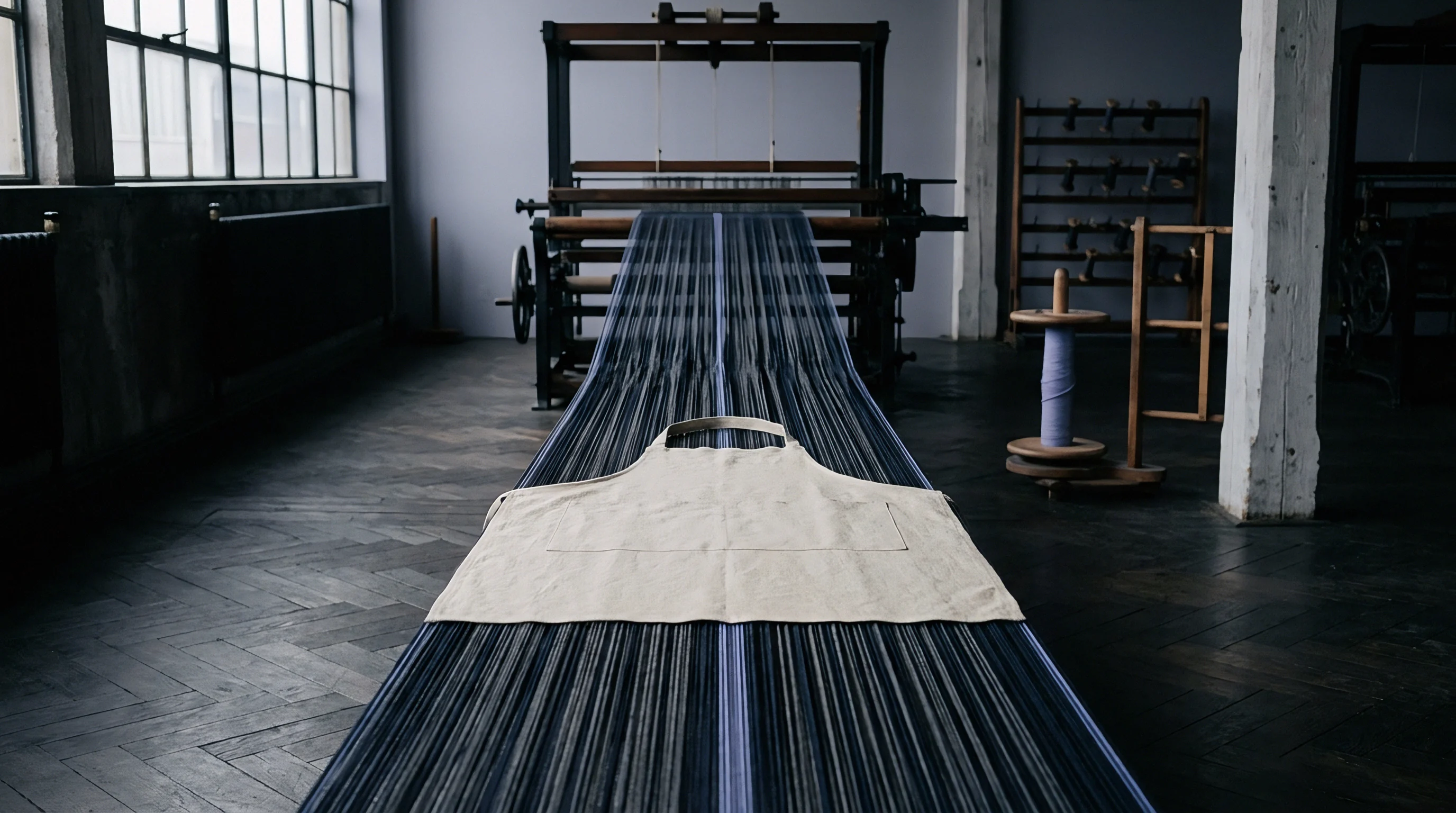
High-speed weaving stresses these structural limits directly. As a warp sheet passes through the shedding motion of a rapier or air-jet loom, cyclic tensile pulses alternate with heavy abrasion against heald eyes, drop wires, and reed dents. Under this cyclic tension, un-sized flax yarn fails through inter-fiber slippage rather than single-fiber breakage, the technical bundles sliding past each other as the natural pectin binder breaks down under repeated extension.

Fibrillar Structural Cohesion under Tension
Primary yarn strength in bast structures comes from friction generated by mechanical twist during spinning. High twist boosts tensile resistance but leaves yarn stiff and hydrophobic, resisting liquid penetration. Lower twist levels allow higher loom speeds and give finished linen a better hand, but expose the yarn to rapid tensile decay under cyclic loads.
Sizing formulations must penetrate past the outer boundary of the technical bundle array to anchor interior fibers, establishing chemical and physical bonds across adjacent fibrillar surfaces.
Polymer molecules in the size coat the outer yarn bundle while filtering into micro-voids between individual flax fibers. Native starches adhere poorly to the hydrophobic waxes on unbleached flax, causing the film to flake during weaving. Starches modified with hydrophobic functional groups, or blended with synthetic binders, bond far better.
This cross-sectional bond stops internal fiber migration under loom tension and distributes axial loads across the full yarn diameter.
A size coat that penetrates the yarn core locks inner bundles while leaving outer surface fibers flexible enough to pass reed wires without shedding flake.
Cohesive Energy in Bast Fiber Assemblies
Twist factor adjustments alone cannot offset poor core adhesion in fine wet-spun yarns. As yarn count grows finer, moving from Nm 26 to Nm 60, the number of technical fibers in the yarn cross-section drops from roughly one hundred to under forty. Mechanically, losing a single fiber bundle through abrasion takes out a much larger share of the total breaking load in fine yarns than in coarser counts.
Dry-spun flax yarns worsen this vulnerability because of their open, irregular fiber packing. Protruding surface hairs entangle with neighboring warp ends in the shed canopy, and as the shed opens, these caught fibers pull adjacent yarns out of alignment ~ triggering false warp stops or severe end breaks at beat-up. Applying a strong film-forming binder glues protruding surface hairs back onto the yarn core, cutting intra-shed friction and preserving mechanical integrity throughout the weave.
Weak inter-fiber anchoring within the size layer leads to rapid tensile decay during shedding, driving up break rates and permanently lowering greige fabric strength.

Bath
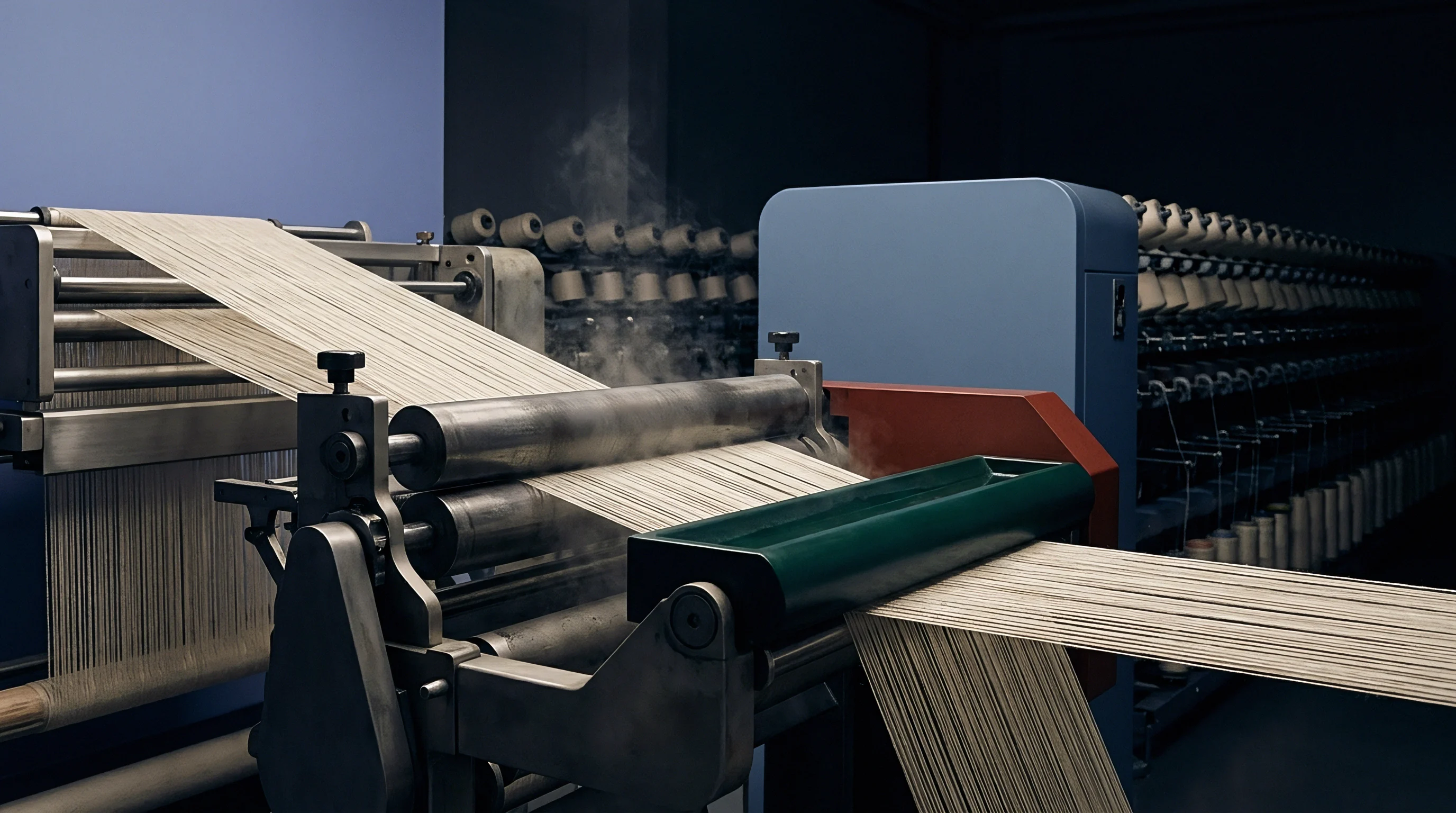
Liquor formulation in the size box governs both pickup and binder penetration into the flax structure. Native starch solutions retrograde during thermal cycles, forming rigid gels that break down under dynamic shear stress. Hydrolyzed, oxidized, or carboxymethylated plant starches hold a stable viscosity under continuous recirculation, preventing uneven add-on across wide warp beams.
Chemical modification lowers the gelatinization temperature of starch molecules, keeping formulations stable at operating bath temperatures between 85 degrees Celsius and 95 degrees Celsius. PVA grades with an 88 percent to 98 percent degree of hydrolysis are blended with modified starches to improve film elasticity and toughness. Synthetic acrylic co-polymers are added at 5 percent to 15 percent of total dry binder weight to reduce surface tension and encourage capillary draw into dense wet-spun yarn cores.
Rheological Control in Size Cooking
Gel strength and flow behavior in the size bath determine wet pickup at the squeeze rolls. Viscosity needs to stay within a narrow window, usually 30 mPa·s to 60 mPa·s at standard operating temperature on a rotary viscometer. Too high a viscosity causes binder to build up on the yarn surface as a heavy, brittle crust; too low lets liquor soak deep into the core without building a protective outer film, leaving surface hairs open to abrasion.
Refractometer Brix readings offer continuous checks on solids concentration in production size boxes. Wet-spun flax warps generally run at 8 percent to 12 percent solids, while hairy dry-spun yarns require 12 percent to 16 percent to ensure adequate coverage. Thermal controls must keep temperatures within two degrees Celsius of setpoint, preventing local hot spots that degrade polymer chains and cold spots that invite retrogradation.
Carboxymethylated potato starch applied at 90 degrees Celsius with twelve percent dry add-on retains eighty-eight percent of original yarn breaking elongation under cyclic stress testing.
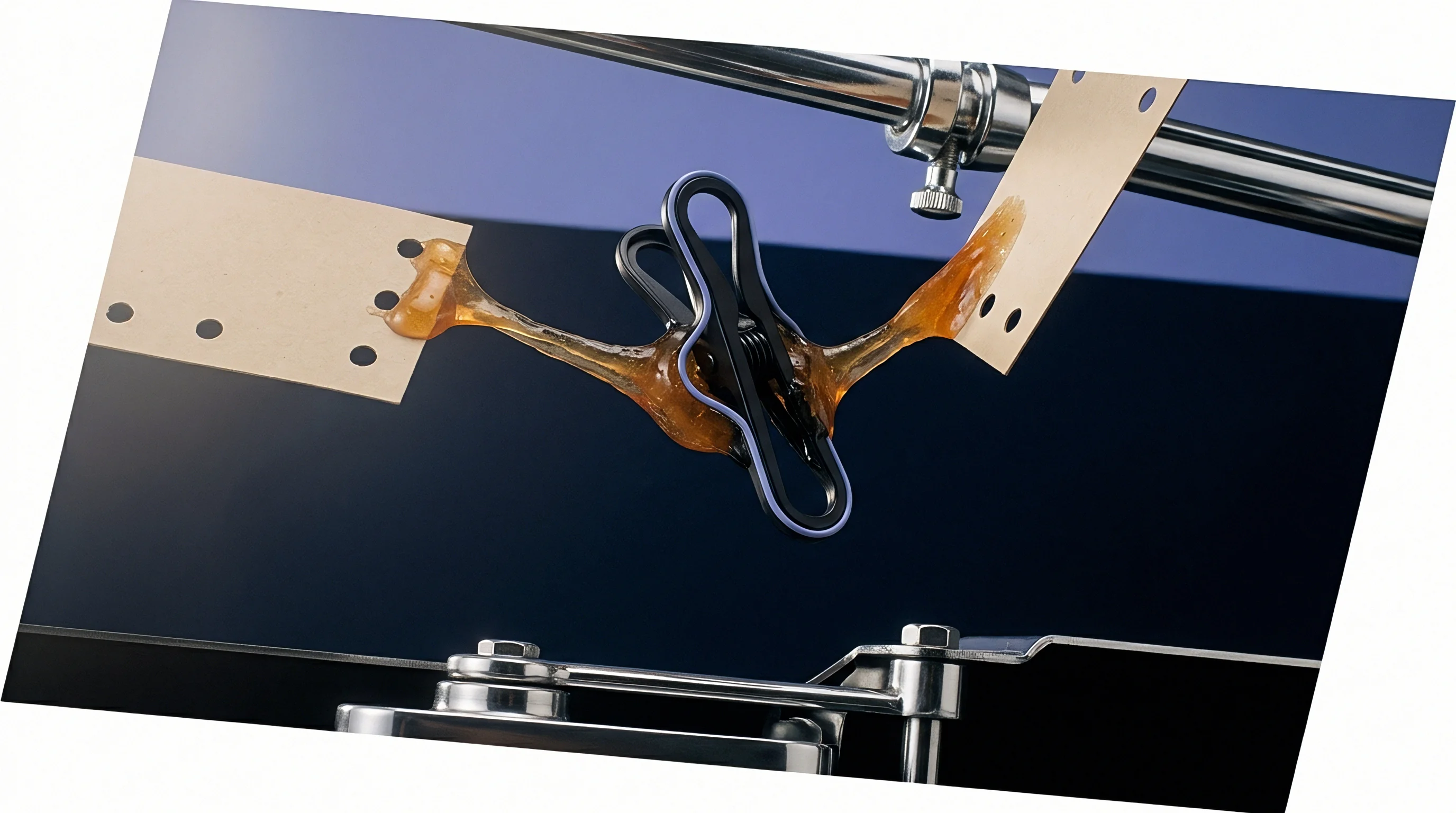
Squeeze Roll Dynamics and Viscosity Drift
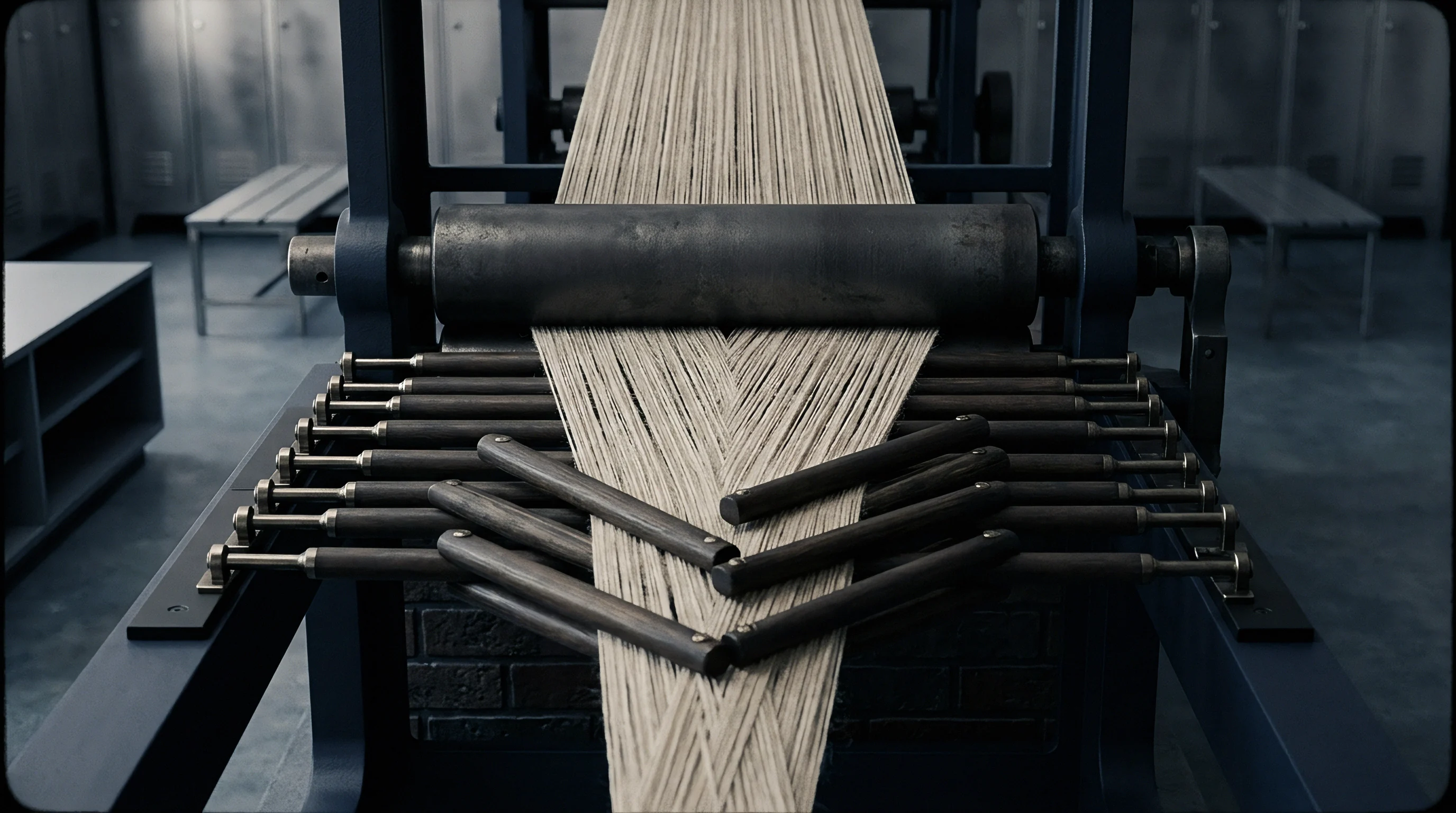
Mechanical pressure from the size box squeeze rolls sets the balance between outer coating and core penetration. Pneumatic pressures between 0.15 MPa and 0.35 MPa strip excess liquor and drive the remaining size into interstitial voids across the yarn cross-section.
Excessive squeeze force strips size from the yarn perimeter, resulting in low dry add-on that leaves outer bundles exposed. Insufficient pressure leaves high wet pickup, slowing drying on cylinder ranges and creating brittle, fused bridges between adjacent yarns at the split bars. Uncontrolled size box conditions lead directly to specific weaving failures.
- Retrograded Starch Agglomerates cause hard, abrasive specks on the yarn surface that snag heald eyes and fracture flax fibers.
- Low Bath Viscosity Drift leads to excessive core saturation, depleting surface film thickness and increasing yarn hairiness in the shed.
- High Solid Concentration Gels generate thick skin formation that flakes off during drying, producing toxic dust accumulation at the loom.
- Uneven Squeeze Pressure Distribution yields varying size add-on across the beam width, creating localized bands of high warp breakage.
When warp break rates surge halfway through a beam run, the failure is frequently blamed on natural fiber variation across raw flax crops. Chemical analysis of dry add-on across the warp width shows that bath viscosity drift and uneven squeeze roll pressure cause most shedding failures.
| Yarn Type | Binder Base | Solids Content (%) | Bath Viscosity (mPa.s) | Target Dry Add-On (%) |
|---|---|---|---|---|
| Wet-Spun Nm 26 | Oxidized Potato Starch + Low PVA | 9.5 – 11.0 | 35 – 45 | 8.0 – 10.0 |
| Wet-Spun Nm 40 | Carboxymethyl Starch + Acrylic Binder | 10.5 – 12.5 | 40 – 50 | 9.5 – 11.5 |
| Dry-Spun Nm 14 | Modified Starch + High PVA + Wax Wax | 13.0 – 15.5 | 50 – 65 | 12.0 – 14.5 |
| Dry-Spun Nm 20 | Thin-Boiling Starch + Acrylic Co-polymer | 12.0 – 14.0 | 45 – 55 | 11.0 – 13.0 |
Film
The physical properties of the dried film determine how well it withstands dynamic extension without micro-fracturing. Flax yarn has high tensile stiffness and low elongation at break, demanding a film with a balanced mix of elasticity, tensile strength, and moisture regain. Pure starch films offer high tensile modulus but become brittle when relative humidity drops below 55 percent, fracturing under shedding motion.
Plasticizers and humectants in the formulation adjust the glass transition temperature of the dry polymer matrix. Synthetic wax emulsions, sulfated tallow, and polyglycol derivatives reduce film stiffness so the size layer stretches in step with the fiber bundle under peak loads. Too much plasticizer, however, softens the film, leaving it tacky and causing yarns to cling together on the loom beam.
Encapsulation Depth versus Core Penetration
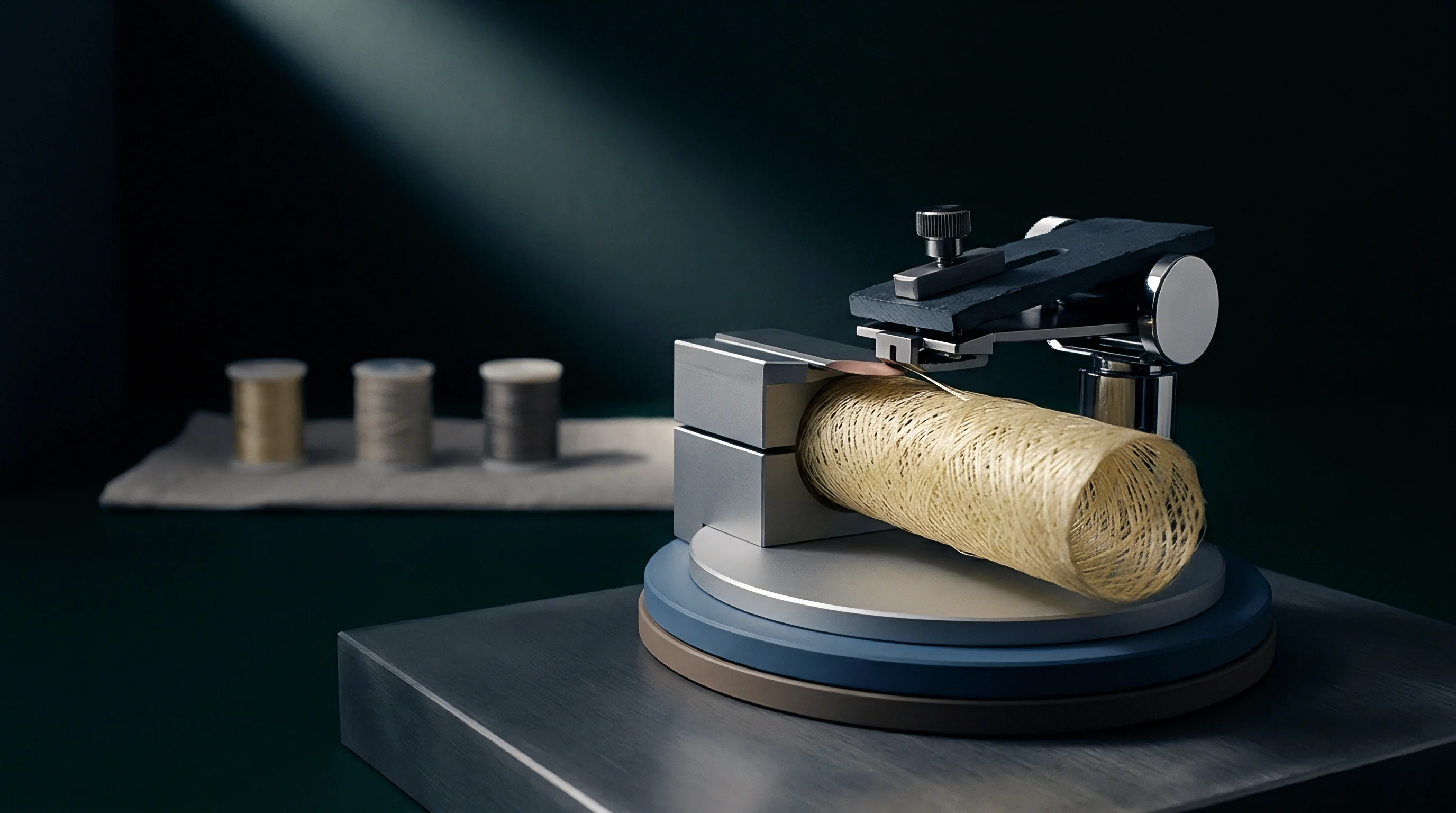
Microscopic cross-sections of sized flax yarn show two distinct mechanical zones: an internal anchorage region and an outer protective shell. Effective protection requires size liquor to occupy 20 percent to 30 percent of the yarn cross-sectional area while maintaining a continuous film shell around the outer circumference.
Core penetration anchors individual technical fibers to prevent structural slippage under axial tension. Meanwhile, the outer film caps loose surface fibers, shielding them from the abrasive scraping of drop wires and heald eyes. Getting this distribution right depends on managing the drying rate; graduated temperature profiles across cylinder sections prevent surface skinning and boiling marks, preserving film continuity.
Fabric specifications governed by ISO 13934-1 mandate a minimum warp tensile retention threshold of ninety-two percent relative to un-sized greige yarn standards.
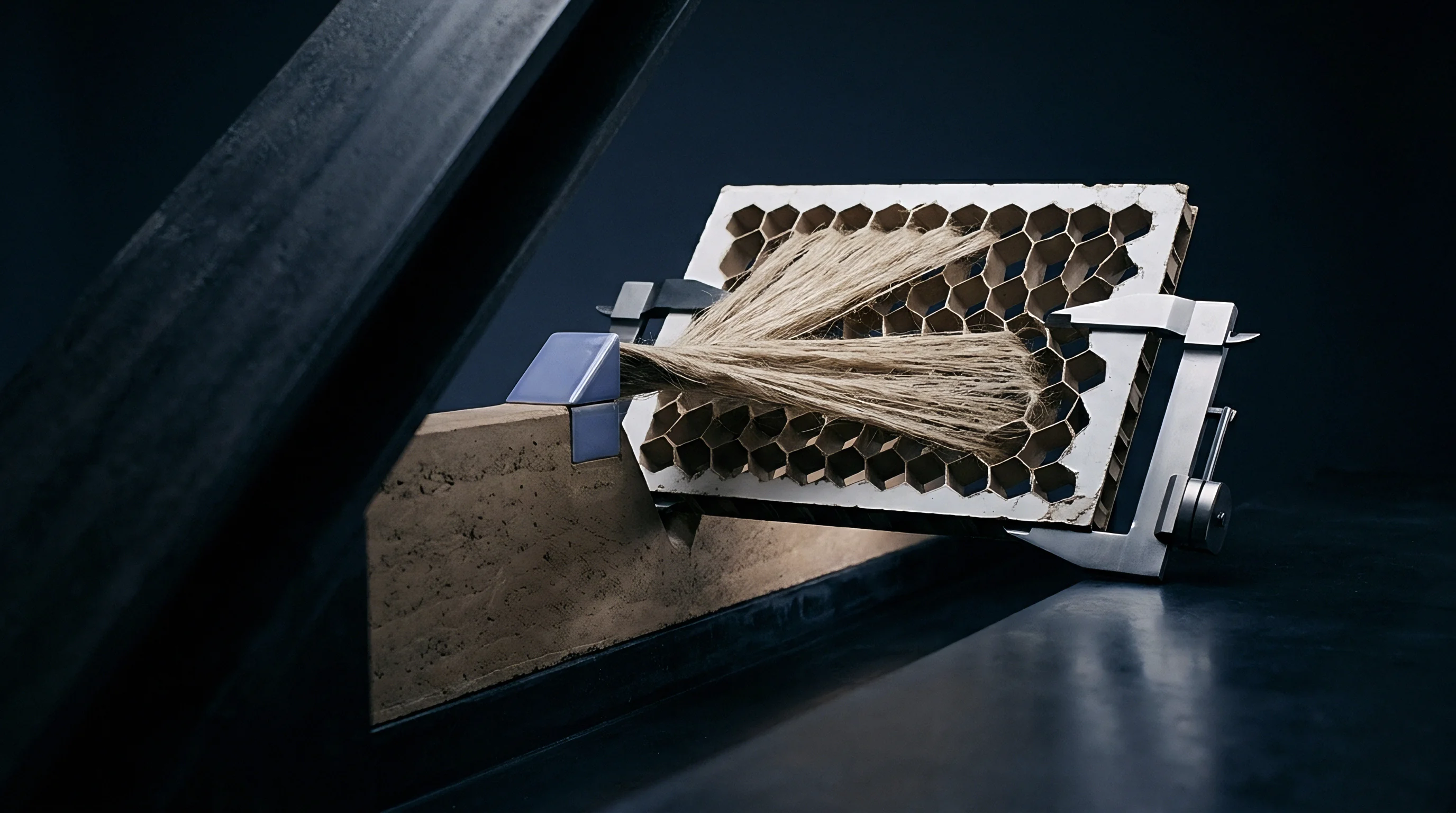
Can Synthetic Polymers Prevent Flax Surface Fraying?
Fully synthetic water-soluble polymers, like modified polyacrylates and fully hydrolyzed polyvinyl alcohols, form tough, transparent films with high abrasion resistance. Their cohesive bond on bast cellulose fibers is stronger than that of native or lightly modified plant starches. Choosing the right binder blend requires balancing yarn count, spinning method, and loom parameters.
- High-Count Wet-Spun Warps rely on thin-boiling modified starches blended with high-adhesion polyacrylates to maximize core penetration without increasing yarn stiffness.
- Coarse Dry-Spun Warps utilize high-viscosity modified starches combined with polyvinyl alcohol to create heavy exterior protective films that suppress long surface hairs.
- High-Speed Rapier Shedding demands elevated binder toughness achieved through acrylic co-polymer addition to resist localized friction at heald eyes.
- Low-Humidity Weaving Sheds require humectant-modified starch formulations to retain moisture and prevent film embrittlement during prolonged stoppages.
Film performance ultimately depends on keeping film elongation slightly above yarn elongation at break while maintaining high toughness. The sized yarn needs to stretch under shed opening forces without cracking its outer polymer shell.
Loom
Dynamic stress profiles on warp yarns vary sharply between shedding mechanisms and insertion systems. Air-jet machines operating above 800 picks per minute subject the warp to intense cyclic tension pulses with every shed movement. Rapier looms run at lower speeds but apply sustained mechanical friction as rapier tape guides and flexible heads pass through the shed canopy, where sudden tension peaks cause immediate end breaks and lost weaving margin.
Warp tension peaks when heald frames reach maximum lift, forcing yarns to stretch over the longer geometric path. Poorly sized flax yarns suffer structural damage during this lift as individual fiber nodes fracture. Abrasion dust accumulates behind reed dents, forming slubs that catch in the warp sheet and cause multiple breaks.
Cyclic Fatigue in High Speed Shedding
Warp yarns endure tens of thousands of tension cycles between the back rest roller and the cloth fell before beat-up. Tensile decay accumulates as micro-cracks spread through the size coat into the underlying fiber matrix. Formulations without flexible polymer additives yield under this fatigue, causing progressive yarn softening and sudden breakage.
Controlling humidity in the weaving shed is vital when running sized flax warps. Ambient levels between 65 percent and 75 percent keep the yarn and size film in moisture equilibrium, preserving fiber toughness while preventing the size coat from drying into a brittle, crystalline state.
Excess wax addition lowers yarn friction across drop wires but reduces size adhesion to internal fibrillar junctions.
Reed Friction and Abrasion Resistance
Beat-up forces the reed wire against newly inserted weft yarn, rubbing against the warp sheets at high velocity. The friction coefficient between sized yarn and stainless steel reed wire determines the rate of wear, so formulations incorporate lubricants ~ such as emulsified fats or synthetic esters ~ to keep dynamic friction below 0.25.
Solid lubricants must stay uniformly dispersed in the water-based size liquor during cooking and storage. Unemulsified fats separate from starch, leaving oil spots that impede water absorption during downstream bleaching and dyeing.
| Loom Type | Weave Structure | Loom Speed (PPM) | Size Formulation Base | Warp Breaks per 10^5 Picks | Loom Efficiency (%) |
|---|---|---|---|---|---|
| Flexible Rapier | Plain Weave (1/1) | 480 | Native Starch + Wax | 4.2 | 84.5 |
| Flexible Rapier | Plain Weave (1/1) | 520 | Oxidized Starch + PVA + Acrylic | 1.1 | 94.2 |
| Air-Jet | 2/2 Twill | 720 | Carboxymethyl Starch + PVA | 1.8 | 91.8 |
| Air-Jet | Jacquard Damask | 650 | Modified Starch + High Acrylic | 2.3 | 89.5 |
Incorporating ASTM D5430 Class A grading standards into supply contracts forces producers to account for warp break frequency in final cloth pricing.
Rinse
Desizing is the essential prep step before wet processing, stripping temporary polymer coatings from woven greige fabric. Residual size on flax yarns blocks chemical penetration during scouring, bleaching, and mercerization, leading to streaky dyeing and uneven finishes. Hydrolyzed starches require enzymatic cleavage, while water-soluble synthetic binders wash out under heat and mechanical agitation.
Alpha-amylase enzymes target the alpha-1,4-glycosidic linkages in starch molecules, breaking long polysaccharide chains into water-soluble dextrins and maltose. Enzymatic baths run between 60 degrees Celsius and 90 degrees Celsius, requiring pH stability between 6.0 and 7.5 depending on the bacterial strain used. Crucially, enzymatic breakdown spares the cellulose backbone of flax fibers, avoiding the strength loss caused by aggressive oxidative desizing.
Enzymatic Breakdown of Starch Matrices
Flax fabrics sized with starch-PVA blends require multi-stage washing. Cold pre-rinsing swells the starch layer and removes water-soluble additives before the enzymatic bath degrades the starch binder. A subsequent hot alkaline wash at 85 degrees Celsius to 95 degrees Celsius dissolves and disperses residual PVA and synthetic acrylics.
If polyvinyl alcohol is not fully solubilized, it redeposits on flax surfaces during drying. Redeposited PVA forms insoluble films when exposed to high-temperature heat setting or singeing, causing permanent dye resists. Size removal is verified with iodine staining, where blue-violet indicates residual starch and amber-brown confirms a clean fabric.
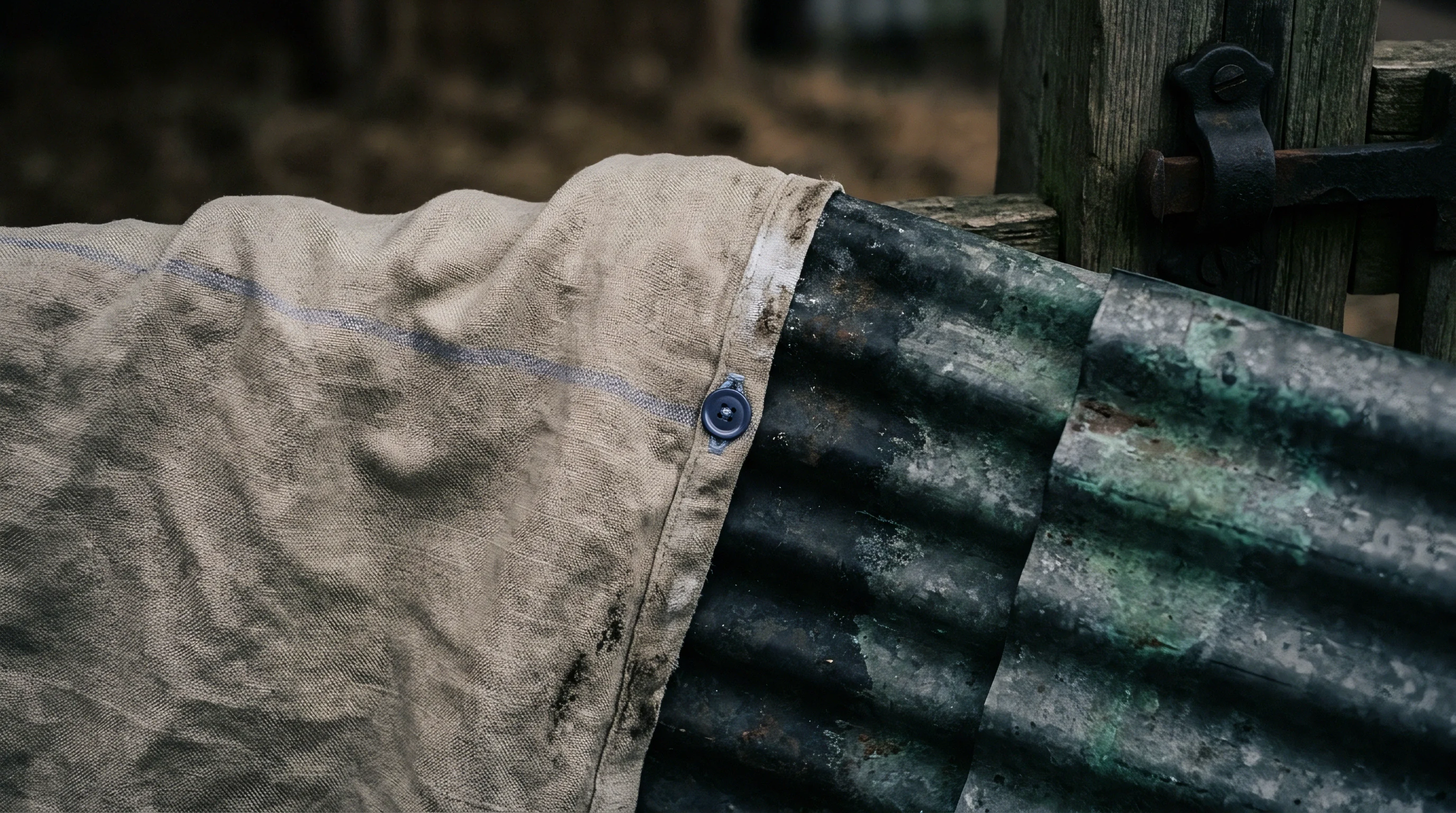
Thermal Washout Profiles for Water Soluble Polymers
Synthetic acrylic binders and fully hydrolyzed PVA require different washout temperatures. Polyacrylates dissolve quickly in warm alkaline solutions containing sodium carbonate, whereas fully hydrolyzed PVA grades require sustained temperatures above 85 degrees Celsius to break intermolecular hydrogen bonds in the film.
- Immerse greige linen fabric in a cold water bath containing 2 g/L wetting agent at 30 degrees Celsius for ten minutes to swell the outer size matrix.
- Transfer fabric to an enzymatic desizing bath containing 2 to 4 g/L alpha-amylase at pH 6.5 and hold at 75 degrees Celsius for forty-five minutes.
- Rinse thoroughly in continuous hot water overflows maintained at 90 degrees Celsius to strip solubilized starch dextrins and dissolved acrylic fractions.
- Perform a final cold neutralizing wash with 1 g/L acetic acid at 40 degrees Celsius to prepare the fabric for caustic scouring and peroxide bleaching.
Whether low-temperature enzymatic formulations can eliminate water-heating overhead without leaving binder residues that impair downstream dye uptake remains unproven across industrial production runs.

Charge
Calculating warp sizing costs involves far more than the unit price per kilogram of dry binder. Formulation choices dictate warp break rates, machine stop frequencies, loom efficiency, and total finished meter output per loom hour.
Determining the true landed cost of sized flax yarn requires factoring in dry pickup weight, cooking and drying energy, effluent treatment expenses for desizing waste, and lost loom time during stops. A low-cost native starch mix that increases warp breakage by just two stops per 100,000 picks consumes significantly more capital in lost loom hours than a formulation using modified polymers.
Financial Impact of Warp Break Stop Time
Industrial loom operation is billed on an hourly capacity rate, typically 18 to 35 Euros per hour depending on plant location, machine automation, and energy tariffs. Every warp break costs two to four minutes in lost time, covering automatic shutdown, operator intervention, re-threading through drop wires and heald eyes, beat-up alignment, and restart.
A loom running at 500 picks per minute completes 30,000 picks per hour. At a break rate of 4 stops per 100,000 picks, the machine stops 1.2 times per hour ~ losing roughly four minutes of running time and dropping net efficiency by nearly 7 percent. Formulations that suppress end breaks directly recover machine capacity, lowering the fixed overhead charged against every finished meter of fabric.

Metre Cost Arithmetic across Warp Lengths
A standardized production scenario highlights the trade-offs between cheap and optimized size formulations. Consider a 10,000-meter production order of 220 gsm plain weave linen woven on high-speed rapier looms at 500 picks per minute, with a 190 cm reed width and 4,180 warp ends of Nm 26 wet-spun flax yarn.
| Cost Component | Standard Native Starch Mix | Optimized Synthetic Polymer Blend |
|---|---|---|
| Sizing Chemical Cost per kg Dry ($) | 1.20 | 3.80 |
| Dry Size Add-On Percentage (%) | 10.0 | 9.5 |
| Chemical Cost per Metre Finished ($) | 0.038 | 0.114 |
| Warp Break Rate (Breaks / 10^5 Picks) | 3.8 | 1.0 |
| Loom Efficiency Rate (%) | 85.2 | 94.6 |
| Loom Hours per 10,000 Metres | 462 | 416 |
| Loom Capacity Cost at 28/Hour () | 12,936 | 11,648 |
| Total Direct Weaving + Size Cost ($) | 13,316 | 12,788 |
| Net Cost per Finished Metre ($) | 1.331 | 1.278 |
While the optimized polymer formulation raises chemical outlay by 0.076 Dollars per finished meter, it yields a net saving of 0.053 Dollars per meter across the entire order by recovering 46 loom hours. Additional savings follow in inspection and folding through reduced mending labor and fewer fabric seconds.