Atmospheric Moisture Regulation
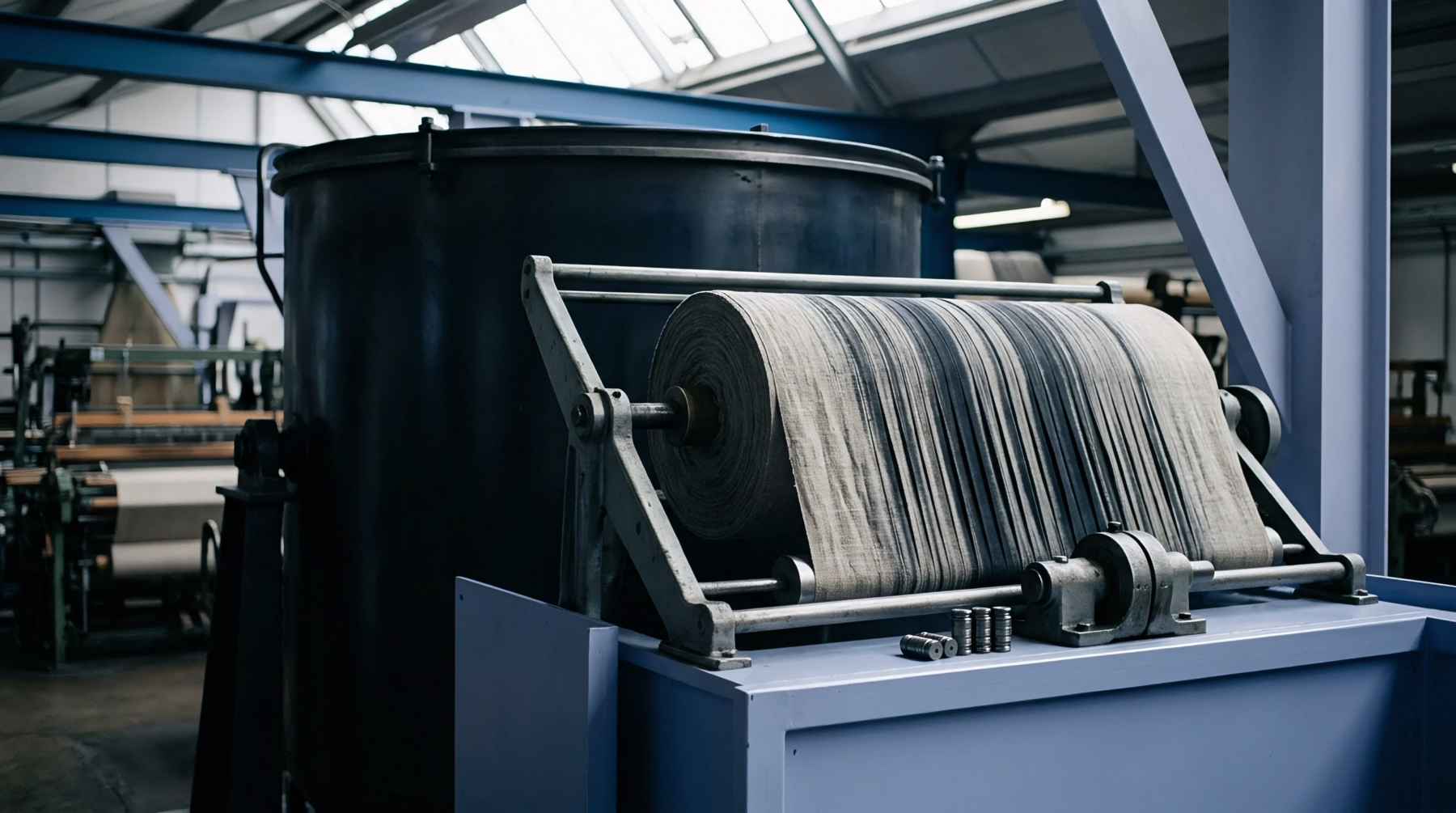
Water vapor density within the production hall determines the physical behavior of natural flax fibres during the high speed interlacing of horizontal and vertical elements. This loom shed humidity maintains the pliability of the cellulose strands to prevent brittle fracture under the repeated mechanical stress of the harness frame movement. Maintaining the percentage of water molecules suspended in the air ensures the warp remains strong enough to survive the friction of the shuttle or projectile traverse.
The control limits usually reside between sixty five and seventy five percent relative saturation to balance the structural integrity of the flax against the risk of microbial growth or electrical discharge in the sensitive electronic monitors.
Mechanical Tension Calibration
Regulating the air weight prevents the accumulation of static electricity that causes the ends to repel each other and disrupts the formation of the shed. Proper moisture levels keep the fibres supple enough to absorb the shock of the beat up motion as the reed packs each pick into the fell of the cloth. High water content allows the fibres to maintain their natural elasticity without becoming overly heavy or sticky during the operation.
Machines operating in dry climates require dedicated atomizing nozzles to distribute fine droplets into the air stream to compensate for the drying effect of the heat produced by the electric motors. The cooling effect produced by evaporation also helps stabilize the thermal expansion of the metal components which maintains the precision of the pick density across the width of the machine.
Compliance Protocol
Quality control records in the daily weave log detail the average readings collected from hygrometers mounted at the mid point of each machine row to verify adherence to internal mill requirements. These records serve to confirm that the environment remained stable throughout the entire duration of the production shift. Buyers frequently demand these logs to ensure the final product meets the contractual requirements for tensile strength and dimensional stability.
Variations exceeding five percent from the set point result in the immediate segregation of the fabric rolls for extra testing of the fibre fatigue indices. Consistent adherence to these climate standards forms the basis for maintaining uniform fabric quality across different production runs.