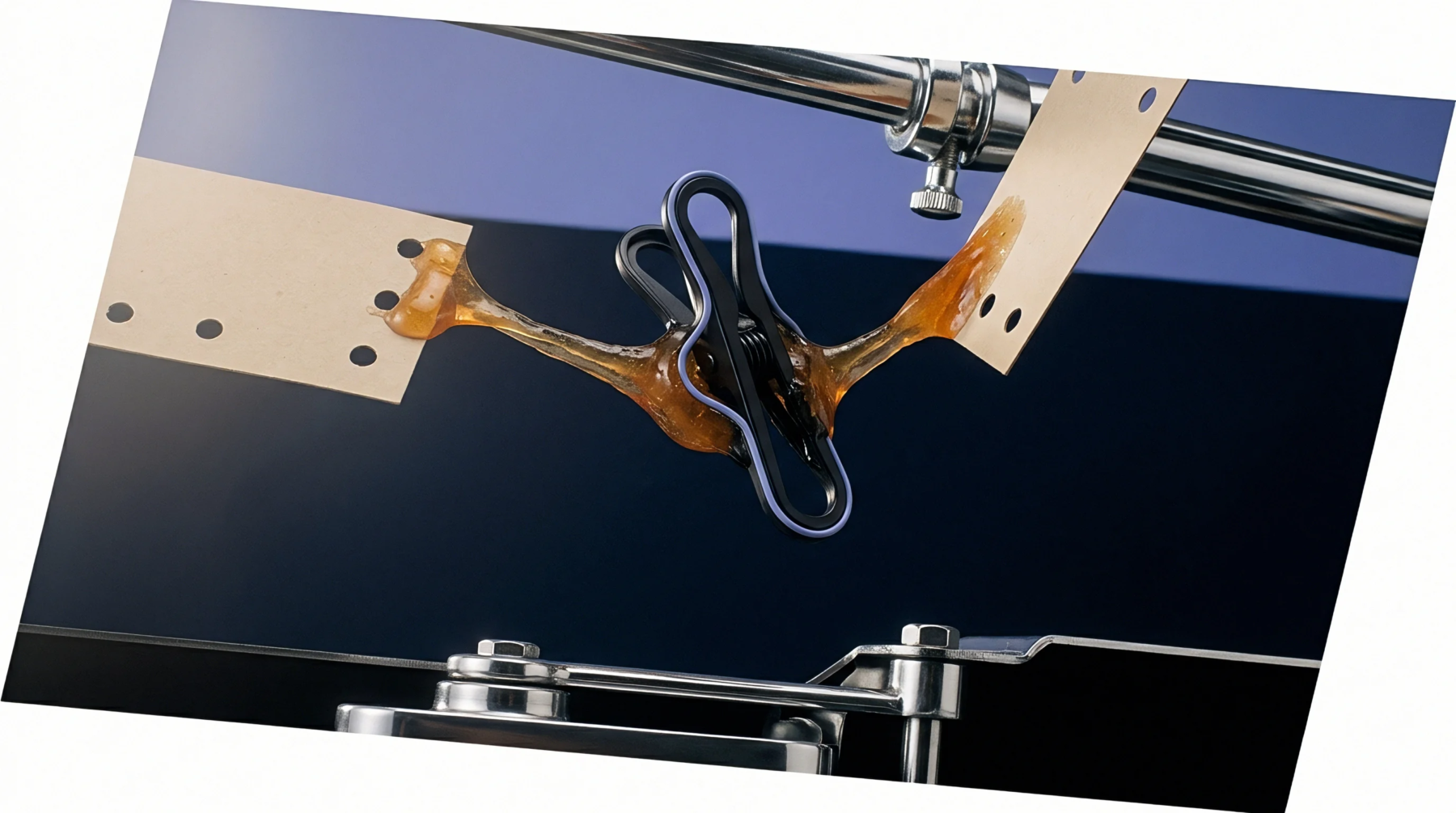
Tensile Standard
The document defines a procedure for determining the maximum force a textile product withstands until breakage. Dry breaking strength iso 13934 details the grab or strip method applied to linen fabrics in laboratory conditions. Testing machines pull a specimen at a constant rate until total rupture occurs.
This standard requires climate control to ensure that moisture content remains low during testing. Precise calibration of jaws prevents slippage or damage to fibres near the clamping zone. Each specimen undergoes the pull until it separates into two distinct parts.
Recorded values denote the maximum force sustained by the fabric during the extension process. Consistency across replicates validates the results for industrial acceptance.
Sample Protocol
Evaluation occurs after weaving but before finishing processes commence in a flax mill. Inspectors select fabric specimens from the loom state to verify the physical integrity of the construction. Dry breaking strength iso 13934 measures the resistance of the yarns to tension when dry.
Operators cut pieces according to the dimension specified by the method to avoid edge influence on the outcome. Clamps hold the cloth along the longitudinal or transverse direction of the weave. The machine pulls until the specimen fails under the stress of the load.
Staff check the break pattern to ensure the rupture happens inside the gauge length of the apparatus. A failure near the jaw suggests an error in grip alignment or sample preparation. This protocol allows the mill to assign a numerical value to the durability of the batch.
Precise reporting prevents disputes between the supplier and the buyer regarding the quality of the raw linen stock.
Verification Requirement
Commercial agreements between fabric producers and global exporters mandate the inclusion of these data points. Dry breaking strength iso 13934 establishes a baseline for comparing different weights of linen cloth. Buyers verify the output against the contractual specifications before authorizing the shipment of goods.
Mill managers use these figures to confirm that the spinning and weaving parameters remain within the tolerated deviation. Every fabric grade requires separate testing because variations in thread count alter the final resistance. The standard provides a common language for trade that eliminates ambiguity in quality claims.
This method confirms the physical limits of the material under standard atmospheric conditions.