Yarn Weight Unit
The universal metric system for expressing the thickness of textile fibers and yarns uses the mass in grams per one thousand meters of yarn. The linear density tex value provides a direct measurement, where higher values indicate thicker, heavier yarns and lower values indicate finer yarns. This standardized unit is used by mills worldwide to ensure consistency across different fiber types and production runs.
Metric Conversion Method
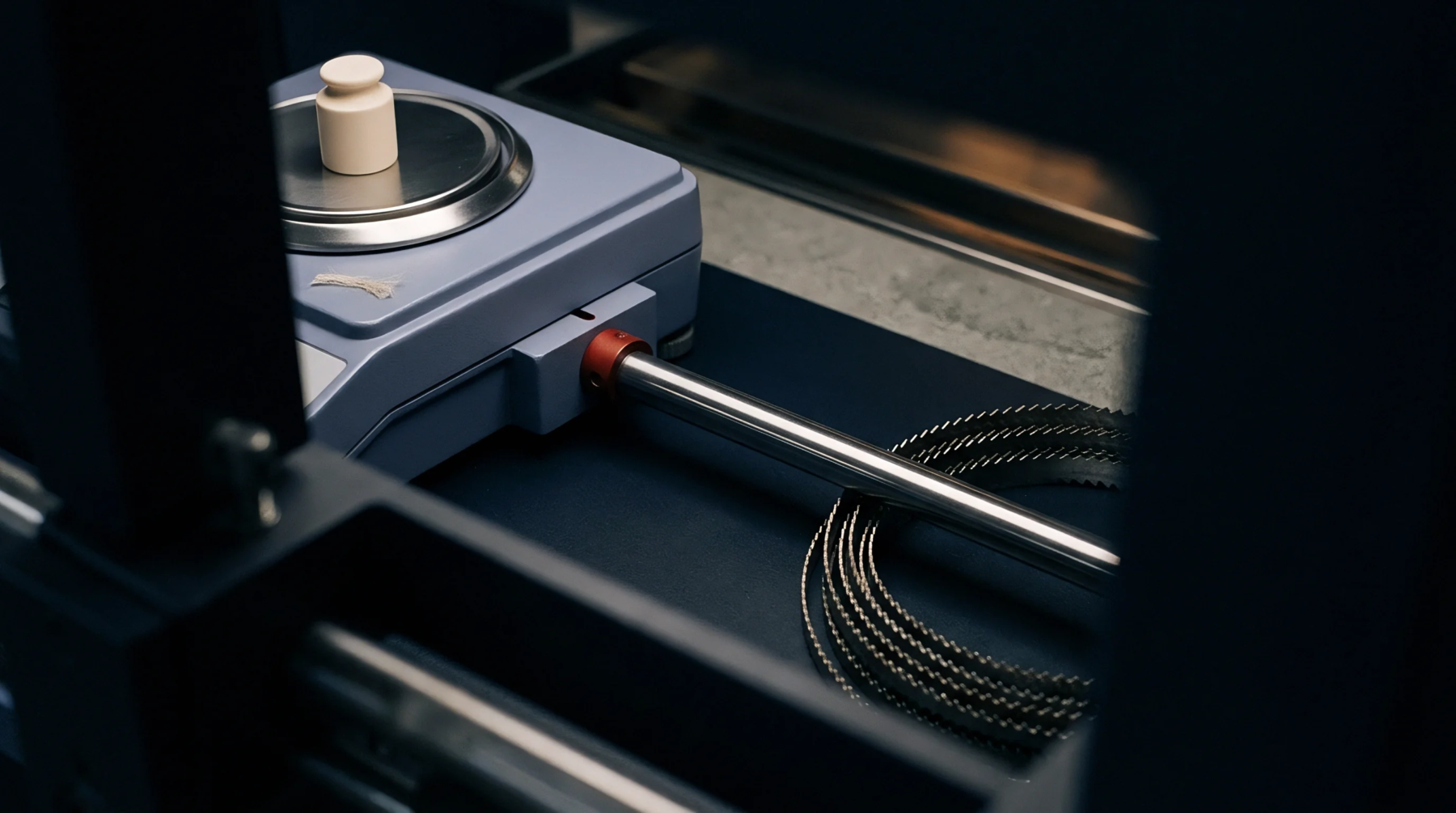
Determining this value involves weighing a precise length of yarn, typically a hundred-meter skein, on a digital balance and multiplying the result by ten. In linen production, this direct measurement simplifies the calculation of fabric weight from the warp and weft yarn configurations. For example, a yarn with a value of 25 tex has a mass of 25 grams per kilometer of length.
Mill laboratories use this metric to monitor yarn uniformity during spinning, as variation in this value can lead to visible striping or structural weaknesses in the woven linen.
Mill Processing Utility
Comparing yarn thicknesses across different fibers becomes straightforward when this direct metric is applied. It replaces traditional, regional numbering systems like cotton count or linen lea, facilitating clear communication between mills and international buyers.