Weft Mechanical Delivery
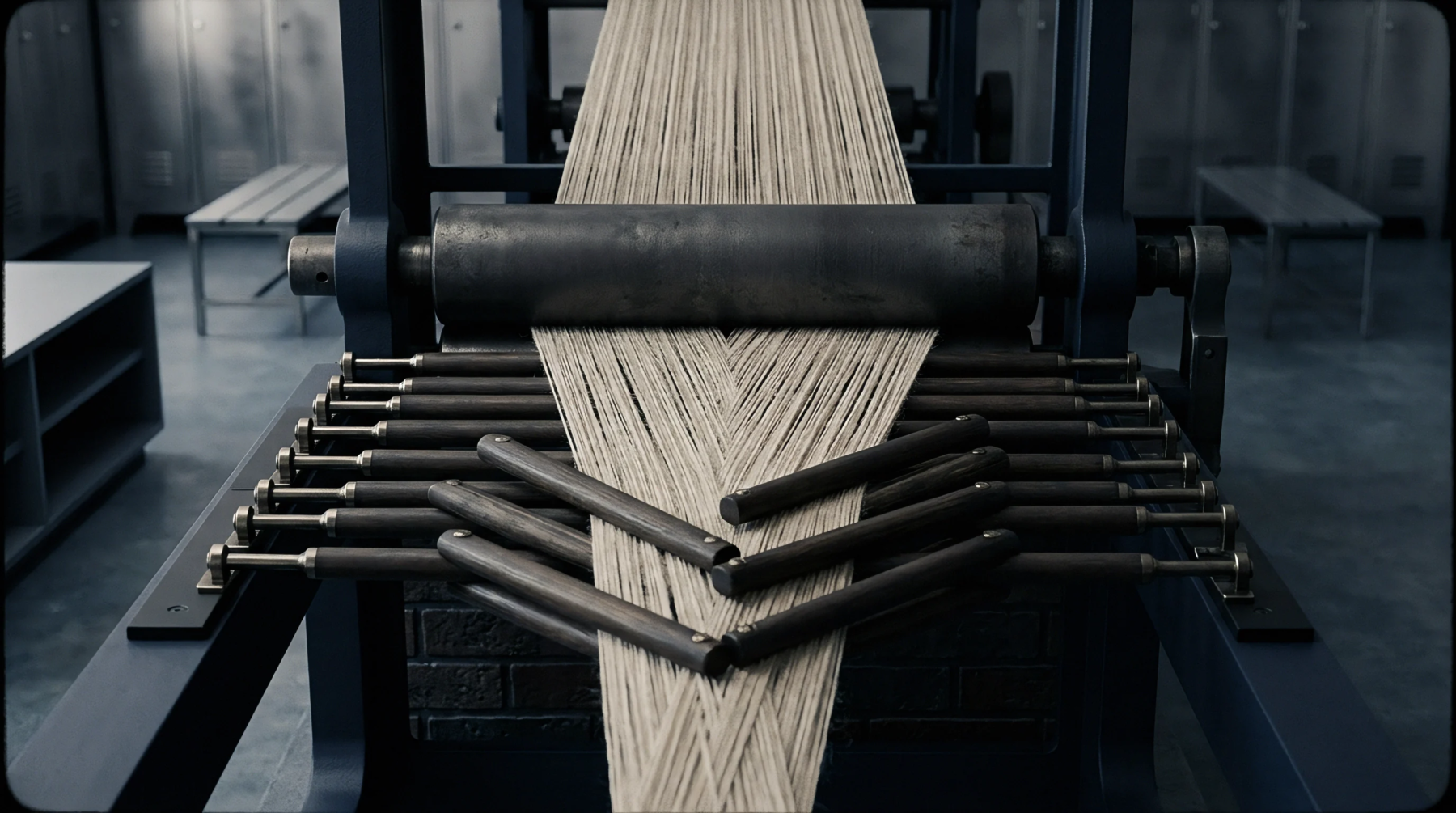
Mechanical drive systems for linen manufacturing rely upon the oscillating rod mechanism known as rapier insertion to transfer pick across the shed. This operation forces a rigid or flexible arm through the warp opening to grab the fibre bundle at the edge and pull it to the opposing side. Mills document this process within the production logs to confirm timing accuracy and tension consistency before the reed beats the line into position.
Precise synchronization prevents fibre breakage while maintaining the uniformity of the cloth face.
Insertion Performance
Quality control protocols grade the resulting fabric by measuring gaps or overlaps left by the arm during high speed cycles. Inspectors verify the catch point strength against the baseline requirements set by the buyer in the technical specification document. A mill standard maintains a strict limit on allowed mispicks per metre of cloth to ensure the integrity of the material before it leaves the workshop.
Failure to hold these tolerances results in an immediate downgrade of the product batch. Technicians calibrate the path of the rod to avoid contact with warp lines that might fray under constant friction. Adjustments to the drive gear alter the speed of the arm to match the density of the linen being produced.
Stability remains the primary goal for the machine operator.
Export Calibration
Shipping houses check the final output against the physical samples stored in the reference archive to match the hand and weight of the goods. Every bale carries a certificate of compliance that records the insertion method used for that specific order. Buyers expect a consistent surface appearance across the entire shipment because variance indicates mechanical instability during the manufacturing phase.
Export grade linen demands near total defect removal to pass inspection at the destination port. Each rod movement creates a distinct physical signature upon the edge of the fabric that reveals the exact machine used for the production task. Constant tension throughout the movement preserves the alignment of individual fibres.
Accurate timing of the entry sequence determines the long term durability of the finished textile product.