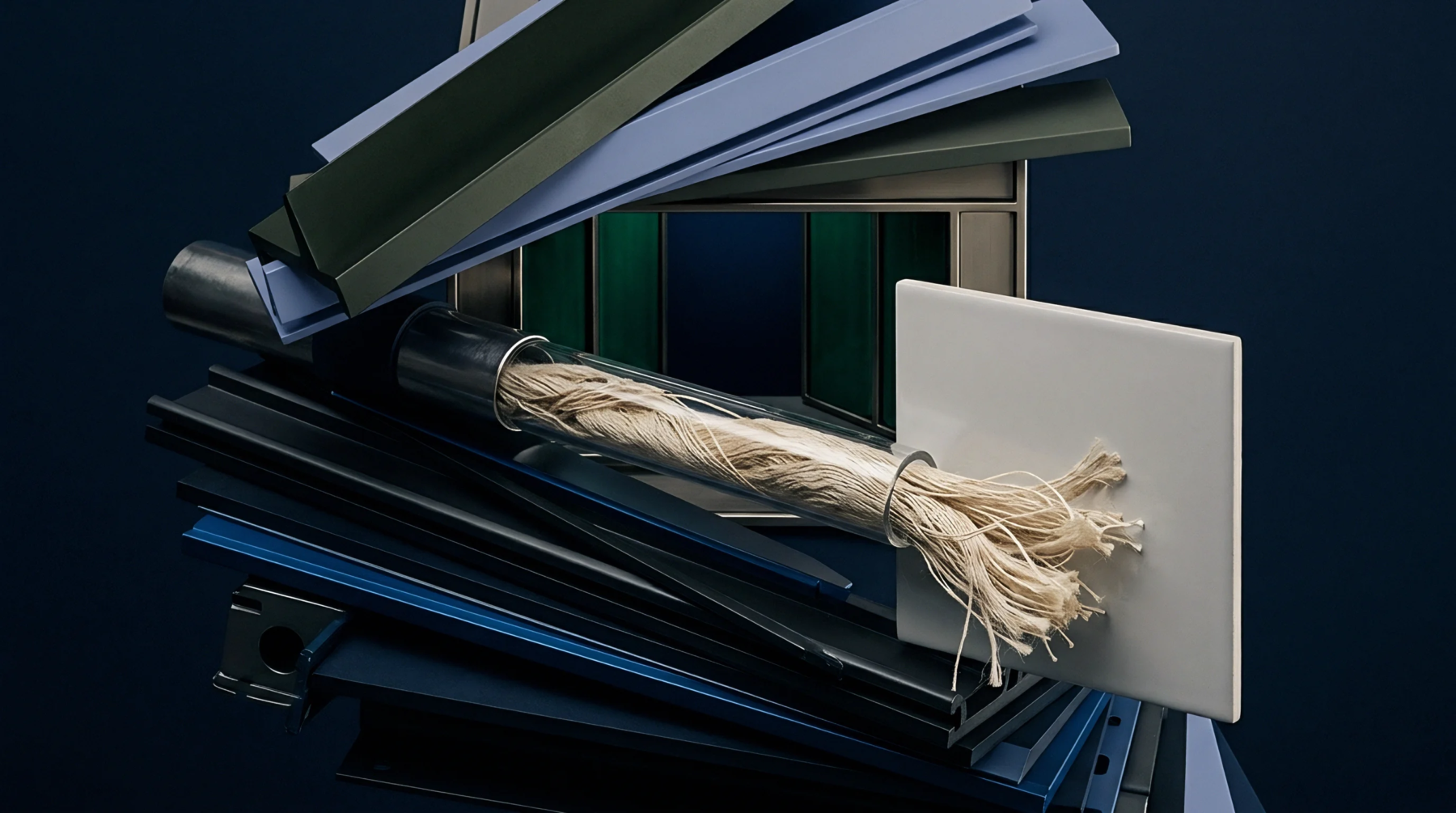
Non-Preferential Origin Rules Deciding Where Linen Cloth Was Made
Non-preferential origin of woven linen fabric attaches permanently to the loom shed site where yarn transforms into cloth under HS 5309.
Retting transforms dried flax stems into fibrous ribbons through controlled bacterial action before any mechanical extraction begins. Raw straw enters large concrete tanks where submerged bundles experience microbial breakdown of pectin cements holding bast fibers to woody cores. Water temperature controls reaction speed, so operators monitor thermal logs constantly to prevent fiber degradation during summer months.
Anaerobic digestion produces distinct odors across rural processing compounds, releasing methane gas alongside organic acids into surrounding air. Once bacterial activity reaches predetermined thresholds, drainage valves open to discharge spent liquor into municipal treatment ponds. Workers then retrieve softened stalks for immediate transport to drying fields where sunlight halts biological decomposition entirely.
Mechanical breakers subsequently crush dried stems, shaking out shives so spinning mills receive clean line flax. Inspection teams record residual moisture percentages on mill certificates, establishing baseline quality metrics for subsequent drafting operations. Foreign matter contamination invalidates entire batches, forcing suppliers to rerun sorting protocols before acceptance at factory gates.
Moisture absorption capacity dictates subsequent spinning performance, requiring strict environmental controls within warehouse storage zones. Processing plants maintain distinct thresholds for long line material versus shorter tow fractions, ensuring equipment settings match raw input specifications.
Roller arrangements pull parallelized fibers into attenuated ribbons inside humidified drafting halls. High humidity prevents static accumulation during high speed drawing passes, preserving individual cellulose alignment within the strand. Drawing frames combine multiple slivers to equalize linear density variations before roving creation commences.
Heavy drafting forces demand precise mechanical tolerances, preventing uneven attenuation along the continuous strand. Mill technicians measure mass variation continuously using capacitance sensors mounted directly above delivery rollers. Correct machine calibration eliminates drafting slips, ensuring uniform twist insertion during subsequent ring spinning stages.
Finished rovings wind onto wooden bobbins for transfer to spinning frames, where final yarn counts are established under regulated tension. Operators adjust spacer blocks frequently, accommodating natural variations in raw material fineness without breaking continuity. Factory standards separate mill internal quality grades from commercial buyer thresholds, maintaining distinct tolerances for export consignments.
Yarn cleanliness tests evaluate slubs and neps against photographic charts, establishing objective defect limits per unit length.
Looms interlace warp and fill yarns into dense grey goods before wet finishing operations alter physical dimensions. Raw fabric undergoes boiling in alkaline solutions to remove residual sizing agents applied prior to weaving. Subsequent bleaching removes natural yellowish coloration, yielding uniform whiteness across wide commercial rolls.
Calendaring passes press damp material between heavy heated cylinders, imparting smooth luster onto finished textile surfaces. Final inspection tables illuminate fabric defects from below, allowing human graders to mark flaws with colored threads. Graded yardage receives official mill stamps certifying dimensional stability and tensile strength against international performance benchmarks.
Rejected bolts return for reprocessing or downgrade to secondary industrial markets, preventing substandard material from reaching garment manufacturers. Finished rolls undergo final packaging in moisture barrier wrapping, protecting textile integrity during international transit phases. Proper storage prevents mildew growth within warehouse facilities, maintaining commercial value until final delivery occurs.
Non-preferential origin of woven linen fabric attaches permanently to the loom shed site where yarn transforms into cloth under HS 5309.
Expertise is a utility, not a secret. sentiention™ publishes its working knowledge as open reference: intelligence layer covering the materials it sources, the markets it enters, and the reference that serves both.