Structure Determination of Raw Flax Yarns for Warp Preparation
Evaluating raw flax yarn bundle morphology, pectin chemistry, and tensile metrics prevents high-speed warping breaks and protects loom hour efficiency.
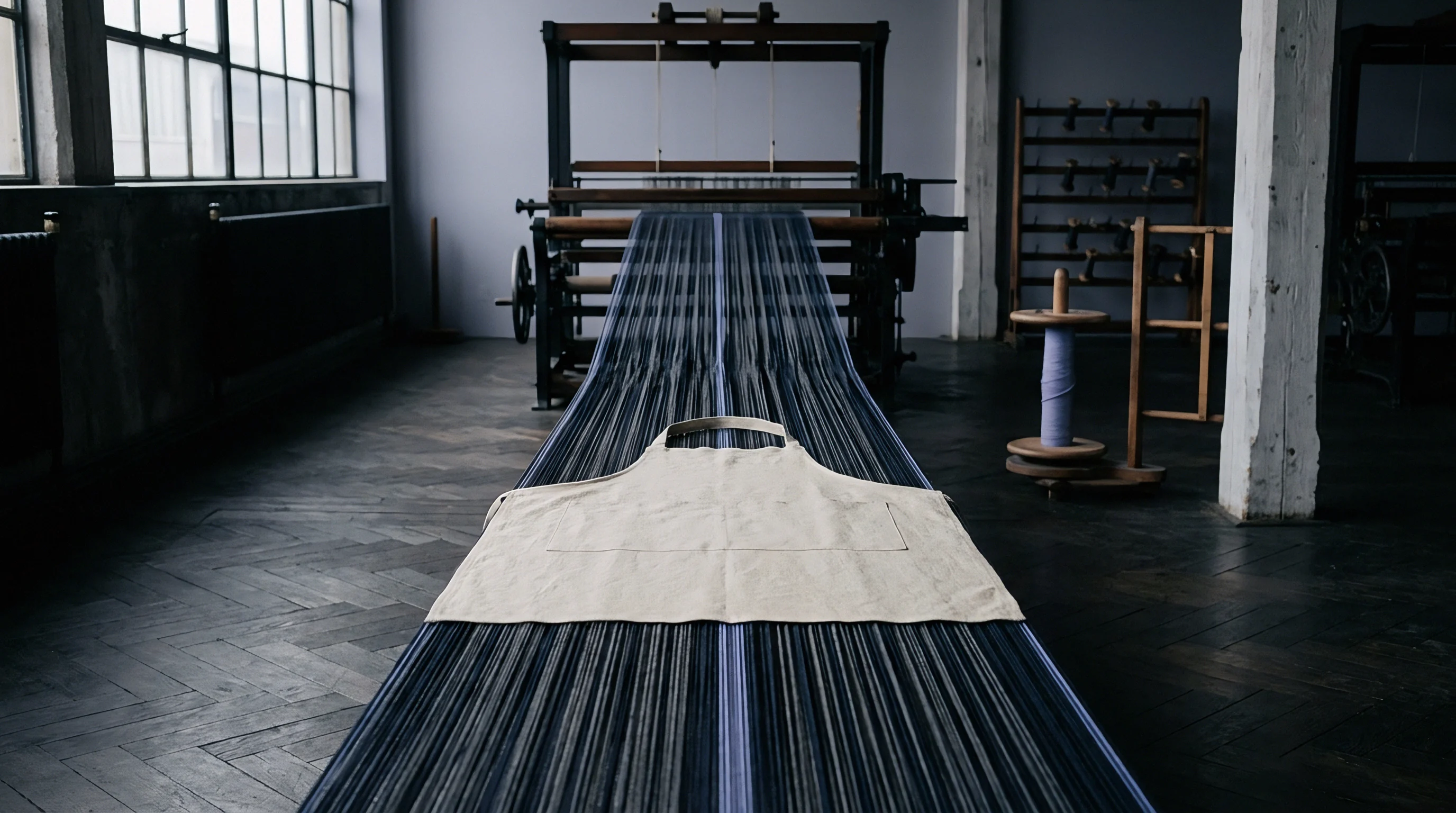

Strand
A package of raw flax yarn on the warping creel carries the imprint of its retting, decortication, and spinning geometry. Unlike continuous synthetic filaments or uniform ring-spun cotton, bast yarns rely on an internal hierarchy of elementary fibers bound by a non-cellulosic matrix. Individual flax cells run 10 to 40 millimetres long, with diameters averaging 12 to 30 micrometres.
Scutching and hackling gather these cells into technical fibers that form composite bundles anywhere from several centimetres to over a metre in length. Wet spinning routes the strand through hot water at 60 to 70 degrees Celsius, softening inter-fiber pectins so elementary fibers can draft past one another and align along the yarn axis before twist insertion. Dry spinning omits this thermal plasticization, leaving the yarn reliant on coarse, poorly aligned technical bundles.
That fundamental difference in architecture determines how the strand withstands creel payout tension, metal guide contact, and the abrasive cycling of loom shedding.
Warp preparation depends on close control over yarn count, cross-sectional variation, and bundle cohesion. Flax counts are defined either in the dry metric system (Nm) or in Tex. Fine wet-spun warps generally run from Nm 26 (38.4 Tex) to Nm 60 (16.6 Tex), whereas heavier warps for duck or upholstery employ dry-spun counts between Nm 6 (166.6 Tex) and Nm 14 (71.4 Tex).
The metric twist factor (alpha metric) controls the bundle’s radial compaction. Warp yarns typically require alpha metric values of 110 to 135 to develop enough inter-fiber friction against the shear forces of creel payout and shedding beat-up. Beyond that range, excessive twist begins to reduce tenacity by orienting the cellulose microfibrils too far off the yarn axis, accelerating tensile failure under shock loads.
Raw flax technical fibers retain pectin matrix nodes that cause localized flexural rigidity along the yarn axis.
The distribution of fibers across the strand determines both bulk density and packing fraction. High-resolution optical microtomography demonstrates that raw flax yarns possess non-circular profiles with spatial packing densities from 0.55 to 0.72. Misaligned bundles create localized defects, including slubs, necking zones, and thick places.
In wet-spun yarns, a slub is not simply an aesthetic blemish; it represents an undrafted cluster of technical fibers held rigid by un-retted pectic nodes. Pulling such an enlargement through tension discs at 600 metres per minute produces an immediate tension spike.
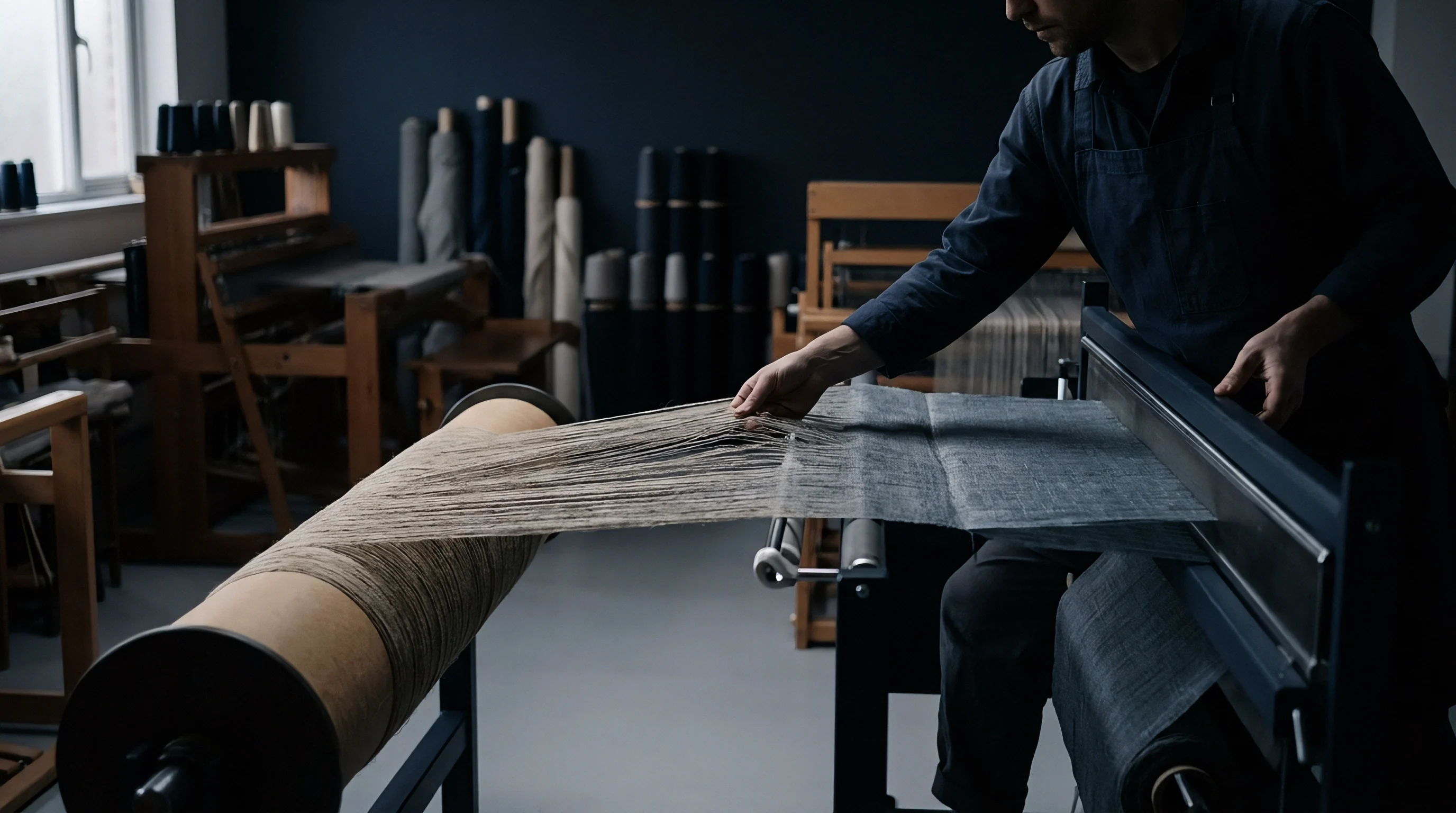
Fiber Bundle Architecture and Drafting Mechanics
Technical bast bundles consist of overlapping parallel columns of polygonal cells. In the thin primary cell walls, cellulose microfibrils are oriented randomly within an amorphous matrix of pectin, hemicellulose, and lignin. The thick secondary walls, which account for up to 80 percent of the cell’s cross-sectional area, feature highly crystalline microfibrils oriented at 8 to 11 degrees to the longitudinal axis.
That orientation gives single flax cells their steep tensile modulus of 60 to 80 Gigapascals. Practical yarn strength, however, relies on stress transfer across the middle lamella between neighboring cells. If winding tension surpasses the shear resistance of this inter-fiber pectin adhesive, the technical bundle shears apart internally before the cell walls ever approach their ultimate breaking strain.
During wet spinning, temperature and dwell time in the drafting trough dictate how thoroughly the pectin softens. The heated bath breaks hydrogen bonds in the pectic gel, enabling elementary fibers to glide past one another. This sliding attenuates the bundle, increases fiber overlap per unit volume, and smooths the yarn exterior.
Dry spinning provides no such hydrodynamic drafting, leaving bundles coarse, stiff, and branched, with elevated surface hairiness and wide cross-sectional variation.
| Yarn Type | Count Range (Nm) | Count Range (Tex) | Twist Alpha Metric | Mean Fiber Length (mm) | Mass CV (%) | Hairiness S3 Index |
|---|---|---|---|---|---|---|
| Wet-Spun High Grade | Nm 36 – Nm 60 | 27.7 – 16.6 Tex | 115 – 130 | 28 – 38 mm | 11.5 – 13.5% | 120 – 250 |
| Wet-Spun Standard | Nm 20 – Nm 35 | 50.0 – 28.5 Tex | 110 – 125 | 22 – 32 mm | 13.6 – 16.0% | 280 – 450 |
| Semi-Wet Spun | Nm 14 – Nm 26 | 71.4 – 38.4 Tex | 105 – 120 | 18 – 26 mm | 15.5 – 18.5% | 500 – 850 |
| Dry-Spun Coarse | Nm 6 – Nm 12 | 166.6 – 83.3 Tex | 95 – 110 | 12 – 20 mm | 18.0 – 22.5% | 1200 – 2100 |
Mass variation, measured as Mass CV%, governs the dimensional consistency of the wound beam. Capacitive testing indicates wet-spun flax achieves CV values between 11.5 and 16.0 percent, whereas dry-spun yarns consistently exceed 20.0 percent. Across two thousand ends on a beam, these mass swings translate into diameter ridges.
Denser bands take on disproportionate winding tension, generating uneven sheet tension when the loom opens the shed.
Hairiness in bast yarns presents mechanical problems distinct from those of cotton or synthetics. Protruding fiber tips consist of stiff, woody technical bundles rather than compliant single-cell hairs. The S3 hairiness index ~ measuring protruding ends longer than 3 millimetres per 100 metres ~ serves as the primary indicator of cling.
High S3 readings cause adjacent warp ends to catch during sectional warping and lease splitting, leading to yarn breaks, false drop-wire stops, and persistent reed streaks in the fabric.
In disputes concerning excessive warp breaks on sectional warpers, creel tension settings are frequently weighed against the delivery quality of un-retted dry-spun Nm 14 yarn sold under industrial tolerances.


Pectin
The non-cellulosic constituents in bast fibers dominate both the chemical reactivity and the mechanical compliance of warp yarn. Raw flax comprises approximately 70 to 75 percent crystalline alpha-cellulose, 12 to 15 percent hemicellulose, 4 to 7 percent pectic substances, 2 to 5 percent lignin, and 1.5 to 2.5 percent natural waxes, fats, and inorganic ash. Pectic polysaccharides form the middle lamella binder that welds individual cells into composite bundles.
Chemically, this binder consists of homogalacturonan chains of alpha-1,4-linked D-galacturonic acid units, partially methyl-esterified and coordinated with divalent calcium and magnesium ions. These ionic calcium pectate bridges produce a rigid structural network essential in the standing plant, yet problematic during mechanical processing.
Retting degrades this binding matrix through managed biological or chemical activity. Field dew-retting uses epiphytic fungi, including Cladosporium herbarum, to hydrolyze galacturonan backbones and free the fiber bundles from outer cortical tissue. Tank water retting employs anaerobic bacterial fermentation, yielding far more uniform bundle separation.
Under-retted fiber retains an excess of calcium pectate, leaving the yarn stiff, brittle, and prone to cleaving under sudden bending strain. Over-retting degrades the middle lamella excessively, breaking bundles into short, weakened strands that generate substantial lint on the warper creel.
Surface waxes on raw flax yarn dictate frictional contact during creel payout. Composed of high-molecular-weight esters, free fatty acids, and long-chain alcohols spanning C24 to C30, these waxes initially act as boundary lubricants against ceramic guides and tensioning surfaces. Unscoured flax exhibits a dry friction coefficient of 0.22 to 0.28 against polished chrome steel.
At warping speeds exceeding 500 metres per minute, however, local frictional heating softens and melts these wax deposits, shifting the contact interface toward viscous hydrodynamic shear. This softened wax transfers onto tension discs, trapping airborne fly and mineral dust to produce irregular tension surges across the package run.
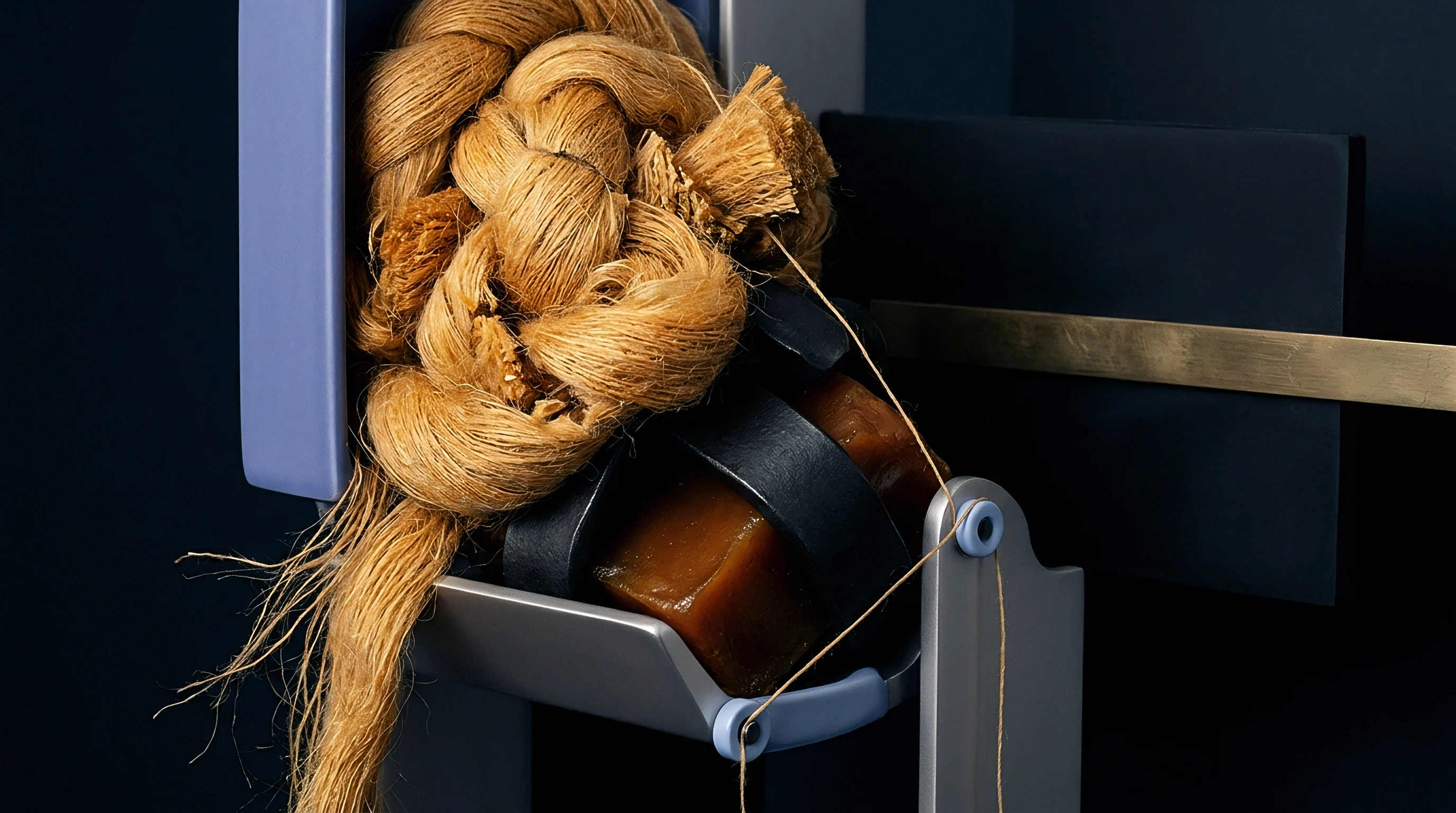
Calcium Pectate Binding Mechanics and Chemical Composition
The degree of galacturonan cleavage achieved during retting directly determines the bundle’s response to heat and strain. Divalent calcium cations bridge carboxyl groups between adjacent polygalacturonic chains, assembling the characteristic ‘egg-box’ coordination complex that resists thermal deformation up to 160 degrees Celsius. In wet spinning, immersion in hot water containing sodium ions or mild sequestering agents displaces these calcium bridges, swelling the gel and relaxing intercellular bonds for drafting.
Once the twisted yarn dries on the spinning frame, the pectic matrix consolidates, locking the drafted fibers into their final geometry.
Flax yarn with a residual wax content exceeding 1.8 percent reduces potato starch film adhesion by 34 percent under 65 percent relative humidity.
Hemicelluloses, primarily branched xylans and glucomannans, bond directly to cellulose microfibrils through extensive hydrogen networks. Their abundant free hydroxyl groups make raw flax exceptionally hygroscopic, showing a standard moisture regain of 12.0 percent by weight at 20 degrees Celsius and 65 percent relative humidity, compared to 8.5 percent for cotton. If ambient relative humidity drops below 45 percent, the loss of plasticizing bound water causes the hemicellulose matrix to collapse, leaving the strand rigid and susceptible to brittle fracture under dynamic shock loading.
Lignin content governs flexural rigidity and photolytic stability. Present as a three-dimensional aromatic polymer of p-coumaryl, coniferyl, and sinapyl alcohols concentrated in the primary wall and middle lamella, lignin fractions exceeding 4.0 percent by weight elevate yarn stiffness and depress elongation at break. In sizing, this hydrophobic polymer limits the penetration of aqueous formulations based on potato starch or carboxymethyl cellulose (CMC).
Rather than anchoring through the core, the size forms a brittle exterior shell that fractures readily when flexed over lease rods.
Un-retted pectic nodes form localized zones of high electrical resistivity along the yarn length. Despite the high overall moisture content of flax, friction through creel eyelets generates static charge accumulations. Without grounded antistatic bars installed before the creel comb to neutralize the sheet, charged ends balloon into adjacent paths, producing crossed ends on the warper drum.
Releasing a five thousand kilograms production lot of raw wet-spun warp yarn requires establishing a chemical or enzymatic index to quantify the degradation ratio of calcium pectate prior to shipment.

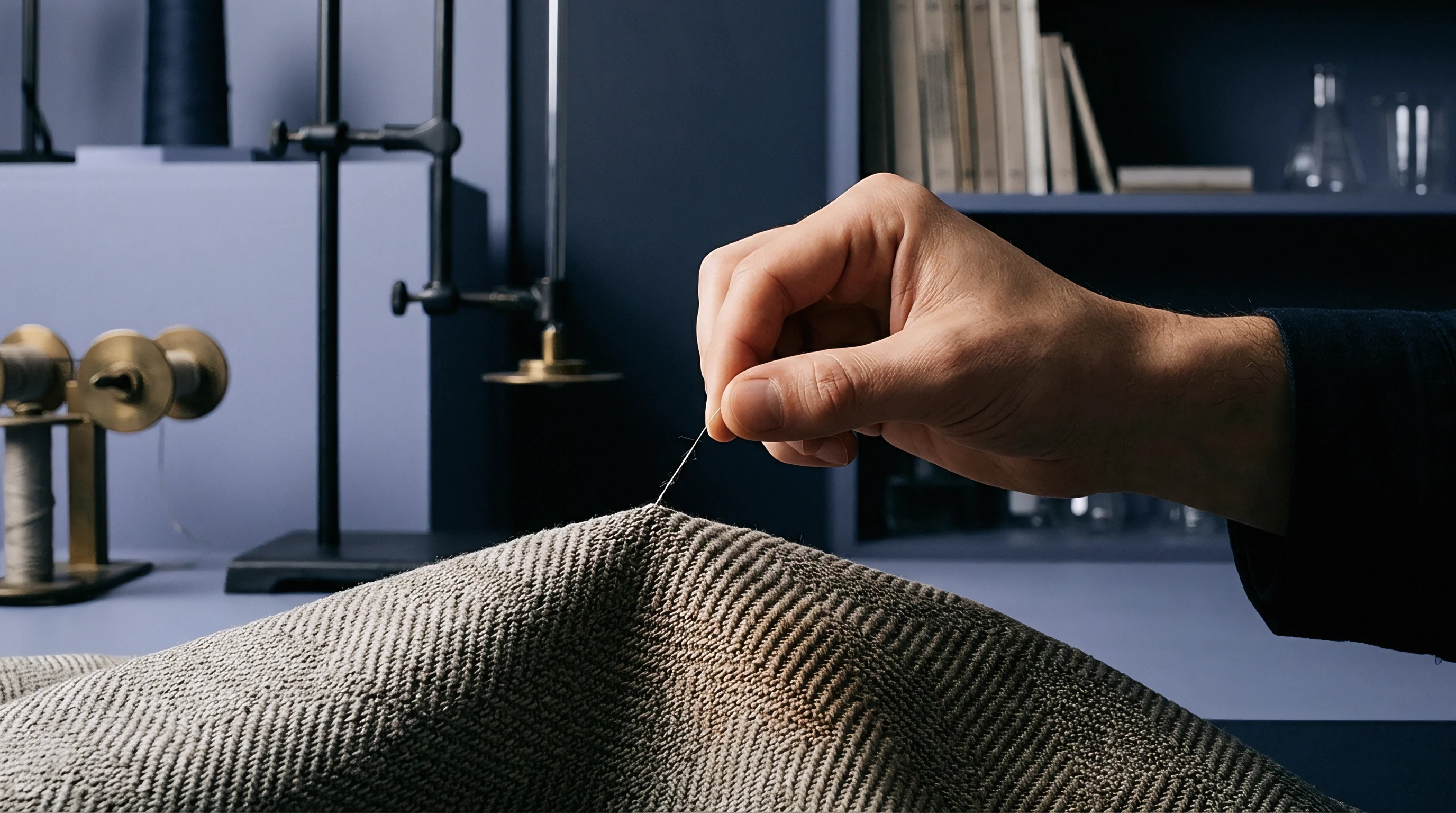
Metrics
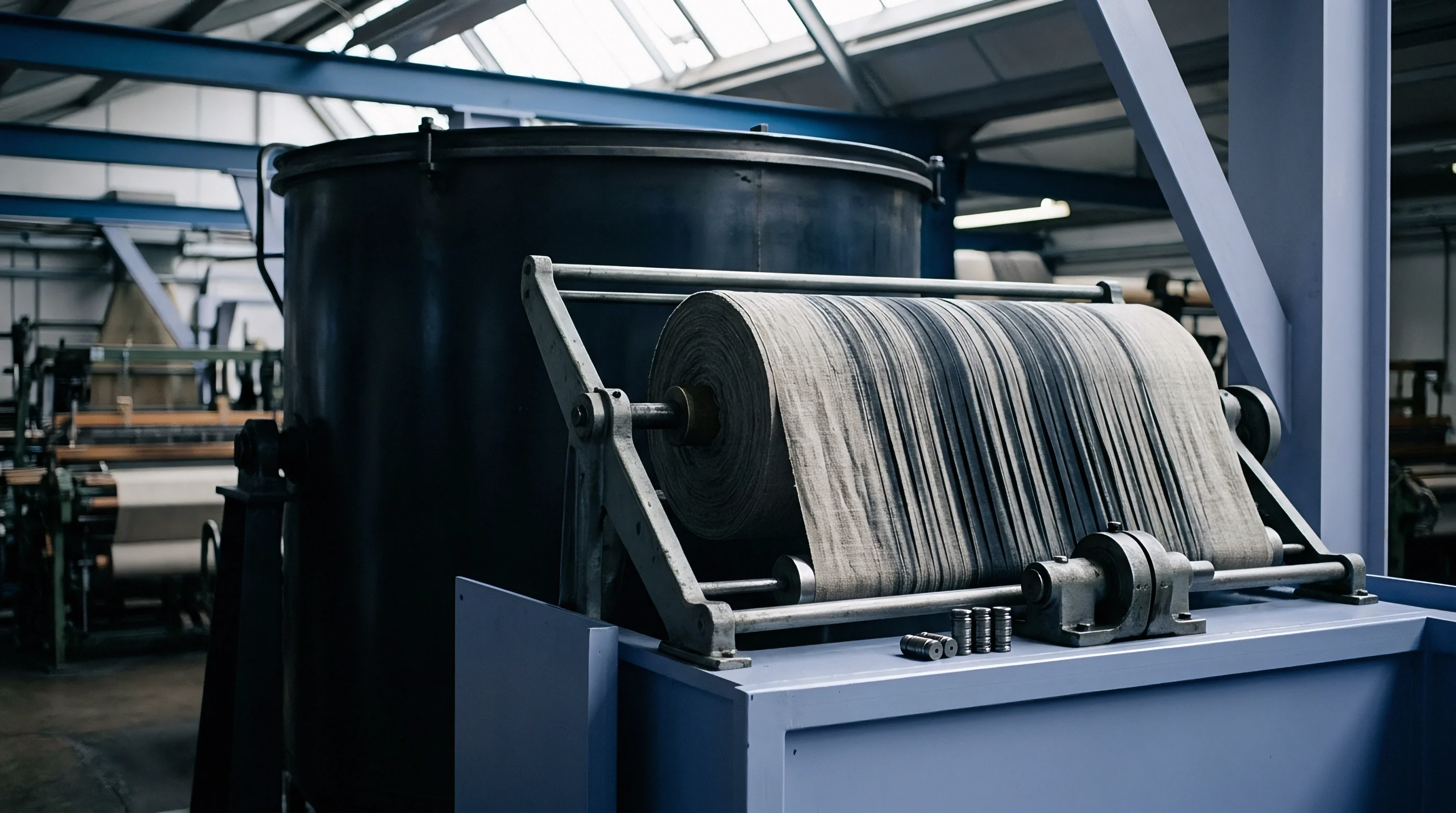
Verifying yarn quality prior to warping relies on standardized laboratory testing across multiple physical properties. Evaluating single-strand breaking force, elongation, tenacity, mass CV, and twist distribution isolates defective lots before creeling. Protocols adhere to established standards: ISO 2060 for linear density, ISO 2062 for tensile performance, ISO 17202 for untwist-retwist determination of twist, and ISO 16549 for capacitive mass irregularity.
Relying on average values masks the extreme lower tail of the distribution, which governs performance under weakest-link conditions in high-speed shedding.
Tensile curves for raw flax are characteristically steep and linear. Single-yarn tenacity for high-grade wet-spun warps ranges between 28.5 and 42.0 centinewtons per Tex (cN/tex), whereas coarse dry-spun yarns achieve only 12.0 to 18.5 cN/tex. Elongation at break remains low, typically falling between 1.6 and 2.4 percent.
This minimal elastic margin leaves virtually no buffer for dynamic shock loads during warping or shed opening; a sudden tension excursion easily tolerated by cotton exceeds flax’s ultimate strain, causing immediate yarn rupture.
Standard ASTM D2256 tensile testing requires twenty specimen breaks per package, where any lot exhibiting a tenacity coefficient of variation above fourteen percent triggers immediate batch re-testing or warp yarn rejection.
The distribution of breaking force defines the functional operating window of a warp delivery. In wet-spun yarns, the breaking load CV% must remain under 12.5 percent. A distribution with an extended lower tail ~ where individual measurements fall below 12 cN/tex ~ leads directly to frequent warp stops on rapier looms operating at 450 to 600 picks per minute.
Capacitive mass testing with Uster spectrographs identifies periodic faults resulting from drafting waves, eccentric drafting rollers, or defective sliver blending, while counts of thick places (+50%) and thin places (-50%) per 1000 metres establish clear thresholds for clearer settings.
Tensile Strength Distribution and Laboratory Testing Standards
Accurate laboratory characterization requires conditioning yarn packages in accordance with ISO 139 (20 degrees Celsius +/- 2 degrees, 65 percent relative humidity +/- 4 percent) for a minimum of 24 hours. Unconditioned, dry flax exhibits depressed elongation alongside artificially brittle strength figures. Testing at relative humidities above 75 percent distorts results in the opposite direction, as excess moisture plasticizes the hemicellulose matrix, dampens internal stress concentrations, and permits microfibrils to align further before failure.
| Test Parameter | Standard Test Method | Target Range (Wet-Spun) | Action Limit (Rejection) | Operational Loom Impact |
|---|---|---|---|---|
| Single Yarn Tenacity | ISO 2062 / ASTM D2256 | 30.0 – 40.0 cN/tex | < 25.0 cN/tex | High warp end breakage during shedding beat-up |
| Elongation at Break | ISO 2062 / ASTM D2256 | 1.8% – 2.3% | < 1.5% | Inability to absorb loom shed opening peak loads |
| Tenacity CV% | ISO 2062 | 9.5% – 12.0% | > 14.5% | Frequent random warp stops at weak points |
| Mass Irregularity (Uster CV%) | ISO 16549 | 12.0% – 14.5% | > 17.0% | Uneven sizing take-up, warp streaks, reed marks |
| Thin Places (-50% / 1000m) | ISO 16549 | 5 – 25 per 1000m | > 60 per 1000m | Localized tensile failure points on creel payout |
| Thick Places (+50% / 1000m) | ISO 16549 | 15 – 45 per 1000m | > 90 per 1000m | Entanglement at lease rods and drop wire stops |
| Twist Factor (Alpha Metric) | ISO 17202 | 115 – 125 | < 105 or > 135 | Low strength (<105) or severe yarn snarls (>135) |
Twist variability analysis must account for the intrinsic torque of the bast bundle. Flax fibers possess natural residual torque arising from the Z-direction helical orientation of microfibrils in the S2 cell wall layer. Inserting S-twist counter to this natural lay destabilizes the strand, encouraging lively snarling during creel unwinding.
When these kinks reach the warping comb, they jam in the dents and sever multiple adjacent threads. Untwist-retwist determinations require a standardized pre-tension of 0.5 cN/tex +/- 0.1 cN/tex to prevent un-retted fiber ends from flaring during the cycle.
Work-to-break, calculated as the area under the stress-strain curve up to failure, reflects the energy absorption capacity of the yarn. Flax possesses a low work-to-break profile compared to cotton or synthetic fibers, with a typical Nm 30 wet-spun yarn absorbing between 1.2 and 1.8 Joules per metre. On high-speed weaving machinery, work-to-break often correlates more closely with operational survival than static tenacity, as low-energy yarns succumb to cyclic extension fatigue despite acceptable single-break averages.
When preparing a 4,200-end warp of Nm 26 wet-spun yarn for a 2,200-metre upholstery run on rapier looms operating at 500 picks per minute, relying on a supplier certificate listing an average tenacity of 31.5 cN/tex without variance data creates substantial operational exposure. Independent testing on such a lot identified a tenacity CV of 16.2 percent alongside 85 thin places per 1000 metres. On the warper, defects in that lower tail triggered 14.2 stops per 100 million metres of single yarn, forcing operators to reduce creel payout speed from 600 to 320 m/min.
Total preparation time doubled, consuming 42 unexpected loom-prep hours and adding 0.38 USD per finished metre before the beam ever reached the weaving shed.
A production facility absorbed an 18,400 USD loss on a single 30,000-metre run when an unverified yarn lot with a mass CV of 18.5 percent resulted in 8.6 warp breaks per loom-hour, pulling shed efficiency down from 85 percent to 58 percent.

Friction
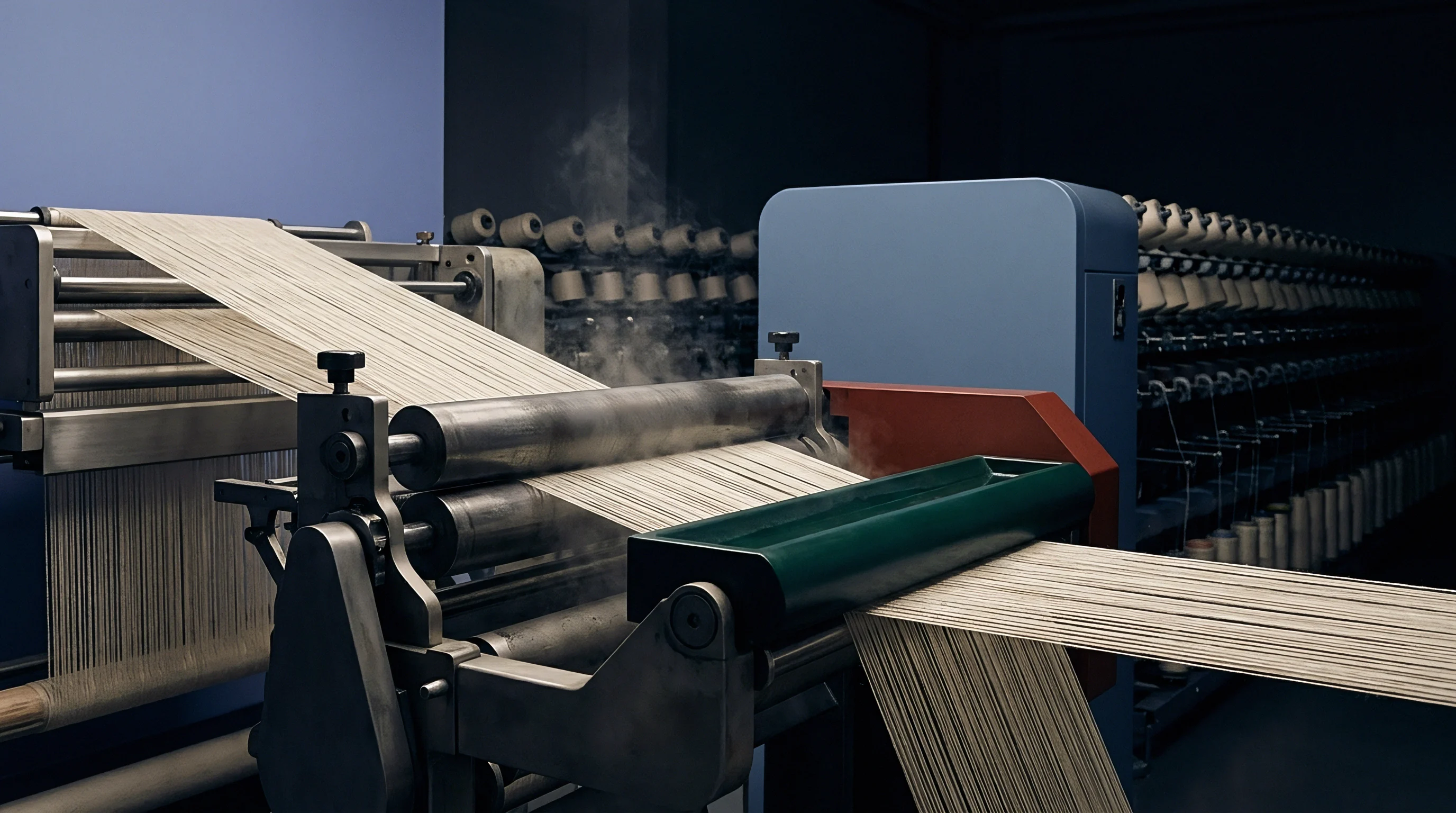
Running raw flax through high-speed warpers exposes the fiber to severe friction, dynamic tension surges, and surface abrasion. Creels draw ends over-end from packages at velocities reaching 800 metres per minute. This rotational unwinding generates centrifugal ballooning that whips stiff fiber tips across ceramic eyelets, tension discs, drop wires, and reed dents.
The inherent stiffness of flax bundles combined with remaining pectic nodes generates high frictional drag. That contact generates localized heat, abrades protective surface waxes, sheds fly, and induces micro-fractures across the technical bundles.
Tension uniformity across the creel determines beam quality. A typical V-creel or rectangular frame holds 400 to 1,000 package positions. Yarn paths from the back row to the headstock can differ by up to 15 metres, creating uneven drag.
Ends from rear positions pass through more guide eyelets, building friction according to the capstan (Euler-Eytelwein) relationship:
T2 = T1 exp(mu theta)
where T2 represents output tension, T1 is unwinding tension, mu is the friction coefficient between yarn and guide surface, and theta is the cumulative contact angle in radians. Because flax exhibits a substantial friction coefficient against standard alumina ceramics (mu = 0.28 to 0.36), a total wrap angle of 3.14 radians (180 degrees) across intermediate guides multiplies tension by a factor of 2.4 to 3.1. Ends originating from rear rows consequently enter the warping comb under considerably higher tension than front-row threads, leading to differential pre-stretch across the beam width.
Dynamic Friction Coefficients and Creel Winding Dynamics
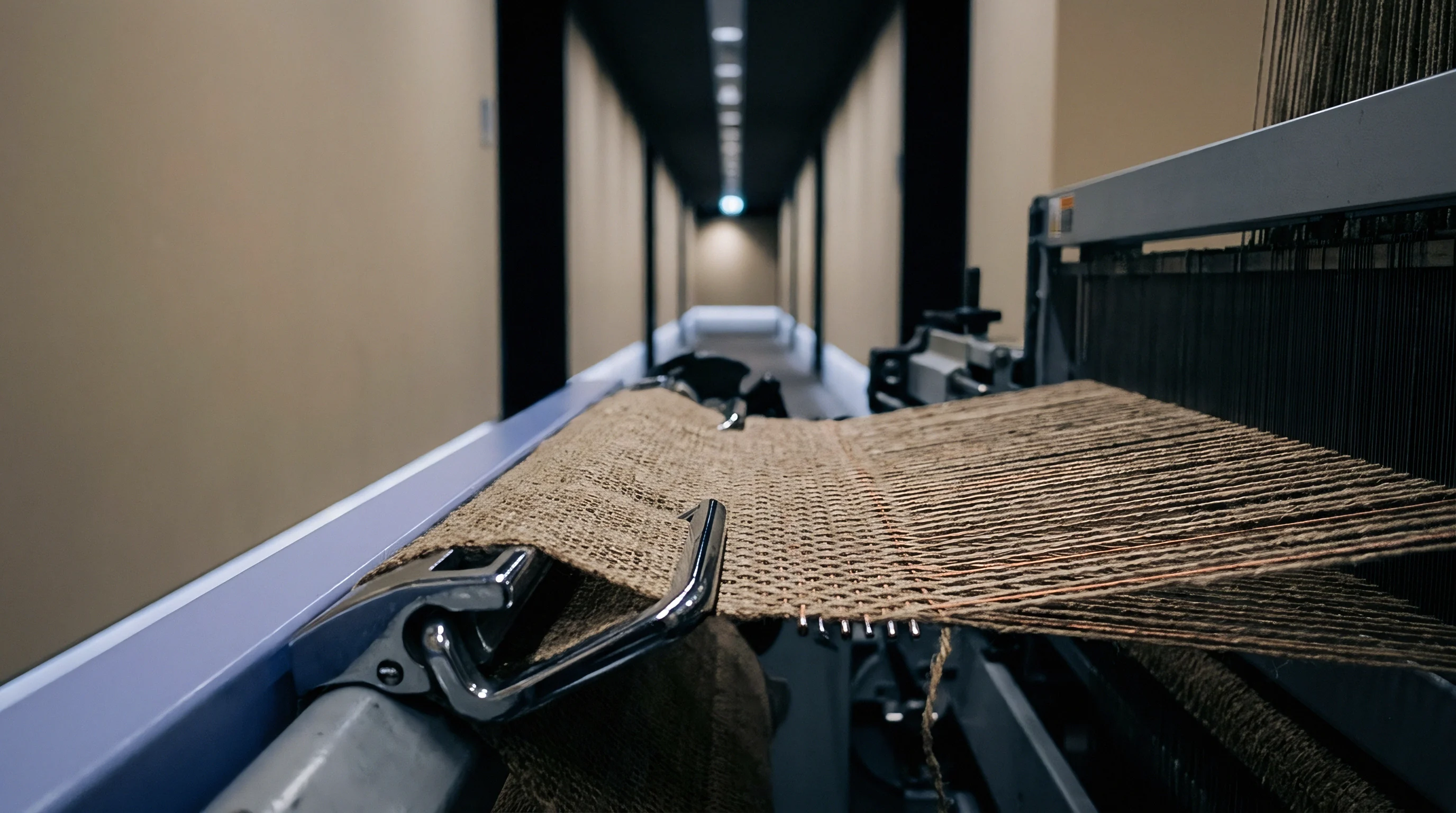
Monitoring dynamic yarn friction requires calibrated load sensors positioned along the payout path. Chrome steel, titanium nitride coatings, and matte alumina ceramics exhibit markedly different behaviors against raw flax. Matte alumina reduces real contact area, thereby limiting the adhesive shearing of surface waxes.
Polished surfaces, conversely, maximize the contact zone, which smears soft waxes, elevates overall drag, and accelerates the accumulation of compacted pectin powder within tension discs.
The buildup of pectin dust and detached fibrils within tension mechanisms represents a failure pattern specific to bast fibers. As the yarn passes beneath spring-loaded tension discs, sheared surface particles blend with thermally softened wax to form an adhesive residue. This paste impedes disc movement, producing abrupt tension spikes that snap fine wet-spun yarns.
Creels dedicated to raw flax require integrated pneumatic blowers and vacuum extraction hoods over the tension banks to evacuate dust before it consolidates inside the guides.
Achieving uniform beam density necessitates precise tension management at the warper headstock. Contemporary sectional machines utilize closed-loop load cells beneath the leasing comb to regulate drum torque continuously. Target winding tension for flax is maintained between 0.12 and 0.18 cN/tex, translating to 4.0 to 6.0 grams per end for an Nm 30 yarn (33.3 Tex).
Exceeding 0.20 cN/tex draws this low-elongation fiber past its proportional yield limit, causing plastic deformation that manifests as warp breakages during sizing or subsequent weaving.
The physical hazards encountered by raw flax yarn during high-speed warping creel payout cluster into distinct mechanical and structural failure patterns:
- Creel eyelet grooving occurs when stiff bast bundles saw into low-grade ceramic or polymer eyelets, wearing sharp grooves that snag trailing yarn.
- Differential package ballooning develops as yarn tension drifts between full and spent packages, triggering balloon collapse and erratic whipping against adjacent creel pegs.
- Pectin dusting accumulation deposits fine debris inside tension assemblies, restricting damping movement and causing sudden tension spikes.
- Crossed ends at the lease rod arise from high fiber hairiness and elevated S3 indices, which cause adjacent ends to cling during sheet separation.
- Unbalanced beam density variance results from uncompensated drag disparities between front and rear creel rows, producing alternating hard and soft bands across the warp beam.
Warp beam density should remain within 0.52 to 0.58 grams per cubic centimetre. Winding past 0.62 g/cm3 exerts severe compressive forces on lower yarn wraps, flattening the round wet-spun profile and crushing bundle structure. Conversely, winding below 0.48 g/cm3 leaves the beam susceptible to edge collapse, yarn sinkage during size box let-off, and uneven width-wise tension during shed opening.
Tension spikes at the creel exit eyelet break fine flax yarns long before the average tensile limit of the package is reached.
Carefully selected guide profiles minimize fiber abrasion, while matte ceramic contacts spread frictional heat sufficiently to prevent the melting of surface plant waxes.

Splice
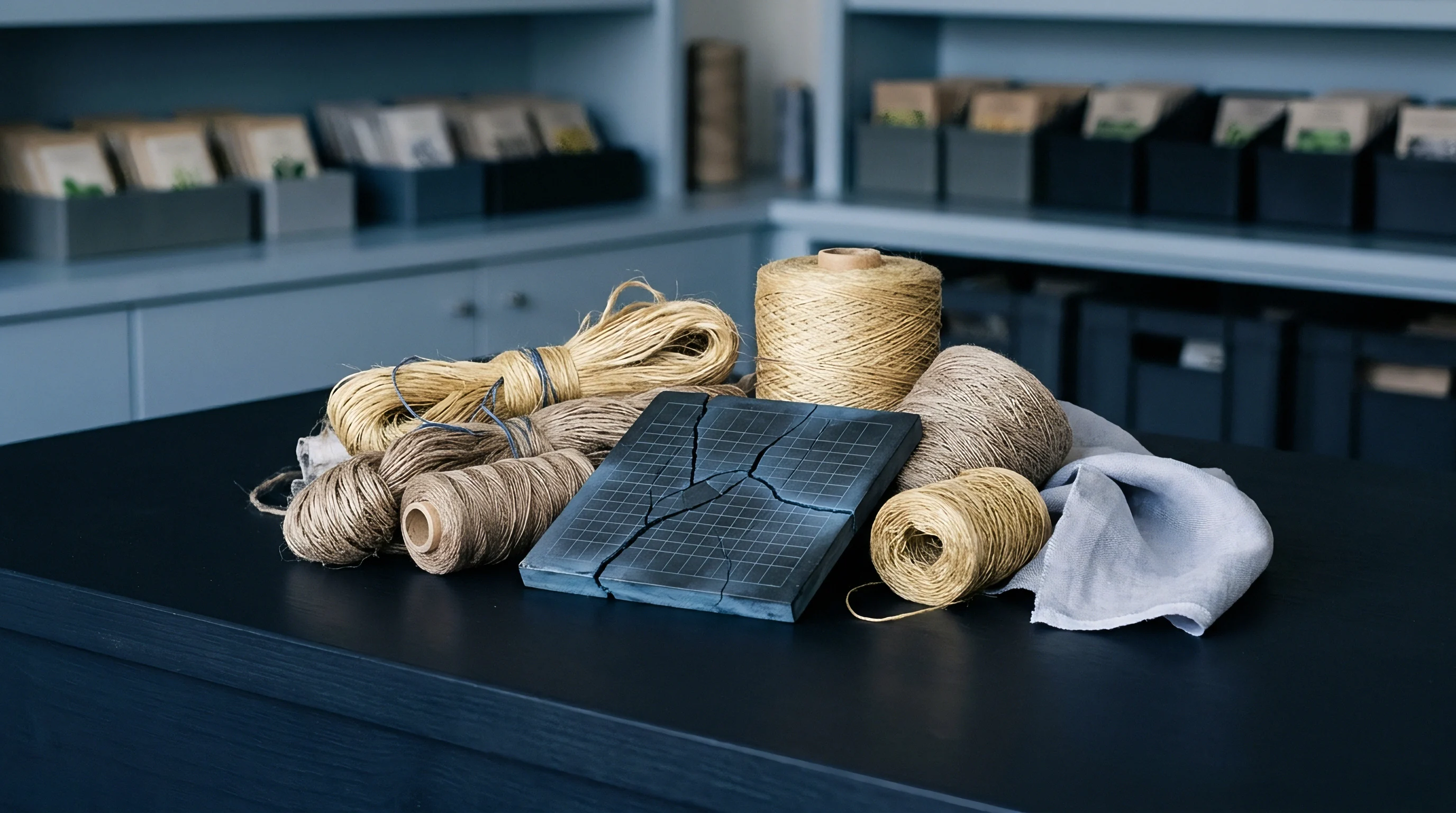
Preparing warp sheets requires package-to-package tying on the creel and mending breaks during winding. Traditional weaver’s and fisherman’s knots present serious mechanical liabilities on modern high-speed looms. A standard weaver’s knot enlarges yarn cross-section by 250 to 350 percent and leaves rigid tail ends protruding from the joint.
Passing through drop wires, heddle eyes, and narrow reed airspaces (0.6 to 1.2 mm) at production speeds, knots generate sharp impact loads, abrade adjacent threads, and trigger breakages in neighboring ends. Industrial weaving plants now rely almost exclusively on pneumatic splicing systems adapted for bast fibers.
Splicing raw flax involves considerations very different from those of cotton or synthetic filament yarns. Because bast fibers are inherently stiff and bound by pectic matrices, standard cotton splicing chambers cannot adequately untwist and intermingle the bundles, resulting in bulky joints with poor tensile retention. Flax processing relies on dual-stage splicing units equipped with mechanical cut-off knives, specialized mixing chambers, and liquid mist injection.
The injected mist rapidly hydrates the hemicellulose fraction, allowing compressed air pulses at 6.0 to 8.0 bar to open the yarn ends, interlace elementary fibers, and re-insert twist without fracturing individual cell walls.
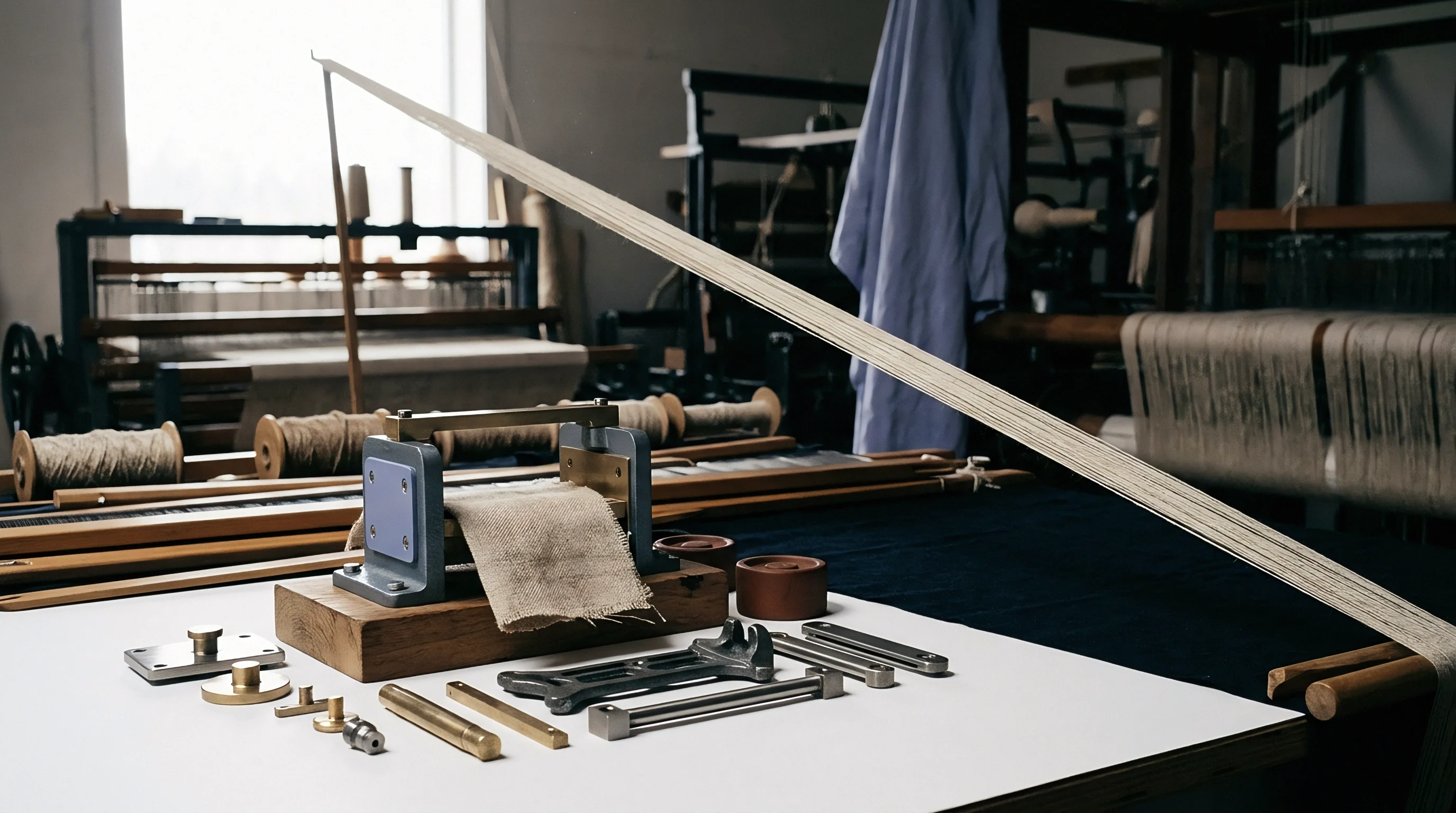
Pneumatic Air Splicing Mechanics and Microstructure
Pneumatic splicing proceeds through four distinct phases: preparation cutting, untwisting, pneumatic intermingling, and twist consolidation. Mechanical knives shear both yarn ends to preset lengths inside the mixing chamber. Regulated air blasts enter the untwisting nozzles, stripping inserted twist over a 15 to 25 millimetres zone to separate technical bundles without rupturing single cells.
Metering in 15 to 25 microlitres of an aqueous solution containing a non-ionic wetting agent softens surface pectin, reducing bundle stiffness so high-velocity air pulses can entangle the elementary fibers cleanly.
Splice quality metrics focus on three parameters: splice strength efficiency, splice diameter ratio, and splice length. Splice strength efficiency expresses the breaking load of the spliced yarn as a percentage of the parent yarn breaking load:
Efficiency (%) = (Breaking Force of Splice / Breaking Force of Parent Yarn) 100
Target splice strength efficiency should consistently exceed 85 percent. The splice diameter ratio ~ comparing maximum joint thickness to parent yarn diameter ~ must remain under 1.25 to clear drop wires, heddles, and reed dents without interference. In fine wet-spun yarns, a splice length between 18 and 22 millimetres delivers sufficient frictional contact area while preventing excessive joint bulk.

Should Pneumatic Splicing Replace Mechanical Knots in Fine Flax Warps?
Transitioning from mechanical knots to pneumatic splicing entails investment in dedicated splicing units and dry compressed air supplies, yet the operational payback through reduced loom downtime is substantial. Across a 4,000-end warp, tied joints pass through reed dents more than 100,000 times during weaving. Knot failure rates in wet-spun Nm 30 yarns average 4.2 percent under repetitive shedding stress, whereas wet pneumatic splices fail at rates below 0.3 percent.
Eliminating knots reduces warp-related loom stops by up to 65 percent, curtailing start marks, mispicks, and reed scuffs.
To qualify pneumatic splices for incoming raw flax yarn lots, technical auditors perform a mandatory five-stage laboratory verification protocol:
- Clamp the test package into an automatic splicing test bench with mist injection and regulators set to 7.0 bar.
- Make twenty test splices per package across ten randomly chosen packages from the lot, logging air pressure, blast duration, and liquid volume.
- Measure each splice profile using an optical analyzer at three points to verify the diameter ratio stays under 1.25.
- Test all twenty specimens on a constant-rate-of-extension tensile tester under ISO 2062, recording peak breaking force and break location.
- Examine the break under a microscope to confirm the failure came from fiber slip rather than a sharp transverse shear across the splice.
| Join Method | Tensile Efficiency (%) | Diameter Ratio (Max/Parent) | Passage Failure Rate in Reed (%) | Visual Aspect in Finished Fabric |
|---|---|---|---|---|
| Weaver’s Knot | 60 – 72% | 2.80 – 3.40 | 4.2 – 6.8% | High visibility, dense slub-like surface defect |
| Fisherman’s Knot | 65 – 78% | 2.50 – 3.10 | 3.8 – 5.5% | High visibility, tail ends snag filling threads |
| Dry Pneumatic Splice | 70 – 81% | 1.35 – 1.60 | 1.2 – 2.4% | Moderate visibility, slight local hairiness bulge |
| Wet Pneumatic Splice | 85 – 94% | 1.10 – 1.22 | 0.1 – 0.3% | Virtually invisible, smooth structural integration |
| Thermosetting Adhesive Join | 88 – 96% | 1.15 – 1.30 | 0.4 – 0.8% | Low visibility, localized stiff spot in handfeel |
Evaluating splice endurance under cyclic loading is critical for high-speed weaving. Shedding motions on modern rapier looms generate cyclic extensions at frequencies of 6 to 10 Hertz, subjecting ends to repetitive strains between 1.0 and 2.2 percent. A joint that demonstrates acceptable static tensile strength may fail through fatigue loosening if excessive pneumatic pressure abraded the untwisted bundles during formation.
Subjecting test splices to 5,000 fatigue cycles at 75 percent of single-yarn tenacity provides an effective qualification screen prior to creeling.
Master purchasing specifications for fine linen warps require creel joins and package transfers to maintain at least 85 percent of parent yarn tenacity, alongside a maximum diameter ratio of 1.25. Any delivery lot failing to satisfy these criteria across a twenty-specimen verification sample is subject to rejection at the supplier’s expense.
Audit
Protecting weaving margins requires rigorous receiving inspection protocols for all raw flax shipments. A mill cannot afford to identify yarn defects only after mounting three thousand kilograms onto a warper creel. Weaving downtime represents the primary financial exposure in bast fiber processing; lost loom hours are irrecoverable, and re-warping quickly consumes operational margins.
Correlating mill test certificates with independent laboratory audits resolves discrepancies between nominal specifications and floor performance.
Determining landed fabric costs requires accounting for preparation efficiency, sizing pickup, and actual loom operating time. A 190-centimetre rapier loom running at 480 picks per minute produces a theoretical output dictated by pick density: at 18 picks per centimetre in plain weave, theoretical output reaches 16.0 metres per hour. When poor-quality yarn with high mass CV and weak splices generates 4.5 warp stops per hour, operating efficiency drops from an 86 percent target to 64 percent, pulling net production down to 10.2 metres hourly.
Because fixed plant costs ($58.00 per hour for power, labor, overhead, and capital depreciation) are allocated across fewer woven metres, weaving conversion costs rise from 3.62 USD to 5.68 USD per metre.

Commercial Batch Qualification and Risk Management
A commercial receiving audit requires contractual, statistically grounded acceptance criteria. Sampling protocols follow ISO 2859-1 (ANSI/ASQ Z1.4) normal inspection plans. For a 10,000-kilogram shipment (roughly 500 cartons), the inspection protocol draws 80 packages at random across pallet tiers.
Test benches measure single-strand tenacity, twist, mass CV, and moisture regain on each sampled package. Should non-conforming units exceed the 1.5 percent Acceptable Quality Limit (AQL), the delivery lot is placed into quarantine pending joint review with the supplier.
A comprehensive incoming qualification dossier for raw flax warp yarn must contain four core documentation components:
- Moisture equilibrium verification reporting absolute water content determined via oven-dry method ISO 2060 to establish commercial invoice mass.
- Pneumatic splice tensile validation documenting mean breaking force, CV%, and failure modes across twenty wet-pneumatic splices prepared per sample bobbin.
- Capacitive mass irregularity audit providing Uster spectrographs alongside thin place (-50%), thick place (+50%), and nep (+200%) defect frequencies per 1000 metres.
- Residual wax surface analysis measuring solvent-extractable lipophilic fractions via Soxhlet extraction to confirm wet-out compatibility with aqueous sizing formulations.
Minimum warp beam lengths establish the operational threshold for economic viability. Manual creel loading, drawing-in through 4,000 drop wires, drafting into heddle eyes, and reed reeding consume 12 to 18 technician hours. For fine wet-spun warps, cost-effective runs begin around 3,000 metres.
Warps shorter than 1,500 metres drive setup overhead per woven metre to unsustainable levels, rendering short custom dye lots or sample runs unprofitable unless full changeover surcharges are billed to the customer.
| Yarn Quality Tier | Tenacity CV (%) | Mass CV (%) | Warp Stop Rate (per 10^5 picks) | Achievable Loom Efficiency (%) | Net Loom Output (m/24h) | Landed Weaving Cost Delta ($/m) |
|---|---|---|---|---|---|---|
| Tier 1: High-Grade Wet-Spun | 9.5 – 11.5% | 11.5 – 13.0% | 0.8 – 1.4 stops | 88 – 92% | 338 – 353 metres | Baseline ($0.00) |
| Tier 2: Standard Wet-Spun | 12.0 – 14.0% | 13.5 – 15.5% | 1.8 – 2.8 stops | 81 – 85% | 311 – 326 metres | +$0.45 per metre |
| Tier 3: Semi-Wet Spun | 14.5 – 17.0% | 16.0 – 18.5% | 3.5 – 5.2 stops | 70 – 76% | 268 – 291 metres | +$1.22 per metre |
| Tier 4: Coarse Dry-Spun | 17.5 – 22.0% | 19.0 – 23.0% | 6.5 – 9.8 stops | 54 – 62% | 207 – 238 metres | +$2.85 per metre |
Comparing quality grades against net loom production illustrates why purchase price per kilogram presents a distorted view of total cost. Premium wet-spun yarn commands a 20 to 30 percent initial cost premium over standard semi-wet spun yarn. However, weaving with semi-wet yarn roughly quadruples warp stop frequency, cutting loom output by more than 60 metres per 24-hour shift and introducing a $1.22 per metre penalty in conversion expense.
Upfront savings on raw yarn unit pricing are rapidly offset by stop-related efficiency losses in the weaving shed.
Purchasing specifications for dense flax warps should legally bind the spinner to definite physical parameters, including minimum single-end tenacity, mass CV ceilings, splice efficiency floors, and S3 hairiness thresholds. When a delivered lot deviates from these boundaries, third-party laboratory data collected under ISO protocols provides the necessary evidential basis for commercial rejection, chargebacks, or immediate batch replacement prior to creeling.
Commercial billing often lags physical delivery at the mill warehouse.
Final commercial settlement relies on certified oven-dry mass corrected by standard commercial moisture regain, calculating invoiced mass as absolute dry fiber mass multiplied by 1.12. Weight discrepancies between mill dispatch documents and warehouse receiving scales frequently arise when shipments desorb moisture during containerized ocean transit or pick up water on humid quays. Executing ISO 2060 oven-dry determinations on incoming lots prevents paying for water weight and establishes an accurate basis of supply before yarn packages reach the warping creel.