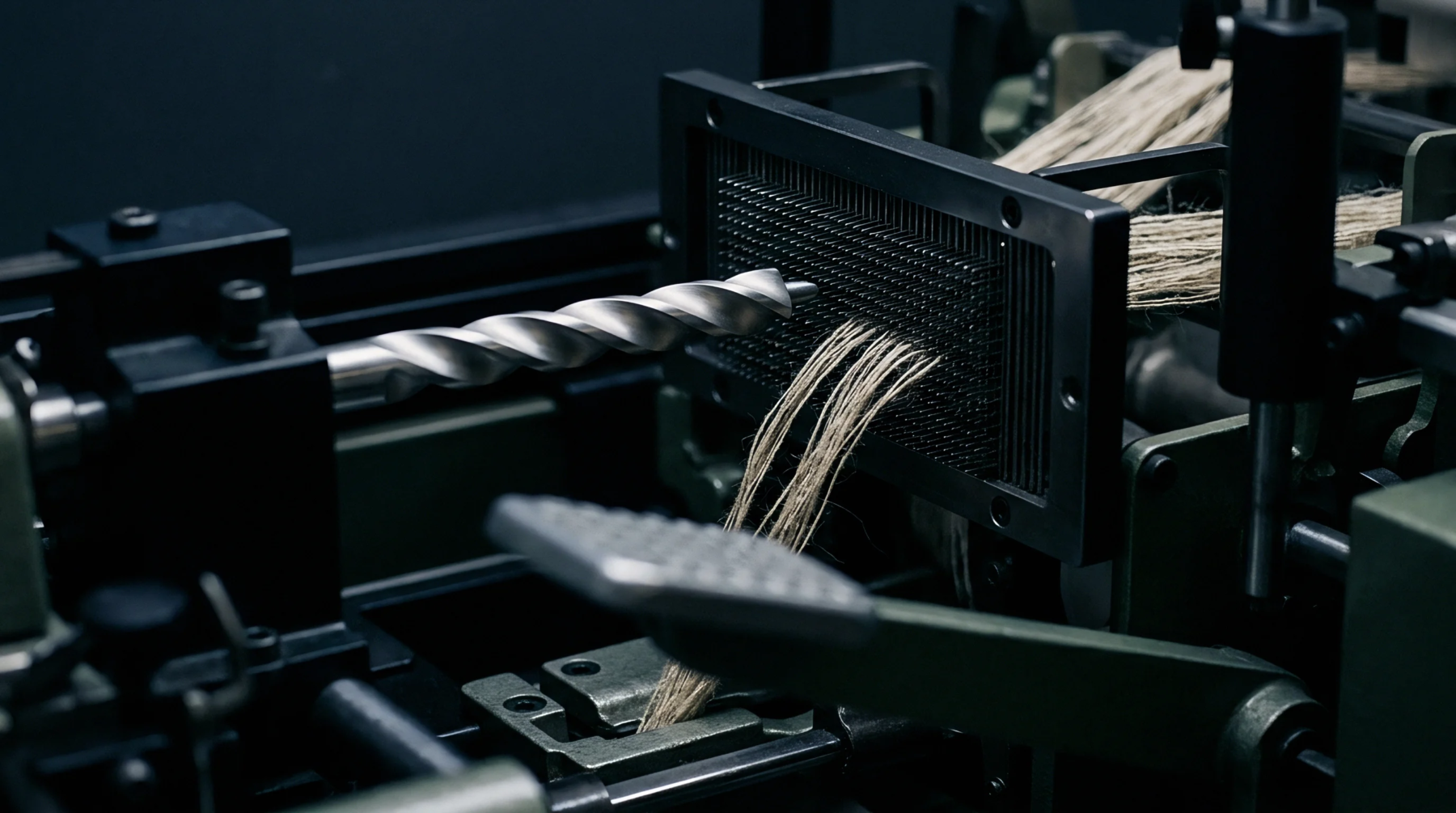
Pectin Dissolution Rate
Solubilization kinetics describe the chemical breakdown of plant intercellular gums during the alkali boiling stage of wet processing in Chinese manufacturing plants. Pectin dissolution governs the removal of natural cementing materials that bind ultimate flax fibres together within technical strands. Boiling liquor temperatures and caustic soda concentrations control the velocity of gum detachment before yarn spinning operations begin.
The technical sheet records this kinetic measurement to establish whether chemical penetration meets internal mill standards. Buyer acceptance criteria evaluate final fabric hand rather than raw boiling parameters, separating commercial fabric grades from initial fibre preparation metrics. Soluble impurities diffuse outward into the scouring bath through capillary action once alkaline hydrolysis breaks ester bonds within the gum matrix.
Residual plant gums harden during subsequent drying phases if chemical degradation proceeds incompletely, causing severe irregularities in mechanical carding and drafting.
Enzyme Concentration Thresholds
Biological auxiliary additions regulate depolymerization speeds when processing high-density flax lots originating from northern provinces. Pectin dissolution accelerates significantly when commercial pectinase preparations supplement sodium hydroxide solutions inside industrial kiers. Enzyme dosage levels demand precise calculation because excessive catalytic activity damages cellulose backbone chains within elementary filaments.
Laboratory technicians verify reaction endpoints by titrating residual galacturonic acid concentrations in the spent liquor. Mill managers maintain strict tolerances to prevent tensile strength loss across roving production lines destined for export markets.
Export Quality Verification
Final batch certification relies on standard moisture regain tests combined with residual gum quantification before commercial release. The shipping document specifies maximum allowable non-cellulosic content to satisfy international merchant contracts for high-grade linen fabrics. Analytical laboratories measure extractive losses using Soxhlet extraction protocols on randomized yarn samples drawn directly from spinning frames.
Exporters reject lots exceeding established gum retention limits because unhydrolyzed fractions interfere uniformly with reactive dyeing processes. Controlled boiling parameters eliminate variability between domestic spinning mills and foreign weaving houses.