Fibre Grade
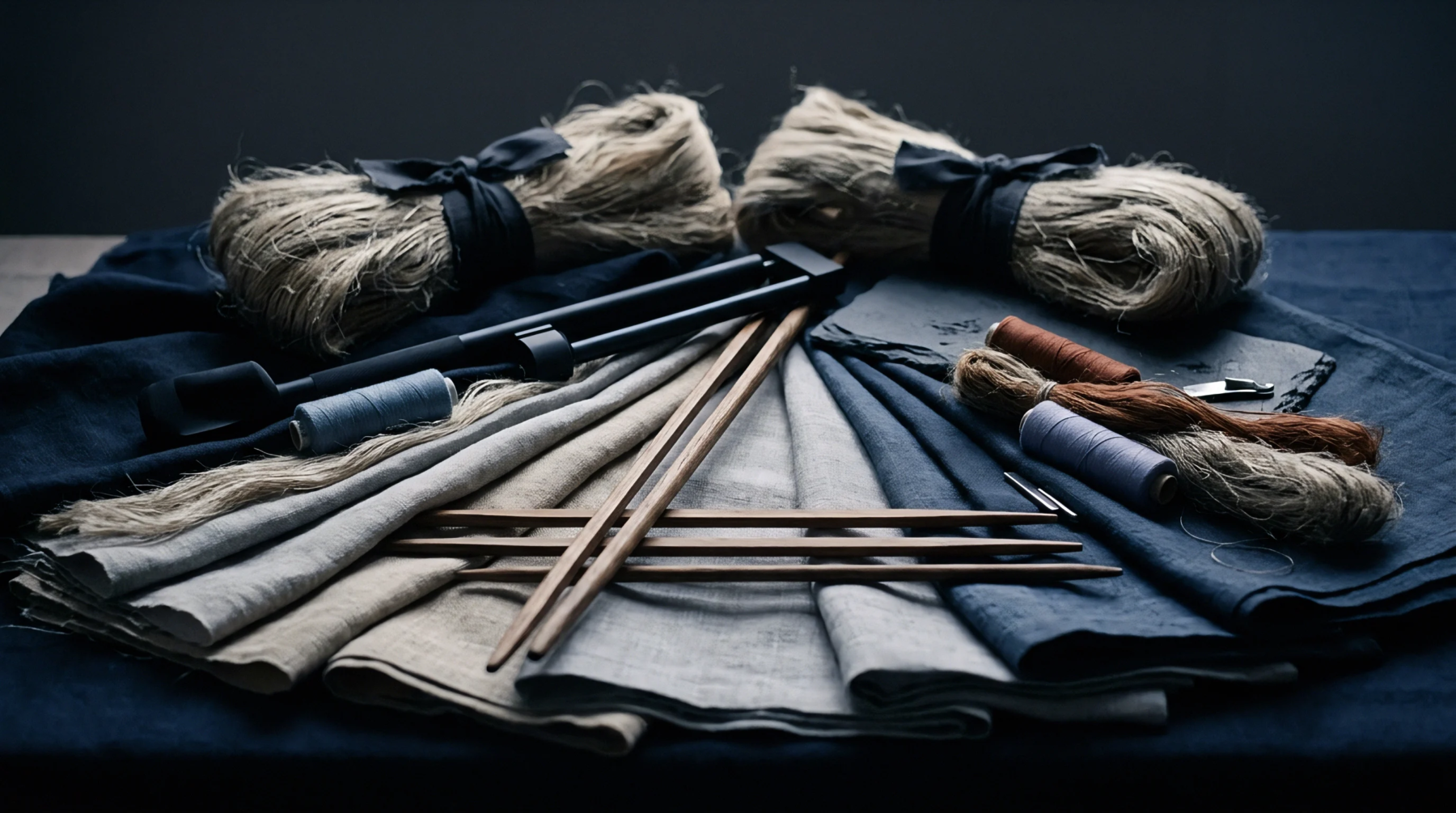
Biological decomposition in field conditions provides the separation mechanism for bast fibres of the Linum usitatissimum plant. Dew-retted line flax denotes the resulting parallel strands harvested after fungi and bacteria break down pectin in the stalks during prolonged surface exposure. Quality assessment focuses on uniformity of the bundle length and the absence of shive residues left over from the mechanical scutching phase.
This material grade maintains higher tensile strength than chemically retted alternatives because the natural enzymatic action avoids aggressive degradation of the cellulose polymer. Professional buyers evaluate the straw origin and the duration of moisture contact to determine the final spinning efficiency of the line.
Production Protocol
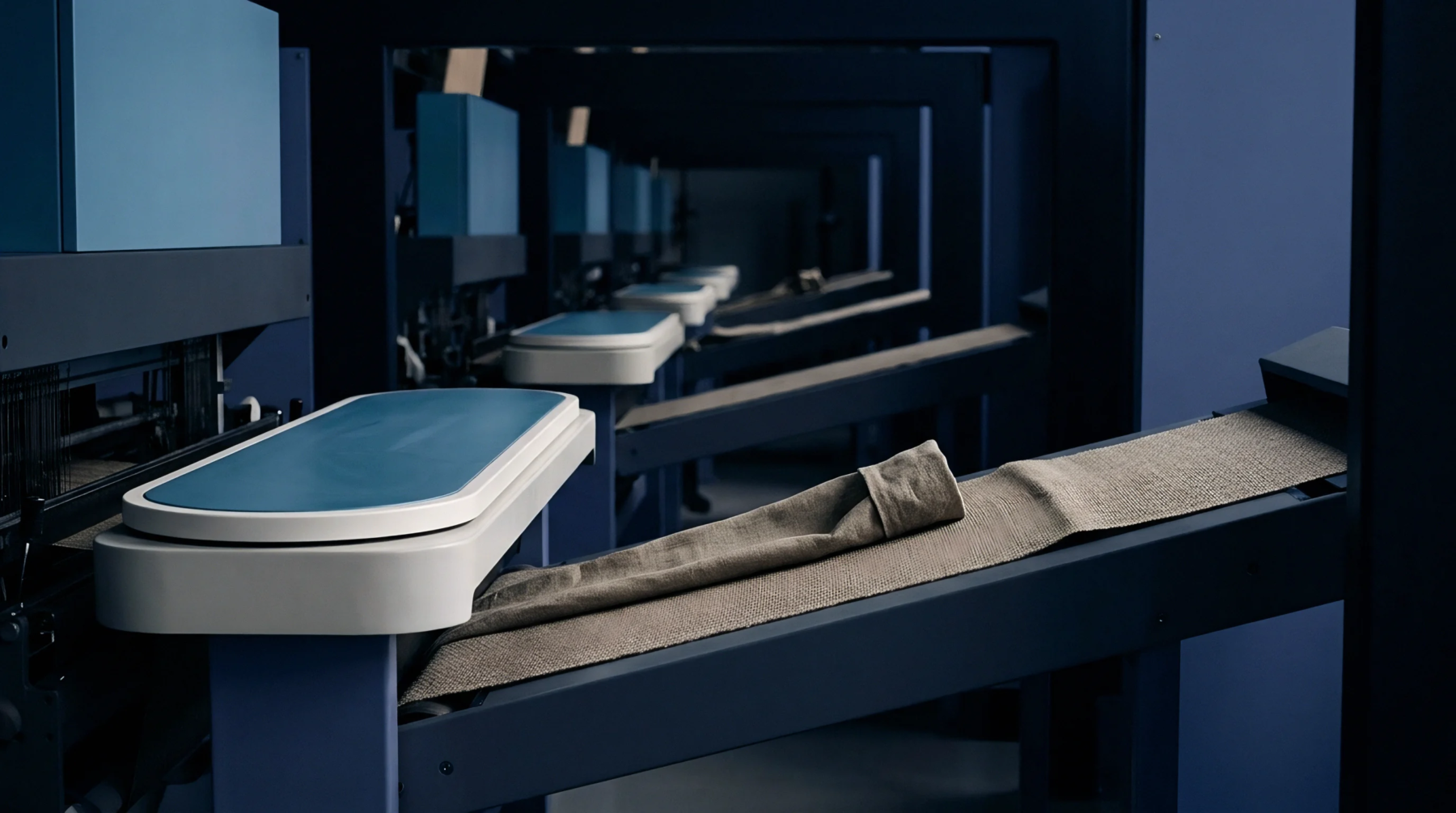
Processing begins with the controlled spreading of harvested stalks across the earth where rainfall and morning mist facilitate the microbial decay. Mills sort the recovered straw by length before passing the material through crushing rollers and rotating blades to isolate the long strands from internal woody matter. Technicians monitor the mechanical output to ensure the continuity of the fibre bundles remains intact through the removal of non-fibrous debris.
Successful scutching yields high volumes of line suitable for wet spinning into fine linen yarns.
Market Standard
Contractual acceptance relies upon physical inspection of moisture content and the presence of fungal discoloration which impacts the subsequent dyeing outcome. Export documentation classifies shipments by country of origin and the intensity of the retting colouration to distinguish the raw stock from water-retted varieties. Uniformity of the bundle represents the primary value driver for high-speed spinning operations where breaks in the feed cause operational stoppages.
Grade specifications for this fibre type remain consistent across international trade to protect the technical requirements of the textile supply chain.