Production Residue
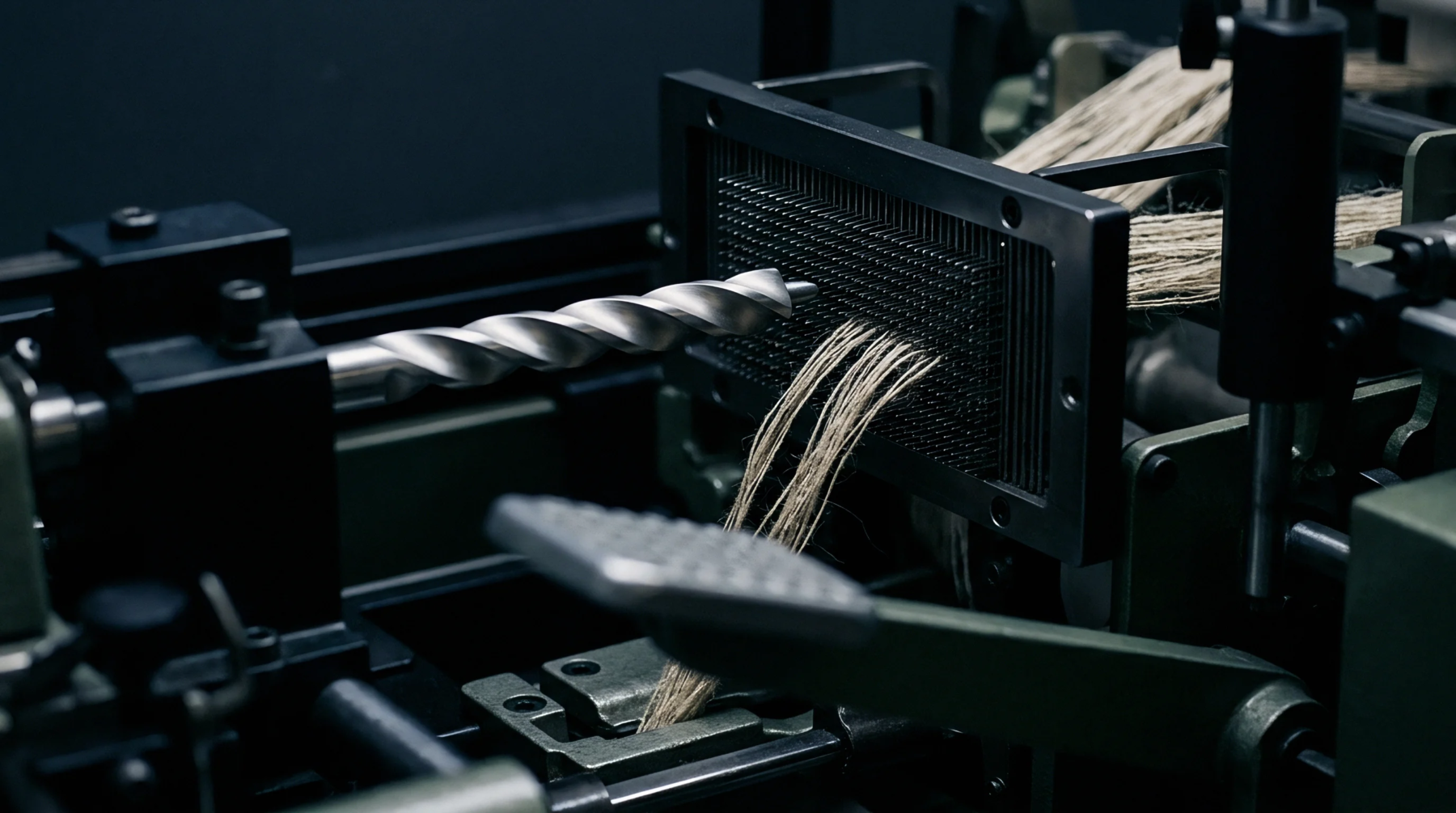
Excess material results from the loom setting phase or the final removal of a cloth roll where the physical length of the machine necessitates a starting section that remains disconnected from the primary product. This weaving yarn waste represents the portion of input fibre that fails to enter the saleable fabric output due to the technical requirements of warp tensioning and shed formation. Operational standards define this loss by subtracting the mass of the delivered cloth from the total mass of the warp supplied to the machine.
Production teams record the variance on the daily mill log to account for the specific quantity of material that departs the process as scrap rather than finished goods.
Measurement Protocol
Accurate assessment requires the calculation of the mass difference between the material fed into the loom and the finished fabric retrieved from the take up roller. Personnel determine this by weighing the warp beams before mounting and then weighing the resulting cloth rolls after the final inspection. The delta identifies the fibre that remains on the beams or collects under the harness frames as physical scrap.
Differences in moisture content during the dry cycle create minor fluctuations in weight that shift the data away from pure physical residue.
Inventory Impact
Costing systems assign this loss to the production overhead rather than the direct material expense of the fabric grade. High rates of loss indicate an issue with loom geometry or an excess of length required for the threading of the heddles and the reed. Tight control of these variables ensures the mill maintains a consistent yield from the fibre supply chain across every production run.
Proper tracking of such losses remains the primary method for auditing the efficiency of the loom shed over extended durations.