
Mass Balance Reconciliation across Roving Boiling and Wet Spinning
Reconciling linen mass balance requires netting chemical scouring extraction and wet trough sloughing against dry weight to prevent origin allocation inflation.
Reconciling linen mass balance requires netting chemical scouring extraction and wet trough sloughing against dry weight to prevent origin allocation inflation.

High-speed wet spinning requires trough water exchange above 1.4 L/kg at 75°C to maintain bath viscosity below 1.5 mPa·s and prevent drafting breakages.

Steep cellulose microfibril angles maximize flax tensile modulus, while processing kinks trigger premature shear failure that degrades hackling yields and yarn counts.

Mass balance reconciliation requires adjusting gross fiber intake to dry commercial mass standards and applying empirically verified process loss factors.
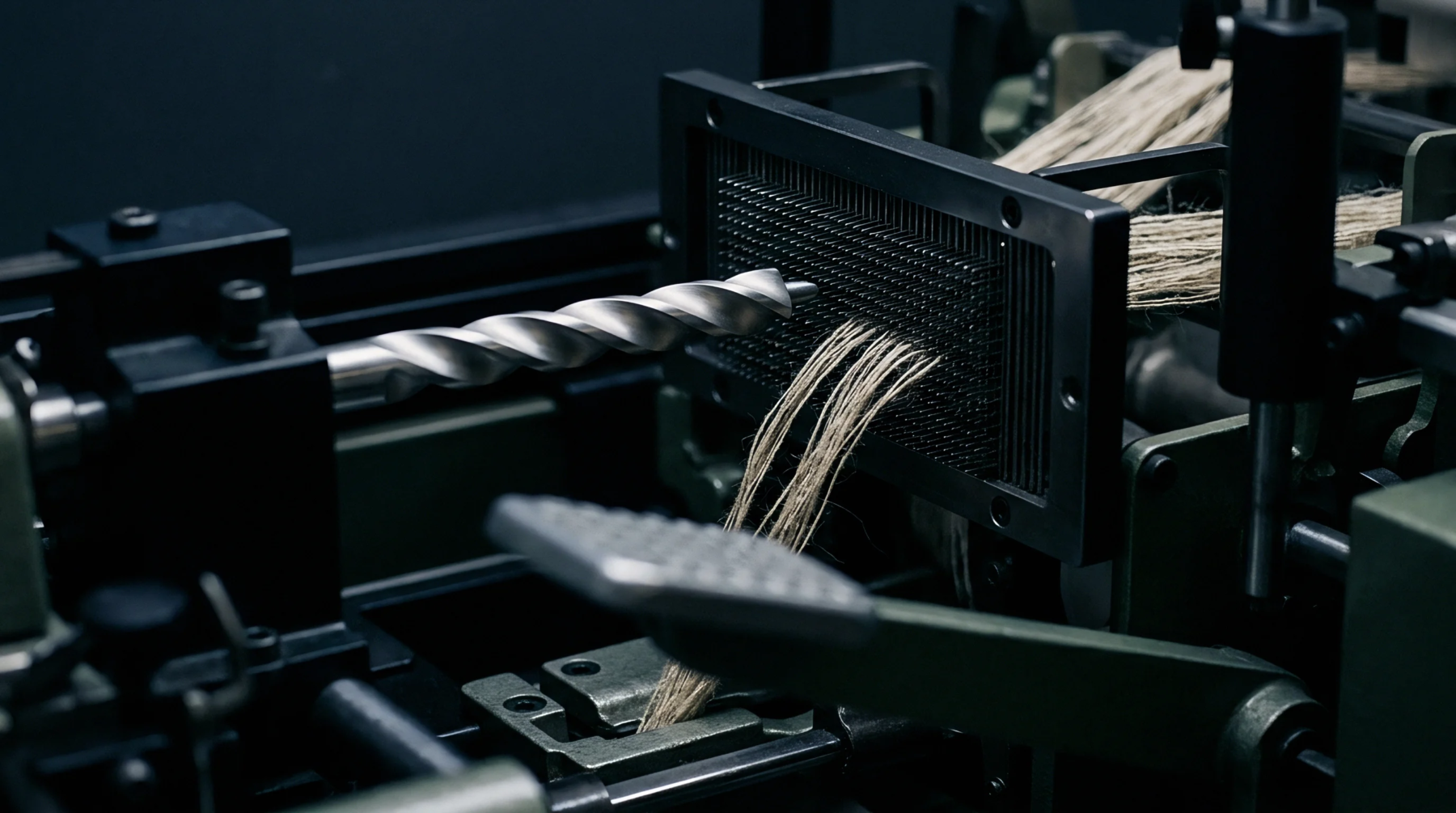
Hermans orientation factors derived from X-ray diffraction predict wet-spun line yarn tenacity by setting the upper boundary for crystallite strength translation.

Hydrodynamic drag in wet spinning troughs shears microfibrillar dislocation zones in bast fibers, requiring precise trough temperature and speed limits to maintain wet tenacity.

Unmeasured pectin loss in wet spinning creates phantom certified mass credits that inflate ledger volumes and permit uncertified fiber substitution.

Reconciling European Flax in Chinese wet mills demands tracing intake weights through hackling loss and trough dissolution directly to verified yarn certificates.

Controlled hydrodynamic shear and 65°C bath temperature strip boundary layers to saturate roving cores, slashing drafting drag and boosting spinnable counts.

Reconciling chemical rove loss rates against effluent dissolved solids prevents spinners from disguising uncertified fibre substitution in linen mass balances.

Standardizing alkaline digestion metrics verifies flax roving origin by confirming that chemical mass loss stays between 2.6 and 4.2 percent.

Variable hot water pectin dissolution in wet spinning causes unrecorded mass losses up to 6 percent, creating phantom discrepancies in European Flax audits.
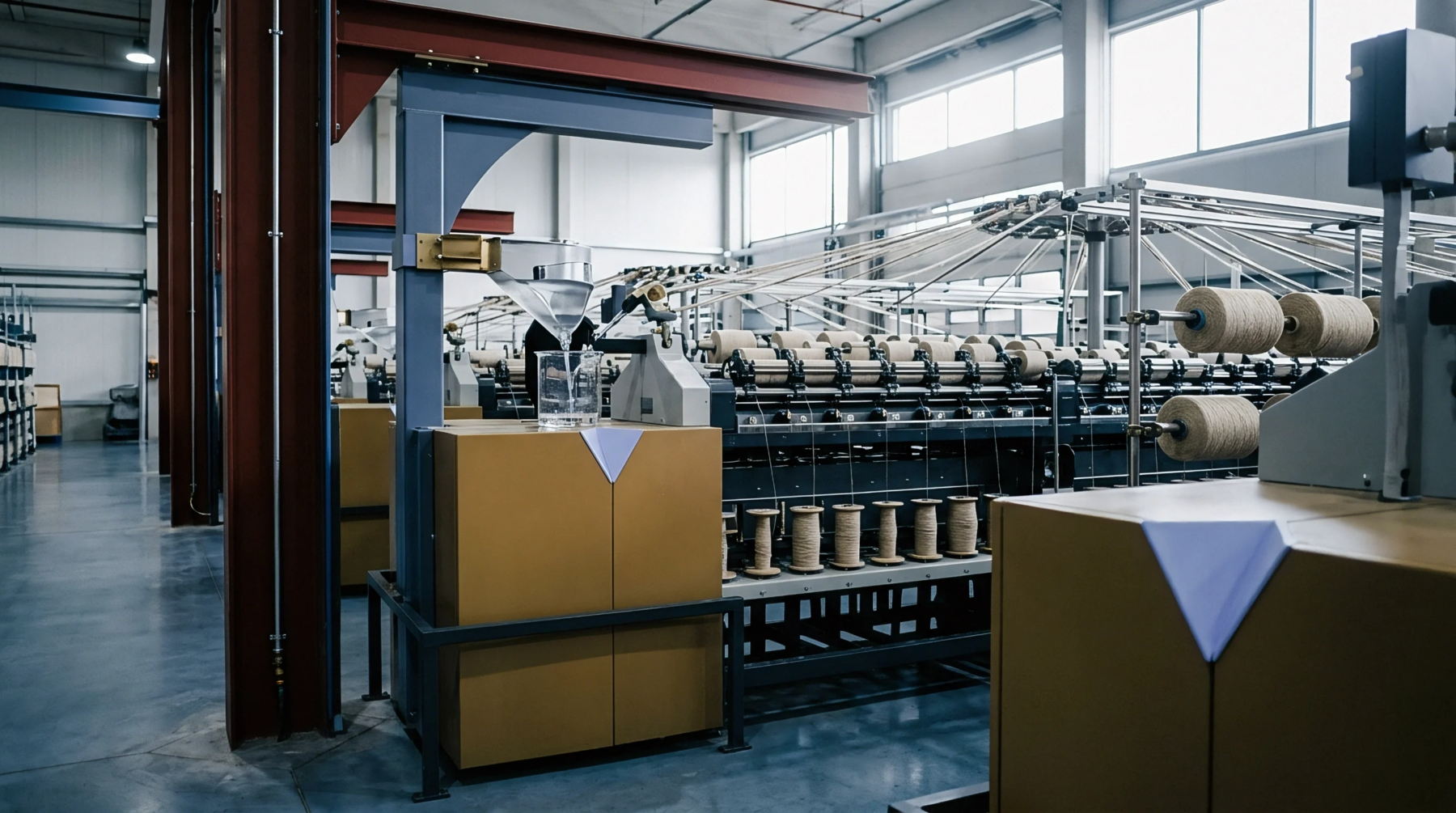
Short-wavelength sliver tex variance above eleven percent triggers drafting separation and spikes wet-spinning breaks, adding over one dollar per finished metre.

Calculate critical twist factors in high count wet spinning by balancing metric alpha values between seventy and eighty-five against trough pectin extraction.

Correlating line-scan bundle area variance with drafting force prevents spinning tension surges, cutting wet-spun yarn breaks and loom downtime.

Optical bundle sizing defines the maximum draft ratio and ratch setting in wet flax spinning by quantifying pectin division before immersion.

Reconciling wet spun linen mass deficits demands matching oven dry rove weights against yarn output plus measured bath dissolution and extraction losses.

Mass balance allocation in mixed flax spinning requires empirical yield adjustments, quarterly ledger reconciliation, and strict legal origin compliance.

Retting duration dictates flax pectin dissolution during hot water wet spinning, shifting roving mass losses from two to eight percent and altering yarn counts.

Optical bundle area overstates bast fiber mass by ignoring lumen cavities; true drafting ratios require gravimetric mass calibration using ISO 2370 cut-and-weigh.

Reconciling subcontracted linen finishing requires binding dry-mass baseline verification under ISO 6741 to isolate chemical loss from material diversion.

Cut length density variance destabilizes wet drafting by altering dynamic friction in the trough, demanding precise ratch, saddle pressure, and thermal control.

Deduct isolated shive mass from cut-length bundle specimens using precision sieving to prevent false linear density coarsening in wet-spinning fineness grades.

Sliver cohesion limits wet-spun flax counts by governing technical bundle division into elementary fibres under hot water drafting tension.
Expertise is a utility, not a secret. sentiention™ publishes its working knowledge as open reference: intelligence layer covering the materials it sources, the markets it enters, and the reference that serves both.