Modeling Pectin Matrix Degradation and Ultimate Fiber Cleavage under Dynamic Transverse Hackling Pin Shear Stress
Dynamic transverse pin shear cleaves the pectin middle lamella into fine elementary fibers only when retting depletes calcium cross-links without weakening walls.


Needle
Steel pins mounted on traveling bars enter the suspended strick at linear velocities between 1.2 and 4.8 metres per second. Clamped root ends present an anisotropic resistance profile where inter-fibre cohesion opposes transverse displacement. Pin geometry governs the initial contact zone: high-tensile steel points ground to a conical taper of 12 to 18 degrees penetrate the bundle periphery, displacing technical fibres sideways into inter-pin clearances.
Penetration depth sets the mechanical stress state within the composite wall of the bast tissue. When a round pin collides with an unsplit technical bundle, the contact force resolves into an axial compressive stress normal to the pin circumference and an orthogonal transverse shear stress parallel to the fiber alignment. The local transverse shear stress governs the mechanical peeling of adjacent elementary fibres bonded by the compound middle lamella.
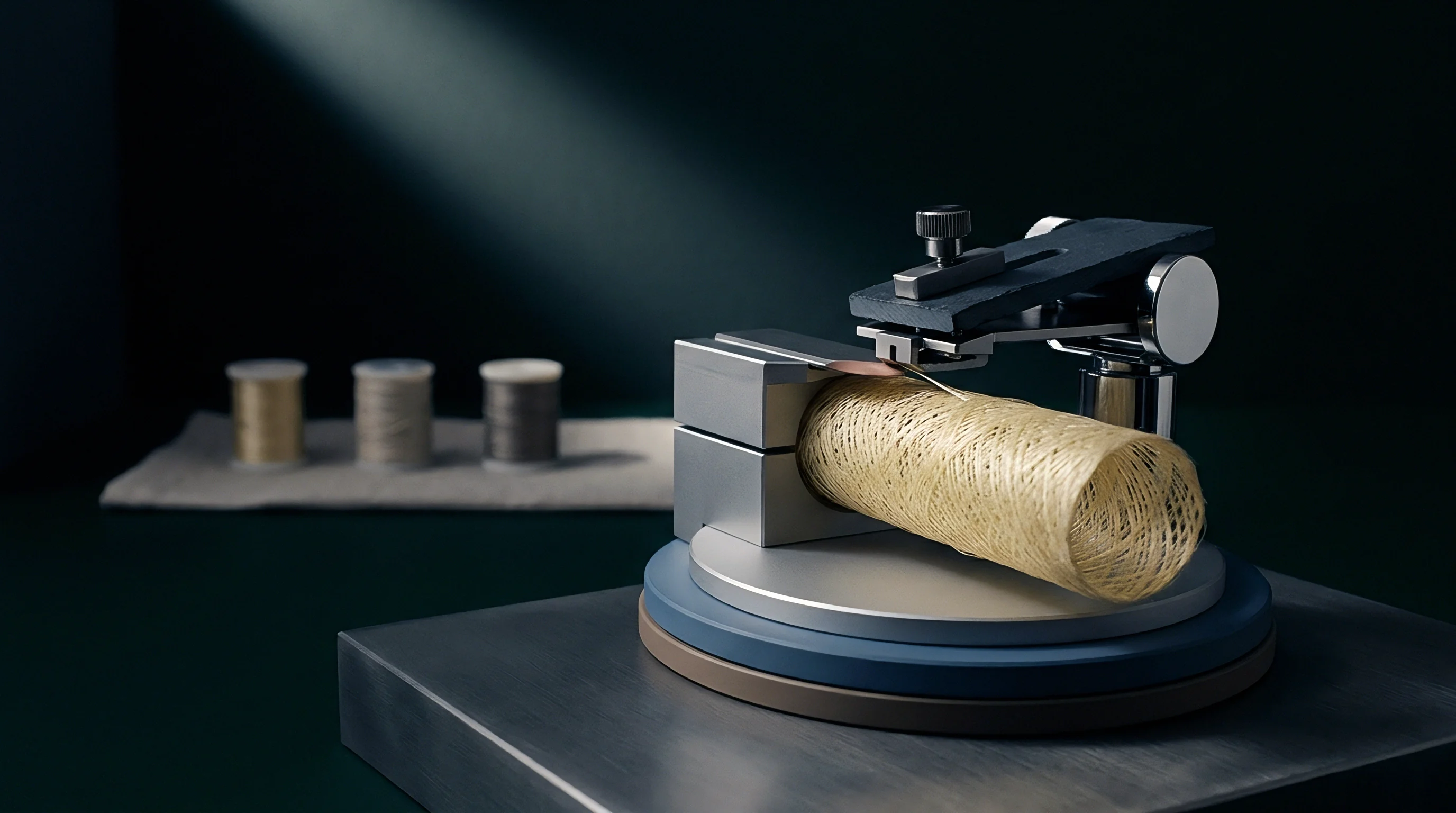
Hackling Pin Penetration and Transverse Contact
Point taper angles below 15 degrees reduce frontal impact energy while maintaining rapid engagement through the strick thickness. As pins advance, the compressive load on the fiber bundle reaches peak values proportional to the strick density in grams per square metre. In dry stricks, pin passage deflects the material before transverse shear propagates through peripheral cellular layers, imposing differential strain rates between the outer cortex and the inner cellulosic core.
The magnitude of the generated shear stress depends directly on the relative velocity between the hackling sheet and the carriage holding the flax bundle. Slower carriage descent elevates pin engagement frequency per unit length, driving cyclic transverse loading across every millimetre of the bundle stem.
Circumferential pin spacing determines whether bundles undergo clean cleavage or transverse tensile snapping. Tighter pin pitch restricts lateral clearance, compressing multiple technical bundles against adjacent pin shanks. Under these constrained conditions, frictional shear escalates beyond the interfacial yield threshold of the pectinaceous glue.
If the lateral displacement exceeds the rupture strain of the middle lamella before elementary cells can slide along their longitudinal axes, catastrophic transverse failure of the primary cellulosic cell wall occurs.
| Combing Field | Pin Diameter (mm) | Pin Density (pins/cm) | Circumferential Speed (m/min) | Transverse Shear Force (N/mm) | Bundle Cleavage Ratio (%) |
|---|---|---|---|---|---|
| Field 1 Breaker | 1.80 | 0.8 | 72 | 4.65 | 22.4 |
| Field 2 Coarse | 1.40 | 1.6 | 95 | 3.80 | 38.1 |
| Field 3 Intermediate | 1.00 | 3.2 | 120 | 2.95 | 54.7 |
| Field 4 Fine | 0.75 | 6.4 | 150 | 2.10 | 71.3 |
| Field 5 Superfine | 0.60 | 10.5 | 185 | 1.45 | 86.2 |
| Field 6 Finishing | 0.50 | 14.0 | 210 | 0.95 | 94.8 |
| Data recorded under standard conditioning per ISO 139 at 20 degrees Celsius and 65 percent relative humidity using dew-retted scutched flax stricks. | |||||
Impact Stresses across Cascading Combing Cassettes
Circumferential velocities climb from 70 metres per minute at the coarse intake to over 200 metres per minute at the finishing delivery. This kinematic ramp introduces progressive stress accumulation into the bast fiber complexes. Coarser pins strip cortical parenchyma tissue and loose shive fragments without inducing deep cleavage of the load-bearing fiber bundles.
As the strick moves across sequential fields, the pin diameter contracts while pin density multiplies by a factor of fifteen. The reduction in pin cross-section concentrates mechanical work into microscopic shear planes running parallel to the elementary fiber axes.
Dynamic impact forces peak during the first thirty milliseconds of pin engagement, setting up acoustic shock waves along the clamped fiber length. Bundles with non-uniform moisture distributions exhibit erratic shear response across this contact horizon. Peripheral elementary fibres detach cleanly while internal layers remain glued in dense agglomerations, generating high nep counts in the hackled sliver.
Operating positions diverge on whether higher pin tip speeds comb out immature fiber effectively or undermine the structural integrity of mature line bundles.


Maceration
Biochemical conditioning of the intercellular space sets the precise shear limit of the middle lamella during downstream mechanical combing. The bast fiber complex of flax consists of elementary fibers assembled into poly-cellular technical bundles containing fifteen to forty individual cells. Each elementary fiber possesses a thick secondary wall rich in crystalline cellulose microfibrils encased within a slender primary wall.
Between adjacent primary walls lies the compound middle lamella, an amorphous matrix composed of homogalacturonans, highly branched rhamnogalacturonans, and structural proteins. Calcium ions cross-link unesterified galacturonic acid sequences into rigid supramolecular lattices known as egg-box conformations. These ionic domains anchor the cells together against axial tensile loads and lateral shear forces.
Pectin Polymer Architecture and Calcium Bridges
Unesterified carboxyl groups present on adjacent polygalacturonic acid chains coordinate divalent calcium cations into tight coordination polyhedra, imparting high compressive stiffness and elevated shear modulus to the intercellular boundary. Dew retting relies on colonizing filamentous fungi, primarily species of Cladosporium and Epicoccum, to secrete polygalacturonases and pectin lyases. These enzymes depolymerize the pectin backbones by hydrolyzing alpha-1,4-glycosidic bonds and cleaving ester linkages.
Water-retting and controlled microbial tank processing utilize anaerobic bacteria such as Clostridium felsineum to digest pectic polysaccharides through exocellular pectin methylesterases and endo-polygalacturonases.
Dew-retted flax harvested below three percent water-soluble pectin content yields hackled line sliver with a metric fineness exceeding Nm 420 under five bar combing pressure.
Enzymatic breakdown of the rhamnogalacturonan-I side chains reduces the steric entanglement of neutral arabinan and galactan polymers. When the degree of pectin methylation falls from seventy percent in green flax down to thirty percent in conditioned bast tissue, the steric bulk diminishes while enzymatic carboxyl clearance permits rapid microbial access. Excessive hydrolysis removes the binding matrix entirely, allowing cellulolytic enzymes to penetrate the primary cell wall and attack the cellulose microfibrils directly.
Under-retting preserves the calcium pectate junctions, causing the middle lamella to retain a shear modulus comparable to the primary wall itself.
Uronic Acid Depletion and Retting Verification
Quantifying polygalacturonic acid concentration by spectrophotometric determination of anhydrogalacturonic acid content provides an objective measure of intercellular matrix integrity. Unretted green flax straw demonstrates uronic acid concentrations between 42 and 58 milligrams per gram of dry cortical tissue. Controlled microbial digestion suppresses this concentration to an optimal operating band between 14 and 19 milligrams per gram.
Retting values above 22 milligrams per gram designate under-processed straw whose bast bundles resist transverse cleavage, while values below 11 milligrams per gram indicate cellulosic degradation and severe loss of tenacity.
Fourier-transform infrared spectroscopy maps this degradation through the absorbance ratio between the ester carbonyl stretch at 1735 reciprocal centimetres and the carboxylate anion anti-symmetric vibration at 1595 reciprocal centimetres. In unretted bast tissue, the high esterification level elevates the 1735 peak. Microbial pectin methylesterases convert these methyl esters into free carboxyl groups, reducing the carbonyl band while elevating the carboxylate absorption.
The ratio drops steadily as the retting process advances, correlating directly with the mechanical force required to cleavage technical bundles into spinnable elementary cells.
The exact threshold where calcium cross-link depletion ceases to liberate elementary fibers and begins degrading the structural hemicelluloses of the primary cell wall remains unresolved in commercial bale grading.
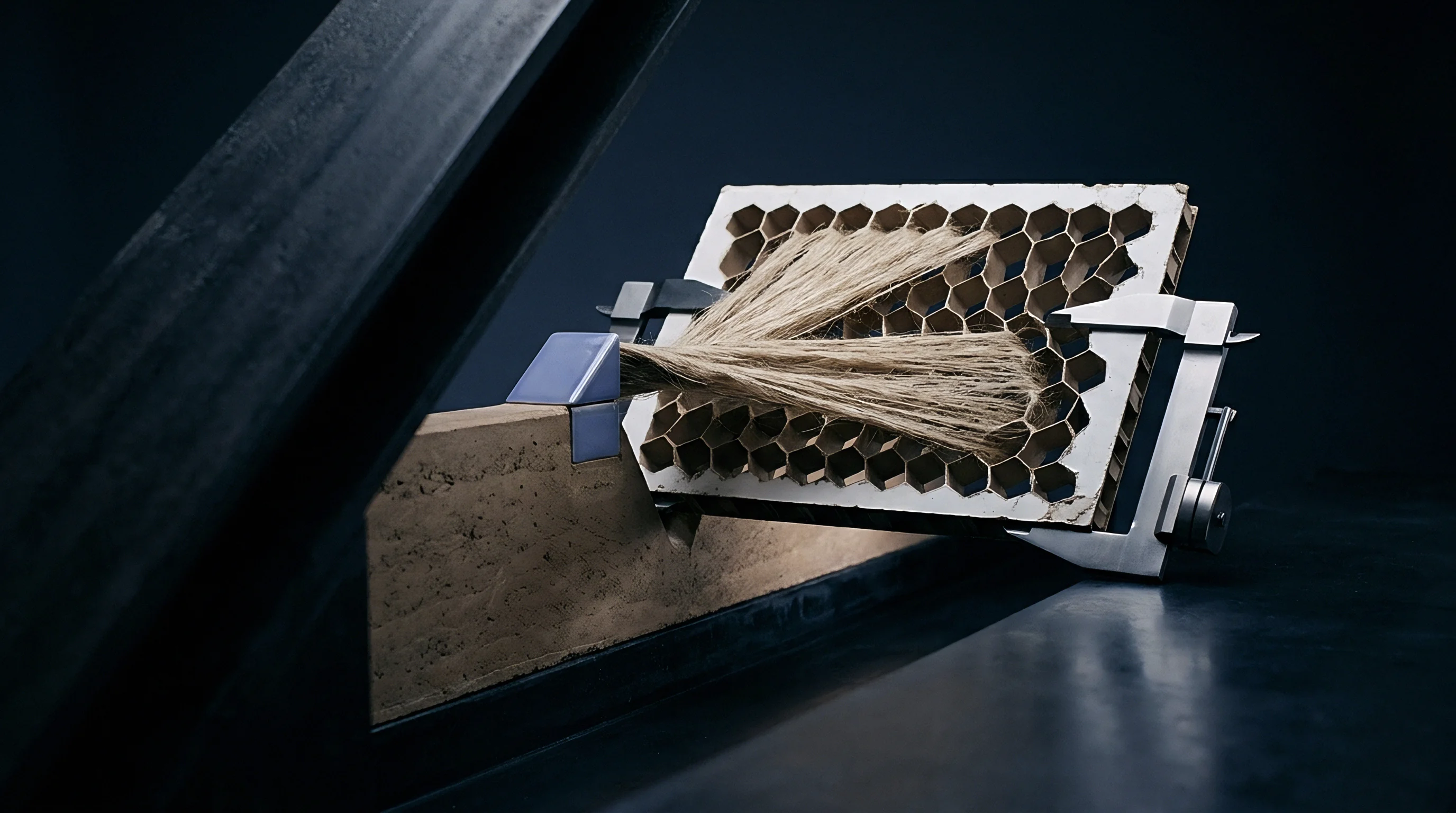

Kinematics
Relative motion between the penetrating pin and the constrained bast bundle creates a non-uniform strain rate distribution within the multi-layered cellular tissue. The strick hangs vertically from rubber-lined clamp jaws while the hackling pin bars travel along an elliptical trajectory. As the pin tip breaches the strick centerline, the technical bundle wraps across the pin flank, establishing an arc of contact varying from 15 to 45 degrees.
Normal forces arise from bundle tension, pressing the outer elementary fibers directly against the hardened steel surface. Simultaneously, the linear advance of the pin imposes dynamic drag, creating a transverse shear gradient across the bundle thickness.
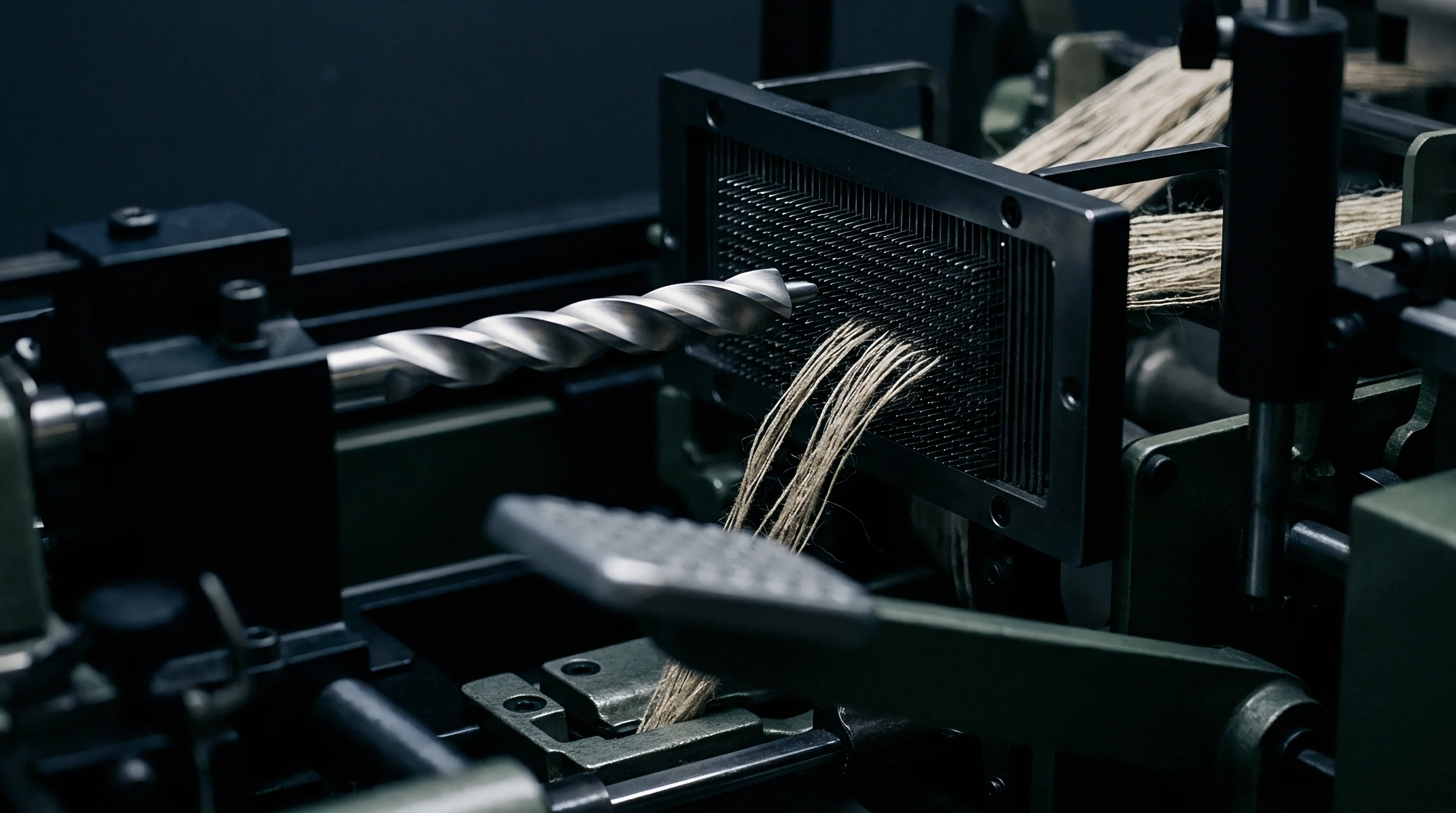
Which Transverse Angles Maximize Interfacial Cleavage?
Contact angles between 22 and 28 degrees produce the highest ratio of inter-fiber cleavage to fiber breakage. At angles shallower than 20 degrees, the pin skims the bundle periphery, dislodging superficial cortical cells without generating the transverse shear stress necessary to rupture the internal middle lamella. At angles exceeding 32 degrees, the normal compressive force spikes, pinning elementary fibers against the steel shank and preventing inter-fiber slippage.
The resulting stress state transitions from pure shear failure of the matrix into transverse tensile rupture of the crystalline cellulose microfibrils.
Transverse shear stress across the compound middle lamella conforms to the expression where the applied transverse force divides by the product of the bundle width and the effective pin engagement length. Dynamic friction modifies this relationship through the friction coefficient between steel and raw bast fiber, typically measured between 0.22 and 0.38 depending on residual wax content. High wax content suppresses frictional grip, requiring increased pin insertion depth to generate equivalent interfacial cleavage forces.
- Interfacial shear slip occurs when dynamic transverse shear stress exceeds the matrix yield limit while axial tensile stress stays below forty percent of elementary cell tenacity, delivering undamaged fine fibers.
- Transverse flexural rupture develops under steep pin contact angles where high normal forces induce extreme bending radii, causing catastrophic cell wall fracture across dislocations and kink bands.
- Matrix plastic extrusion appears in damp fiber lots with moisture contents above twelve percent, where wet pectins undergo viscous flow rather than crisp brittle cleavage under pin shear.
- Longitudinal peel splitting propagates along structural boundary cracks initiated by enzymatic retting, separating fiber clusters along natural middle lamella planes at low specific work input.

Shear Plane Formation along Middle Lamellae
Localized strain concentration develops at the interface between the stiff primary wall and the viscoelastic pectin matrix. Cellulose microfibrils within the secondary wall exhibit an elastic modulus between 80 and 110 gigapascals oriented at a narrow spiral angle of 8 to 11 degrees relative to the fiber axis. The unretted compound middle lamella displays an elastic modulus of merely 1.5 to 3.5 gigapascals.
This elastic mismatch concentrates transverse shear strain inside the narrow intercellular region, measuring between 100 and 300 nanometres in thickness. When the local shear stress exceeds the adhesive shear strength of the calcium-pectate network, Mode II shear cracks initiate and propagate along the cell boundaries.
Cleavage efficiency drops whenever the transverse pin force vector deviates more than twelve degrees from the fiber alignment plane.
Micro-cracks coalesce under the cascading impacts of sequential pin rows. As pins advance down the strick, the frequency of dynamic loading reaches 40 to 80 Hertz, establishing cyclic stress reversals within the pectin bridges. The viscoelastic nature of the degraded matrix leads to localized hysteretic heat generation, lowering the effective matrix viscosity and accelerating interfacial debonding.
In properly retted stock, this shear cleavage terminates cleanly at the primary cell wall boundary without tearing the crystalline secondary layers.
Pins set too deep in dry fiber always convert spinnable line into carding tow.
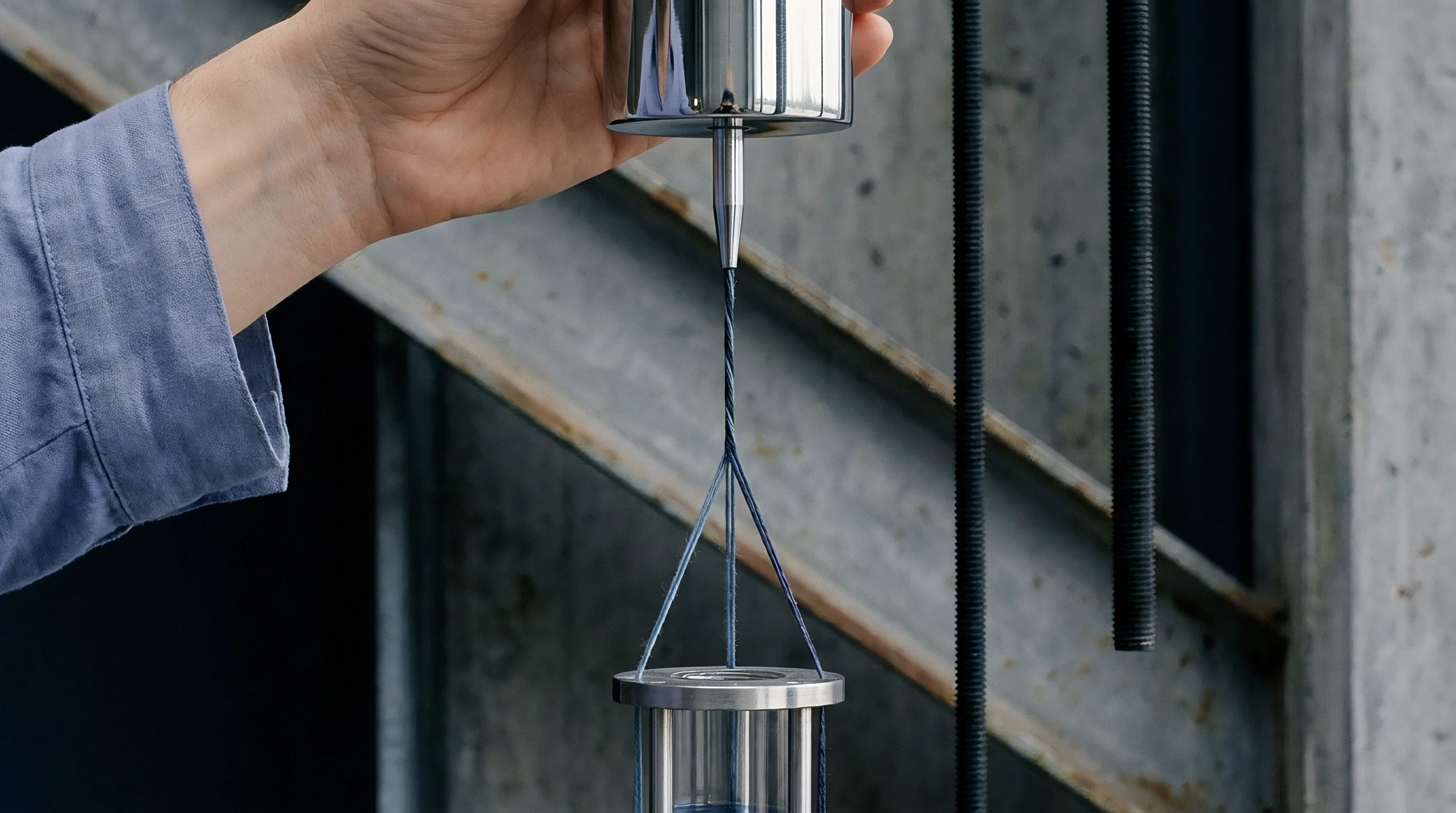
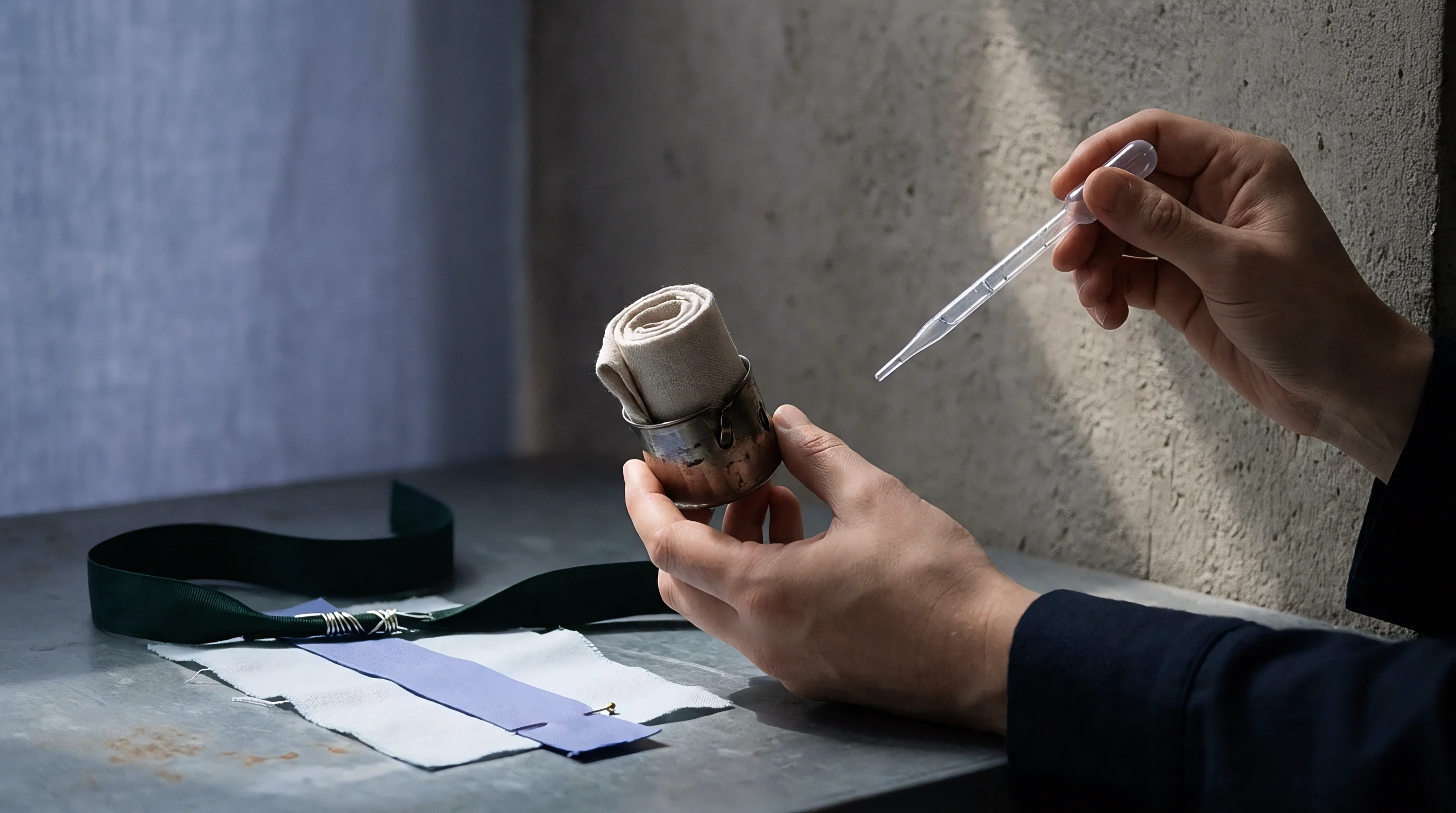
Separation
Progressive division of bulky technical bundles into delicate elementary fibers represents the primary objective of the hackling process. Technical bundles arriving from the scutching turbine display cross-sectional diameters between 45 and 120 micrometres, containing twenty to fifty individual elementary cells firmly glued together. An unretted bundle functions as a coarse, rigid beam with high flexural rigidity.
Progressive combing shears the middle lamella, breaking the bundle down into structural subunits comprising two to four elementary cells, termed semi-elementary fibers, and ultimately into isolated elementary fibers possessing diameters of 12 to 24 micrometres and lengths of 25 to 45 millimetres.

Elementary Cell Liberation and Linear Fineness
Fiber linear density decreases in direct proportion to the cumulative transverse shear energy delivered by the pin fields. In the flax trade, fineness is quantified through the metric fiber number (Nm), which indicates the length in metres of one gram of fiber material. Raw scutched flax line typically enters the hackling line at values between Nm 90 and Nm 140.
As the fiber traverses the six to eight combing fields of a standard hackling machine, pin penetration cleaves the intercellular pectin bonds, driving the linear density of the resulting hackled line sliver to values between Nm 320 and Nm 480.
Under-retted lots arrest this division process prematurely. When pectin matrix degradation remains incomplete, the transverse shear stress applied by fine pins fails to cleavage the calcium-pectate bridges. The bundle absorbs the pin impact through elastic and plastic deformation until the tensile limit of the cellulosic wall is reached, causing the fiber to snap transversely across the stem.
This fracture mechanism generates short, broken fragments that fall through the pin bars into the tow collection boxes, depressing the valuable hackled line yield while inflating low-value hackling tow generation.
| Hackling Zone | Mean Bundle Diameter (um) | Elementary Fiber Release (%) | Metric Fineness (Nm) | Cell Wall Rupture Ratio (%) |
|---|---|---|---|---|
| Scutched Feed | 84.5 | 4.2 | 112 | 1.1 |
| Cassette 1 to 2 | 58.2 | 18.6 | 175 | 2.8 |
| Cassette 3 to 4 | 36.4 | 44.1 | 260 | 5.4 |
| Cassette 5 to 6 | 22.8 | 76.5 | 385 | 8.9 |
| Cassette 7 to 8 | 15.6 | 92.4 | 460 | 12.2 |
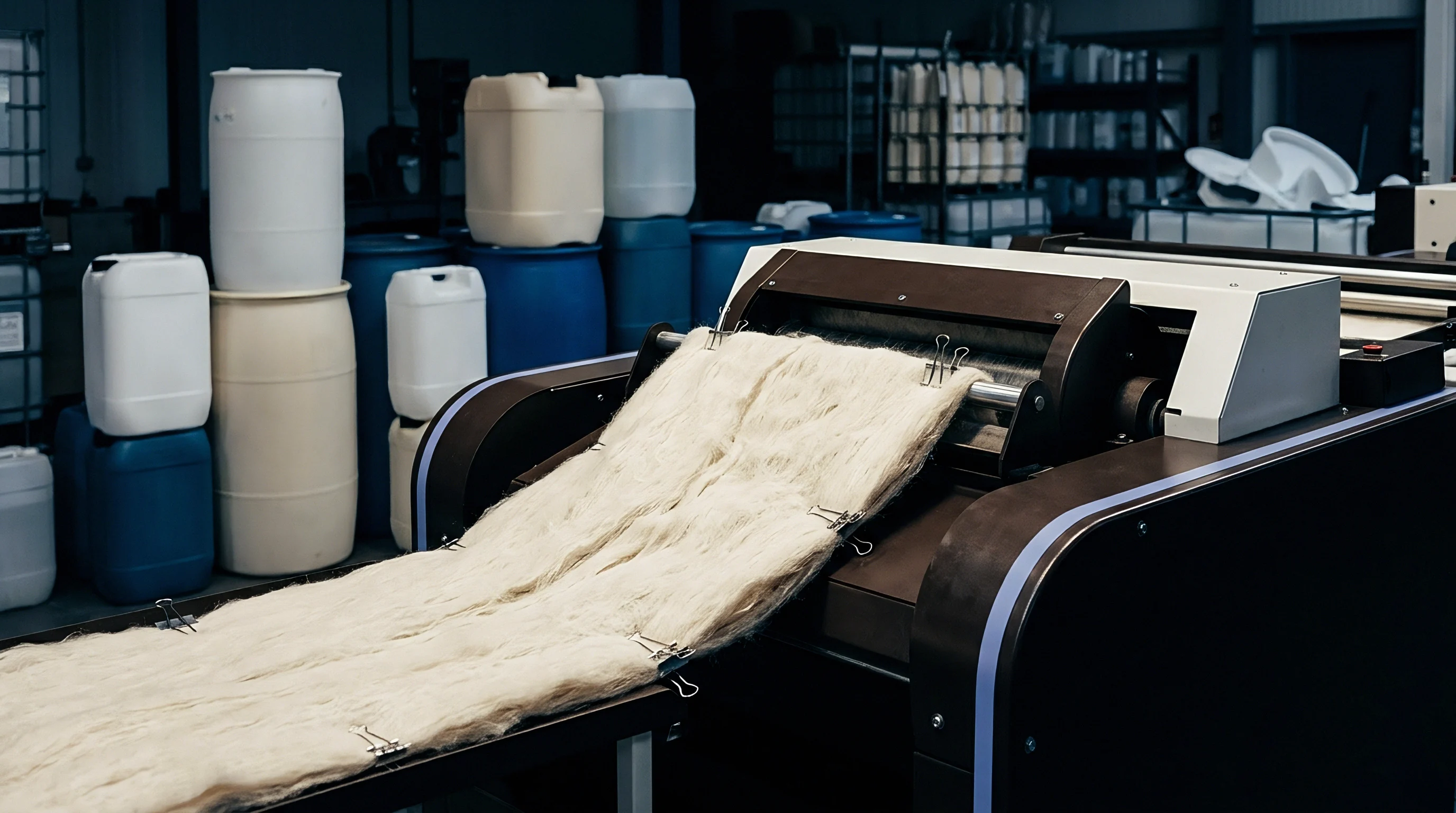
Worked Cleavage Yield in Scutched Stricks
To demonstrate the mechanics of cleavage and mass distribution on the mill floor, evaluate a production run processing a 1,000-kilogram lot of dew-retted scutched flax from the Normandy growing region. Assume an incoming straw moisture content of 10.5 percent and an average unretted pectin residual of 16.8 milligrams per gram of dry fiber. The machine configuration runs twelve cascading pin fields with pin gauges ranging from 12 gauge (1.8 mm diameter) at the intake to 26 gauge (0.45 mm diameter) at the exit comb, operating at a line throughput of 180 stricks per hour per clamp channel.
Mechanical work applied by the pin assemblies delivers an aggregate shear input of 42.5 kilojoules per kilogram of fiber processed. Under these conditions, the technical bundles undergo progressive cleavage:
The total scutched fiber feed of 1,000 kilograms separates into 585 kilograms of hackled line flax, 340 kilograms of machine hackling tow, and 75 kilograms of shive, dust, and microscopic cortical waste. The line yield settles at 58.5 percent. The hackled line achieves a mean metric fineness of Nm 410 with an average staple length of 680 millimetres.
The hackling tow displays a coarse, variable metric fineness of Nm 165 with a mean fiber length of 185 millimetres. Cell wall rupture measurements via polarized optical microscopy indicate that 9.4 percent of the line fibers exhibit transverse micro-cracks across secondary wall slip planes, while the hackling tow exhibits a cell wall rupture ratio of 28.6 percent.
Specifications citing ISO 2370 air permeability must establish fineness thresholds on hackled sliver conditioned for forty-eight hours at twenty degrees Celsius.
Over-hackling this same fiber lot by accelerating the finishing comb velocities by twenty-five percent alters the shear balance. While mean fineness increases marginally to Nm 445, the excessive transverse shear force snaps weakened elementary cells across dislocation zones. The line yield collapses from 58.5 percent down to 49.2 percent, transferring 93 kilograms of long-staple line directly into the low-value hackling tow collection stream.
Mistaking transverse cell rupture for true interfacial cleavage destroys spinning margins before the drawing sliver ever reaches the roving frame.

Sliver
Output from the final hackling cassettes converges onto the spreadboard, where overlapping line stricks form a continuous ribbon of parallel bast fibers. Drafting behavior in subsequent intersecting gill boxes depends on the ratio of liberated elementary fibers to intact technical bundles. Unsplit technical bundles retain rough outer contours encrusted with cuticular waxes and dried cytoplasmic residues, exhibiting static friction coefficients exceeding 0.45.
Liberated elementary fibers present smooth, cylindrical outer walls characterized by dynamic friction coefficients of 0.24 to 0.30. When these two morphological structures mix unevenly, drafting waves form inside the drafting zone, producing severe periodic mass variations known as drafting irregularities.
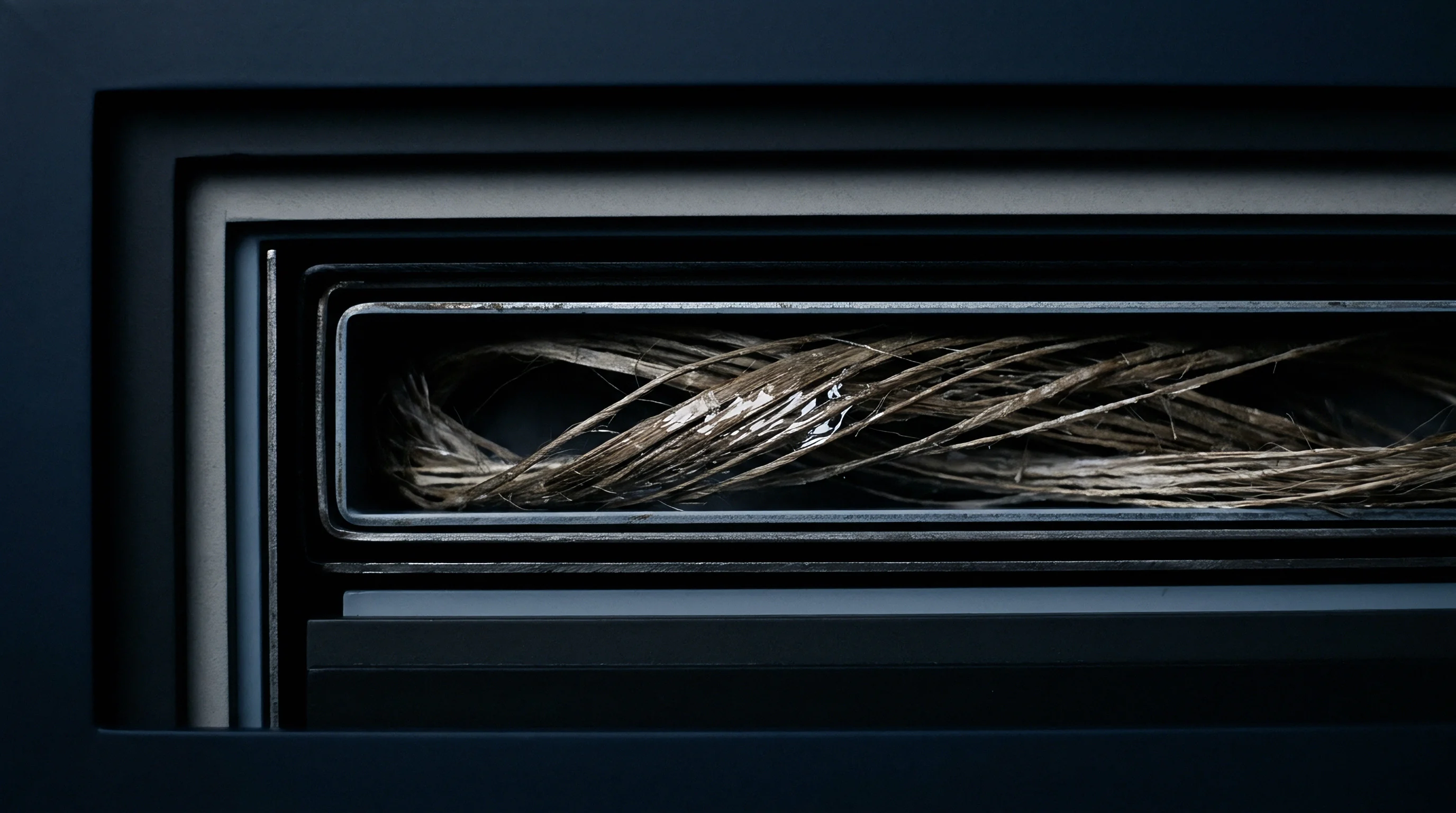
Drawing Resistance in Hackled Line Bundles
During roller drafting, a moving field of faller pins controls the velocity of floating fibers as draft rollers draw the sliver down to weight. When under-cleaved bundles dominate the sliver cross-section, their flexural rigidity resists uniform crimp removal and lateral compression, drifting coarser slivers off count. The nip rollers experience high dynamic load fluctuations as rigid bundles force the top drafting roll to oscillate against its hydraulic weighting system, inducing slip across adjacent fibers.
A sliver composed purely of over-cleaved elementary cells lacks the structural cohesion required to withstand modern draw frame speeds without ballooning and fiber fly generation. A measured balance of slender semi-elementary bundles carrying four to six cells provides an interlocking structural skeleton that stabilizes the sliver during high-speed gill drawing, while fully cleaved elementary fibers fill the interstitial voids to deliver high yarn density and uniform twist absorption.
- Bundle cleavage ratio determined by microscopic cross-sectional image analysis confirms that at least seventy percent of technical bundles contain fewer than five elementary cells.
- Residual pectin concentration verified via ruthenium red dye adsorption confirms middle lamella degradation without secondary cell wall dissolution.
- Staple length uniformity measured on a comb sorter establishes a coefficient of variation below twenty-eight percent across the long-staple line sliver.
- Static drafting cohesion measured on an auto-sampling sliver cohesion tester maintains drafting resistance between 18 and 24 centinewtons per kilotex.

Where Do Splitting Losses Erode Spinning Limit?
Spinning limits designate the finest practical yarn count that a given flax grade can sustain without exceeding an end breakage frequency of thirty breaks per one thousand spindle hours. In wet spinning, sliver is converted into roving, lightly twisted, and submerged in hot water at 60 to 75 degrees Celsius immediately before passing through the spinning draft rollers. Hot water softens the residual middle lamella pectins, permitting individual elementary fibers to slide smoothly past one another under low drafting forces.
If the mechanical hackling process failed to cleave the pectin matrix transversely, the brief immersion time of twenty to forty seconds inside the spinning trough cannot penetrate the core of thick technical bundles. The bundle enters the wet drafting zone as an unyielding structural unit. The draft rollers clamp the front end while the back end remains held, causing violent fiber breakage rather than delicate interfacial slippage.
- Inspect incoming scutched stricks for moisture content and retting uniformity prior to clamp loading, rejecting bales displaying moisture levels above twelve percent.
- Calibrate hackling pin penetration depths using steel feeler gauges across all twelve cassettes to avoid localized pin collisions and premature needle tip blunting.
- Measure linear mass density and mass evenness of the hackled sliver at four-hour intervals using an unevenness tester operating at one hundred metres per minute.
- Perform hot water immersion draw tests on sliver samples to verify that the wet drafting force remains within tolerance bands prior to spinning frame allocation.
Wet-spinning frames run at maximum spindle efficiency when elementary fiber cleavage occurs along natural pectin middle lamellae without longitudinal splitting of the secondary cell walls.
Under standard European linen trading rules governed by CELC regulations, moisture regain adjustments must conform strictly to twelve percent commercial regain, and lots showing unretted coarse bundles in excess of eight percent by weight entitle the buyer to an immediate price renegotiation or lot rejection.
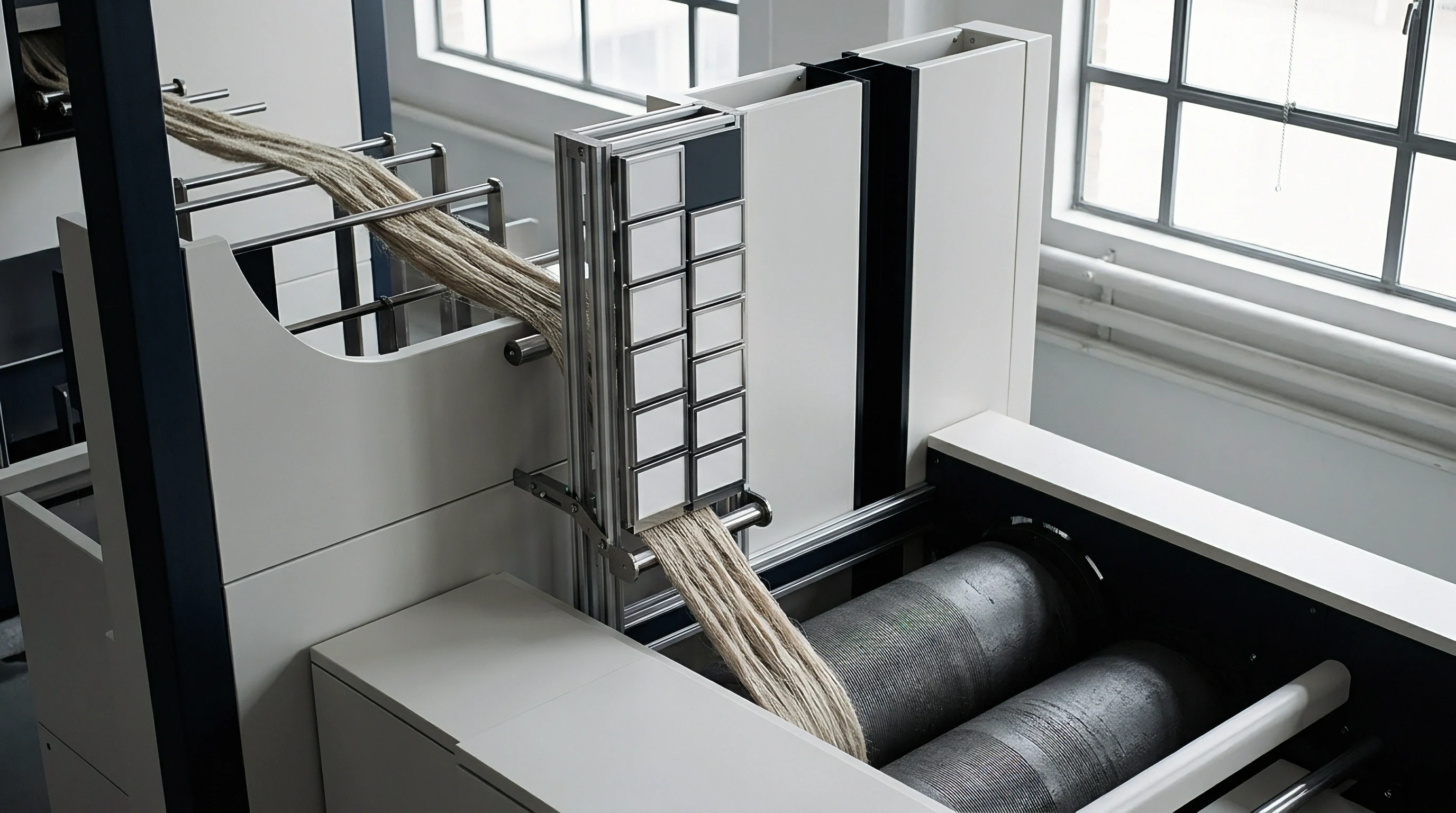

Realization
Financial performance in a wet-spinning flax operation is governed directly by the line yield achieved at the hackling frames. Scutched flax straw represents an expensive, capital-intensive raw commodity. In the European market, dew-retted scutched long-staple flax of middle grades trades in a typical pricing band between 4.10 and 5.80 euros per kilogram depending on harvest quality, cleanliness, and retting uniformity.
The hackling operation bifurcates this incoming raw fiber into two distinct commercial commodities: high-value hackled line flax designed for fine wet-spun yarns, and lower-value machine hackling tow diverted toward dry spinning or coarse wet-spun counts.
Hackling Tow Offtake and Line Yield Economics
Line flax commands a market price approximately 2.2 to 2.8 times higher than the price realized for hackling tow. Consequently, every percentage point of scutched flax converted into tow by aggressive or uncalibrated hackling pin shear represents direct value destruction. When under-retted fiber is processed through high-speed combs, the tough pectin middle lamella refuses to shear, forcing pins to snap long fibers into tow fragments that cause drafting rolls to seize.
A decline in line yield from fifty-eight percent to fifty percent on a 100-tonne processing lot destroys tens of thousands of euros in potential gross margin.
Machine hackling tow trades at prices between 1.60 and 2.30 euros per kilogram. This byproduct can partially offset processing costs when sold into coarse open-end spinning, paper manufacturing, or nonwoven composite molding. However, relying on tow recovery to balance mill books remains a losing commercial posture.
The economic health of a line-spinning mill requires maximizing the hackled line yield while maintaining the metric fineness required to hit the targeted yarn count.
| Retting Quality Level | Line Yield (%) | Hackling Tow (%) | Spinning Limit (Nm) | Yarn End Breaks (/1,000 Sp. Hr) | Finished Fabric Cost (EUR/m) |
|---|---|---|---|---|---|
| Severely Under-Retted | 44.2 | 46.5 | Nm 26 (lea 44) | 58 | 8.45 |
| Slightly Under-Retted | 51.6 | 40.1 | Nm 39 (lea 66) | 38 | 6.92 |
| Optimum Enzymatic Matrix Retting | 59.4 | 33.2 | Nm 58 (lea 98) | 18 | 5.35 |
| Slightly Over-Retted | 52.1 | 41.4 | Nm 48 (lea 81) | 42 | 6.80 |
| Severely Over-Retted (Cellulose Attack) | 41.8 | 50.3 | Nm 30 (lea 51) | 64 | 9.15 |

Landed Metre Costs across Spinning Routes
To establish how microscopic cleavage mechanics translate into fabric ledger costs, trace the commercial fabrication of a plain-weave linen fabric measuring 140 centimetres in finished width with an areal density of 180 grams per square metre. This cloth requires a warp and weft yarn count of Nm 39 (equivalent to English lea 66). Take an initial purchase of 40 tonnes of dew-retted scutched flax priced at 4.60 euros per kilogram delivered to the mill gate.
Under optimum pectin degradation, where transverse shear cleavage cleanly liberates elementary cells without snapping secondary cell walls, hackling line yield reaches 59.4 percent. The mill produces 23,760 kilograms of hackled line sliver at an effective raw material cost of 6.38 euros per kilogram after factoring in tow credits of 1.95 euros per kilogram for the 13,280 kilograms of generated tow. Wet spinning operates at high efficiency with an end breakage rate of eighteen breaks per one thousand spindle hours, yielding Nm 39 yarn at a conversion cost of 4.20 euros per kilogram.
Weaving and finishing add 1.85 euros per linear metre. Under these conditions, the finished fabric cost settles at exactly 5.35 euros per linear metre.
When processing an under-retted lot where intact calcium-pectate bridges resist pin cleavage, line yield drops to 51.6 percent while spinning end breakage climbs to thirty-eight breaks per one thousand spindle hours. Slower frame speeds, elevated labor interventions, and lost line yield elevate the effective line sliver raw material cost to 7.42 euros per kilogram. Wet spinning conversion costs rise to 5.15 euros per kilogram due to frame stoppages, while shortened staple inflates loom stoppages during weaving.
Finished fabric cost swells to 6.92 euros per linear metre, an increase of 1.57 euros per metre on an identical cloth specification.
The weaver buying linen yarn on cones evaluates count, hairiness, and tensile variation, but those parameters are largely determined upstream at the hackling pin tip. When middle lamella degradation is modeled correctly against pin impact dynamics, the mill preserves elementary fiber length while achieving high metric fineness. Balancing chemical retting depth with physical combing intensity remains the decisive operational lever separating profitable spinning runs from severe manufacturing losses.