
Calibrating Dynamic Trough Hydrolysis to Prevent Draft Rupture in Fine Count Yarns
Calibrating wet spinning trough temperature and pH prevents pectin-induced draft rupture, lowering fine yarn end breaks and securing target tenor tenacity.
Calibrating wet spinning trough temperature and pH prevents pectin-induced draft rupture, lowering fine yarn end breaks and securing target tenor tenacity.

Reconciling organic flax spinning losses requires adjusting transaction certificates for count-dependent extractive solubilization and moisture regain.

Commercial claims on enzymatically processed flax require matching residual pectin levels against bundle tenacity and wet-spinning end breakages.
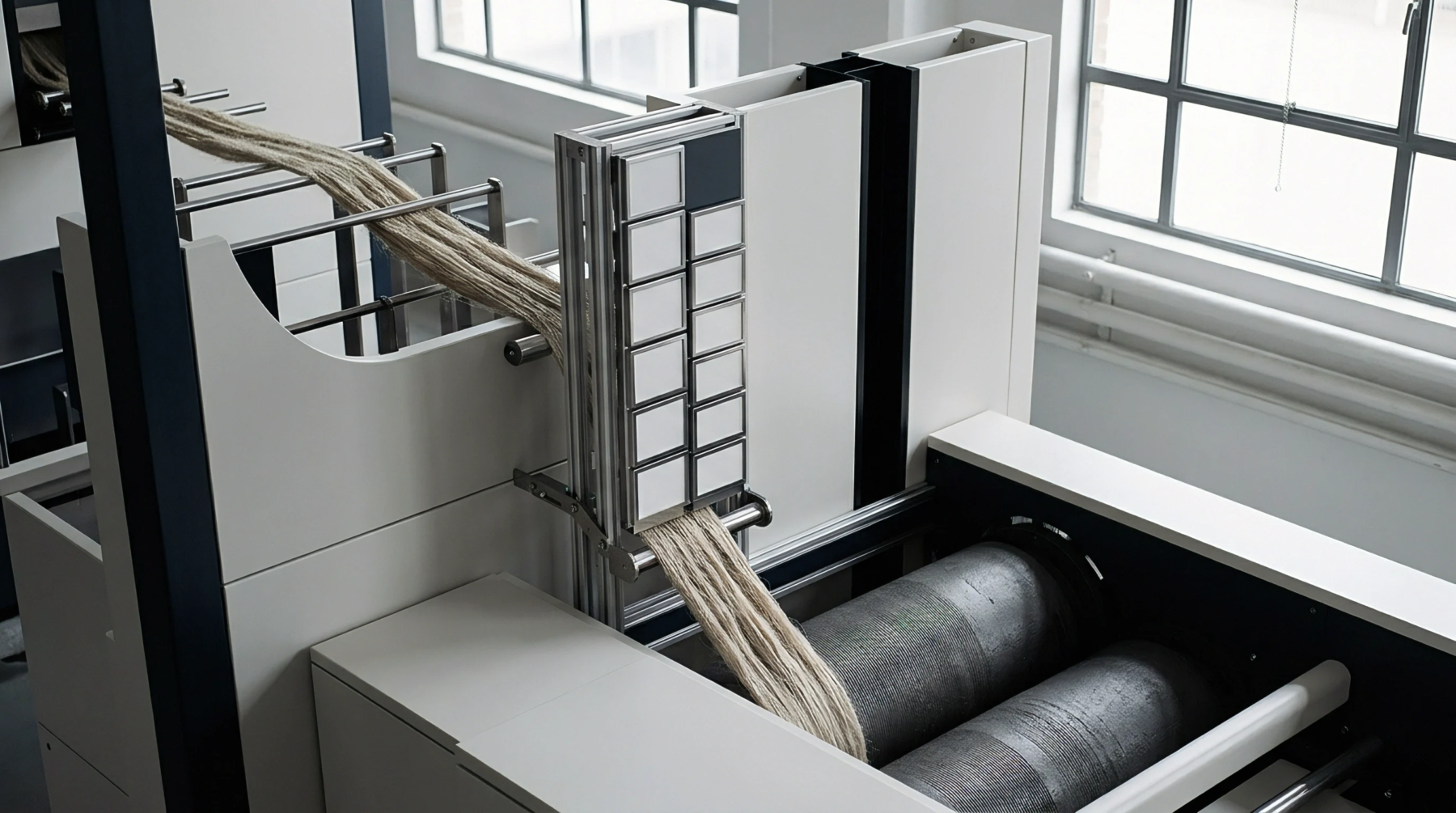
Quantifying residual pectins below 1.2% and proteins below 0.75% via spectrophotometry and combustion prevents wet-spinning end breaks and secures high-count Nm yields.

Targeted polygalacturonase retting and controlled 65°C bath chelators depress pectin glass transition, optimizing fine line flax drafting and yarn yields.

Trough water hardness suppresses enzymatic pectin hydrolysis, altering dry fiber mass loss and requiring calcium-calibrated true-up calculations.

Controlling pectin dissolution kinetics via balanced chelation and temperature protects fiber tenacity while enabling smooth slip draft in fine flax spinning.

Controlled pectin removal enables clean bundle cleavage, elevating metric fibre fineness above Nm 2000 while maintaining long line yield above 60 percent.
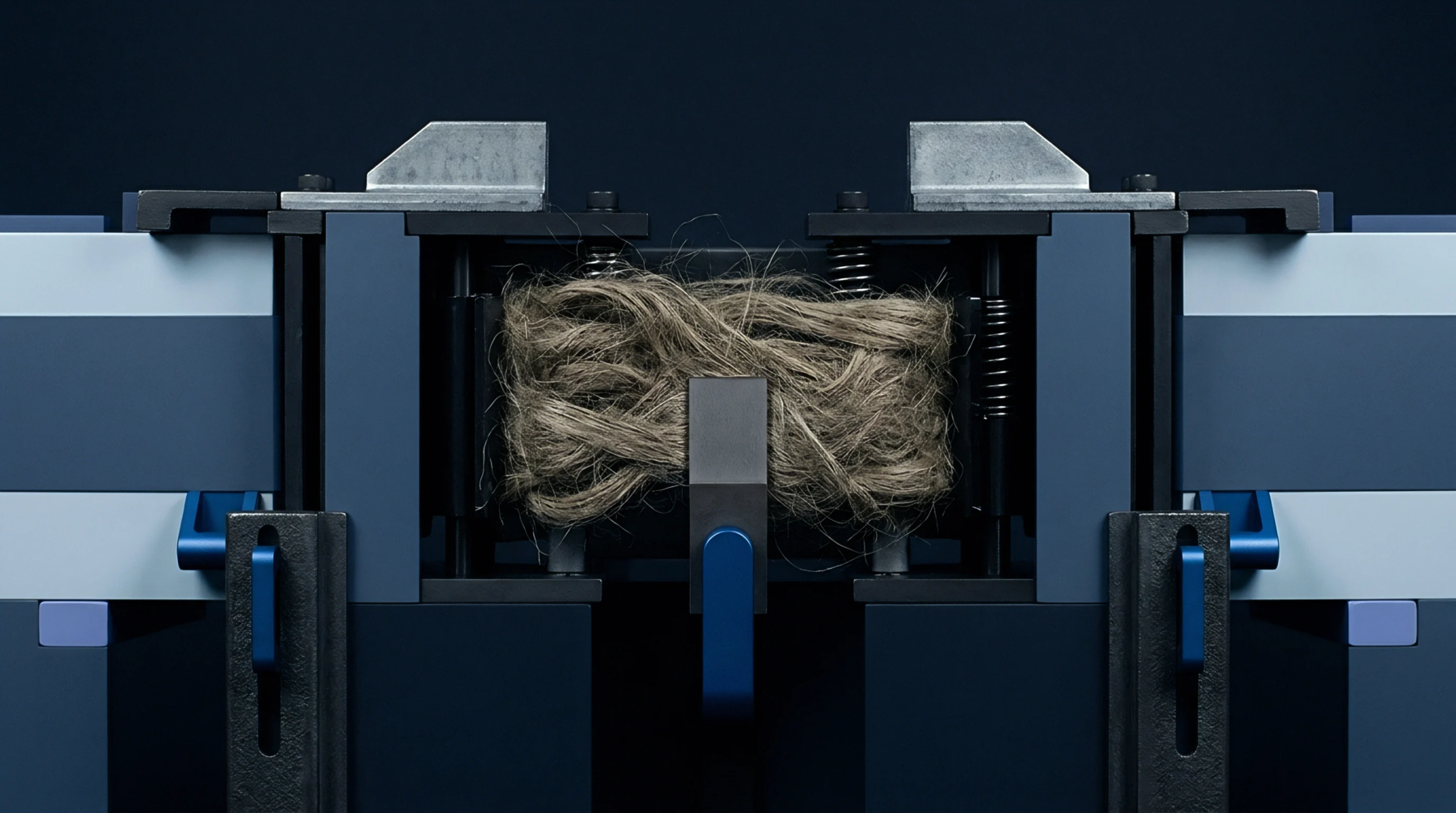
Continuous accumulation of pectin degradation products in closed-loop wet spinning troughs alters fluid rheology, impairing strand drafting and dropping yarn tenacity.
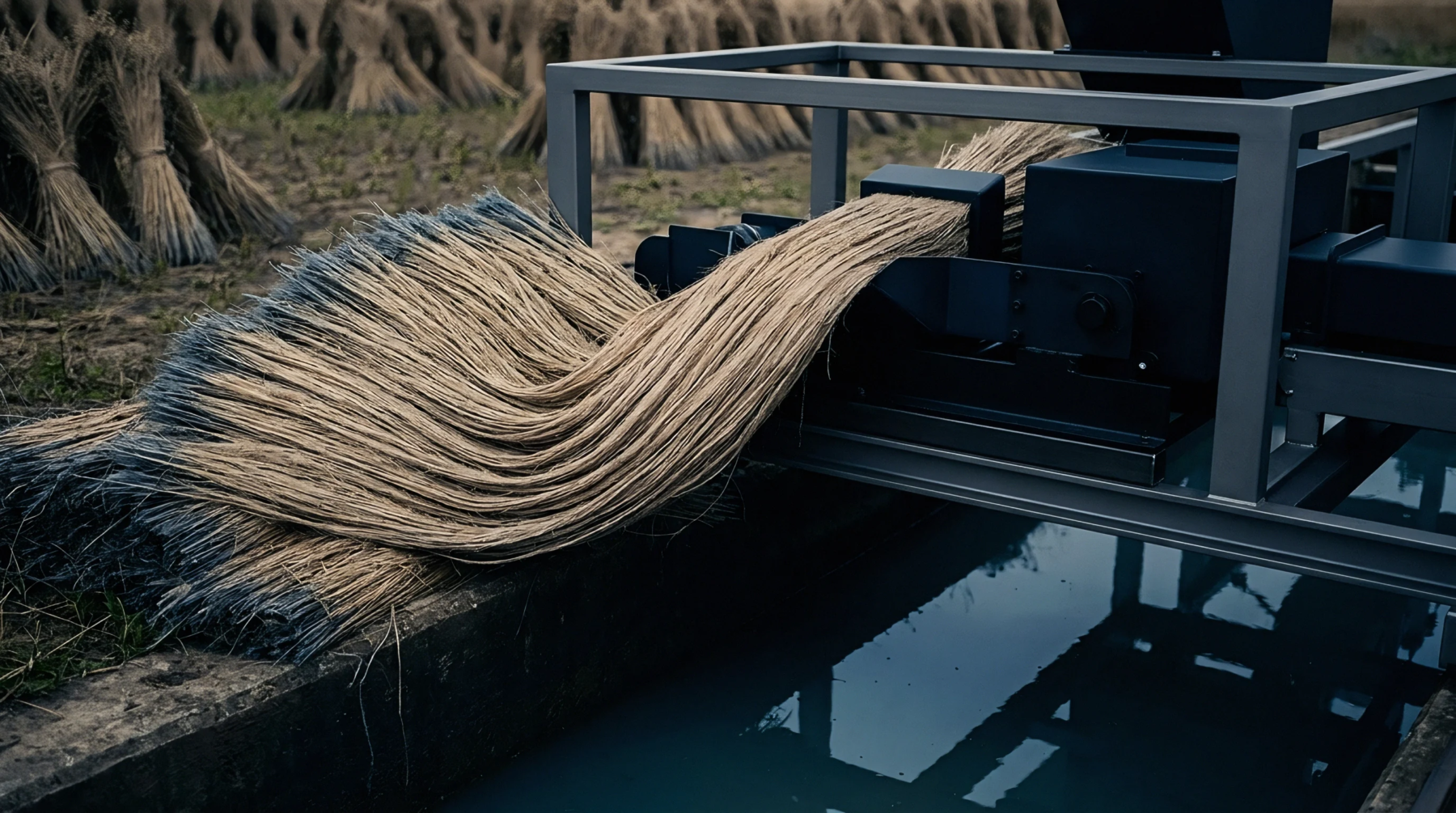
Spectrophotometric galacturonic acid assays overestimate retting degree unless corrected for neutral sugar and phenolic background interference.

Hot ammonium oxalate extraction isolates calcium-bound middle lamella pectins to quantify sliver spinning limits and drafting cohesion.
Low cohesion flax slivers collapse under high draft ratios, requiring reduced trough temperatures, higher roving twist, and tight ratch settings to hold count.

Quantifying residual pectin and protein content via ammonium oxalate extraction and FTIR prevents wet-spinning end-breakage disputes in fine bast lots.

Non-cellulosic content above 3.5% lowers hackling line yield, increasing tow waste and landed line fibre cost per finished metre.
Spectrophotometric m-hydroxydiphenyl quantification of ammonium oxalate extracted pectin predicts bast fibre sliver drafting behavior and wet spinning yield.
Expertise is a utility, not a secret. sentiention™ publishes its working knowledge as open reference: intelligence layer covering the materials it sources, the markets it enters, and the reference that serves both.